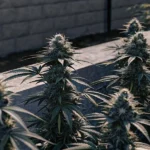
Best Fertilizer for Outdoor Grow: Veg and Bloom Guide

Quick answer: There is no single best fertilizer for an outdoor grow, because the right feed changes with the stage. Use a high-nitrogen formula during vegetative growth, then switch to a high-phosphorus, high-potassium bloom fertilizer once flowering starts, and finish with a plain-water flush. Matching the NPK ratio to the stage matters far more than the brand on the bottle.
Feeding an outdoor cannabis plant well is less about finding one magic product and more about giving it the right nutrients at the right time. Outdoor plants draw on living soil, sun and weather, so your fertilizer job is to top up what the season demands: lots of nitrogen while the plant builds leaves and branches, then a shift toward phosphorus and potassium as it starts to flower.
Recommended Strains
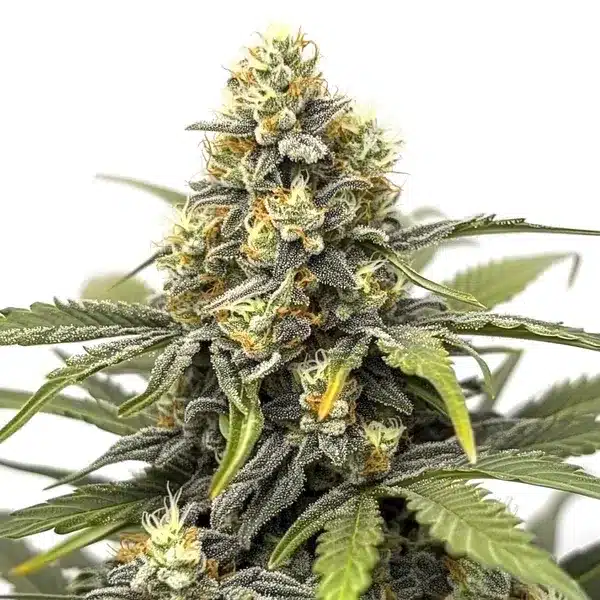
Amnesia

|
THC | 15% - 20% (Medium) |

|
Type | Feminized |

|
Yield | High |

|
Phenotype | 30% Indica / 70% Sativa |
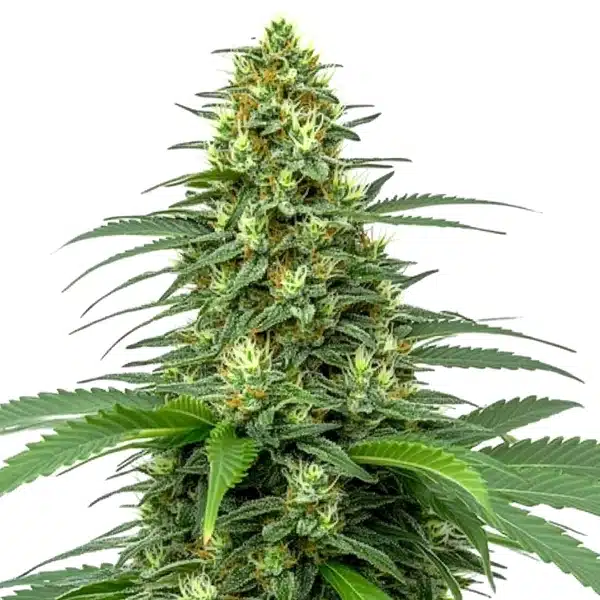
Amnesia Auto
|
|
THC | 10% - 19% (Medium) |
|
|
Type | Autoflowering |
|
|
Yield | High |
|
|
Phenotype | 30% Indica / 70% Sativa |
That is why the single most useful thing to understand is the NPK ratio, the three numbers on every fertilizer label for nitrogen, phosphorus and potassium. Get those matched to the growth stage and your outdoor plants will put on healthy green growth in summer and fat, resinous buds in autumn. The table below is the quickest way to see what to feed and when.
| Stage | NPK focus | Why |
|---|---|---|
| Seedling | Low, balanced (e.g. 1-1-1) | Tender roots burn easily; feed lightly |
| Vegetative | High nitrogen (e.g. 3-1-2) | Drives leaf and stem growth |
| Early flower | Shift to phosphorus (e.g. 1-3-2) | Supports bud set and flower formation |
| Late flower / bloom | High P-K, low N (e.g. 1-4-5) | Fattens buds; too much N now hurts flavor |
| Final 1-2 weeks | Plain water (flush) | Clears salts for a cleaner, smoother smoke |
The Key Nutrients Explained
- Nitrogen (N): drives lush, green foliage and vigorous veg growth.
- Phosphorus (P): fuels root development and, crucially, flower and bud formation.
- Potassium (K): supports overall plant health and resistance to heat, pests and disease.
Beyond the big three, cannabis also needs secondary nutrients and micronutrients: calcium and magnesium for strong cell walls and healthy leaves, plus trace amounts of iron, zinc and others. Good outdoor soil often supplies much of this, which is one advantage of growing in the ground rather than in pots.
Still, deficiencies show up as clear warning signs, such as yellowing lower leaves (often nitrogen) or rusty spots (often calcium or magnesium). Reading those symptoms and correcting the feed, rather than blindly adding more of everything, is what separates a healthy outdoor plant from a stressed one.
Promos & Deals
Veg vs Bloom: Feeding by Stage Outdoors
The biggest feeding mistake outdoors is using the same fertilizer all season. Through late spring and summer, when the plant is stretching and leafing out, it wants nitrogen-dominant food (something like a 3-1-2 ratio) to build the frame that will later hold your buds. Push growth now and you give the plant the size it needs before flowering begins.
As daylight shortens and flowering kicks in, the plant’s needs flip: nitrogen should drop and phosphorus and potassium should rise (think 1-3-2 moving to a 1-4-5 bloom feed) to swell dense, resinous flowers. A dedicated bloom fertilizer makes this easy, and if you want the specifics of that stage, see our guide to the best bloom booster fertilizer. Finish with one to two weeks of plain water to flush stored salts.
Choosing the Right Type: Organic, Liquid or Granular
Outdoor growers generally choose between three formats, and many use a mix. Your soil, climate and how hands-on you want to be all point to different options:
- Organic fertilizers: compost, worm castings and amendments that feed slowly and build healthy living soil, ideal for low-maintenance outdoor beds.
- Liquid nutrients: fast-acting feeds you mix into water, great for correcting a deficiency or giving a quick boost at a key stage.
- Slow-release granules: dry pellets worked into the soil that release nutrients gradually over weeks, convenient for a set-and-forget outdoor grow.
For most outdoor growers, a practical approach is to build good organic soil as your base, then use a liquid bloom feed to dial in the flowering stage when demand peaks. Organic matter keeps the soil ecosystem healthy and buffers mistakes, while liquids give you precise control exactly when the plant needs it.
Whatever you choose, start at half the recommended strength and build up. Outdoor plants in living soil often need less bottled fertilizer than the label assumes, and it is far easier to add more than to fix the burnt tips of an overfed plant.
Popular Fertilizer Brands
A few brands come up again and again among cannabis growers, and they are a reasonable starting point rather than a guarantee:
- FoxFarm: well known for soil mixes and a straightforward liquid nutrient trio.
- Advanced Nutrients: a broad range covering every stage, popular with growers who like a full system.
- BioBizz: organic-focused lines suited to sustainable, soil-based outdoor grows.
The brand matters less than matching the product to your medium and stage. A soil grower and a grower in amended raised beds may get excellent results from very different lines, so read how each product is meant to be used rather than chasing the most expensive bottle.
It is also worth checking reviews from growers in a similar climate to yours, since outdoor results depend heavily on local soil and weather. Personal experience from nearby growers is often more useful than any marketing claim.
How to Apply Fertilizer Outdoors
How you apply fertilizer matters as much as what you apply. Feed in the cool of early morning or late afternoon to avoid scorching, water around the base rather than onto the leaves, and always follow a feed with enough water to carry nutrients to the roots. A simple routine looks like this:
- Choose a fertilizer suited to the current growth stage (veg or bloom).
- Measure the dose, starting at half strength to avoid burn.
- Apply evenly around the base of the plant, not against the stem.
- Water thoroughly so nutrients reach the root zone.
- Watch the plant for a few days and adjust before the next feed.
Common Problems and Solutions
Most feeding problems outdoors fall into a few familiar patterns, and each has a straightforward fix:
- Nitrogen deficiency: pale, yellowing lower leaves in veg; feed a nitrogen-rich fertilizer.
- Over-fertilization: burnt, crispy leaf tips; flush the soil with plain water and cut back feeding.
- Pest pressure: chewed leaves or webbing; use companion planting or an organic pesticide.
For a deeper breakdown of nutrients specific to in-ground outdoor plants, see our guide to the best nutrients for outdoor cannabis, and for an all-stage overview our best fertilizer for cannabis guide.

FAQs of Best fertilizer for outdoor grow
What is the best fertilizer for outdoor grow in bloom?
During flowering, outdoor cannabis wants a high-phosphorus, high-potassium bloom fertilizer with low nitrogen, roughly a 1-3-2 ratio moving toward 1-4-5 late in flower. This feeds dense, resinous buds. Switch to it once flowering starts, then flush with plain water for the final one to two weeks.
How often should I fertilize outdoor cannabis?
A common rhythm is feeding every one to two weeks, adjusting to how the plant looks. In living outdoor soil you often need less than the label suggests, so start light. Feed more in peak veg and early flower, and stop entirely for the final one to two weeks to flush.
Can I use regular garden fertilizer on cannabis?
You can, but cannabis-specific or stage-based fertilizers usually work better because they match the plant’s shifting NPK needs. General-purpose products are often too nitrogen-heavy for flowering. If you use garden fertilizer, pick one with the right ratio for the stage and start at half strength to avoid nutrient burn.