Growing Weed Outdoors in Massachusetts: A Complete Guide

Growing Season in Massachusetts: The outdoor cannabis growing season in Massachusetts typically spans from mid-May to early October. This period aligns with the last frost date in spring and the first frost date in fall. Selecting strains like GG4 is essential for maximizing yield and potency within this timeframe. Ensure compliance with state laws to avoid legal issues.
Massachusetts offers a unique climate for outdoor cannabis cultivation, characterized by variable weather patterns and specific legal requirements. The state’s growing season, influenced by frost dates, demands careful strain selection and site preparation. With terpenes like myrcene enhancing the sensory profile, strains such as GG4 thrive in this environment, offering robust yields and potent effects.
Recommended Strains
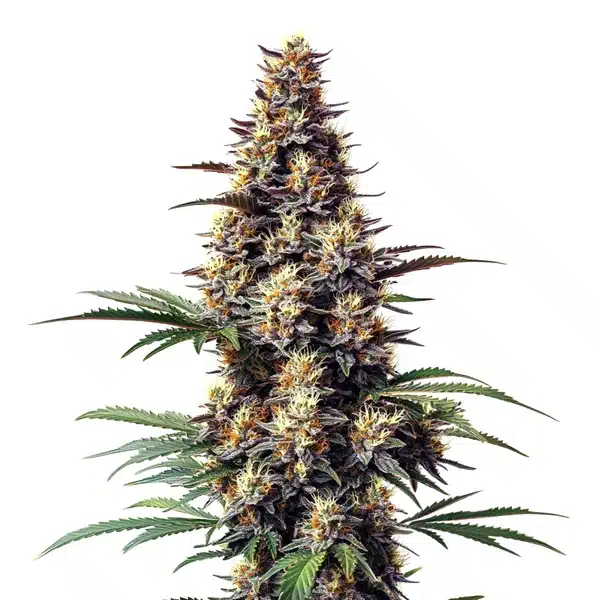
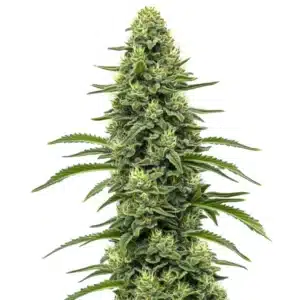
Grandaddy Black

|
THC | 19% - 23% (Medium) |

|
Type | Feminized |

|
Yield | High |

|
Phenotype | 90% Indica / 10% Sativa |

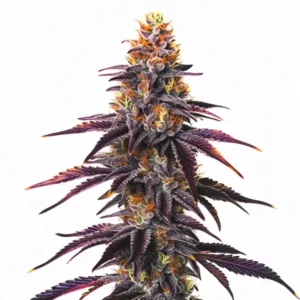
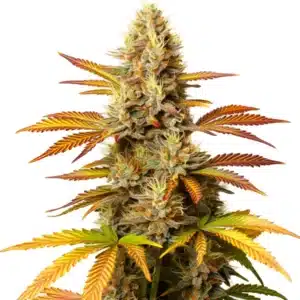
24k Gold
|
|
THC | 19% - 22% (Medium) |
|
|
Type | Feminized |
|
|
Yield | High |
|
|
Phenotype | 60% Indica / 40% Sativa |
Massachusetts’ Climate for Cannabis
Seasonal Weather Patterns
Massachusetts experiences a humid continental climate, with warm summers and cold winters. The growing season for cannabis typically begins in mid-May, when the risk of frost diminishes, and extends until early October, before the first fall frost. During this period, temperatures range from 60°F to 85°F (15°C to 29°C), ideal for cannabis growth.
Rainfall averages about 3.5 inches per month during the growing season, which can impact soil moisture levels. Growers should monitor precipitation and consider supplemental watering during dry spells. The state’s varied weather conditions necessitate selecting resilient strains that can withstand occasional temperature fluctuations.
Frost Dates and Growing Season
Frost dates are critical in determining the optimal planting and harvesting times for cannabis. In Massachusetts, the last spring frost typically occurs around May 15th, while the first fall frost appears around October 10th. This window provides approximately 150 days for outdoor cultivation, sufficient for many strains to mature.
Choosing strains with a flowering time of 8-10 weeks, such as GG4, ensures they reach full maturity before the first frost. Monitoring local weather forecasts and using frost blankets can help protect plants during unexpected cold snaps. Proper planning and strain selection are vital for a successful harvest.
Promos & Deals



Legal Considerations for Outdoor Cannabis Cultivation
State Regulations and Compliance
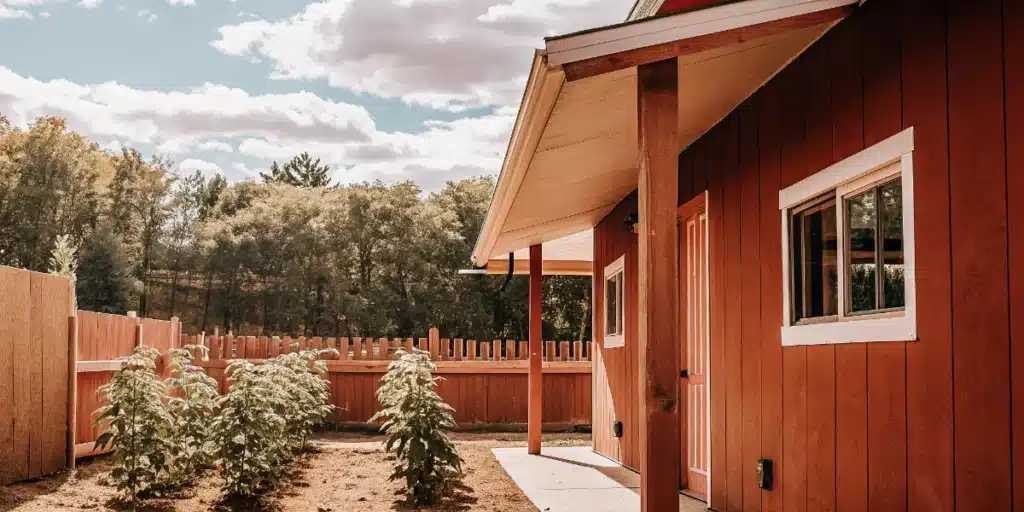
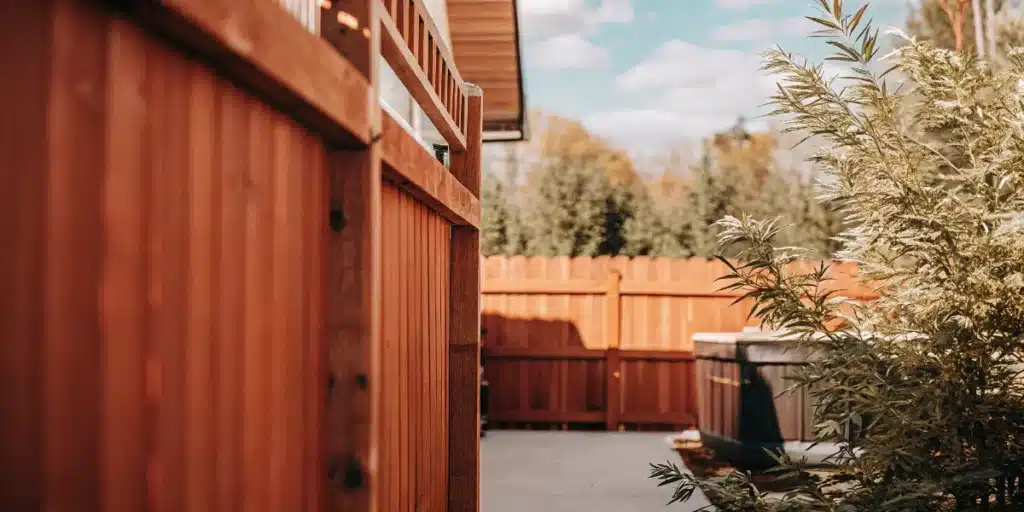
Massachusetts allows adults 21 and over to cultivate up to six cannabis plants per person, with a maximum of 12 plants per household. Outdoor grows must be secured and not visible from a public place. Fencing and security measures are recommended to comply with these regulations.
Legal compliance extends to the storage and processing of harvested cannabis. Possession limits are set at 10 ounces per household, and any excess must be stored securely. Knowing these legal parameters helps avoid fines and ensures a lawful cultivation experience.
Local Ordinances and Restrictions
In addition to state laws, local municipalities may impose additional restrictions on outdoor cannabis cultivation. Some areas may require permits or have specific zoning laws that affect where you can grow. Checking with local authorities before planting is crucial to ensure compliance.
Failure to adhere to local ordinances can result in fines or forced removal of plants. Engaging with local community boards or attending public meetings can provide insights into any upcoming changes in regulations. Staying informed helps maintain a harmonious relationship with neighbors and authorities.
Preparing Your Outdoor Grow Site
Soil Preparation and Amendments
Massachusetts’ soil varies from sandy loam to clay, affecting drainage and nutrient availability. Testing soil pH, which should ideally be 6.5 for optimal nutrient uptake, is the first step in preparation. Amendments such as compost or perlite can improve soil structure and aeration.
Adding organic fertilizers like bat guano or fish emulsion provides essential nutrients. A balanced N:P:K ratio of 3:1:2 during the vegetative stage and 1:3:2 during flowering supports healthy growth. Regular soil testing ensures nutrient levels remain optimal throughout the growing season.
Choosing the Right Cannabis Strains
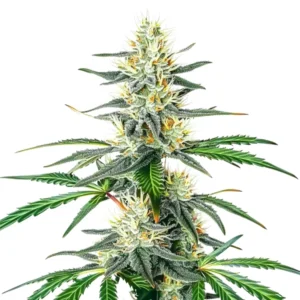
Selecting the right strains is crucial for success in Massachusetts’ climate. Strains like GG4, known for their resilience and potency, thrive in the state’s conditions. GG4 offers a THC content of 25-30%, with dominant terpenes like myrcene and caryophyllene enhancing its effects.
Other recommended strains include 24k Gold and Grandaddy Black, both offering robust yields and unique terpene profiles. Selecting strains with a flowering time of 8-10 weeks ensures they mature before the first frost.
| Feature | GG4 | 24k Gold | Grandaddy Black |
|---|---|---|---|
| THC Content | 27% | 19-22% | 19-23% |
| Dominant Terpene | Humulene | Limonene | Caryophyllene |
| Flowering Time | 8-10 weeks | 8-10 weeks | 8-10 weeks |
| Yield Outdoor | 24.69 – 28.22 oz/plant | 15.87 oz/plant | 15.87 oz/plant |
| Climate | Continental | Temperate | Tropical |
Step-by-Step Guide to Growing Weed Outdoors in Massachusetts
Planting and Germination
Start germinating seeds indoors in early May to ensure strong seedlings by the time of transplanting. Maintain a consistent temperature of 70-75°F (21-24°C) and humidity of 70-80% for optimal germination. Use a seedling heat mat and humidity dome to create the ideal environment.
Transplant seedlings outdoors after the last frost date, typically around mid-May. Space plants 3-4 feet apart to allow for adequate airflow and sunlight penetration. This spacing helps prevent mold and ensures each plant receives sufficient light for robust growth.
Pest and Disease Management
Common pests in Massachusetts include aphids, spider mites, and caterpillars. Regularly inspect plants and use organic pesticides like neem oil or insecticidal soap to control infestations. Introducing beneficial insects such as ladybugs can also help manage pest populations naturally.
Fungal diseases like powdery mildew and botrytis can thrive in humid conditions. Ensure good airflow and avoid overhead watering to reduce the risk of fungal infections. Applying a preventive sulfur spray can help protect plants from fungal diseases.
Harvesting and Curing
Harvest cannabis plants when trichomes are milky white with some amber, indicating peak potency. This stage typically occurs in late September to early October in Massachusetts. Use a magnifying glass or jeweler’s loupe to inspect trichomes closely.
After harvesting, hang plants upside down in a dark, well-ventilated area with 50-60% humidity and temperatures of 60-70°F (15-21°C). Proper curing enhances flavor and potency, taking 2-4 weeks. Store cured buds in airtight containers to maintain quality.
Professional Tips for Growing Weed Outdoors in Massachusetts
- Maintain soil pH at 6.5 to optimize nutrient uptake. Use a digital pH meter for accuracy. Incorrect pH levels can lead to nutrient lockout, stunting growth.
- Space plants 3-4 feet apart to ensure proper airflow and light penetration. Crowded plants are more susceptible to mold and mildew.
- Monitor humidity levels, keeping them between 40-50% during flowering. High humidity can cause bud rot, while low humidity can stunt growth.
- Use organic fertilizers with a balanced N:P:K ratio of 3:1:2 during vegetative growth. Over-fertilization can cause nutrient burn, damaging plants.
- Apply neem oil or insecticidal soap bi-weekly to prevent pest infestations. Pests can quickly damage plants if not controlled early.
- Harvest when trichomes are 70% milky and 30% amber for optimal potency. Premature harvesting results in lower THC levels.
FAQs about Growing Weed Outdoors in Massachusetts
What are the best cannabis strains for Massachusetts climate?
Strains like GG4, 24k Gold, and Grandaddy Black are well-suited for Massachusetts’ climate. They offer robust yields and resilience to temperature fluctuations. GG4, for example, has a THC content of 25-30% and a flowering time of 8-9 weeks, making it ideal for the state’s growing season.
How do Massachusetts state laws affect outdoor cannabis growing?
Massachusetts allows adults to grow up to six plants per person, with a maximum of 12 per household. Outdoor grows must be secured and not visible from public view. Compliance with these regulations is crucial to avoid fines and ensure a legal cultivation experience.
When is the best time to plant cannabis outdoors in Massachusetts?
The best time to plant cannabis outdoors in Massachusetts is after the last frost date, typically around mid-May. This timing ensures a full growing season before the first fall frost in early October. Starting seeds indoors in early May can help establish strong seedlings for transplanting.
What are common pests in Massachusetts outdoor cannabis gardens?
Common pests include aphids, spider mites, and caterpillars. Regular inspections and the use of organic pesticides like neem oil can help manage infestations. Introducing beneficial insects such as ladybugs can also aid in controlling pest populations naturally.
How to prepare soil for growing cannabis outdoors in Massachusetts?
Test soil pH and amend with compost or perlite to improve structure and aeration. Aim for a pH of 6.5 for optimal nutrient uptake. Adding organic fertilizers with a balanced N:P:K ratio supports healthy growth. Regular soil testing ensures nutrient levels remain optimal throughout the season.