Expert Guide: Soil pH and Heavy Metal Availability for Cannabis

Soil pH plays a crucial role in the growth and health of cannabis plants. Understanding the relationship between soil pH and heavy metal availability for cannabis is essential, as it directly affects both nutrient uptake and the potential absorption of harmful elements. For both novice and experienced cannabis growers, knowing this relationship can help optimize plant health and yield. A balanced soil pH ensures that cannabis can access essential nutrients while minimizing the uptake of harmful heavy metals.
The optimal soil pH for cannabis heavy metal uptake typically ranges between 6.0 and 7.0. This range allows for the best nutrient absorption while limiting the bioavailability of toxic metals like lead and cadmium. When the pH level is outside this range, cannabis plants may either absorb too many metals or struggle to get the nutrients they need.
Recommended Strains

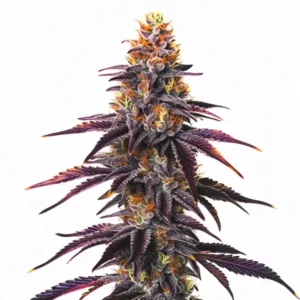
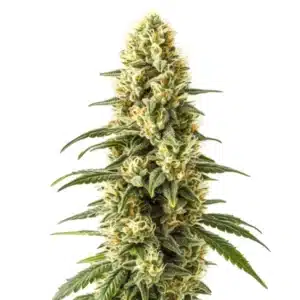
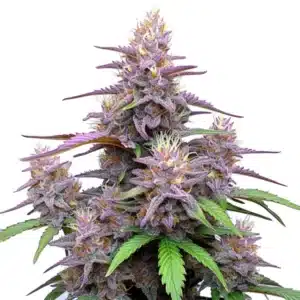
Black Domina

|
THC | 15% - 20% (Medium) |

|
Type | Feminized |

|
Yield | High |

|
Phenotype | 95% Indica / 5% Sativa |

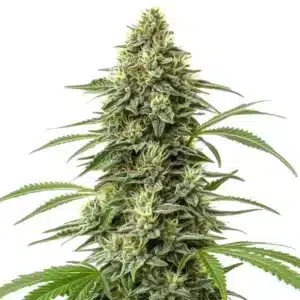
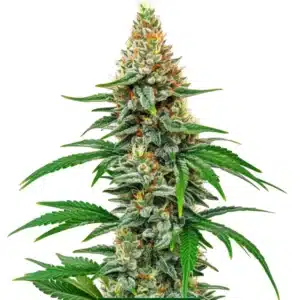
Blue Dream
|
|
THC | 17% - 24% (High) |
|
|
Type | Feminized |
|
|
Yield | High |
|
|
Phenotype | 50% Indica / 50% Sativa |
One practical example is when growers notice yellowing leaves on their cannabis plants. This symptom could be a sign of nutrient deficiency, often due to improper soil pH. Adjusting the pH to the optimal range can resolve this issue, promoting healthier growth and reducing heavy metal contamination.
Optimal Soil pH and Heavy Metal Uptake
The interaction between soil pH and heavy metal uptake is critical in cannabis cultivation. Heavy metals become more available for plant absorption in acidic soils, leading to potential contamination. Adjusting soil pH can significantly influence the extent to which heavy metals are absorbed by cannabis plants.
One way to manage this is by regularly testing soil pH and making necessary amendments. Lime can be added to increase pH, whereas sulfur can lower it. For growers cultivating strains like Gorilla Glue from Blimburn Seeds, maintaining the correct pH is essential to ensure the plants don’t absorb unwanted metals, which could affect the quality of the buds.
Knowing the balance of soil pH and heavy metal availability for cannabis is crucial for preventing the uptake of harmful substances. By keeping soil conditions optimal, growers can prevent toxic metals from becoming bioavailable and ensure their plants are healthy and productive. This approach requires careful monitoring and adjustment of soil conditions but pays off in safer and more potent harvests.
Moreover, the optimal soil pH for cannabis heavy metal uptake is not only about preventing metal absorption but also about maximizing nutrient intake. When soil pH is well-managed, cannabis plants can efficiently utilize available nutrients, leading to vigorous growth and robust yields. This harmony between nutrient availability and metal prevention is the cornerstone of successful cannabis cultivation.
Promos & Deals
Cannabis Heavy Metal Contamination and Soil pH Influence
Heavy metal contamination in cannabis can pose serious health risks to consumers. Metals such as arsenic, mercury, and lead can accumulate in the plant tissues if the soil pH is not properly managed. This is why monitoring soil conditions is vital for cannabis growers.
For instance, when growing Blue Dream, a popular strain from Blimburn Seeds, growers must ensure the soil is within the ideal pH range. This not only maximizes the plant’s growth potential but also safeguards against heavy metal bioavailability in cannabis cultivation, which can compromise the safety of the final product.
Knowing the cannabis heavy metal contamination soil pH influence is essential for maintaining quality and safety. By keeping the soil pH within the desired range, growers can mitigate the risk of metals entering the plant system. This is particularly important as consumers become more health-conscious and regulatory standards become stricter.
Furthermore, the influence of soil pH on heavy metal contamination highlights the need for comprehensive soil management practices. Implementing a rigorous testing schedule and using the right soil amendments are practical steps towards minimizing contamination risks. This proactive strategy not only protects consumer health but also enhances the overall reputation of the cannabis industry.
Soil Acidification and Cannabis Metal Absorption
Soil acidification occurs when the pH of the soil drops, making it more acidic. This process can increase the solubility of heavy metals, thereby increasing their availability for plant uptake. For cannabis growers, this means a higher risk of contamination.
In practical terms, using fertilizers that increase soil acidity can inadvertently heighten the absorption of heavy metals. Growers of strains such as Black Domina from Blimburn Seeds should pay close attention to the types of fertilizers used and their impact on soil pH.
The soil acidification impact on cannabis metal absorption is a critical factor that should not be overlooked. Excessive acidity can lead to a toxic environment, significantly affecting both the growth and safety of cannabis plants. By using pH-neutral or slightly alkaline fertilizers, growers can counteract these effects and maintain the integrity of their crop.
Addressing soil acidification requires a strategic approach that involves both prevention and correction. Regular soil amendments and the use of buffering agents can help stabilize pH levels, ensuring that heavy metals remain insoluble and unavailable for plant uptake. This careful management allows cannabis plants to thrive without the risk of contamination.
Heavy Metal Bioavailability in Cannabis Cultivation
The bioavailability of heavy metals in soil is directly affected by pH levels. When soil conditions are too acidic or too alkaline, metals such as cadmium and lead can become more available to plants, posing a threat to both cannabis quality and consumer health.
To mitigate this, cannabis growers should consider using organic matter to help buffer soil pH. Organic matter can stabilize pH levels and reduce the solubility of heavy metals, making them less available for plant uptake. This ensures a healthier growth environment for cannabis strains like GG4.
Knowing heavy metal bioavailability in cannabis cultivation is essential for producing safe and high-quality products. By controlling soil pH, growers can limit the potential for harmful metals to enter the plant system, thereby protecting both the crop and its end users. This highlights the crucial role of soil management in successful cannabis cultivation.
Additionally, integrating practices such as crop rotation and the use of cover crops can enhance soil health and further reduce heavy metal bioavailability. These practices improve soil structure and nutrient cycling, creating a more balanced environment that supports optimal cannabis growth soil pH and heavy metal interaction.
Practical Tips for Managing Soil pH and Heavy Metal Interaction
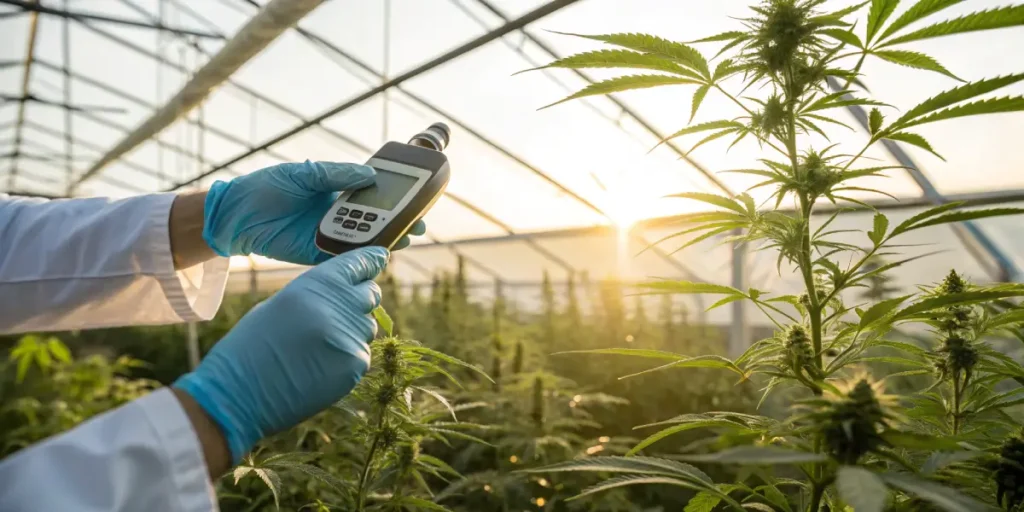
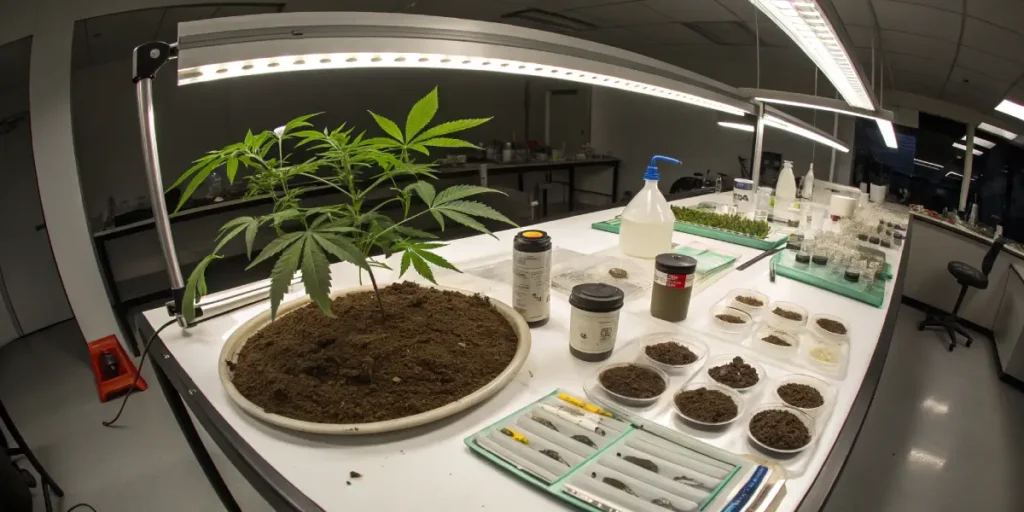
Maintaining the right soil pH is an ongoing process that requires regular monitoring and adjustments. Simple tools like pH meters or test kits can provide valuable insights into soil conditions and help you make informed decisions.
For those growing cannabis strains from Blimburn Seeds, such as Blue Dream or Black Domina, it is important to keep a log of soil pH readings and any amendments applied. This practice helps track changes over time and ensures that soil conditions remain optimal for cannabis growth.
Incorporating companion planting is another effective strategy for managing soil pH and heavy metal interaction. Certain plants can naturally improve soil conditions, reducing the need for chemical pH adjustments while fostering a more sustainable growing environment.
Finally, educating oneself on local soil conditions and investing in quality testing equipment can make a significant difference in managing soil health. By staying informed and proactive, growers can enhance their cultivation practices and achieve successful outcomes in cannabis production.
FAQs about soil pH and heavy metal availability for cannabis
What is the optimal soil pH for cannabis heavy metal uptake?
The optimal soil pH for cannabis heavy metal uptake is generally between 6.0 and 7.0. This range allows cannabis plants to effectively absorb necessary nutrients while minimizing the uptake of harmful heavy metals. Maintaining this balance is crucial for healthy plant development and safe end products.
By regularly testing soil pH and making appropriate amendments, such as adding lime to increase pH or sulfur to decrease it, growers can maintain this optimal range. This proactive approach ensures that cannabis plants remain robust and free from excessive heavy metal contamination.
How does soil acidification impact cannabis metal absorption?
Soil acidification increases the solubility of heavy metals, making them more available for absorption by cannabis plants. This can lead to higher levels of toxic metals in the plant tissues, which is undesirable for both growers and consumers.
To counteract soil acidification, growers should regularly monitor pH levels and use amendments that help neutralize acidity. This prevents excessive metal uptake and maintains a healthier growing environment for cannabis plants.
Why is it important to monitor soil pH in cannabis cultivation?
Monitoring soil pH is vital in cannabis cultivation because it directly influences nutrient availability and heavy metal bioavailability. An imbalanced pH can lead to nutrient lockout or increased heavy metal uptake, both of which can negatively affect plant health and yield.
By keeping soil pH within the optimal range, growers can ensure that cannabis plants receive the nutrients they need while minimizing the risk of contamination. This leads to healthier plants and a better-quality harvest.
Can certain cannabis strains tolerate wider soil pH ranges?
Yes, some cannabis strains are more adaptable to variations in soil pH. For example, strains like GG4 from Blimburn Seeds are known for their resilience and can tolerate a slightly wider pH range while still maintaining quality and yield.
However, it is still important for growers to aim for the optimal soil pH range for cannabis heavy metal uptake to ensure the best possible growth conditions and minimize potential contamination.
How do soil amendments influence heavy metal bioavailability in cannabis cultivation?
Soil amendments influence heavy metal bioavailability by altering the pH level of the soil. For instance, adding lime can increase soil pH, reducing the solubility and availability of heavy metals like lead and cadmium.
Using amendments strategically allows growers to maintain a balanced soil environment, ensuring that cannabis plants absorb essential nutrients while minimizing the risk of heavy metal contamination. This is essential for producing high-quality, safe cannabis products.