Types of Weed Carts: A Buyer’s Guide

“Cart” is one word covering a surprising range of products, and the differences matter once you are choosing one. They vary in how they connect to a battery, in what extract they hold, and in how that extract was made, and each of those choices changes the flavor, the strength, and the price. This guide sorts the main types of weed carts so the labels stop being a blur.
What a weed cart actually is
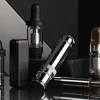
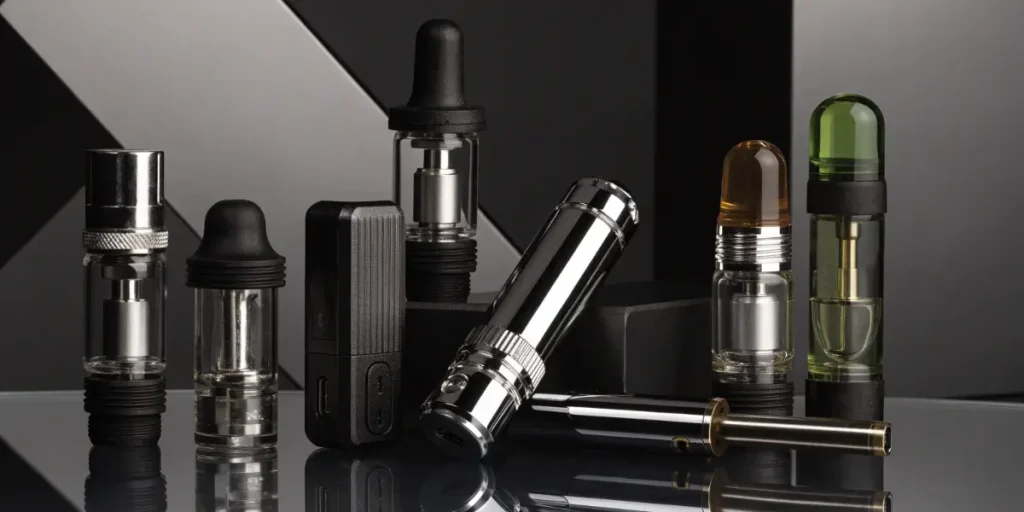
A weed cart, short for cartridge, is a small pre-filled tank of cannabis extract that screws onto a battery, which heats a coil and turns the oil into vapor. It is the self-contained part that holds the cannabis, as opposed to the reusable battery that powers it. If the basics of carts versus other vapes are still fuzzy, our primer on the difference between a cart and a vape is the place to start.
Recommended Strains
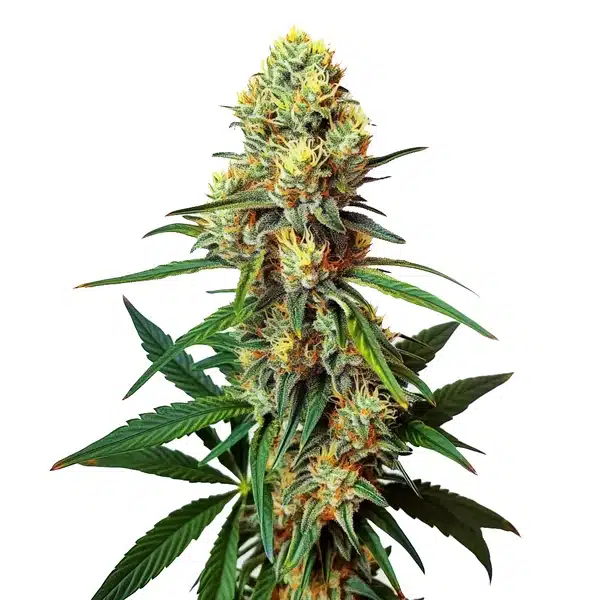
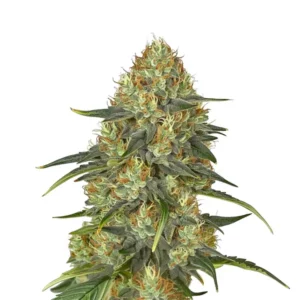
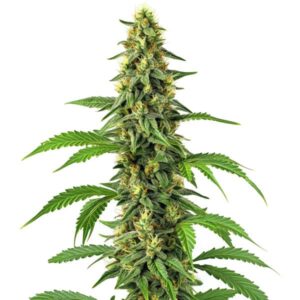
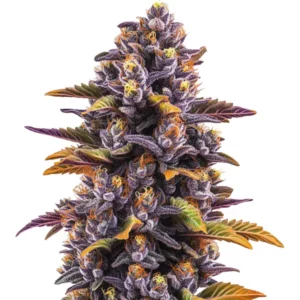
AK 47 Regular

|
THC | 16% - 19% (Medium) |

|
Type | Regular |

|
Yield | High |

|
Phenotype | 30% Indica / 70% Sativa |

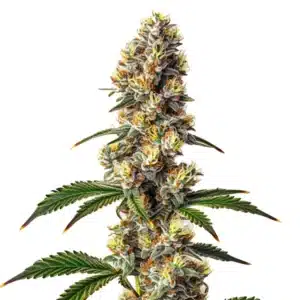
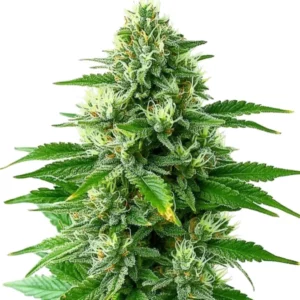
Animal Mints
|
|
THC | 22% - 24% (High) |
|
|
Type | Feminized |
|
|
Yield | Low |
|
|
Phenotype | 60% Indica / 40% Sativa |
From there, carts split along three lines that are worth understanding separately: the connection they use, what is inside them, and whether the battery is reusable or the whole thing is disposable. Mix and match those and you have most of the products on a dispensary shelf.
Promos & Deals
By connection: 510-thread, proprietary, and disposables
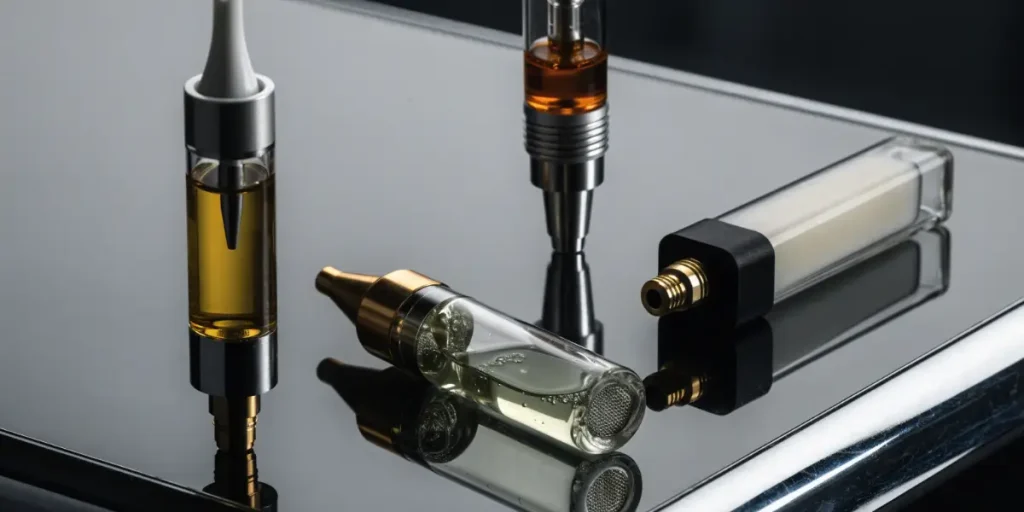
The most common standard is the 510-thread cart, named for its universal screw fitting. A 510 cart works with almost any matching battery, which makes it flexible and easy to replace, and it is the default most people picture when they hear “cart.”
Some brands instead use proprietary or pod-style systems, where the cartridge only fits that company’s own battery, trading flexibility for a tighter, often sleeker fit. Disposables are the third option: an all-in-one unit with the extract, coil, and battery sealed together, used until empty and then thrown away. They are the simplest to pick up and use, but you cannot refill or reuse them.
A fourth, related choice is whether a cart is pre-filled or refillable. Most carts on a menu come pre-filled and sealed, but empty refillable 510 cartridges also exist for people who make or buy their own oil. Refillables cut cost and waste over time, though they ask a little more effort and care to fill and maintain cleanly.
By what’s inside: distillate, live resin, rosin and more
The biggest difference in experience comes from the extract itself, and this is where prices and flavor diverge most:
- Distillate: highly refined, very high in THC, but stripped of most natural terpenes, so it is potent yet often flavorless unless terpenes are added back.
- Live resin: made from flash-frozen fresh plants, preserving far more of the original terpenes for a fuller, truer-to-the-strain flavor.
- Live rosin: a solventless concentrate pressed with heat and pressure, prized as a premium, chemical-free option with rich flavor.
- Full-spectrum and CO2 oil: extracts that aim to keep the plant’s broader mix of cannabinoids and terpenes rather than isolating THC alone.
As a rough rule, distillate carts are the cheapest and strongest on paper, while live resin and live rosin cost more and win on flavor and a more rounded effect. Which is “better” depends on whether you prioritize raw potency or the taste and character of the original strain.
How to judge quality and safety
Not all carts are equal, and the extract is only half the story. Good hardware matters: a quality coil and tank deliver even vapor and avoid leaks and burnt hits, while cheap cartridges clog, leak, and waste oil. The oil should look clear to lightly golden, not dark or murky, which can hint at age or poor processing.
Above all, buy from legal, regulated sources that publish lab testing. A certificate of analysis confirms the cannabinoid content and screens for pesticides, heavy metals, and residual solvents, and it is the single best protection against the unregulated carts that caused safety scares in the past. Steer clear of anything cut with additives like vitamin E acetate, and treat a suspiciously cheap, untested cart as a red flag rather than a bargain.
Refillable versus disposable over time
The gap between the two really shows up in cost and waste. A disposable is cheapest to try once and asks nothing of you, but buying a new battery with every cartridge adds up fast for a regular user and throws away usable hardware each time. A reusable 510 battery paired with replaceable or refillable carts costs more upfront and pays that back over months.
There is an environmental and reliability angle too. Disposables bury a lithium battery in landfill with every unit, while a good reusable battery lasts for years and gives more consistent hits than the tiny cells in throwaways. For anything beyond occasional use, a reusable setup is usually the better call on both cost and performance.
Which type of cart is right for you
Matching the cart to how you actually use it saves money and frustration. A reusable 510 battery with refillable or replaceable carts suits regular users who want flexibility and lower long-run cost, while a disposable is ideal for occasional use or travel, where simplicity beats economy.
On the extract, let your priority decide: distillate if you want maximum strength for the least money, live resin or rosin if flavor and a fuller experience are worth paying for. Whatever you choose, the quality of the hardware and the transparency of the testing matter more than the marketing on the box.
Frequently Asked Questions
What is the difference between a 510 cart and a disposable?
A 510 cart is just the cartridge, which screws onto a separate, reusable battery and can be swapped out when empty. A disposable seals the extract, coil, and battery into one unit you use until it dies and then discard. The 510 is more flexible and economical; the disposable is simpler.
Is live resin better than distillate?
They serve different priorities. Distillate is more refined and higher in THC but usually lacks natural flavor, while live resin preserves the plant’s terpenes for a fuller taste and more rounded effect. Live resin generally costs more, so “better” depends on whether you value raw potency or flavor.
How can I tell if a cart is good quality?
Look for clear-to-golden oil, solid hardware that does not leak, and, most importantly, published lab testing from a legal source. A certificate of analysis confirms the contents and screens for contaminants. Dark oil, no testing, or a price that seems too good are all warning signs to avoid.
What are the main types of weed carts?
They sort three ways: by connection (universal 510-thread, brand-specific pods, or all-in-one disposables), and by what is inside (distillate, live resin, live rosin, or full-spectrum oil). Most products on a shelf are a combination of one connection type and one extract type.
Are distillate carts stronger than flower?
By THC percentage, yes. Distillate is heavily refined and often tests far higher than flower, so carts feel strong. Flower, however, carries a fuller mix of cannabinoids and terpenes, which many users prefer, so a higher number does not automatically mean a better experience.