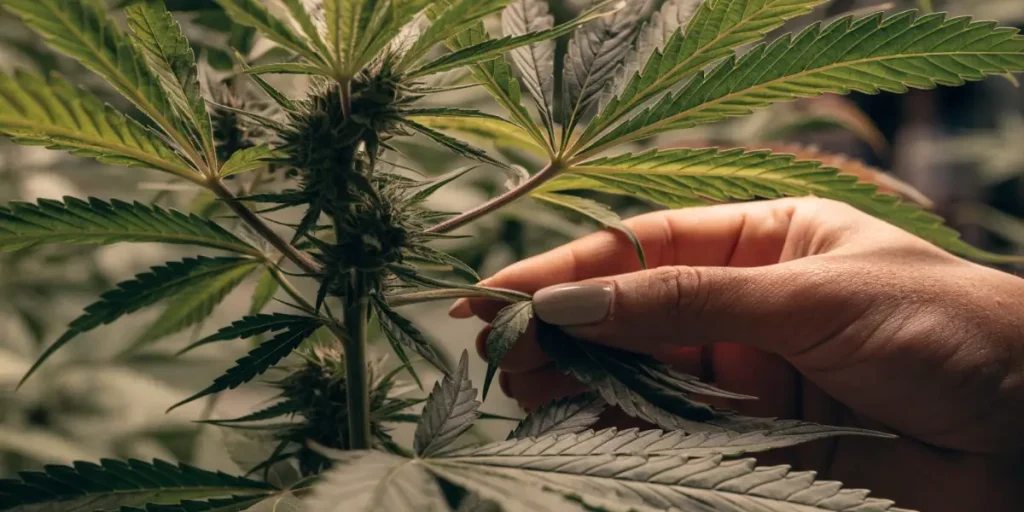
How to Defoliate Cannabis the Right Way

Defoliation, the deliberate removal of leaves from a cannabis plant, looks alarming the first time you try it. Pulling healthy fan leaves off a plant you have nurtured feels wrong, yet done with judgment it opens the canopy to light and air and can lift both yield and quality. Done carelessly, it just stresses the plant. The whole skill is knowing which leaves, how many, and when.
What defoliation does and why growers do it
A cannabis plant in full swing grows more leaves than it can use efficiently. Large fan leaves at the top shade the bud sites below them, and a dense, bushy interior traps humid, still air. Removing a measured number of those leaves lets light reach the lower flowers and lets air move through the plant, which is why defoliation is as much about airflow and mold prevention as it is about light.
Recommended Strains

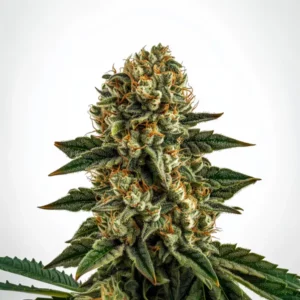
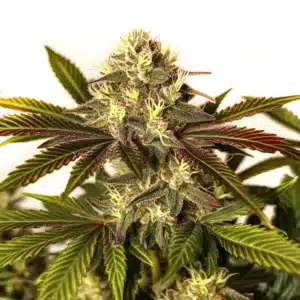
Jack Herer

|
THC | 20% (Medium) |

|
Type | Feminized |

|
Yield | High |

|
Phenotype | 40% Indica / 60% Sativa |

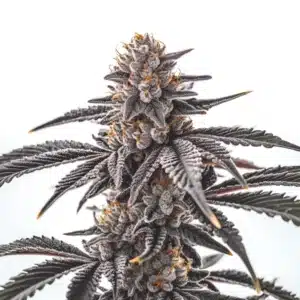
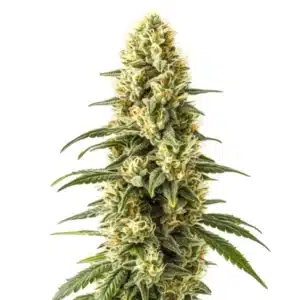
5 Alive
|
|
THC | 20% - 27% (High) |
|
|
Type | Feminized |
|
|
Yield | Low |
|
|
Phenotype | 45% Indica / 55% Sativa |
There is a trade-off, though, and it is easy to forget in the enthusiasm of a first trim. Leaves are the plant’s solar panels, so every one you remove is a small cut to its ability to photosynthesize. A healthy plant recovers quickly, but an over-defoliated or already-stressed plant can stall for days. The goal is to remove what genuinely blocks light or air and leave the rest working.
It helps to see defoliation as one tool in a bigger shaping toolkit rather than a standalone trick. It overlaps with lollipopping, where you clear the lower third of the plant that never gets real light, and it complements canopy training. Used together and in moderation, these techniques aim at the same goal: an even, open canopy where light and air reach as many productive bud sites as possible.
Promos & Deals

When to defoliate during the grow
Timing matters more than technique. The safest and most productive windows are during vegetative growth, when the plant is building frame and recovers fast, and right around the flip to flower, when you want light reaching every site that is about to start budding.
A lighter, more careful round early in flower, usually in the first two to three weeks, can help as the plant stretches and fills in. After that the plant commits its energy to buds rather than new leaves, so heavy leaf removal late in flower is risky and offers little upside. Many growers do one solid defoliation at the flip and a gentle tidy-up a couple of weeks later, then leave the plant alone to finish.
How to defoliate in the vegetative stage
Veg is where you can be boldest, because the plant has time to bounce back. Focus on the large fan leaves that sit directly over bud sites, any leaves tucked deep in the center receiving no light, and growth low on the plant that will never make a real cola. Clean, sharp scissors and a cut close to the stem keep it tidy and reduce the chance of infection.
This is also the stage where defoliation pairs naturally with training. Opening the canopy with leaf removal works hand in hand with bending and tying, so if you are already practicing low-stress training or shaping the plant by topping or FIMing, defoliation is the finishing touch that evens out the light across the flattened canopy.
Defoliating during flowering, carefully
Flower defoliation splits growers into camps, and both have a point. Removing leaves that bury the lower bud sites can improve light and airflow exactly where mold likes to start, which is valuable on dense, humid canopies. But the plant is now more sensitive, and a hard trim can shock it at the worst possible time.
The rule in flower is less and gentler. Take the obvious offenders, the big fans shading a cola or the yellowing leaves at the bottom, and stop there. If you want the detail on how late you can safely go and how much to take, our guide to defoliating during flowering walks through the timing week by week.
How much to remove, and the mistakes to avoid
The single most common error is taking too much at once. Stripping a plant bare in one session to “let light in” removes the very machinery it needs to power the buds, and the plant pays for it in slowed growth. A sensible ceiling for a single session is a modest portion of the canopy, never a wholesale strip.
A few habits keep defoliation on the helpful side of the line:
- Only defoliate a healthy, vigorous plant; never strip one already stressed by pests, heat, or deficiency.
- Prioritize leaves that block light to bud sites or trap air in the interior, not random greenery.
- Space sessions several days to a week apart so the plant recovers between them.
- Use clean scissors and cut cleanly rather than tearing leaves off by hand.
When in doubt, take less. You can always remove more in a few days, but you cannot glue a leaf back on, and a plant that is lightly under-defoliated will still finish well.
Autoflowers are a special case
Autoflowers live on a fixed clock and cannot wait around to recover, so they are far less forgiving of heavy defoliation. A hard trim at the wrong moment can permanently cost yield, because the plant simply does not have extra weeks to rebuild. Most growers treat autos with a much lighter hand, removing only what is clearly in the way.
Because the timing and the limits are different, autos deserve their own approach rather than the photoperiod playbook. Our dedicated guide to defoliating autoflowers covers when, and how little, to cut on a plant that runs on autopilot.
Frequently Asked Questions
Does defoliating cannabis increase yield?
It can, indirectly, by letting light reach lower bud sites and improving airflow so more of the plant develops usable flower. The gain comes from better light distribution, not from the cutting itself, so over-defoliation backfires. Done in moderation on a healthy plant, it often improves both yield and bud quality.
How much can I defoliate at one time?
Keep each session modest, removing only a portion of the canopy rather than stripping the plant. Focus on large fan leaves shading bud sites and growth buried in the center. Then wait several days to a week so the plant recovers before you remove any more leaves.
Can you defoliate during flowering?
Yes, but carefully and early. A light defoliation in the first couple of weeks of flower can improve light and airflow where mold starts. The plant is more sensitive now, though, so take only the obvious offenders and avoid heavy leaf removal in late flower.
Should I defoliate autoflowers?
Only lightly. Autoflowers run on a fixed timeline and cannot recover from heavy stress, so aggressive defoliation can permanently cut yield. Remove just the leaves clearly blocking light or airflow, and follow an autoflower-specific approach rather than the bolder photoperiod method.
What happens if you defoliate too much?
Removing too many leaves strips the plant of the photosynthesis it needs, which stalls growth and can shrink the harvest instead of helping it. A badly over-defoliated plant may take days to recover. When unsure, always take fewer leaves, since you can remove more later.