Is THC a Muscle Relaxant? What the Evidence Says

Quick answer: THC may help some people relax muscles and ease spasms, acting through the body’s endocannabinoid system, which influences muscle tone, pain and relaxation. There is some supporting evidence, for example for multiple-sclerosis-related spasticity, but THC is not a classic prescription muscle relaxant and is not a proven replacement for medical treatment. Talk to a healthcare professional about muscle problems.
Many cannabis users report that THC helps their muscles feel looser and more relaxed, which is why ‘is THC a muscle relaxant?’ is such a common question. There is a plausible basis for it: THC interacts with the endocannabinoid system, which plays a role in muscle tone, pain perception and relaxation, and some research has looked at cannabis for muscle spasticity.
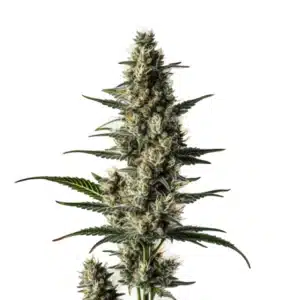
Recommended Strains

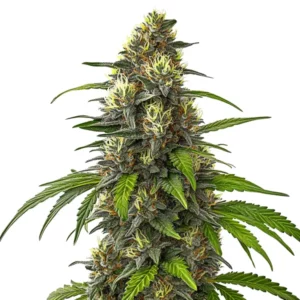
Blue Cheese

|
THC | 16% - 20% (Medium) |

|
Type | Feminized |

|
Yield | High |

|
Phenotype | 80% Indica / 20% Sativa |
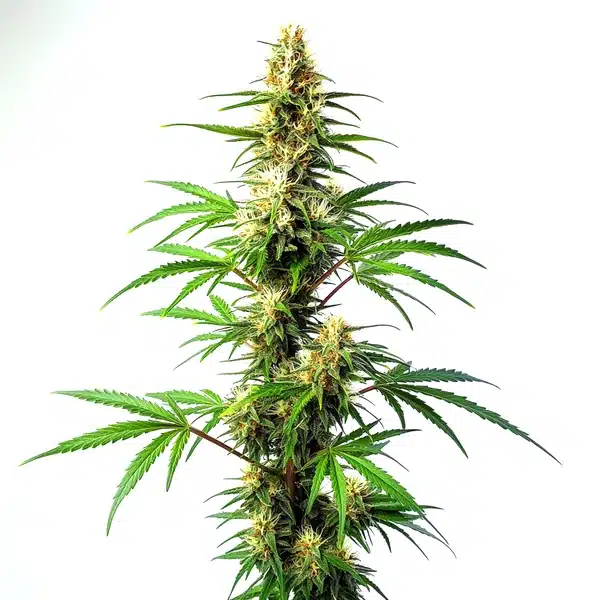
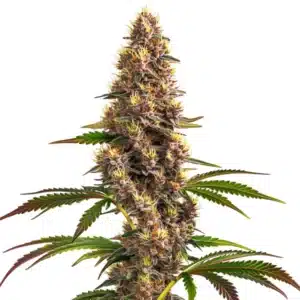
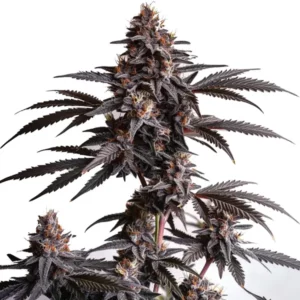
Blue Amnesia Auto
|
|
THC | 17% - 18% (Medium) |
|
|
Type | Autoflowering |
|
|
Yield | Low |
|
|
Phenotype | 40% Indica / 60% Sativa |
Still, it is important to be measured. ‘May help some people relax’ is not the same as a proven, reliable muscle relaxant, and cannabis is not a substitute for medical evaluation or prescribed treatment. This article explains what is known and what is not, but it is general information, not medical advice, and anyone with ongoing muscle problems should see a professional.
| Question | Short answer |
|---|---|
| Is THC a muscle relaxant? | It may help some people relax muscles and ease spasms, but it is not a classic prescription muscle relaxant |
| How might it work? | Via the endocannabinoid system, which influences muscle tone, pain and relaxation |
| THC or CBD? | Both are studied; many prefer balanced THC:CBD for relaxation with less intensity |
| Is it proven? | Some evidence (e.g. MS-related spasticity), but it is not a substitute for medical care |
How THC May Affect Muscles
THC’s effects run through the endocannabinoid system (ECS), a network of receptors involved in regulating pain, mood, inflammation and muscle tone. By acting on CB1 receptors in the nervous system, THC can influence how muscle tension and discomfort are perceived, which may be why some people feel physically relaxed after using it.
The most cited clinical area is spasticity, the involuntary muscle stiffness seen in conditions like multiple sclerosis, where cannabis-based medicines have shown benefit for some patients. Beyond that, much of the evidence for everyday ‘muscle relaxation’ is anecdotal. So THC may help, particularly with the perception of tension and associated pain, but the strength of that effect varies a lot between people.
Promos & Deals
THC vs CBD for Muscle Relaxation
Both THC and CBD are discussed for muscle relaxation, and they behave differently. THC is intoxicating and can produce a strong sense of physical relaxation, but also a high and, for some, anxiety at higher doses. CBD is non-intoxicating and is often chosen for a calmer, clearer experience, with research interest in its anti-inflammatory and soothing potential.
Many people find a balanced THC:CBD ratio useful, aiming for relaxation with less intensity than THC alone. There is no one-size-fits-all answer; the right choice depends on the person, the goal and local legality. As always, this is general information, and a professional can help weigh options for your situation, especially alongside other treatments.
Using Cannabis for Muscle Relief Responsibly
If you and your doctor consider cannabis for muscle tension, basic caution applies: start low, go slow, avoid driving or operating machinery while intoxicated, and be mindful of interactions with other medications. Cannabis should complement, not replace, proper diagnosis and treatment of the underlying cause of muscle problems.
Remember cannabis is not legal everywhere and affects people differently. For related reading, see our guides on terpenes for pain and inflammation, cannabis strains for arthritis, and combining cannabis with ashwagandha. This article is general information, not medical advice.

What to Know Before Trying It
If you are thinking about cannabis for muscle tension, a few things are worth knowing first. Cannabis affects everyone differently, so what relaxes one person may make another anxious or too sedated, especially at higher THC doses. It can also interact with medications and is not suitable for everyone, including some people with heart, mental-health or other conditions.
It is also not a diagnosis. Persistent muscle pain, weakness or spasms can have underlying causes that need proper medical assessment, so cannabis should never replace seeing a professional about what is actually going on. Treat any use as something to discuss with a doctor and approach cautiously, rather than a self-prescribed fix. This is general information, not medical advice.
FAQs
Is THC a muscle relaxant?
THC may help some people relax muscles and ease spasms by acting on the endocannabinoid system, which affects muscle tone and pain. However, it is not a classic prescription muscle relaxant and the everyday evidence is largely anecdotal, with the strongest research around spasticity. It is not a substitute for medical treatment; consult a professional.Is THC legal for medical use?
Does weed help with muscle spasms?
Some people find cannabis eases muscle spasms, and there is clinical evidence for cannabis-based medicines in conditions like MS-related spasticity. For general muscle spasms the evidence is more limited and individual. It may help some, but it is not guaranteed and should be discussed with a doctor, especially alongside other treatments. This is general information, not medical advice.
Should I use THC or CBD for muscle relaxation?
It depends on your preference and goals. THC can give stronger physical relaxation but is intoxicating; CBD is non-intoxicating and often chosen for a calmer, clearer effect. Many people prefer a balanced THC:CBD ratio. There is no universal answer, and a healthcare professional can help you weigh options for your situation and local laws.
How long does THC muscle relaxation last?
It varies with the dose, the person and how it is consumed. Inhaled THC acts within minutes and the effects often last a couple of hours, while edibles take longer to kick in but can last several hours. Individual response differs a lot. This is general information, not medical advice; consult a professional about persistent muscle issues.
Which strains are used for muscle relaxation?
People often choose relaxing indica-leaning or balanced THC:CBD strains for a calming, physical effect, rather than energizing sativas. Response is individual, so what relaxes one person may not suit another. Strain choice, dose and format all matter. Discuss options with a healthcare professional; this is general information, not medical advice.