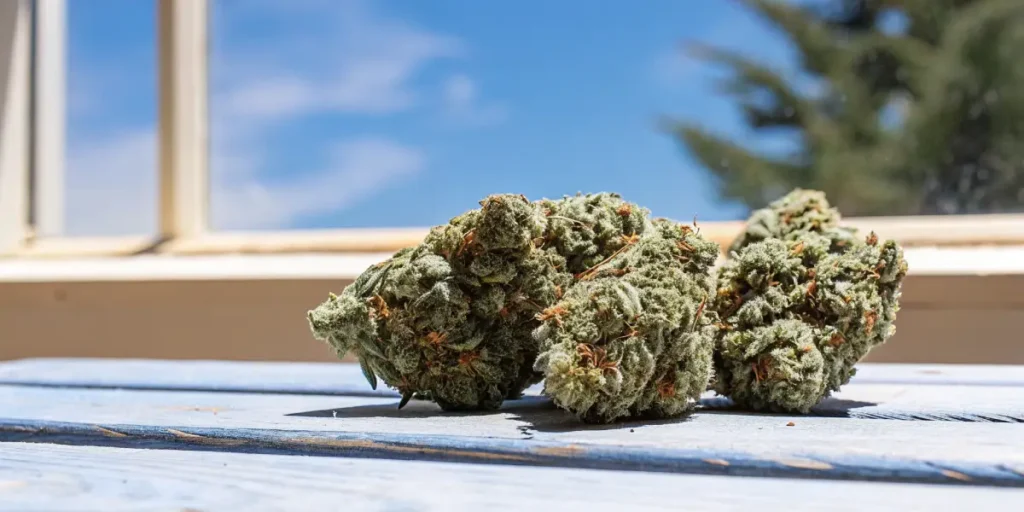
Essential Signs of Microbial Contamination in Cannabis Buds Revealed

Cannabis enthusiasts know that maintaining the quality of their buds is crucial. Microbial contamination can be a silent threat that deteriorates the product. Paying attention to signs of microbial contamination in cannabis buds is essential for both growers and users.
Visible mold on cannabis buds is one of the most unmistakable indicators of contamination. Mold often appears as white, gray, or green fuzz on the surface of the buds. This visual cue signals that the cannabis is unsafe for consumption and should be discarded immediately. Checking your buds regularly is a good practice to prevent any health risks.
Recommended Strains

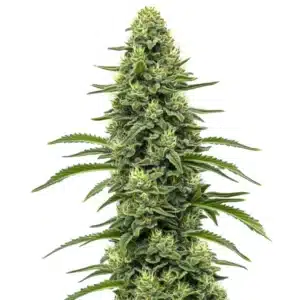
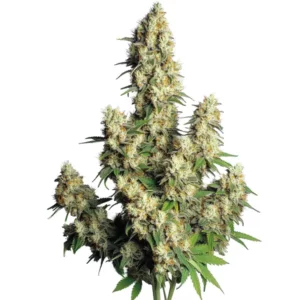
Blue Dream

|
THC | 17% - 24% (High) |

|
Type | Feminized |

|
Yield | High |

|
Phenotype | 50% Indica / 50% Sativa |

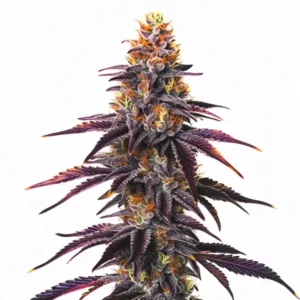
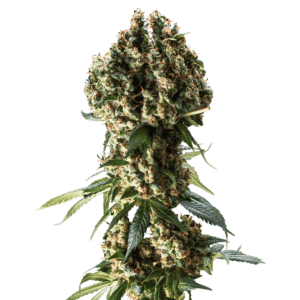
GG4
|
|
THC | 27% (High) |
|
|
Type | Feminized |
|
|
Yield | High |
|
|
Phenotype | 40% Indica / 60% Sativa |
Another telltale sign is an unusual odor in cannabis flowers. A fresh, aromatic scent is what you would expect from high-quality cannabis. However, if your buds emit a musty or sour smell, it’s a warning that microbial activity might be present. This odor is a red flag and suggests checking for further signs of contamination.
Visual Indicators of Contamination
Discoloration in marijuana buds is often a visible indicator of microbial contamination. Healthy cannabis buds have a vibrant green color, sometimes with hints of purple or orange. If you notice dark spots or a dull appearance, it may be a sign of mold or mildew. This is particularly common if the buds have been stored in a humid environment.
Sticky residue on cannabis leaves is another visual sign to watch for. While cannabis naturally has a sticky texture due to its resin, an excessively sticky or slimy feel can indicate a microbial problem. This sticky residue can trap mold spores, leading to further contamination. Regular inspection can help you catch these signs early.
Besides to visible mold on cannabis buds, be mindful of the structural integrity of the bud itself. A compromised structure, where the buds feel brittle or overly compacted, might suggest microbial issues. This can often be a precursor to more severe contamination if not addressed promptly.
Environmental factors can exacerbate the signs of microbial contamination in cannabis buds. For instance, poor ventilation and excessive moisture can accelerate microbial growth, making visual inspections even more critical. Implementing a regular routine for checking your buds can help maintain their safety and quality.
Knowing Different Cannabis Strains
Different strains have unique characteristics that can influence how they react to microbial threats. For example, the strain Blue Dream from Blimburn Seeds is known for its resistance to mildew. However, it is still important to monitor it closely for any signs of microbial contamination in cannabis buds.
The GG4 strain is popular for its potent effects and sticky texture. While its stickiness is a desirable trait, it’s crucial to differentiate between natural stickiness and the sticky residue caused by microbial contamination. Regular checks can help ensure that this beloved strain remains safe.
Not all strains are created equal when it comes to microbial resistance. Some strains might be more susceptible to developing an unusual odor in cannabis flowers, which can be an early warning sign of contamination. Being aware of the strain’s characteristics can assist in identifying these warning signs early.
Blimburn Seeds offers strains with varying levels of resilience, which can be a valuable resource for growers looking to minimize the risks of contamination. Knowing the specific needs and vulnerabilities of each strain can assist in implementing more effective preventive measures.
Promos & Deals


Texture and Odor as Warning Signs
An abnormal texture in cannabis products is a red flag for contamination. Healthy buds should feel slightly sticky and firm. If you notice a spongy or overly soft texture, it might indicate microbial growth. This change in texture can be subtle, so handling your buds regularly and being familiar with their normal feel is beneficial.
Odor plays a significant role in identifying contamination. A musty or ammonia-like smell often accompanies microbial activity. Even if the buds look fine, this odor should not be ignored. It suggests that the cannabis might not be safe for consumption. Always trust your senses when evaluating your stash.
Texture changes can sometimes precede other signs of microbial contamination in cannabis buds. A bud that feels excessively dry or crumbly might be compensating for an underlying microbial issue. This can be particularly concerning if accompanied by other signs like discoloration in marijuana buds.
Similarly, the olfactory experience of cannabis is integral to its quality. An unusual odor in cannabis flowers can interfere with the natural aroma profile, indicating the presence of unwanted microbes. Paying close attention to any shifts in smell can be a simple yet effective way to spot contamination.
Preventive Measures and Best Practices
Prevention is key to avoiding microbial contamination. Store your cannabis in a cool, dry place. Humidity is a primary factor in mold growth, so controlling the environment is crucial. Investing in humidity control packs can help maintain optimal conditions for your cannabis.
Regular inspection of your cannabis is another preventive measure. Take the time to examine your buds for any signs of microbial contamination in cannabis buds. This practice can save you from potential health risks and ensure you enjoy the best quality.
Incorporating airtight storage solutions can significantly reduce the risk of microbial growth. These containers not only protect against external environmental factors but also help in preserving the natural integrity of the buds, including preventing sticky residue on cannabis leaves.
When selecting cannabis strains, opting for those with a natural resistance to mold and mildew can be a proactive step. Blimburn Seeds offers a selection of strains that cater to different preferences while also prioritizing resilience against microbial threats.
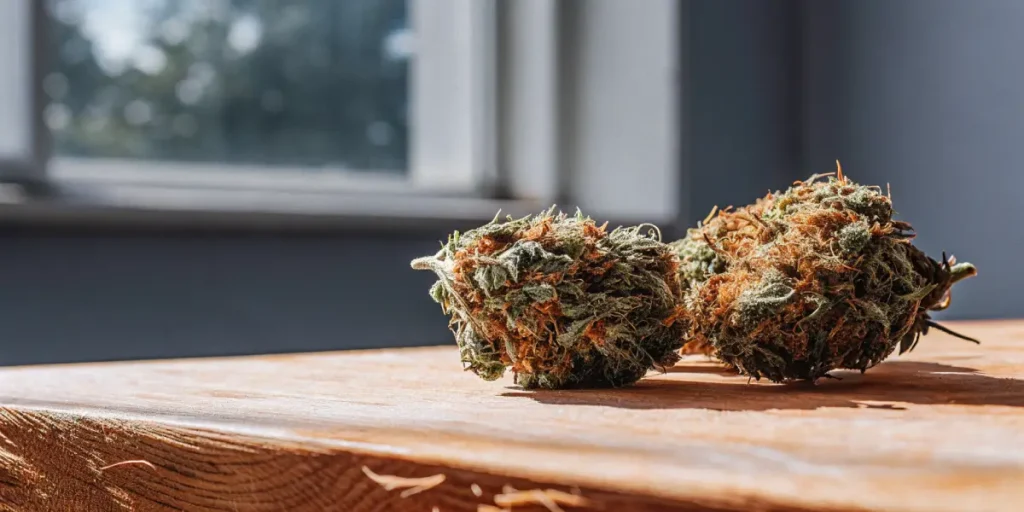
Potential Health Risks of Contaminated Cannabis
Consuming contaminated cannabis poses several health risks. Mold spores can lead to respiratory issues, particularly for individuals with weakened immune systems. Symptoms can range from mild allergic reactions to more severe respiratory distress.
Microbial contamination can also affect the potency and flavor of cannabis. The presence of mold or bacteria can degrade the cannabinoids and terpenes, leading to a less enjoyable experience. Ensuring your cannabis is free from contamination preserves its intended effects and flavors.
Beyond immediate respiratory concerns, long-term exposure to contaminated cannabis can have more serious health implications. Regular exposure to mold spores might exacerbate existing health conditions or contribute to new ones, especially for sensitive individuals.
Maintaining vigilance for signs of microbial contamination in cannabis buds is therefore crucial. By ensuring that only safe and high-quality cannabis is consumed, users can enjoy the therapeutic and recreational benefits without compromising their health.
FAQs about signs of microbial contamination in cannabis buds
What are the common signs of microbial contamination in cannabis buds?
Common signs include visible mold, unusual odors, discoloration, sticky residue, and abnormal texture. Each of these indicators suggests that the buds may have been exposed to harmful microbes. Regular checks can help spot these signs early.
Visible mold on cannabis buds is often easy to identify. It appears as fuzzy patches that can be white, gray, or green. If you notice any of these, it’s best to dispose of the affected buds to prevent health risks.
Recognizing signs of microbial contamination in cannabis buds early can prevent consumption-related health issues. Regularly checking for unusual odor in cannabis flowers and watching for discoloration in marijuana buds can be instrumental in maintaining safety.
By combining visual, tactile, and olfactory checks, cannabis users can create a comprehensive evaluation routine. This proactive approach ensures that any potential contamination is identified before consumption.
How can I prevent microbial contamination in my cannabis?
Prevention involves proper storage and regular inspections. Store your cannabis in a cool, dry place and control humidity levels to prevent mold growth. Using airtight containers can also help maintain a stable environment.
Regularly inspect your buds for any signs of contamination. Handling them gently and being familiar with their normal appearance and scent will make it easier to detect any changes. Choosing resilient strains can also reduce the risk of contamination.
Incorporating preventive measures like humidity control packs can greatly reduce the risk of contamination. These packs help maintain the ideal moisture balance, which is crucial in preventing sticky residue on cannabis leaves and other signs of microbial growth.
Blimburn Seeds offers strains specifically bred for resistance to common microbial threats, providing an additional layer of protection. Selecting such strains can offer peace of mind and help ensure the longevity and quality of your cannabis stash.
Is it safe to consume cannabis with a slight unusual odor?
An unusual odor in cannabis flowers can indicate microbial contamination. Even if the buds appear fine, a musty or sour smell should not be ignored. Consuming contaminated cannabis can lead to health issues.
If you detect an unusual odor, it’s best to err on the side of caution and avoid consuming the affected buds. Always trust your senses when evaluating your cannabis for safety.
Trusting your sense of smell is a key component of identifying contamination. Even a slight unusual odor in cannabis flowers can be an early sign of microbial activity, warranting further inspection and possible disposal.
It’s essential to prioritize safety over consumption, as the risks associated with contaminated cannabis can outweigh the benefits. Discarding any questionable buds is a small price to pay for the assurance of health and well-being.
Why is discoloration in marijuana buds a concern?
Discoloration in marijuana buds suggests that the plant material may be compromised by mold or mildew. Healthy buds should have a vibrant color, and any deviation can be a sign of contamination.
Dark spots or a dull appearance should prompt further inspection. If discoloration is present, it’s advisable to discard the affected buds to prevent potential health risks.
Discoloration can often be accompanied by other signs of microbial contamination in cannabis buds, such as an abnormal texture in cannabis products. Noticing these signs in tandem can reinforce the need for caution and thorough evaluation.
Maintaining a keen eye for changes in color can help in early detection of contamination. By addressing discoloration promptly, users can avoid the compounded effects of microbial exposure and maintain the quality of their cannabis.
What strains from Blimburn Seeds are known for resistance to mildew?
Blimburn Seeds offers several strains known for their resistance to mildew. The Blue Dream strain is particularly noted for its resilience against mildew, making it a popular choice among growers.
Other strains like GG4 and Girl Scout Cookies also offer robust characteristics that can help mitigate the risk of microbial contamination. Choosing the right strain is a proactive step in maintaining cannabis quality.
Exploring the diverse catalog of Blimburn Seeds can provide valuable insights into strains with natural microbial resistance. These strains not only offer appealing effects but also peace of mind when it comes to contamination concerns.
For growers, selecting strains with built-in resistance can simplify the cultivation process, allowing for a focus on other aspects of care. This proactive choice can enhance both the safety and enjoyment of the final product.