Proven Environmental Sources of Cannabis Microbial Contamination

Microbial contamination in cannabis growth can present serious challenges for both novice and veteran cultivators. It is crucial to recognize the environmental sources of cannabis microbial contamination to ensure the safety and quality of your plants. Knowing these elements can safeguard your harvest from potentially harmful microbes that could compromise your health and investment.
In cannabis cultivation mold prevention is a top priority. Mold, bacteria, and other microorganisms can thrive in certain conditions, leading to compromised crops. Recognizing contamination sources in cannabis farming helps growers take proactive steps to mitigate risks. This knowledge is not only beneficial for a healthier plant but also crucial for legal compliance.
Recommended Strains

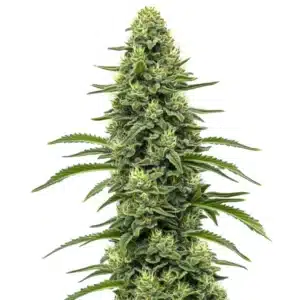
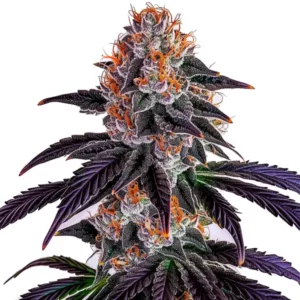
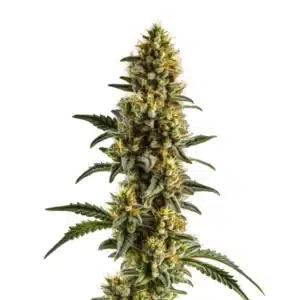
GG4

|
THC | 27% (High) |

|
Type | Feminized |

|
Yield | High |

|
Phenotype | 40% Indica / 60% Sativa |

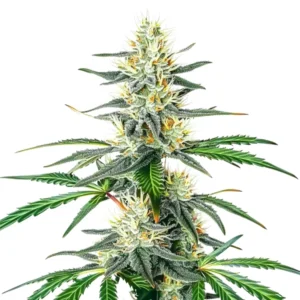
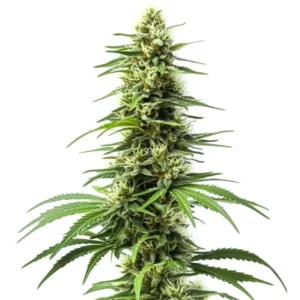
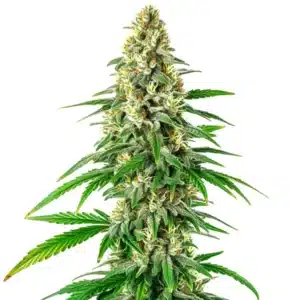
Mamba Negra
|
|
THC | 18% (Medium) |
|
|
Type | Feminized |
|
|
Yield | High |
|
|
Phenotype | 55% Indica / 45% Sativa |
An essential practice in modern cannabis farming is microbial testing for cannabis products. This process ensures that the end product is free from harmful contaminants. However, knowing which environmental factors affecting cannabis safety are most prevalent can help prevent issues before they arise. By controlling these factors, growers can produce superior cannabis strains such as those offered by Blimburn Seeds.
Water: A Key Vector for Microbes
Water is a fundamental component of cannabis cultivation, but it is also a primary vector for microbial contamination. Contaminated water can introduce pathogens to your plants, leading to significant issues. Using untreated water from sources like rivers or ponds can be particularly risky as it may harbor bacteria, fungi, and parasites.
To mitigate this risk, always test your water source. Many growers opt for filtration systems that can effectively remove harmful microorganisms. This is especially important for hydroponic systems where water is the main growing medium. A clean water source is as vital as selecting the right cannabis strain, such as Blimburn Seeds’ Blue Dream, known for its resilience and robust growth.
Ensuring water quality is not only about preventing the introduction of pathogens but also about maintaining the appropriate pH and nutrient levels. Water that is too acidic or alkaline can stress the plants, making them more susceptible to microbial invasion. Regular monitoring and adjustments can ensure that your water supports healthy plant growth.
Moreover, the environmental sources of cannabis microbial contamination often stem from overlooked areas such as water storage tanks and delivery systems. These should be regularly cleaned and maintained to prevent biofilm buildup, which can be a breeding ground for harmful microbes. Implementing a comprehensive water management plan can protect your plants from these hidden threats.
Soil: The Breeding Ground for Microorganisms
Soil is another significant environmental source of cannabis microbial contamination. It naturally contains a multitude of microbes, some beneficial and others harmful. Poor soil management can lead to an imbalance, favoring the growth of harmful pathogens like Fusarium, a notorious soil-borne fungus.
Practicing good soil hygiene is essential. This includes rotating your crops and using sterilized soil when possible. Adding beneficial microbes can also help to outcompete harmful ones. For instance, using compost teas can introduce beneficial bacteria and fungi, promoting a healthy growing environment.
Besides to compost teas, incorporating organic matter such as well-rotted manure or green manure can enhance soil fertility while suppressing harmful pathogens. This creates a robust microbial ecosystem that supports plant health and resilience against environmental sources of cannabis microbial contamination.
It’s also important to test your soil regularly for nutrient levels and microbial activity. Soil testing can reveal imbalances that may predispose plants to disease. By addressing these issues proactively, growers can optimize the conditions for cannabis cultivation mold prevention, leading to more successful harvests.
Promos & Deals
Air Quality and Ventilation
The air in your grow room can also be a significant source of microbial contamination. Molds and spores can travel through the air and settle on your plants. Poor ventilation exacerbates this risk, creating stagnant air conditions where microbes thrive.
Ensuring proper air circulation is crucial. This can be achieved by using fans and ventilation systems to keep air moving. Regularly changing filters in your HVAC systems can also reduce the number of airborne contaminants. A well-ventilated grow room not only prevents microbial buildup but also supports plant health and vigor.
Installing air purifiers equipped with HEPA filters can further enhance your defense against airborne pathogens. These devices capture even the smallest spores and particles, significantly reducing the risk of microbial contamination in cannabis growth. Pairing these with regular air quality assessments ensures a consistently safe environment for your plants.
Besides, controlling humidity levels can prevent the conditions that allow molds and bacteria to flourish. Investing in dehumidifiers and humidifiers to maintain optimal humidity can be a crucial component of your contamination prevention strategy. This balance is vital for preventing the spread of spores and ensuring a healthy cultivation environment.
Equipment and Tools: Hidden Dangers
Tools and equipment used in cannabis farming can inadvertently introduce microbes if not properly sanitized. From pruning shears to pots, any item that comes into contact with your plants can be a potential contamination source.
Always clean your tools before and after use. Using a simple bleach solution or isopropyl alcohol can be effective in killing most microbes. Consistent sanitation practices can significantly reduce the risk of contamination, ensuring your plants remain healthy and productive.
Beyond basic sanitation, implementing a tool management system can further mitigate contamination risks. Designate specific tools for different cultivation areas to prevent cross-contamination between sections. This practice, combined with regular cleaning, minimizes the spread of potential pathogens.
Consider investing in high-quality equipment that is resistant to microbial buildup. Stainless steel tools, for instance, are less prone to harboring bacteria compared to porous materials. By choosing durable and easy-to-clean equipment, you can maintain a cleaner growing environment and support cannabis cultivation mold prevention efforts.
Human Interaction: A Common Oversight
Humans are often overlooked as a source of microbial contamination in cannabis cultivation. We can unknowingly carry microbes on our clothes, skin, and hair, introducing them to the grow environment.
Implementing simple hygiene practices can greatly reduce this risk. Wearing clean clothes, using gloves, and limiting the number of people entering the grow room are effective strategies. Educating team members about these risks ensures everyone is contributing to a contamination-free environment.
Creating a dedicated changing area outside the grow room can further reduce human-induced contamination. By requiring personnel to change into sanitized clothing and shoes before entering, the risk of introducing external pathogens is significantly diminished.
Regular training sessions on contamination sources in cannabis farming can help reinforce the importance of hygiene protocols. By fostering a culture of cleanliness and awareness, you empower your team to actively participate in maintaining a safe and productive grow environment.
Material and Supply Chain Risks
The supply chain for cannabis growing materials can also be a point of contamination. From seed delivery to soil and nutrient supplies, each step involves potential exposure to microbes. It’s essential to source materials from reputable suppliers who adhere to strict quality control measures.
Inspect all materials upon arrival. Look for any signs of mold or moisture which can indicate microbial presence. When possible, quarantine new materials before introducing them to your grow room. This simple step can prevent significant issues down the line.
Establishing a strong relationship with your suppliers can enhance your ability to manage these risks. Regular communication and feedback can ensure that they understand your quality expectations and are committed to meeting them. This partnership is crucial for maintaining high standards in your cultivation practices.
Additionally, implementing a robust tracking system for all incoming materials can help identify the source of any contamination quickly. By keeping detailed records, you can trace potential issues back to their origin, allowing for swift remedial action and preventing future occurrences.
FAQs about environmental sources of cannabis microbial contamination
How does water contamination affect cannabis plants?
Contaminated water can introduce harmful microbes to cannabis plants, leading to diseases that stunt growth or kill the plant. This kind of contamination can be particularly damaging in hydroponic systems where water is the sole growing medium. It’s essential to use clean, filtered water to prevent these issues.
Testing water sources regularly for contaminants and adjusting your filtration systems accordingly can help maintain a healthy growing environment. Many growers invest in reverse osmosis systems to ensure the purity of their water, protecting their plants from potential microbial threats.
Moreover, knowing the environmental factors affecting cannabis safety is crucial when assessing water quality. Different regions may have varying natural contaminants, making it important to tailor your water treatment solutions to address specific local issues.
Consistently reviewing and updating your water management practices can ensure they remain effective against emerging threats. This proactive approach helps safeguard your plants and supports the overall health of your cultivation operations.
Why is soil management important in preventing microbial contamination?
Soil management is crucial because soil naturally houses a wide range of microbes. Without proper management, harmful pathogens can outcompete beneficial organisms, leading to plant diseases. Practices like crop rotation and using sterilized soil help maintain a balanced microbial environment.
Integrating beneficial microbes through amendments like compost teas can also enhance soil health. This approach not only prevents harmful microbial growth but also boosts plant resilience and productivity, resulting in a more successful harvest.
Soil health directly influences the success of your microbial testing for cannabis products. By maintaining a healthy soil ecosystem, you reduce the likelihood of harmful microbes reaching levels that could compromise your plants or end products.
Regularly updating your soil management strategies based on test results and environmental changes can help you stay ahead of potential issues. This dynamic approach ensures that your cultivation practices are always aligned with optimal microbial health standards.
How can ventilation systems reduce microbial contamination?
Ventilation systems play a key role in controlling the air quality of a grow room. By ensuring constant air movement, these systems prevent the buildup of moisture and reduce the concentration of airborne spores and pathogens. This helps maintain a healthier environment for cannabis plants.
Regular maintenance of ventilation systems, such as changing filters and cleaning ducts, is essential to ensure their effectiveness. Properly ventilated spaces also improve plant metabolism and growth, contributing to a more robust harvest.
Besides to mechanical systems, natural ventilation solutions can also be effective. Designing your grow space to maximize natural airflow can reduce reliance on artificial systems and provide a more sustainable air quality solution.
Knowing the environmental sources of cannabis microbial contamination that affect air quality can guide the implementation of targeted ventilation strategies. By addressing these specific threats, you can create a comprehensive plan that ensures optimal air conditions for your plants.
What steps can be taken to prevent human-induced contamination?
Human-induced contamination can be minimized through strict hygiene protocols. This includes wearing clean clothes, using gloves, and limiting access to the grow area. These practices reduce the risk of introducing external microbes into the cultivation space.
Educating all personnel involved in the cultivation process about these risks ensures that everyone is vigilant and proactive in maintaining a contamination-free environment, safeguarding the health of the plants and the quality of the harvest.
Implementing a visitor management system can further control access to sensitive areas. By tracking and limiting who enters the grow room, you can reduce the potential for unexpected microbial exposure.
Additionally, personal hygiene measures such as sanitizing hands and using protective gear can significantly decrease the risk of contamination. Encouraging regular personal hygiene practices among all staff members reinforces a culture of safety and cleanliness.
How can choosing the right cannabis strain help with microbial contamination?
Selecting strains with natural resistance to pests and diseases can be an effective strategy in combating microbial contamination. Strains like those offered by Blimburn Seeds, such as GG4 and Mamba Negra, are known for their resilience and can withstand common microbial challenges.
These strains, when combined with proper cultivation practices, can significantly reduce the risk of microbial contamination. This approach not only ensures a healthier crop but also maximizes the potential yield and quality of the harvest.
Leveraging the genetic strengths of resistant strains allows growers to focus on optimizing other cultivation areas, knowing that their plants have a natural defense against many environmental sources of cannabis microbial contamination.
Furthermore, experimenting with different strains in your specific grow environment can help identify which varieties thrive best under your local conditions. This tailored approach supports both plant health and operational efficiency in your cultivation efforts.