Why PGRs Are Used in Cannabis: Expert Insights & Proven Benefits

Plant Growth Regulators (PGRs) are increasingly becoming a hot topic in cannabis cultivation. For both newcomers and seasoned growers, knowing why PGRs are used in cannabis can make a significant difference in yield and quality. PGRs are chemical substances that influence the growth and differentiation of plant cells. When applied correctly, they offer several benefits, enhancing the overall cultivation process.
Many growers turn to PGRs to improve their cannabis yield. By regulating growth, these compounds ensure that plants develop robustly and efficiently. It’s not just about the size; PGRs also enhance the structure and quality of cannabis flowers. This is crucial for anyone looking to maximize their harvest, whether growing for personal use or commercial purposes.
Recommended Strains

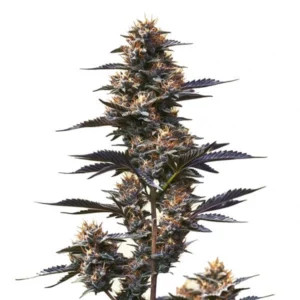
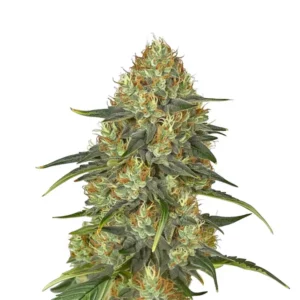
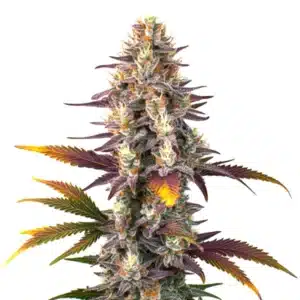
Mamba Negra

|
THC | 18% (Medium) |

|
Type | Feminized |

|
Yield | High |

|
Phenotype | 55% Indica / 45% Sativa |
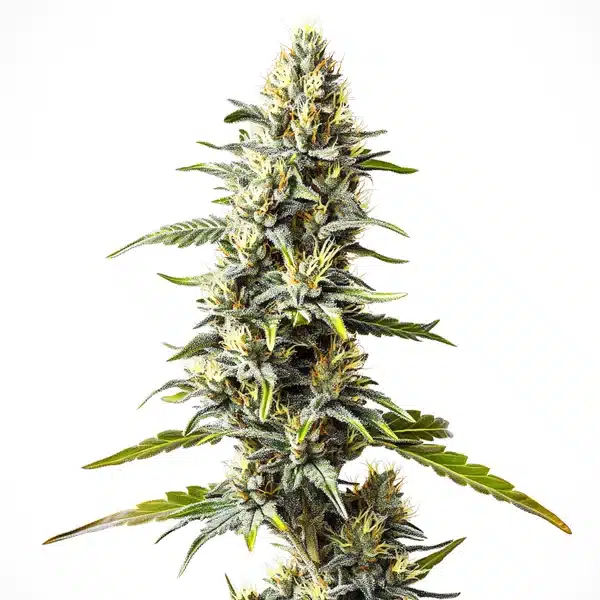
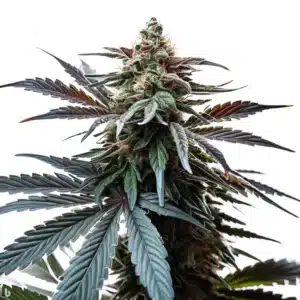
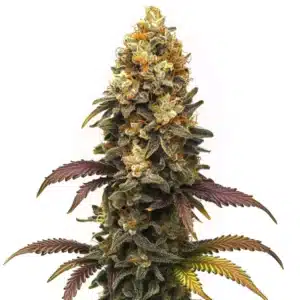
Cream Caramel
|
|
THC | 19% - 24% (High) |
|
|
Type | Feminized |
|
|
Yield | High |
|
|
Phenotype | 90% Indica / 10% Sativa |
For some, the idea of using chemicals might sound daunting. However, when used as directed, PGRs can be a safe and effective tool in your cultivation arsenal. With strains like Blue Dream, Mamba Negra, and Cream Caramel from Blimburn Seeds, PGRs can help you achieve your desired results with ease.
Benefits of PGRs in Cannabis Cultivation
One of the primary benefits of PGRs in cannabis cultivation is their ability to manage plant growth. By influencing cell division and enlargement, PGRs help create uniform plants that are easier to manage. This uniformity is especially beneficial in indoor grows where space is limited.
Moreover, PGRs can boost the resilience of cannabis plants. They enhance the plant’s stress tolerance, making them more resistant to environmental challenges like drought or temperature fluctuations. This resilience can be particularly advantageous for outdoor growers who face unpredictable weather conditions.
Additionally, utilizing PGRs can streamline the entire cultivation process by reducing the time needed for plants to reach maturity. This time efficiency allows growers to produce more cycles within a year, increasing overall profitability. For those focused on the commercial side of cannabis cultivation, this can be a significant advantage.
The benefits of PGRs in cannabis cultivation extend beyond growth management and resilience. They also contribute to a more predictable and consistent product. For cultivators aiming to meet specific market demands or consumer preferences, this consistency is key. By standardizing growth patterns and yields, PGRs enable growers to deliver reliable products batch after batch.
Impact of PGRs on Cannabis Yield
The impact of PGRs on cannabis yield is profound. By fostering a more controlled growth environment, PGRs can significantly increase the number of buds produced by each plant. This means more product without the need for additional plants, which can be a game-changer for both home growers and commercial cultivators.
Certain PGRs can also enhance the weight and density of cannabis flowers. For example, when using strains like Blue Dream, the buds can become denser, offering more value per plant. This density is not just about aesthetics; it often correlates with higher cannabinoid content, thus improving the overall potency of your harvest.
Furthermore, the impact of PGRs on cannabis yield is not limited to quantity alone. Quality is equally enhanced, as PGRs can help maintain optimal nutrient uptake and hormonal balance within the plant. This ensures that each plant reaches its full potential in terms of both size and cannabinoid concentration, maximizing the return on investment for growers.
Given the competitive nature of the cannabis industry, knowing the impact of PGRs on cannabis yield is crucial for maintaining an edge. By optimizing growth and enhancing yields, PGRs allow cultivators to meet rising consumer demands and expand their market presence. This strategic use of PGRs can be a decisive factor in achieving long-term success.
Promos & Deals

Reasons for Using Plant Growth Regulators in Marijuana
There are various reasons for using plant growth regulators in marijuana cultivation. Firstly, they can help manage plant size. In areas with height restrictions, such as indoor grow tents, PGRs can ensure that plants remain compact while still producing a hefty yield.
Furthermore, PGRs can enhance the aesthetic appeal of cannabis plants. They promote a bushier growth pattern, which is often more visually appealing and can make more efficient use of light in indoor setups. This is especially beneficial for strains like Mamba Negra, where visual quality is as important as potency.
Another compelling reason for using plant growth regulators in marijuana is their ability to reduce labor costs. By promoting uniform growth and reducing the need for frequent interventions, PGRs simplify cultivation practices. This can translate into significant savings, particularly for larger operations where labor is a substantial part of production expenses.
Moreover, reasons for using plant growth regulators in marijuana include their potential to accelerate growth cycles. By influencing developmental stages, PGRs can lead to faster turnover rates, allowing cultivators to adapt quickly to market trends and consumer demands. This agility is a valuable asset in an industry known for its rapid evolution.
How PGRs Affect Cannabis Plant Growth
PGRs affect cannabis plant growth in several ways. They can modify the plant’s natural growth cycle, encouraging earlier flowering or vegetative growth. For growers working with time constraints, this can be invaluable, allowing for multiple harvests within a single growing season.
Additionally, PGRs can influence the root-to-shoot ratio. By promoting stronger root systems, plants can absorb nutrients more efficiently, translating into healthier plants and better yields. This is particularly true for strains like Cream Caramel from Blimburn Seeds, which benefit from robust root growth.
Furthermore, knowing how PGRs affect cannabis plant growth involves recognizing their role in stress management. By enhancing the plant’s natural defense mechanisms, PGRs can mitigate the impacts of environmental stressors, ensuring stable growth even in adverse conditions. This can be particularly beneficial for growers dealing with unpredictable climate patterns.
Moreover, PGRs can help optimize photosynthesis by regulating the allocation of resources within the plant. This ensures that energy is directed towards key growth processes, resulting in more vigorous and productive plants. For cultivators looking to maximize efficiency, knowing how PGRs affect cannabis plant growth is essential for achieving optimal outcomes.
PGRs Role in the Cannabis Industry
In the rapidly growing cannabis industry, PGRs play a pivotal role. They allow growers to produce consistent products, an essential factor for commercial success. By ensuring uniformity in growth and yield, PGRs help producers meet consumer expectations consistently.
Moreover, the efficiency offered by PGRs can result in lower production costs. By maximizing yield per plant, growers can reduce the overall number of plants needed, saving on resources like water, nutrients, and space. This efficiency is particularly beneficial in large-scale operations where cost management is crucial.
The function of PGRs in the cannabis industry is also significant in terms of sustainability. By optimizing resource use, PGRs contribute to more environmentally friendly cultivation practices. This aligns with the increasing demand for sustainable and eco-conscious products, positioning growers as responsible industry leaders.
Furthermore, PGRs play a crucial role in research and development within the cannabis industry. As growers seek to innovate and improve strain characteristics, PGRs provide a valuable tool for experimentation and refinement. This ongoing exploration helps advance the industry, ensuring that it continues to evolve and meet the diverse needs of consumers.
FAQs about why PGRs are used in cannabis
What are PGRs?
PGRs, or Plant Growth Regulators, are chemical compounds used to control and influence the growth of plants. They work by mimicking or inhibiting the plant’s natural hormones, thereby affecting processes like cell division, flowering, and fruiting.
In cannabis cultivation, PGRs are used to enhance plant structure, increase yield, and improve resilience. While they offer many benefits, it’s important to use them properly to avoid potential downsides like reduced terpene profiles or overly dense buds.
Knowing what PGRs are and their applications can help cultivators make informed decisions about their use. By selecting the appropriate PGRs for specific strains and growth conditions, growers can optimize their cultivation practices and achieve desired outcomes.
For those new to cannabis growing, learning about what PGRs are and how they function can be a valuable step in mastering advanced cultivation techniques. With the right knowledge, growers can leverage these tools to enhance their plants’ performance and quality.
Are PGRs safe to use in cannabis cultivation?
When used correctly, PGRs are safe for cannabis cultivation. It’s crucial to follow recommended dosages and guidelines to ensure that plants receive the right amount without adverse effects. Overuse can lead to problems such as reduced flavor or excessive bud density.
Growers should always source PGRs from reputable suppliers and remain informed about the types of PGRs they are using. Not all PGRs are suitable for cannabis, so knowing their specific applications is key to safe usage.
Ensuring the safety of PGRs in cannabis cultivation involves ongoing monitoring and testing. By regularly assessing plant health and quality, growers can make adjustments as needed to maintain optimal conditions and prevent any negative effects.
Additionally, knowing the safety profile of various PGRs can help cultivators make informed decisions about their use. By selecting compounds with proven safety records and minimal environmental impact, growers can uphold high standards of quality and responsibility.
Do PGRs affect the quality of cannabis?
PGRs can impact the quality of cannabis, both positively and negatively. While they can enhance yield and plant resilience, over-reliance on PGRs might reduce the plant’s natural terpene and flavor profiles. Balancing their use is essential for maintaining high-quality cannabis.
For strains known for their aroma and flavor, such as Cream Caramel, careful management of PGRs is crucial. By using PGRs judiciously, growers can benefit from increased yields without sacrificing quality.
Knowing how PGRs affect the quality of cannabis is vital for maintaining consumer satisfaction. By monitoring plant responses and adjusting PGR use as needed, cultivators can ensure that their products meet high standards of taste, potency, and aroma.
Moreover, the potential impact of PGRs on cannabis quality highlights the importance of thorough research and testing. By evaluating different PGR formulations and application methods, growers can identify the most effective strategies for enhancing both yield and quality.
Can PGRs be used with all cannabis strains?
While PGRs can be used with many cannabis strains, not all strains respond in the same way. Each strain has unique characteristics, and what works for one may not work for another. It’s important to understand the specific needs of your chosen strain.
For example, some strains like Blue Dream may benefit more from certain PGRs than others. Testing small batches and observing how your plants react can help determine the best approach for each strain.
The question of whether PGRs can be used with all cannabis strains underscores the need for customized cultivation strategies. By tailoring PGR use to the specific traits and requirements of each strain, growers can optimize results and avoid potential issues.
Moreover, knowing the compatibility of PGRs with different cannabis strains involves ongoing learning and experimentation. By staying informed about the latest research and developments, cultivators can refine their techniques and achieve superior outcomes.
How do I apply PGRs to cannabis plants?
Application methods for PGRs can vary, but they are typically applied as a spray or mixed in with the plant’s water supply. It’s important to follow the specific instructions provided for each type of PGR to ensure proper application.
Timing is also critical. Applying PGRs during the right growth phase can maximize their effectiveness. For instance, using them during the vegetative stage can enhance plant structure, while application during flowering can boost bud development.
Knowing how to apply PGRs to cannabis plants effectively involves not only following instructions but also adapting to the unique conditions of your growing environment. By considering factors such as light, temperature, and humidity, growers can fine-tune their application strategies for maximum benefit.
Additionally, learning how to apply PGRs to cannabis plants involves ongoing observation and adjustment. By closely monitoring plant responses and making timely modifications, cultivators can ensure that PGRs are used to their full potential, enhancing growth and yield without compromising quality.