Are PGRs Used in Cannabis Cultivation? The Complete Expert Guide

Plant growth regulators (PGRs) have stirred quite the debate among cannabis cultivators. These chemicals, designed to influence plant growth, are often used to enhance yields and manipulate the plant’s physical characteristics. But are PGRs used in cannabis cultivation widely accepted? Many seasoned growers and newcomers alike seek clarity on this matter.
The use of PGRs in cannabis cultivation is a topic of concern due to their potential impact on both the plant and consumer health. While they might promise increased yields and more compact buds, they can also affect the quality of the final product. It’s crucial to weigh these benefits against possible downsides, especially when it comes to the safety of PGRs in cannabis growth.
Recommended Strains

GG4

|
THC | 27% (High) |

|
Type | Feminized |

|
Yield | High |

|
Phenotype | 40% Indica / 60% Sativa |

Blue Dream
|
|
THC | 17% - 24% (High) |
|
|
Type | Feminized |
|
|
Yield | High |
|
|
Phenotype | 50% Indica / 50% Sativa |
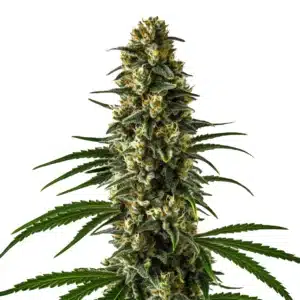
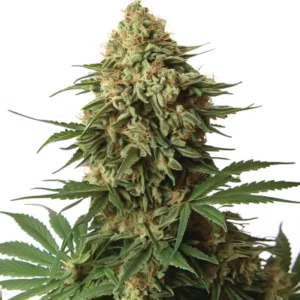
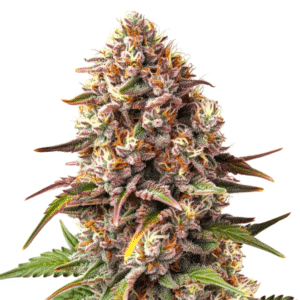
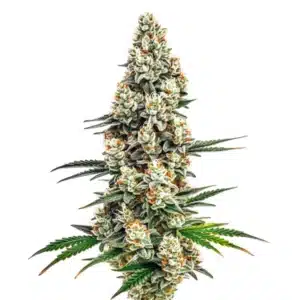
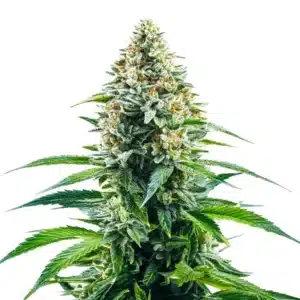
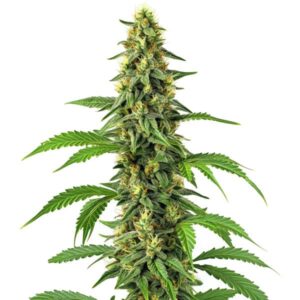
Cannabis strains from Blimburn Seeds such as GG4, renowned for its potency, Blue Dream, popular for its balanced effects, and Girl Scout Cookies, celebrated for its unique flavor, can thrive without PGRs. These strains exemplify how natural cultivation practices can yield exceptional results without compromising quality.
What Are PGRs and How Are They Used in Cannabis Cultivation?
PGRs are chemicals that influence plant growth by modifying their hormonal balance. They’re commonly used in agriculture to control things like flowering time, plant size, and fruit development. In cannabis cultivation, PGRs are often applied to increase yield and improve the plant’s structural characteristics.
However, the question remains: are PGRs used in cannabis cultivation beneficial or harmful? While some growers swear by them for producing denser buds, others raise concerns about their impact on the plant’s natural growth processes. The effects of PGRs on cannabis yield can be significant, but not without potential risks.
PGRs are often favored for their ability to produce visually appealing plants, but this comes with trade-offs. The manipulation of natural growth can lead to a reduction in the plant’s natural resilience, affecting its ability to fend off pests and diseases. This reliance on chemical growth enhancers can sometimes undermine the plant’s natural defenses.
Moreover, the long-term sustainability of using PGRs is questionable. The chemical dependency might lead to soil degradation, impacting future cultivation cycles. Many eco-conscious growers are turning away from PGRs, seeking more sustainable and organic methods that align with environmental stewardship.
Promos & Deals
PGRs Impact on Cannabis Quality
One major concern with using PGRs in cannabis cultivation is their impact on the quality of the final product. Cannabis grown with PGRs may have an altered cannabinoid profile, affecting its potency and overall experience. This can be a downside for those seeking the natural effects of the plant.
The texture and appearance of PGR-treated cannabis often differ from organically grown cannabis. PGRs can lead to denser, heavier buds, which might seem appealing but can sometimes lack the aromatic and flavor qualities that many consumers desire. This distinction is crucial for cultivators aiming to produce premium cannabis.
Knowing how PGRs impact on cannabis quality is essential for those striving to produce a superior product. While they can create a more uniform appearance, the nuanced flavors and scents of cannabis may be diminished, leading to a less satisfying consumer experience. The subtle interplay of terpenes and cannabinoids can be disrupted, altering the plant’s natural profile.
Consumers increasingly demand transparency regarding cultivation practices. Brands like Blimburn Seeds emphasize natural growth, recognizing that informed consumers often prefer products free from synthetic additives. This shift is prompting a reevaluation of PGRs in cannabis cultivation as growers strive to meet evolving market expectations.
Organic Alternatives to PGRs in Cannabis
For those wary of PGRs, there are organic alternatives that can promote healthy cannabis growth without compromising quality. Techniques such as proper pruning, soil management, and the use of natural fertilizers can enhance growth naturally. These methods support a more sustainable approach to cultivation.
Blimburn Seeds offers strains like Blue Dream that respond well to organic cultivation methods. This strain’s natural resilience makes it ideal for growers looking to avoid chemical interventions while still achieving a high-quality yield.
Implementing organic alternatives to PGRs in cannabis not only supports plant health but also contributes to a more sustainable environment. Practices like crop rotation and composting enrich the soil naturally, promoting biodiversity and reducing the need for synthetic inputs. This holistic approach fosters a thriving ecosystem that benefits both the cannabis and the surrounding biota.
Additionally, organic cultivation can enhance the unique characteristics of cannabis strains. The natural environment allows the plant to express its full potential, resulting in a more robust flavor and aroma profile. Growers adopting these methods often find their products stand out in a crowded market, appealing to consumers who value authenticity and purity.
Safety of PGRs in Cannabis Growth
The safety of PGRs in cannabis growth is a hot topic. Some PGRs have been linked to health concerns in humans, especially when inhaled or ingested. This has led to increased scrutiny and regulations within the cannabis industry regarding their use.
For cannabis consumers, knowing whether PGRs were used in the cultivation process is important. Many prefer cannabis grown without these chemicals, associating natural growth with better safety and quality. This consumer preference is driving more growers to pursue organic practices.
The debate over the safety of PGRs in cannabis growth is not just about consumer health but also about environmental impact. The runoff from chemical treatments can contaminate local water sources, affecting wildlife and ecosystems. This environmental consideration is pushing more cultivators to explore safer, more eco-friendly growing methods.
Moreover, the long-term health implications of consuming PGR-treated cannabis are still under investigation. As scientific knowing evolves, so too does the regulatory landscape, underscoring the need for caution and transparency in cultivation practices. Consumers are increasingly empowered to demand products that align with their health and ethical standards.
PGR Regulations in the Cannabis Industry
Regulating PGRs in the cannabis industry is crucial to ensure consumer safety. Different regions have varying laws regarding their use, with some places banning them outright due to potential health risks. Growers need to stay informed about local regulations to avoid penalties.
In places where PGRs are permitted, there are often strict guidelines on their application. This includes limits on the types and amounts of PGRs that can be used. Compliance with these regulations helps maintain product safety and quality standards.
PGR regulations in the cannabis industry are evolving as more research sheds light on their effects. These regulations are designed to protect consumers and the environment, but they also pose challenges for growers who must adapt to changing legal landscapes. Staying informed and compliant is essential for maintaining a successful cultivation operation.
As the industry grows, so does the scrutiny from both regulators and consumers. This increased oversight is prompting a shift towards more transparent practices, with many cultivators voluntarily disclosing their use of PGRs. This transparency builds trust with consumers, enhancing brand reputation and fostering loyalty in an increasingly competitive market.
Effects of PGRs on Cannabis Yield
PGRs can have a noticeable impact on cannabis yields. By manipulating natural growth processes, they can produce larger and more abundant buds. However, this comes at the potential cost of reduced quality, as discussed earlier.
Growers looking to maximize yield might consider PGRs, but it’s important to balance this with consumer demand for quality. Strains like GG4 can achieve impressive yields through careful cultivation practices without the need for synthetic growth regulators.
The effects of PGRs on cannabis yield are undeniable, but they often create a trade-off between quantity and quality. While the immediate visual appeal of larger buds is enticing, discerning consumers may detect a drop in the nuanced flavors and effects they seek. This knowing is crucial for growers aiming to meet high consumer expectations.
Exploring non-chemical approaches to boosting yield can offer a more balanced solution. Techniques such as optimizing lighting, temperature, and humidity can naturally enhance plant productivity. By focusing on these environmental factors, growers can maintain high yields while preserving the intrinsic qualities of their cannabis strains.
FAQs about are PGRs used in cannabis cultivation
Are PGRs used in cannabis cultivation safe for consumers?
While PGRs can enhance growth, their safety for consumers is debated. Some PGRs have been associated with health risks when inhaled or ingested. This concern has led many consumers to prefer cannabis grown without these chemicals, pushing growers to adopt safer practices.
Knowing the potential risks associated with PGRs is essential for both growers and consumers. Opting for cannabis products certified as PGR-free can offer peace of mind regarding safety and quality.
The question of whether PGRs used in cannabis cultivation are safe remains complex. Scientific studies continue to explore the long-term health effects of these chemicals, with some findings suggesting potential risks. This ongoing research highlights the importance of cautious use and adherence to regulatory standards.
For consumers, the choice often boils down to personal preference and risk tolerance. Many are opting for organically grown cannabis, perceiving it as a safer and more natural option. This trend is influencing market dynamics, encouraging growers to prioritize transparency and consumer safety in their cultivation practices.
What organic alternatives to PGRs can improve cannabis growth?
There are several organic methods to boost cannabis growth without PGRs. These include using natural fertilizers, proper pruning techniques, and companion planting. Such practices can enhance plant health and yield while maintaining the natural quality of the cannabis.
Many growers find success with strains like those offered by Blimburn Seeds, which are well-suited for organic cultivation. These methods support sustainable practices and can lead to high-quality cannabis without synthetic additives.
Exploring organic alternatives to PGRs in cannabis not only enhances growth but also supports a more sustainable industry. Techniques such as mulching and the use of beneficial microbes can improve soil health, leading to more vigorous plants and better yields. These methods align with a growing consumer preference for environmentally responsible products.
Furthermore, organic practices often result in a more flavorful and aromatic product. By allowing the plant to grow naturally, cultivators can preserve the unique characteristics of each strain, delivering a product that reflects the full spectrum of its genetic potential. This approach is increasingly valued in a marketplace that prizes authenticity and quality.
How do PGRs affect the quality of cannabis?
PGRs can alter the natural growth of cannabis, potentially impacting the cannabinoid profile and overall quality. While they might produce denser buds, these changes can affect the flavor, aroma, and potency that consumers expect from high-quality cannabis.
Growers focused on quality often avoid PGRs to ensure their products meet the standards that discerning consumers demand. This approach aligns with the increasing preference for naturally grown cannabis.
Examining how PGRs impact on cannabis quality reveals the delicate balance between visual appeal and substance. While denser buds might catch the eye, they can mask a decline in the rich terpene profile that defines a strain’s unique character. This loss of quality can deter consumers who prioritize a full sensory experience.
For cultivators, knowing the full impact of PGRs on cannabis quality is essential. This knowledge can inform decisions that balance the desire for high yields with the need to maintain the integrity of the plant’s natural attributes. As consumer awareness grows, this balance becomes increasingly critical to success in the market.
What are the regulations regarding PGR use in cannabis cultivation?
Regulations on PGR use in cannabis vary by region. Some areas have strict bans due to potential health risks, while others allow limited use under specific guidelines. It’s crucial for growers to stay informed about local laws to maintain compliance.
Adhering to these regulations not only ensures legal operation but also builds trust with consumers who prioritize safety and quality. This is particularly important as awareness and demand for naturally grown cannabis continue to rise.
PGR regulations in the cannabis industry are continually evolving as new information becomes available. This dynamic landscape requires growers to be proactive in knowing both current laws and emerging trends. Staying ahead of regulatory changes can provide a competitive advantage and protect against potential legal challenges.
Besides to legal compliance, transparency about PGR use is becoming a significant factor in consumer choice. Many consumers are keenly aware of cultivation practices and prefer products that align with their values, including safety and environmental responsibility. This shift underscores the importance of clear communication and ethical growing practices.
Can cannabis strains from Blimburn Seeds grow well without PGRs?
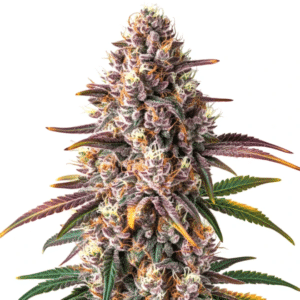
Yes, many strains from Blimburn Seeds such as Durban Poison Autoflower HMC Edition and Purple Lemonade Autoflower HMC Edition thrive without PGRs. These strains are bred for resilience and quality, making them suitable for organic cultivation techniques that enhance their natural characteristics.
By choosing to grow without PGRs, cultivators can produce cannabis that meets high consumer expectations for quality and safety. This approach supports a more sustainable industry and aligns with the values of many modern growers and consumers.
Cultivating Blimburn Seeds strains without PGRs allows growers to harness the full genetic potential of these plants. By focusing on organic methods, they can highlight the distinctive features that make each strain unique. This approach not only satisfies consumer demand for quality but also fosters a more resilient and sustainable growing environment.
Moreover, growing without PGRs can enhance the reputation of a cultivator’s brand, attracting discerning consumers who appreciate transparency and authenticity. This commitment to natural cultivation practices can set a grower apart in an increasingly competitive market, offering a product that is both premium and ethically produced.