Training Staff on Water Activity Testing in Cannabis

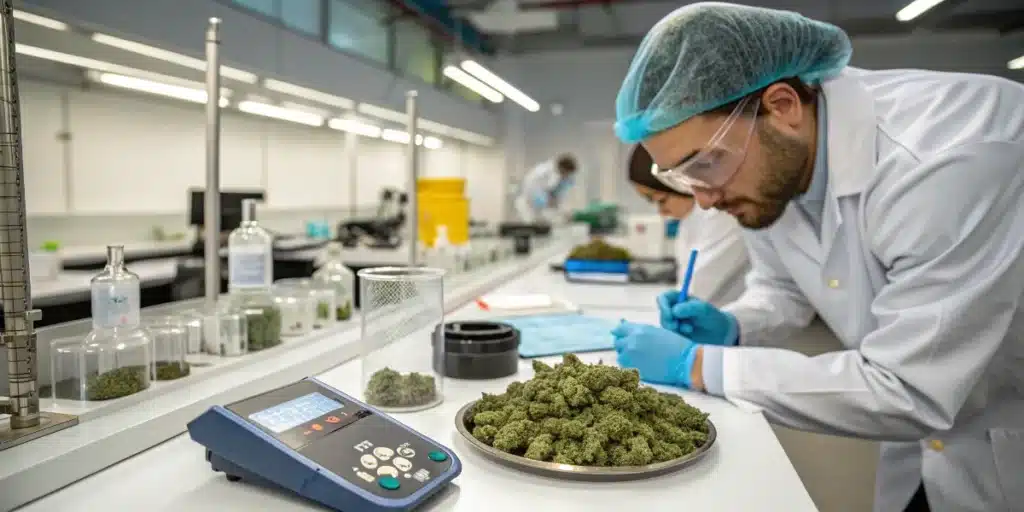
Water activity testing in cannabis: Ensuring optimal water activity in cannabis is vital for maintaining product quality. Water activity measures the free moisture in cannabis, impacting mold growth and product stability. Proper training staff on water activity testing cannabis is essential to maintain these levels, thereby enhancing the overall quality and safety of cannabis products. Equip your team with the necessary skills and tools to achieve this.
Equipping your team with the skills to test water activity in cannabis ensures product stability and safety. Knowing the function of terpenes, such as Myrcene and Limonene, which contribute to the aroma and therapeutic effects, is crucial. Additionally, maintaining the right flowering time, typically 8-9 weeks, helps in achieving optimal cannabinoid profiles.
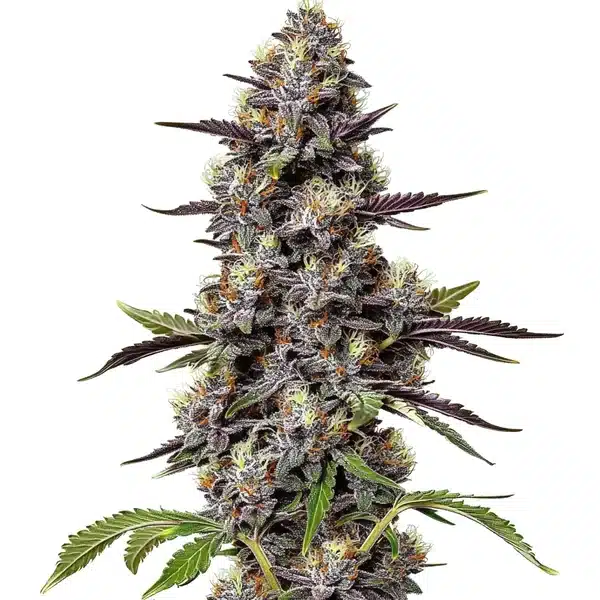
Recommended Strains

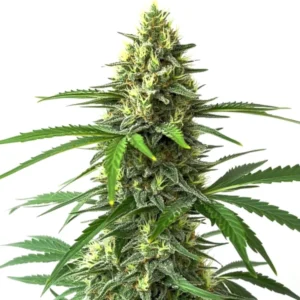
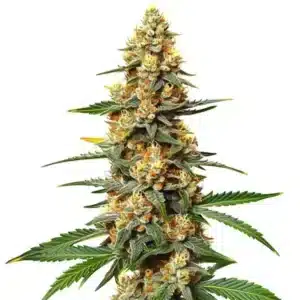
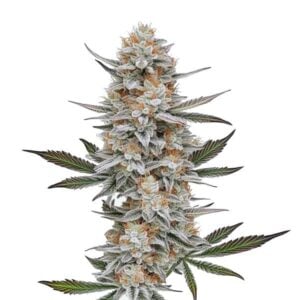
Permanent Marker

|
THC | 32% - 34% (High) |

|
Type | Feminized |

|
Yield | High |

|
Phenotype | 50% Indica / 50% Sativa |
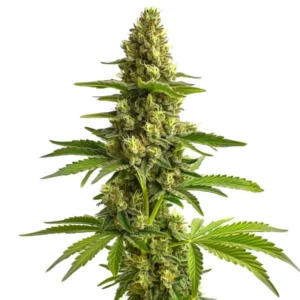
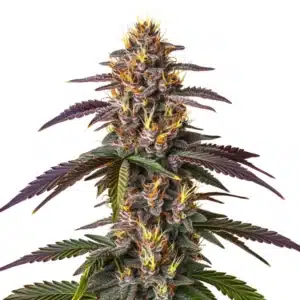
Critical Purple Kush
|
|
THC | 16% - 18% (Medium) |
|
|
Type | Feminized |
|
|
Yield | High |
|
|
Phenotype | 60% Indica / 40% Sativa |
Water Activity in Cannabis
Importance of Water Activity Testing
Water activity testing in cannabis is crucial for preventing mold and ensuring product longevity. By measuring the free moisture content, growers can maintain a balance that discourages microbial growth. Typically, a water activity level of 0.55-0.65 is ideal for cannabis storage, as it minimizes the risk of mold while preserving cannabinoids and terpenes.
Experienced cultivators emphasize the importance of this testing as it directly impacts the shelf life and safety of cannabis products. Maintaining these levels requires precise measurement tools and trained personnel, ensuring that the product remains potent and safe for consumption.
Promos & Deals

Training Staff on Water Activity Testing Cannabis
Essential Skills for Accurate Testing
Training staff on water activity testing cannabis involves knowing the equipment and the science behind moisture control. Staff should be proficient in using digital hygrometers and water activity meters, which provide accurate readings necessary for maintaining quality. Mastery of these tools ensures that cannabis remains within the safe water activity range, preventing spoilage.
Staff should also be trained to interpret the data accurately. This involves knowing the implications of different water activity levels on the product’s quality and safety. Proper training minimizes errors and enhances the reliability of the testing process.
Tools Required for Water Activity Testing
Effective water activity testing requires precise tools. Digital hygrometers and water activity meters are essential for accurate measurements. These devices should be calibrated regularly to ensure their accuracy. Staff training should include hands-on experience with these tools, emphasizing the importance of regular calibration and maintenance.
Using these tools correctly can prevent common mistakes, such as incorrect readings due to uncalibrated equipment. Ensuring that your team is familiar with these tools is crucial for maintaining high-quality standards in cannabis production.
| Feature / Merkmal | Permanent Marker | Bruce Banner X Kali Mist | Critical Purple Kush |
|---|---|---|---|
| THC Content | 32-34% | 20-25% | 16-18% |
| Dominant Terpene | Caryophyllene | Myrcene | Limonene |
| Flavor Profile | Candy, Floral, Sweet | Citrus, Spicy, Woody | Coffee, Earthy, Sweet |
| Effect | Creative, Euphoric, Happy | Energetic, Euphoric, Relaxed | Calming, Relaxed, Sedative |
Step-by-Step Guide to Water Activity Testing
Preparing the Sample
Proper sample preparation is critical for accurate water activity testing. Ensure that the cannabis sample is representative of the batch by selecting buds from different areas. Each sample should weigh approximately 5 grams to provide a reliable reading. This helps in achieving consistent results across different tests.
Once collected, the sample should be placed in a sealed container to prevent moisture loss or gain before testing. This step is crucial to maintaining the integrity of the sample and ensuring that the water activity reading reflects the true state of the cannabis.
Conducting the Test
To conduct a water activity test, place the prepared sample in the water activity meter. Allow the device to stabilize, which typically takes about 5 to 10 minutes. The meter will provide a reading that indicates the water activity level, which should ideally be between 0.55 and 0.65 for cannabis.
Ensure that the testing environment is controlled, with a temperature of 68°F – 77°F (20°C – 25°C), to avoid fluctuations that can affect the reading. This practice ensures the consistency and reliability of the results obtained from the test.
Analyzing Results
Interpreting the results of a water activity test involves comparing the reading to the optimal range. A reading above 0.65 indicates a risk of mold, while below 0.55 can lead to a loss of aroma and potency. Adjust storage conditions accordingly to maintain product quality.
Regular testing and analysis help in maintaining the desired water activity levels, ensuring that the cannabis remains safe and potent. This proactive approach is essential for maintaining the quality of cannabis products over time.
Common Challenges and Solutions in Testing
Troubleshooting Inaccuracies
Inaccuracies in water activity testing can arise from several factors, including uncalibrated equipment or environmental fluctuations. Regular calibration of the water activity meter is essential to ensure accurate readings. This should be done at least once a month or as recommended by the manufacturer.
Environmental conditions, such as humidity and temperature, should be controlled during testing. Use a climate-controlled room to minimize these variables, ensuring that the readings are accurate and reliable. This practice helps in maintaining consistent product quality.
Professional Tips for Water Activity Testing
- Maintain 58-62% RH during storage to preserve terpenes and cannabinoids. Avoid exceeding 65% RH to prevent mold growth.
- Calibrate water activity meters monthly to ensure accurate readings. Inaccurate devices can lead to incorrect assessments.
- Conduct tests in a controlled environment, maintaining 68°F – 77°F (20°C – 25°C) to prevent external factors from affecting results.
- Train staff to interpret data accurately, focusing on the implications of different water activity levels on product quality.
- Use digital hygrometers for precise humidity control, avoiding analog devices that may provide inaccurate readings.
- Regularly review testing protocols to incorporate the latest industry practices, ensuring ongoing product quality and safety.

FAQs on Water Activity Testing
How do you measure water activity in cannabis?
Water activity in cannabis is measured using a water activity meter, which provides a reading of the free moisture content. The ideal range is 0.55-0.65, preventing mold and preserving potency. Ensure the sample is representative and the device is calibrated for accurate results.
What is the 60-60 rule for drying cannabis?
The 60-60 rule for drying cannabis involves maintaining 60% relative humidity and 60°F (15.5°C) temperature. This balance ensures slow drying, preserving terpenes and cannabinoids while preventing mold. Deviating from this can lead to quality loss or spoilage.
How to perform a water activity test?
To perform a water activity test, place a representative cannabis sample in a water activity meter. Allow it to stabilize for 5-10 minutes for an accurate reading. Ensure the environment is controlled to maintain consistency in results.
How do you test for water activity level?
Testing for water activity level involves using a calibrated water activity meter. The sample is placed in the device, which provides a reading indicating the free moisture content. Regular calibration and controlled testing conditions ensure accuracy.
What tools are used to test water activity levels in cannabis?
Tools for testing water activity levels in cannabis include digital hygrometers and water activity meters. These devices provide precise readings of moisture content, essential for maintaining product quality. Calibration and controlled environments enhance accuracy.