Best Aw for Maximum Terpene Retention in Cannabis

Optimal water activity (aw) range: Maintaining a water activity (aw) level between 0.55 and 0.65 is crucial for preserving terpenes in cannabis. This range is often considered the best aw for maximum terpene retention in cannabis, helping prevent terpene degradation during drying and curing while enhancing the flavor and aroma of the final product. Control of aw is essential for growers aiming to produce high-quality cannabis with rich terpene profiles.
Achieving maximum terpene retention in cannabis involves precise control over environmental factors, especially during drying and curing. By focusing on terpene profiles, growers can significantly influence the aromatic and flavor characteristics of their strains. Knowing the role of water activity (aw) in this process is essential for optimizing terpene preservation.
Recommended Strains
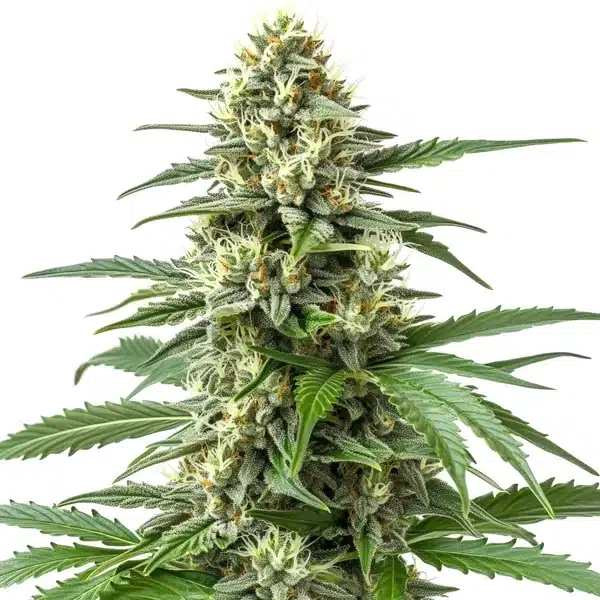
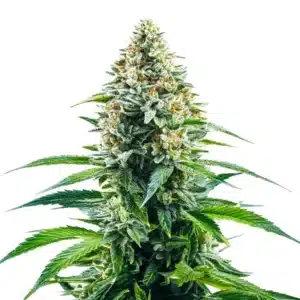
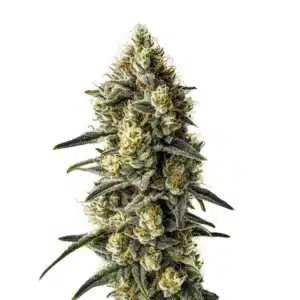
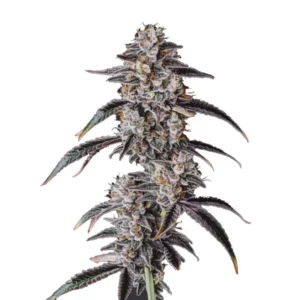
Critical 47 F1

|
THC | 18% - 22% (Medium) |

|
Type | Feminized F1 |

|
Yield | High |

|
Phenotype | 65% Indica / 35% Sativa |

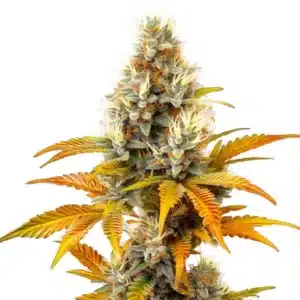
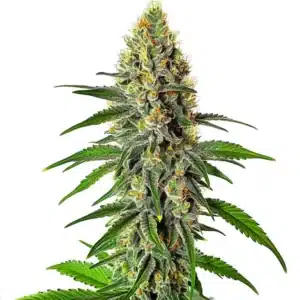
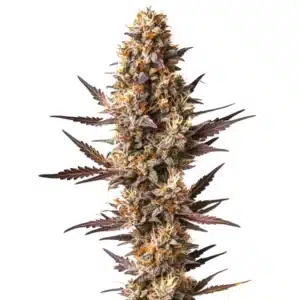
Trainwreck
|
|
THC | 15% - 20% (Medium) |
|
|
Type | Feminized |
|
|
Yield | Medium |
|
|
Phenotype | 20% Indica / 80% Sativa |
Water Activity (Aw) in Cannabis
What is Water Activity (Aw)?
Water activity (aw) refers to the availability of water in a substance, crucial for microbial growth and chemical reactions. In cannabis, aw influences terpene preservation, as terpenes are volatile compounds that can degrade if aw is not properly managed. Maintaining aw levels between 0.55 and 0.65, often considered the best aw for maximum terpene retention in cannabis, ensures that terpenes remain intact during drying and curing.
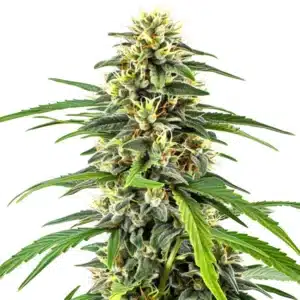
Experienced growers report that controlling aw can prevent mold and mildew, which thrive at aw levels above 0.70. Monitoring aw with precision instruments helps maintain the ideal range, safeguarding the terpene profile of strains like Critical 47 F1 and Cinderella 99 X Tangilope.
How Aw Affects Terpene Retention
Terpenes are sensitive to environmental changes, particularly humidity. When aw levels are too high, terpenes can evaporate or oxidize, diminishing the strain’s aromatic qualities. Conversely, too low aw levels can cause the plant material to become brittle, leading to terpene loss through physical damage.
Many cultivators share that maintaining the correct aw level is akin to balancing a fine art. It requires consistent monitoring and adjustments, especially in varying climates. Using hygrometers and dehumidifiers can aid in achieving the perfect balance, ensuring strains like Trainwreck retain their robust terpene profiles.
Promos & Deals

Techniques to Optimize Aw for Terpene Retention
Best Practices for Drying and Curing
Drying and curing are critical stages in cannabis processing that significantly affect terpene retention. The drying phase should occur at 60-70°F (15-21°C) with a relative humidity of 45-55%. This environment helps in reducing moisture content gradually without shocking the plant material, preserving terpenes.
During curing, maintaining a relative humidity of 58-62% is vital. This range allows terpenes to stabilize within the plant matrix, enhancing flavor and aroma. Growers often use airtight containers to control humidity levels, ensuring that strains like Cherry Pie Og reach their full aromatic potential.
Monitoring Aw Levels
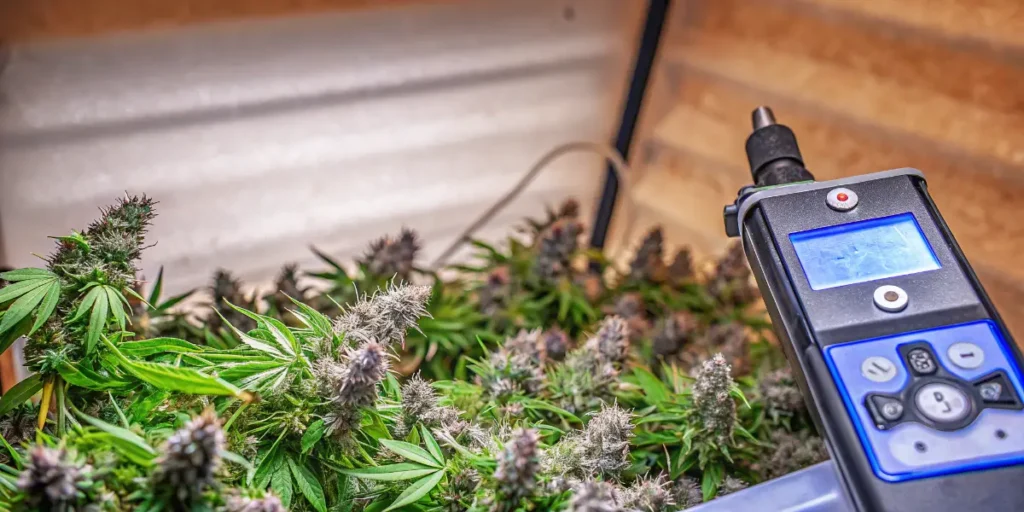
Monitoring aw levels is essential for maintaining terpene integrity. Digital hygrometers provide accurate readings, allowing growers to adjust environmental conditions promptly. Regular checks can prevent conditions that lead to terpene degradation, such as high humidity or excessive dryness.
Master growers have pointed out the importance of using calibrated instruments to avoid inaccuracies. Inaccurate readings can lead to mismanagement of aw, resulting in suboptimal terpene retention. Ensuring equipment is regularly calibrated is a common practice among successful cultivators.
Enhancing Terpene Production
How to Increase Terpenes in Flower
To boost terpenes in cannabis flowers, focus on optimizing environmental conditions. Light intensity plays a significant role; aim for 800-1000 µmol/m²/s during peak flowering. Nutrient management is also crucial—use balanced fertilizers with adequate sulfur, as it is a key element in terpene synthesis. Maintaining the best aw for maximum terpene retention in cannabis is equally important to help preserve aroma, flavor, and overall flower quality after harvest.
Many cultivators share that adjusting the light spectrum to include UVB can enhance terpene production. This mimics natural sunlight, encouraging the plant to produce more aromatic compounds. Ensuring plants receive ample airflow and maintaining optimal temperature ranges further supports terpene development.
Best Terpene Enhancers and Products
Several products are known to enhance terpene profiles, such as Terpinator and other terpene boosters. These products provide essential nutrients that support terpene synthesis, leading to improved flavor and aroma. Terpene sprays can also be used post-harvest to boost aromatic qualities.
Experienced growers recommend using terpene enhancing nutrients during the flowering stage. Products like Terpinator are formulated to increase the concentration of terpenes naturally. However, it’s crucial to follow the manufacturer’s guidelines to avoid nutrient burn or other adverse effects.
Professional Tips for Terpene Retention
- Maintain 58-62% RH during curing. Below 55% can halt terpene development, while above 65% risks mold. Use digital hygrometers for accuracy.
- Use UVB lighting to mimic natural sunlight, which can enhance terpene production by simulating outdoor conditions.
- Apply terpene enhancers like Terpinator during flowering to boost terpene levels naturally, ensuring to follow dosage instructions carefully.
- Ensure proper airflow in growing areas to prevent terpene loss due to stagnant air, which can also lead to mold issues.
- Monitor light intensity to maintain 800-1000 µmol/m²/s for optimal terpene synthesis, avoiding light stress on plants.
- Use airtight containers for curing to maintain stable humidity levels, preventing terpene degradation over time.
FAQs about best aw for maximum terpene retention in cannabis
How can I maximize terpene production in my cannabis plants?
Maximize terpene production by optimizing light intensity to 800-1000 µmol/m²/s and using terpene-enhancing nutrients like Terpinator. Ensure proper airflow and maintain temperatures between 68-77°F (20-25°C). These conditions support terpene synthesis, enhancing the plant’s aromatic profile.
Which cannabis strains are known for the highest terpene content?
Strains like Critical 47 F1, Cherry Pie Og, and Trainwreck are renowned for their high terpene content. They offer rich aromas and flavors, with terpene levels often exceeding 2% of the dry weight.
What is the best time to harvest cannabis for maximum terpene retention?
Harvest cannabis when trichomes are mostly cloudy with some amber, typically 8-9 weeks into flowering. This timing ensures peak terpene levels, preserving the strain’s aromatic qualities. Monitor trichomes closely with a magnifying tool for precision.
What fertilizer makes bigger buds?
Fertilizers with a high phosphorus content, like those with an N:P:K ratio of 1:3:2, promote bigger buds. These nutrients support flower development, enhancing size and density. Ensure balanced feeding to avoid nutrient lockout, which can hinder growth.
Can terpene sprays be used to enhance flavor post-harvest?
Yes, terpene sprays can enhance flavor post-harvest by adding aromatic compounds to cured buds. Apply them sparingly to avoid overpowering natural flavors. Choose high-quality sprays that complement the strain’s profile for best results.