Implementing CAPA for High Water Activity Cannabis Batches

CAPA for high water activity cannabis batches: Implementing a Corrective and Preventive Action (CAPA) plan for cannabis batches with high water activity is crucial to prevent microbial growth and ensure product stability. High water activity can lead to mold and bacteria, compromising quality. By following a structured CAPA process, including regular monitoring and effective preventive measures, you can mitigate risks and maintain cannabis integrity.
High water activity in cannabis poses a risk of microbial growth, affecting both quality and safety. Terpenes play a critical role in aroma and flavor, and their preservation is essential during storage. Managing water activity effectively can enhance the overall quality of your cannabis. Let’s explore how CAPA can help address these challenges.
Recommended Strains
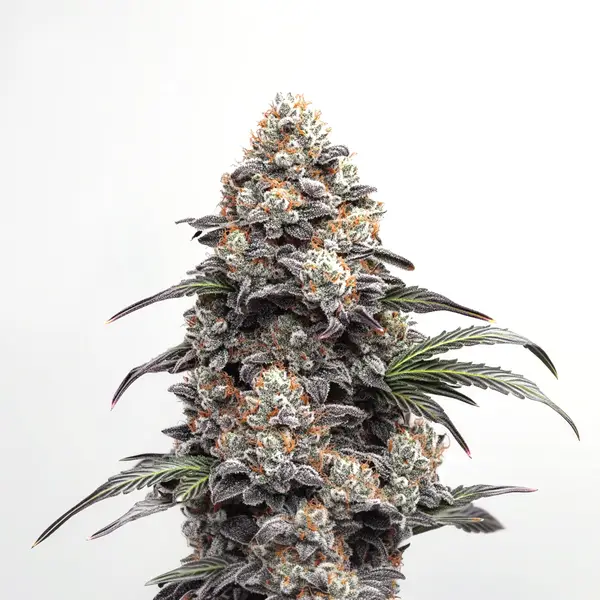
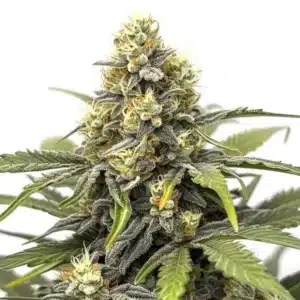
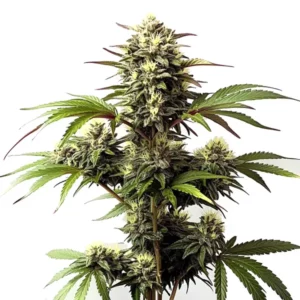
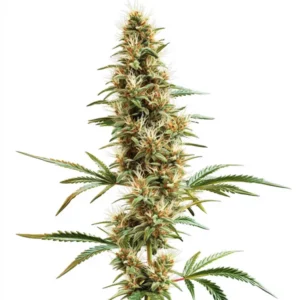
Alien GG

|
THC | 23% - 24% (High) |

|
Type | Feminized |

|
Yield | High |

|
Phenotype | 70% Indica / 30% Sativa |
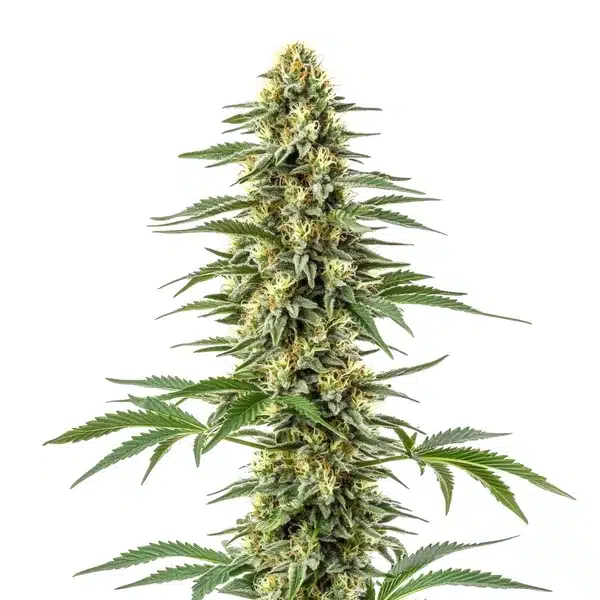
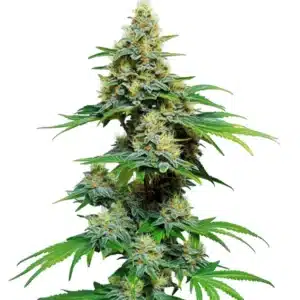
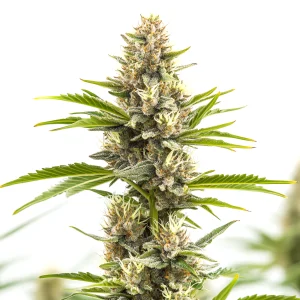
Amnesia Kush
|
|
THC | 15% - 20% (Medium) |
|
|
Type | Feminized |
|
|
Yield | High |
|
|
Phenotype | 30% Indica / 70% Sativa |
Water Activity in Cannabis
How Water Activity is Measured
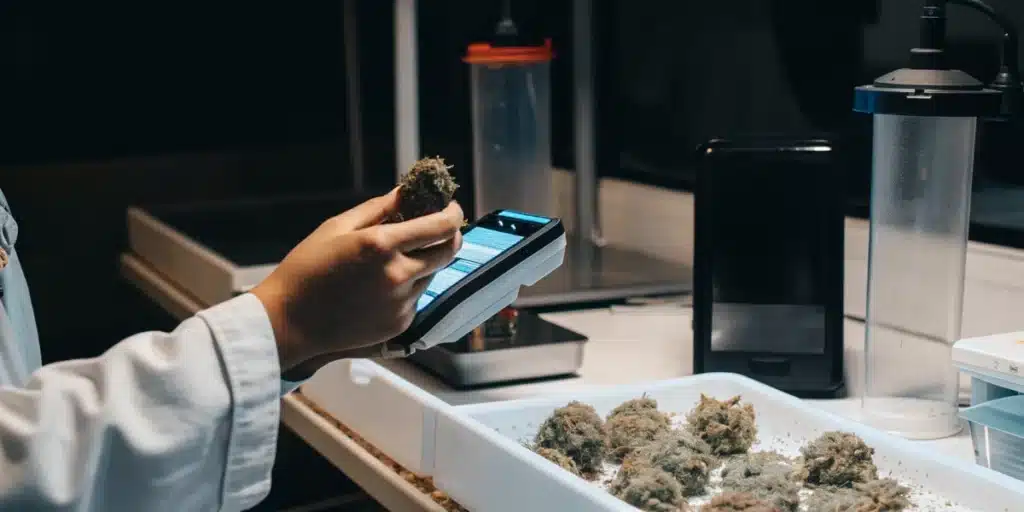
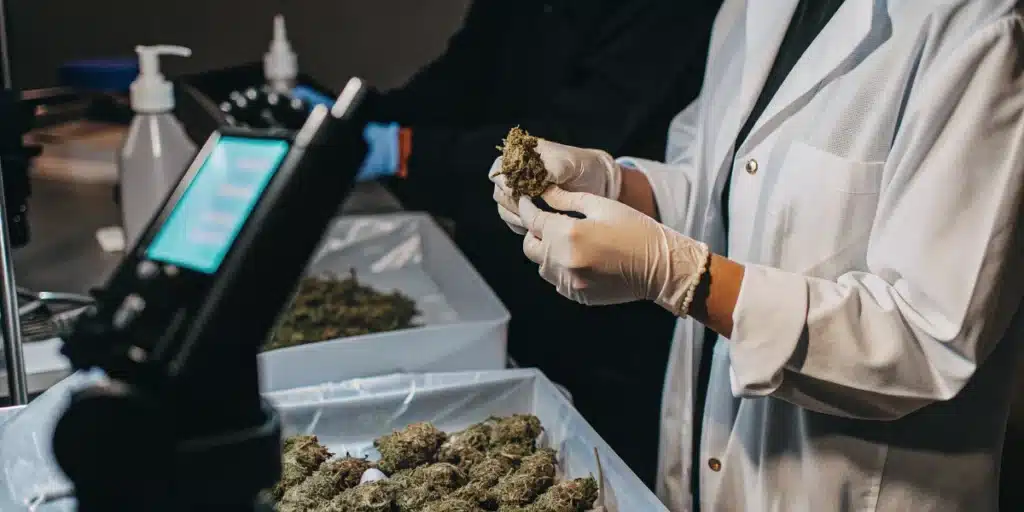
Water activity (aw) in cannabis measures the free moisture available for microbial growth. It is assessed using specialized meters that provide readings between 0.00 and 1.00, where aw values above 0.65 can promote mold and bacterial growth. Maintaining optimal aw levels is critical for preserving the quality and safety of cannabis products.
Experienced growers recommend keeping aw below 0.60 to prevent microbial contamination. This level of control is achieved through precise drying and curing processes, ensuring cannabis remains safe for consumption. Regular monitoring with calibrated digital hygrometers is essential to maintain these standards.
Steps to Develop a CAPA Plan
Developing a CAPA plan involves identifying potential risks associated with high water activity and implementing strategies to mitigate them. Start by conducting a thorough risk assessment to pinpoint areas of concern. Next, establish preventive measures such as controlling humidity and temperature during storage.
Implement corrective actions if deviations occur, such as adjusting drying times or modifying storage conditions. Regularly review and update the CAPA plan to adapt to changing environmental factors and improve product quality. This proactive approach ensures consistent compliance with safety standards.
Promos & Deals

The Importance of CAPA in Cannabis Production
Implementing CAPA for High Water Activity Cannabis Batches
Implementing CAPA for high water activity cannabis batches involves a systematic approach to identify and address potential issues. This includes setting clear objectives, such as maintaining aw below 0.60, and establishing monitoring protocols. Regular audits and staff training are crucial components of an effective CAPA plan.
Many cultivators have signaled that successful CAPA implementation can significantly reduce the incidence of microbial contamination. By prioritizing preventive measures and rapid response to deviations, growers can enhance product quality and consumer safety. This proactive strategy is essential for maintaining competitive advantage in the cannabis market.
Case Studies and Best Practices
Incorporating best practices from industry leaders can enhance CAPA effectiveness. For instance, some cultivators have adopted advanced drying techniques, such as using dehumidifiers to maintain consistent humidity levels. This approach has proven effective in reducing aw and preserving terpene profiles.
Another best practice involves implementing real-time monitoring systems that alert growers to changes in environmental conditions. This allows for immediate corrective actions, minimizing the risk of microbial growth. By learning from successful case studies, you can refine your CAPA strategies and improve overall product quality.
Preventive Measures for Optimal Water Activity
The 60-60 Rule Explained
The 60-60 rule is a guideline for drying cannabis, suggesting a temperature of 60°F (15.5°C) and relative humidity of 60% during the drying phase. This balance helps maintain optimal moisture levels, preventing mold growth while preserving terpenes and cannabinoids.
Adhering to the 60-60 rule ensures a consistent drying process, reducing the risk of microbial contamination. It also enhances the final product’s flavor and potency, making it more appealing to consumers. Implementing this rule requires precise environmental control and regular monitoring.
Expert Tips for Maintaining Water Activity
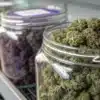
Maintain storage conditions at 58-62% RH to prevent mold and preserve terpenes. Use airtight containers to minimize exposure to air and light, which can degrade cannabinoids. Regularly check humidity levels with a digital hygrometer to ensure optimal conditions.
Consider using desiccants to absorb excess moisture in storage containers. This simple measure can prevent fluctuations in humidity, protecting the quality of your cannabis. Avoid using analog hygrometers, as they may provide inaccurate readings.
| Feature / Merkmal | Amnesia Kush | Alien GG | Blue Dream |
|---|---|---|---|
| THC Content | 15-20% | 23-24% | 17-24% |
| Dominant Terpene | Caryophyllene | Caryophyllene | Linalool |
| Aroma Profile | Citrus, Lemon, Pine, Sweet | Citrus, Herbal, Pine | Berry, Blueberry, Mango, Sweet |
| Effect | Euphoric, Happy, Tingly | Calming, Happy, Relaxed | Happy, Relaxed, Talkative |
| Ideal Use | Daytime | Evening | Anytime |
Professional Tips for Managing Water Activity
- Maintain 58-62% RH during storage to prevent mold. Use airtight containers and digital hygrometers for accuracy.
- Implement the 60-60 rule during drying (60°F and 60% RH) to preserve terpenes and prevent microbial growth.
- Regularly calibrate hygrometers to ensure precise humidity readings. Inaccurate devices can lead to quality issues.
- Use desiccants in storage containers to absorb excess moisture and maintain stable humidity levels.
- Monitor environmental conditions continuously with real-time alert systems to quickly address deviations.
- Train staff on CAPA procedures to ensure consistent application and adherence to quality standards.
FAQs about CAPA for high water activity cannabis batches
How do you measure water activity in cannabis?
Water activity in cannabis is measured using specialized meters that provide a reading between 0.00 and 1.00. These devices assess the free moisture available for microbial growth. Maintaining a water activity below 0.60 is crucial to prevent mold and bacteria, ensuring product safety and quality.
What is the 60-60 rule for drying cannabis?
The 60-60 rule suggests drying cannabis at 60°F (15.5°C) with 60% relative humidity. This balance helps maintain optimal moisture levels, preserving terpenes and cannabinoids while preventing mold growth. Adhering to this rule enhances the final product’s flavor and potency.
Why is water activity 0.6 important?
Maintaining a water activity of 0.6 is crucial because it prevents microbial growth, such as mold and bacteria. At this level, cannabis remains stable and safe for consumption. Deviating above 0.65 can lead to contamination, compromising product quality and safety.
What is the water activity for fungal growth?
Fungal growth in cannabis typically occurs at water activity levels above 0.65. This environment provides sufficient moisture for mold to thrive, leading to potential contamination. Keeping water activity below 0.60 is essential to prevent fungal growth and ensure product safety.
How can CAPA improve cannabis quality?
CAPA improves cannabis quality by systematically identifying and addressing potential risks, such as high water activity. By implementing preventive measures and corrective actions, growers can maintain optimal conditions, reducing microbial contamination and enhancing product integrity.