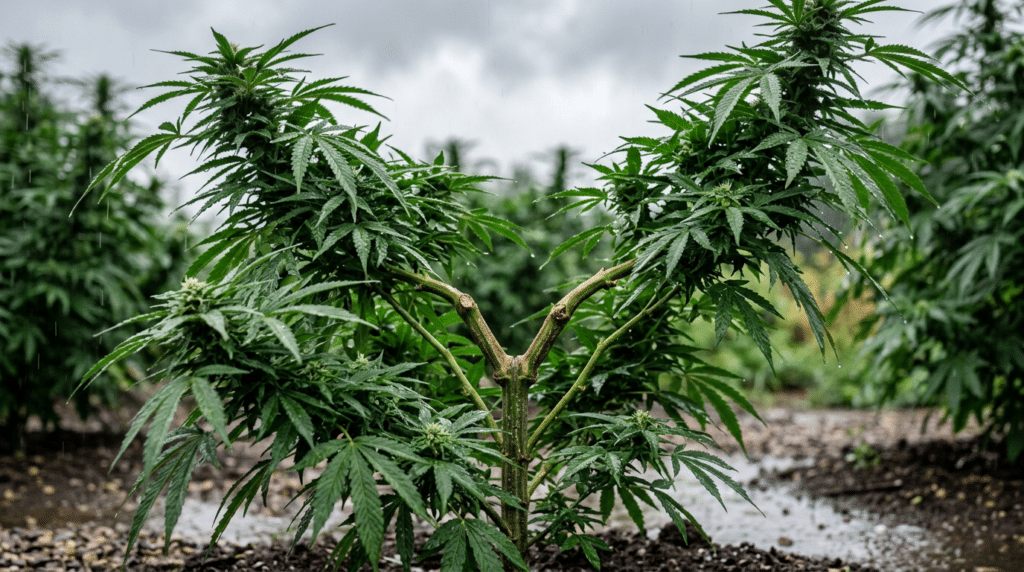
Topped vs Non-Topped Cannabis Outdoors: A Grower’s Perspective

Maximize Outdoor Cannabis Yield: Topping cannabis plants outdoors can significantly boost yield and improve plant structure. By cutting the main stem, growers encourage bushier growth, enhancing sunlight access and airflow. Properly topped plants can yield up to 30% more than untopped ones, making this technique invaluable for outdoor cultivators looking to optimize their harvests.
Outdoor cannabis cultivation thrives with strategic techniques like topping. This method influences terpene profiles, enhancing aromas and flavors. For instance, topped plants often exhibit a richer myrcene content, which contributes to earthy, mango-like undertones. Additionally, topping can alter flowering times, typically extending them by 1-2 weeks, allowing for more robust bud development.
Recommended Strains
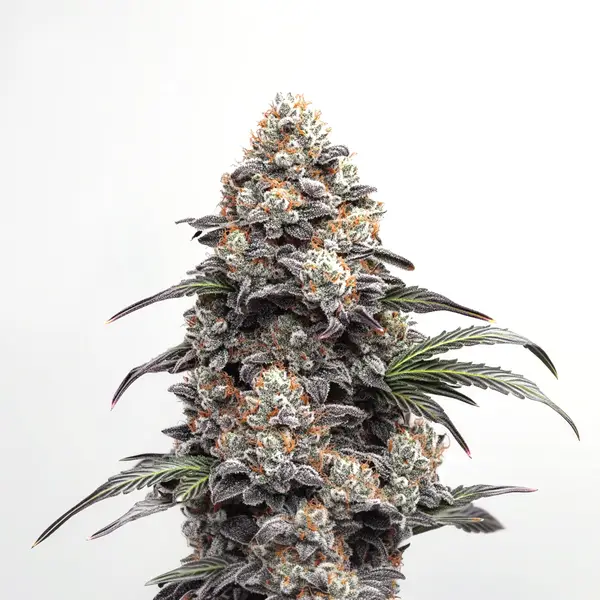


Topping in Outdoor Cannabis
What is Topping?
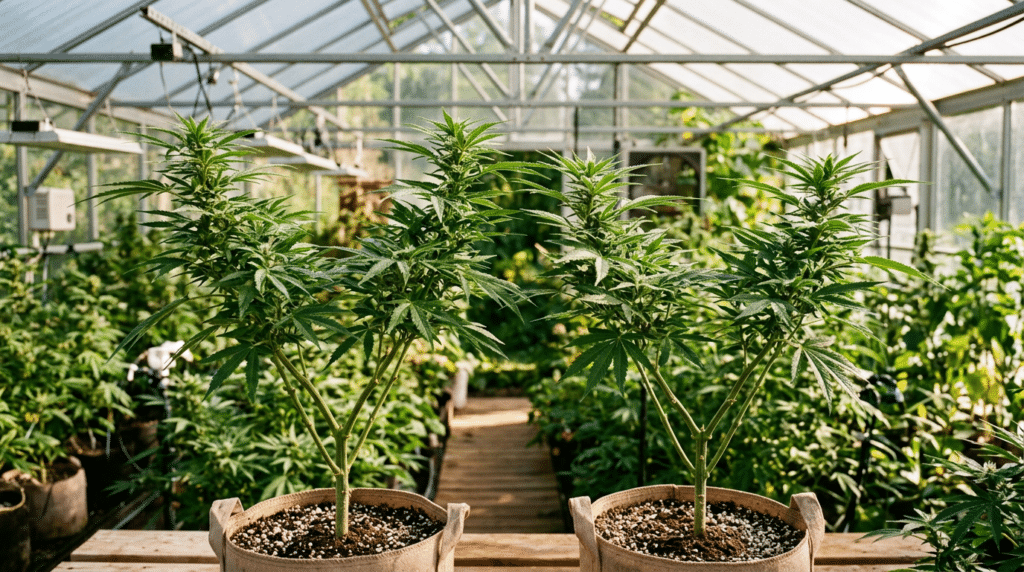
Topping is a horticultural practice where the main stem of a cannabis plant is cut to redirect growth hormones. This process encourages lateral growth, resulting in a bushier plant structure. By doing so, the plant stops focusing energy on a single dominant stalk and instead develops multiple colas, increasing potential yield.
When topping, it’s crucial to wait until the plant has at least four to five nodes. This ensures the plant is strong enough to handle the stress. A clean cut just above a node is essential, as it prevents damage and promotes healthy regrowth.
Benefits of Topping Outdoors
Outdoor environments present unique challenges like uneven light distribution and airflow issues. Topping mitigates these by creating a wider canopy. This allows sunlight to penetrate deeper into the plant, enhancing photosynthesis and boosting growth. Additionally, improved airflow reduces the risk of mold and mildew, common issues in outdoor grows.
By increasing the number of colas, topped plants can yield significantly more. Studies show that topping can double or even triple yields compared to non-topped plants. This makes it an essential technique for maximizing outdoor harvests.
Promos & Deals
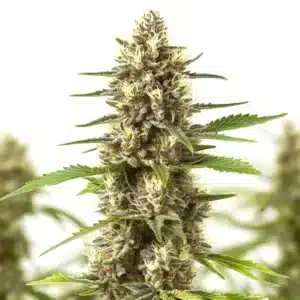
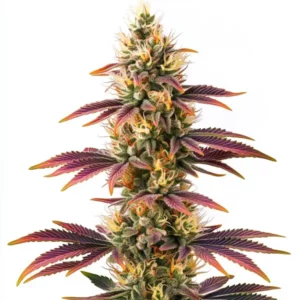
Topped vs Untopped: Key Differences
Yield Comparison
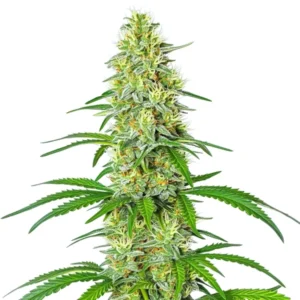
Topped plants often yield more due to their bushier structure, which supports more bud sites. In contrast, untopped plants focus energy on a single main cola, limiting overall bud production. Topped plants can produce 21-25 oz/plant (600-700 g/plant), while untopped ones yield less.
For growers aiming to maximize harvest, topping is a strategic choice. It requires careful timing and execution but pays off with higher yields and better-quality buds.
Growth Patterns
Topped plants exhibit a more compact and bushy growth pattern, ideal for outdoor environments where space and light are at a premium. This structure allows for better light penetration and airflow, crucial for healthy plant development.
Untopped plants, however, grow taller with a single dominant cola, which can lead to shading of lower branches and uneven bud development. This can result in lower yields and increased susceptibility to pests and diseases.
Physiological Impact of Topping
Topping cannabis outdoors not only affects the plant’s physical structure but also its physiological processes. By cutting the main stem, you disrupt the apical dominance, a phenomenon where the main central stem of the plant grows more vigorously than the other side stems. This results in a redistribution of growth hormones, primarily auxins, which stimulate the growth of lateral branches.
Moreover, topped plants have improved transpiration rates due to increased leaf surface area. This enhances the plant’s ability to exchange gases and absorb CO2, crucial for photosynthesis. The increased leaf area also means more stomata, which are tiny openings on the leaf surface that regulate water vapor and gas exchange. This is particularly beneficial in outdoor settings where environmental conditions can fluctuate.
| Feature | GG4 | Blueberry | AK 47 |
|---|---|---|---|
| Yield (Outdoor) | 21-25 oz/plant (600-700 g/plant) | 20-24 oz/plant (570-680 g/plant) | 18-22 oz/plant (510-620 g/plant) |
| THC Content | 25-28% | 20-24% | 22-26% |
| Dominant Terpene | Caryophyllene | Myrcene | Terpinolene |
| Flowering Time | 8-9 weeks | 9-10 weeks | 8-9 weeks |
| Height | 4-6 ft (1.2-1.8 m) | 3-5 ft (0.9-1.5 m) | 4-5 ft (1.2-1.5 m) |
How to Top Outdoor Cannabis Plants
When to Top Your Plants
Topping should be done during the vegetative stage when the plant is actively growing and has at least four to five nodes. The ideal time is when the plant is strong and healthy, typically 3-4 weeks after germination.
Avoid topping during the flowering stage, as it can cause stress and reduce yield. Timing is crucial for successful topping and maximizing plant potential.
Step-by-Step Topping Guide
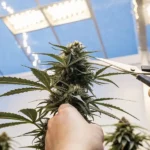
To top your plant, use sterilized scissors or a razor blade to make a clean cut just above the node. This encourages the plant to redirect growth hormones to the side branches, promoting bushier growth.
After topping, monitor the plant closely for signs of stress. Ensure it receives adequate nutrients and water with a pH of 6.5 in soil to support recovery and growth.
Expert Tips for Topping Outdoor Cannabis
- Maintain 60-70% RH during the recovery phase to prevent mold and support healthy regrowth.
- Ensure pH levels are around 6.5 for optimal nutrient uptake post-topping in soil.
- Apply pruning sealant to cuts to prevent infections and pests.
- Space plants adequately to ensure proper light penetration and airflow.
- Monitor for signs of stress and adjust watering schedules accordingly.
- Use a balanced N:P:K ratio of 3:1:2 during vegetative growth to support recovery.
FAQs on Topping Outdoor Cannabis
Does topping actually increase yield?
Yes, topping can increase yield by encouraging bushier growth and more bud sites. Topped plants can yield up to 30% more than untopped ones, making it a valuable technique for maximizing outdoor harvests.
What plants need to be topped?
Plants that benefit from topping include those with a strong main stem and at least four to five nodes. Avoid topping weak or flowering plants, as it can cause stress and reduce yield.
How long does it take for a topped plant to recover?
A topped plant typically takes 10-14 days to recover, during which it redirects energy to new growth. Ensure optimal conditions, like 6.5 pH water and 60-70% RH, to support recovery.
What does it mean to top off plants?
Topping off plants involves cutting the main stem to promote lateral growth. This technique encourages a bushier structure, improving light penetration and airflow, crucial for outdoor cannabis cultivation.
When is the best time to top outdoor cannabis plants?
The best time to top outdoor cannabis plants is during the vegetative stage, around 3-4 weeks after germination. Ensure the plant is healthy and has at least four to five nodes for optimal results.