Proven Cultivar Differences in Heavy Metal Uptake: Expert Insights

When diving into the world of cannabis cultivation, one crucial aspect to consider is how different cultivars interact with their environment. Among these interactions, cultivar differences in heavy metal uptake play a pivotal role. Heavy metals like lead, cadmium, and mercury can be absorbed by plants, affecting both growth and quality. But not all cultivars act the same way when it comes to absorbing these metals.
For instance, some cannabis strains from Blimburn Seeds have shown remarkable variations in how they uptake these metals. This can be due to genetic differences that impact metal absorption efficiency. Whether you’re a first-time buyer or a seasoned grower, knowing these differences can significantly influence your cultivation choices.
Recommended Strains
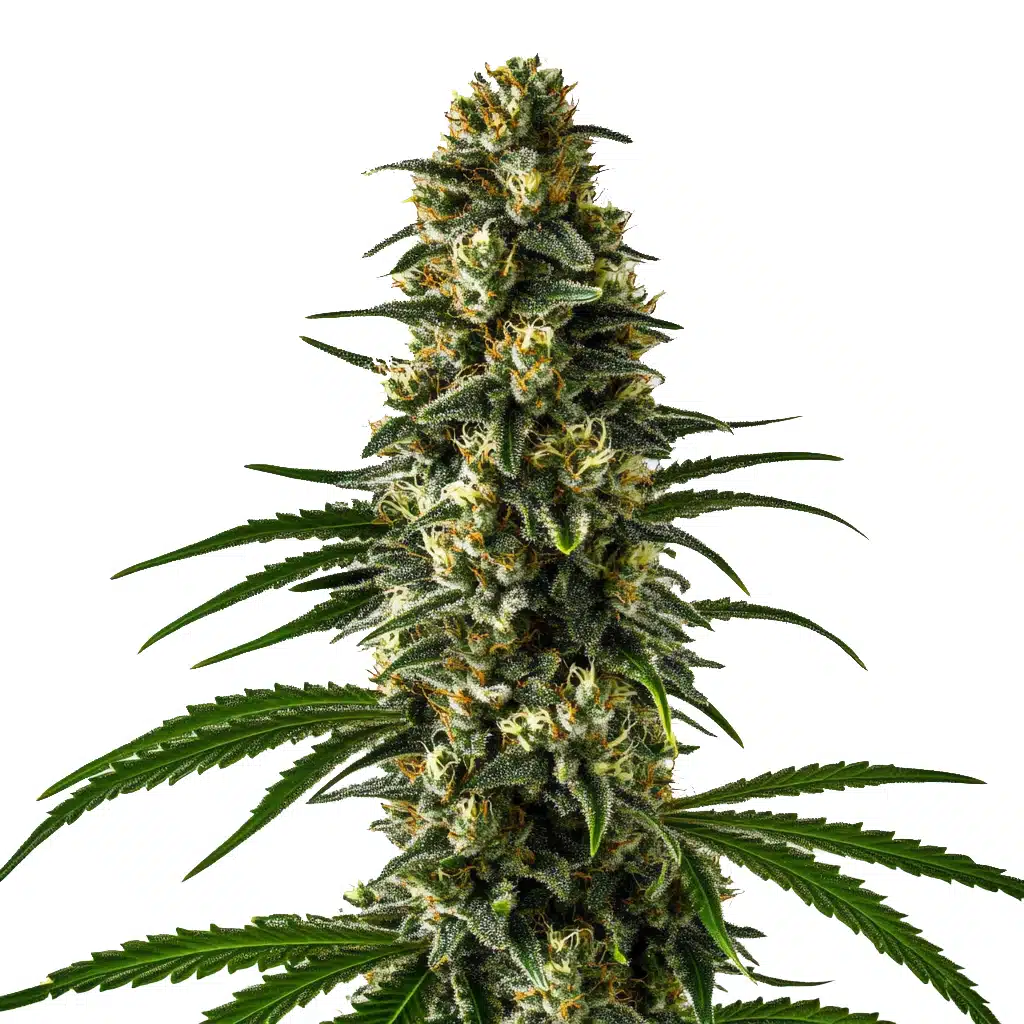
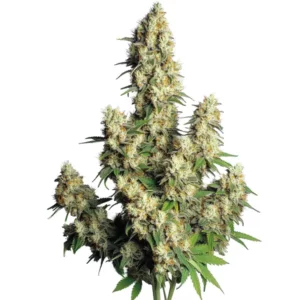
Girl Scout Cookies

|
THC | 18% - 25% (High) |

|
Type | Feminized |

|
Yield | High |

|
Phenotype | 60% Indica / 40% Sativa |
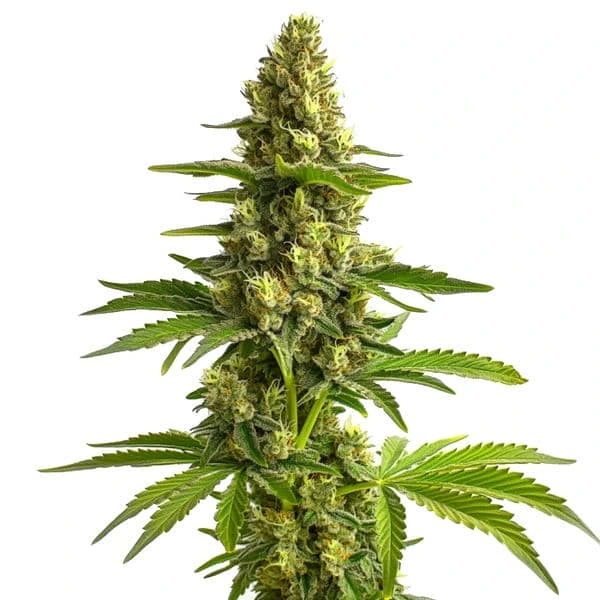
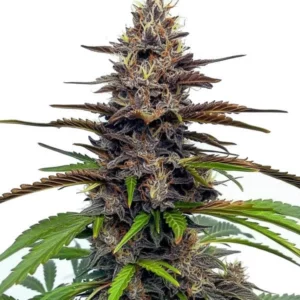
Bruce Banner #3
|
|
THC | 20% - 29% (High) |
|
|
Type | Feminized |
|
|
Yield | High |
|
|
Phenotype | 50% Indica / 50% Sativa |
Let’s take a closer look at how cultivar variations in metal uptake efficiency can impact your growing experience. Whether you’re cultivating for personal use or commercial purposes, knowing which strains to choose can make all the difference.
Factors Influencing Heavy Metal Uptake
Plant cultivar heavy metal absorption is influenced by several factors. These include the genetic makeup of the plant, the soil composition, and environmental conditions. Genetic factors in cultivar metal uptake play a significant role as they determine how a plant interacts with its surroundings.
For example, soil with high levels of heavy metals can lead to increased accumulation in plants. However, certain cultivars may have a natural resistance to absorbing these metals. This is where Blimburn Seeds strains like Mamba Negra can make a difference, as they are bred to thrive in less-than-ideal conditions.
Environmental factors such as temperature, humidity, and sunlight exposure also play a crucial role in plant cultivar heavy metal absorption. Plants under stress from extreme weather conditions may absorb more heavy metals as a defense mechanism. In some cases, growers can mitigate these effects by choosing cultivars specifically bred for resilience in fluctuating environments.
Additionally, agricultural practices such as irrigation, fertilization, and crop rotation can impact the level of heavy metal accumulation in various plant cultivars. By optimizing these practices based on the specific needs of each cultivar, growers can further control the uptake of metals, enhancing both safety and yield quality.
Genetic Factors and Their Impact
Genetic factors are perhaps the most significant influencers of differences in heavy metal uptake among cultivars. Some plants have evolved mechanisms that either limit or enhance metal absorption. This can include root structure, metal-binding proteins, or even the ability to sequester metals in non-toxic forms.
Blimburn Seeds Bruce Banner 3 strain offers a practical example. Known for its resilience, it can absorb fewer heavy metals compared to other strains, making it a safer choice for growers concerned about contamination.
The genetic blueprint of a plant not only dictates its physical characteristics but also its functionality in terms of metal uptake. Specific genes may enable certain strains to produce more metal-binding proteins, reducing the risk of metal toxicity. Knowing these genetic intricacies can help breeders develop new strains with enhanced metal-resistance capabilities.
Furthermore, research into genetic factors in cultivar metal uptake is ongoing, with scientists exploring CRISPR and other gene-editing technologies to potentially create cultivars that exhibit even greater resistance to heavy metals. This cutting-edge research holds promise for the future of cannabis cultivation, offering growers more options and control over their crops.
Promos & Deals
Practical Tips for Growers
Knowing the cultivar differences in heavy metal uptake can greatly benefit your cultivation strategy. Here are some practical tips to get started:
- Test your soil for heavy metal content before choosing your cultivar.
- Consider strains known for low metal uptake, like Blimburn Seeds Girl Scout Cookies.
- Implement soil amendments that can reduce metal availability to plants.
- Use raised beds or containers with clean soil to minimize exposure.
By following these tips, you can ensure a healthier growth environment for your cannabis plants. This not only improves yield but also enhances the safety and quality of your product.
Another effective strategy is to regularly monitor the growth conditions and make adjustments based on real-time data. This could include altering watering schedules, adjusting pH levels, or implementing companion planting techniques that can naturally deter heavy metals from being absorbed.
Educating yourself on the specific needs of each cultivar is also invaluable. Attending workshops or consulting with experts can provide deeper insights into managing cultivar variations in metal uptake efficiency, ultimately leading to more successful cultivation outcomes.
Real-life Examples and Case Studies
To better illustrate the impact of cultivar differences in heavy metal uptake, let’s consider some real-life examples. In an urban setting, where soil contamination is common, choosing a strain like Girl Scout Cookies from Blimburn Seeds can be beneficial. This strain is known for its ability to grow in varied conditions, including soils with higher metal content.
In another case, Mamba Negra has been used in agricultural projects aimed at soil remediation. Its ability to thrive in challenging environments makes it a suitable choice for growers looking to clean up contaminated soils while still producing a viable crop.
Such examples underscore the importance of strategic cultivar selection in mitigating environmental risks. In regions with industrial pollution, for instance, growers might opt for cultivars that naturally exhibit lower heavy metal accumulation in various plant cultivars, thereby ensuring a safer end product.
Furthermore, these case studies highlight the practical applications of scientific research in real-world scenarios. By leveraging insights from both empirical studies and hands-on experience, growers can enhance their methodologies, optimize resource use, and achieve higher standards of product quality and safety.

FAQs about cultivar differences in heavy metal uptake
What are heavy metals, and why are they a concern for cannabis growers?
Heavy metals are elements like lead, cadmium, and mercury that can be toxic to plants and humans. In cannabis cultivation, these metals can be absorbed by the plant, potentially leading to contamination of the final product. This is particularly concerning for medicinal and recreational users who consume the plant.
Knowing the differences in heavy metal uptake among cultivars can help growers select strains that are less prone to absorbing these harmful elements. This not only enhances product safety but also ensures compliance with regulatory standards, which often have strict limits on heavy metal content.
Moreover, heavy metal contamination poses a broader ecological threat, affecting soil health and biodiversity. By focusing on cultivar differences in heavy metal uptake, growers contribute to sustainable cultivation practices that minimize environmental impact and promote ecosystem balance.
Regulatory bodies worldwide are increasingly scrutinizing cannabis products for heavy metal content, making it essential for growers to be proactive. By selecting the right cultivars and implementing robust cultivation practices, growers can navigate these regulatory landscapes with confidence and ensure consumer trust.
How do genetic factors influence heavy metal uptake in cannabis strains?
Genetic factors play a crucial role in determining how a plant interacts with its environment, including its ability to absorb heavy metals. Variations in root structure, metal-binding proteins, and the plant’s overall physiology can all impact metal uptake efficiency.
For example, some strains may naturally exclude certain metals, while others may store them in non-toxic forms. These genetic traits are important for growers to consider, particularly when cultivating in areas with known soil contamination.
The exploration of genetic factors in cultivar metal uptake is an exciting frontier in plant science. Researchers are identifying specific alleles responsible for metal uptake traits, which could lead to breakthroughs in breeding programs aimed at developing new, more resilient cannabis strains.
The interplay between genetics and environment also suggests that even within the same cultivar, some level of variability in metal uptake may exist. This variability underscores the importance of continuous monitoring and adaptation in cultivation practices to achieve desired outcomes.
Can soil amendments help reduce heavy metal uptake in cannabis plants?
Yes, soil amendments can be an effective way to reduce heavy metal uptake. Materials like biochar, lime, and organic matter can bind heavy metals, making them less available to plants. This can be especially useful in areas with high background levels of heavy metals.
By altering the soil’s chemical composition, growers can enhance the natural resistance of certain strains, making it easier to manage metal uptake and ensure healthier plants.
Besides to traditional amendments, innovative solutions such as mycorrhizal fungi and specific bacterial strains are being explored for their potential to improve soil health and reduce metal bioavailability. These biological amendments offer a sustainable approach to managing heavy metal risks in cannabis cultivation.
Implementing a comprehensive soil management plan that incorporates both chemical and biological amendments can lead to significant improvements in plant health and yield. This holistic approach not only addresses heavy metal issues but also promotes overall soil fertility and plant vigor.
Are there specific cannabis strains better suited for contaminated soils?
Yes, some strains are better suited for growing in contaminated soils due to their genetic makeup. For instance, strains like Bruce Banner and Mamba Negra from Blimburn Seeds are known for their resilience in less-than-ideal conditions.
These strains can absorb fewer heavy metals, making them a safer choice for cultivation in areas with known contamination. Selecting these strains can help mitigate risks associated with heavy metal accumulation.
Besides to these well-known strains, ongoing research and breeding programs are continually developing new cultivars with enhanced resistance to heavy metals. These innovations provide growers with more options tailored to specific environmental challenges and cultivation goals.
By staying informed about the latest advancements in cannabis genetics and strain development, growers can make strategic decisions that align with both short-term production needs and long-term sustainability objectives.
How can I test my soil for heavy metal content before planting?
Testing soil for heavy metal content is a crucial step before planting. You can collect soil samples from different areas of your growing site and send them to a laboratory for analysis. These tests will provide a detailed breakdown of metal concentrations in your soil.
Armed with this information, you can choose the most appropriate cultivars and soil amendments for your specific conditions. This proactive approach helps ensure a successful and safe growing season.
Besides to laboratory testing, some growers are utilizing portable soil testing kits that offer rapid assessments of heavy metal levels. While these kits may not provide the comprehensive data of a lab analysis, they can be a useful tool for ongoing monitoring throughout the growing season.
By integrating soil testing into a regular maintenance routine, growers can quickly identify potential issues and make timely adjustments, ensuring optimal conditions for plant growth and minimizing the risk of heavy metal uptake.