Essential Heavy Metals Risk Assessment for Indoor Soil Grows

Indoor soil growing offers many benefits, but it also poses challenges, especially concerning heavy metals contamination. Heavy metals such as lead, cadmium, and mercury can be present in soil and pose serious health risks if they’re absorbed by plants. Knowing heavy metals risk assessment for indoor soil grows is crucial for maintaining a safe cultivation environment.
One practical step is choosing high-quality soil. Many pre-packaged soils are free from contaminants. However, it’s always wise to perform indoor soil safety testing for heavy metals. This ensures that what you’re using is safe for your plants and ultimately, for consumption. Regular testing is essential as even reputable brands may sometimes have batches with contaminants.
Recommended Strains

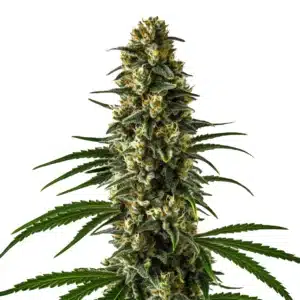
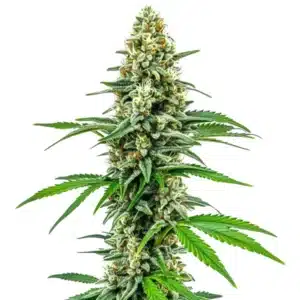
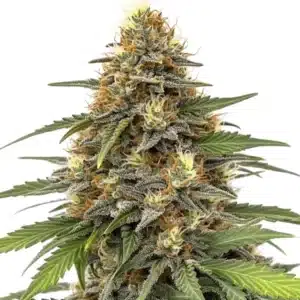
GG4

|
THC | 27% (High) |

|
Type | Feminized |

|
Yield | High |

|
Phenotype | 40% Indica / 60% Sativa |

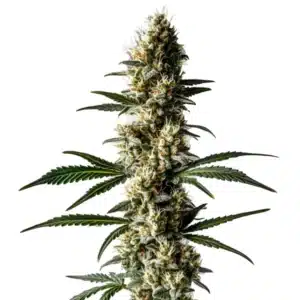
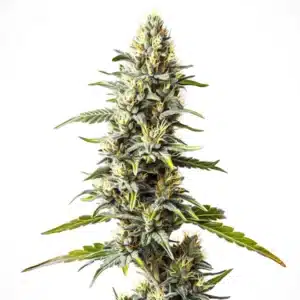
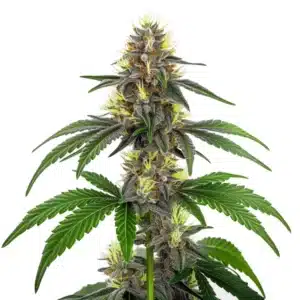
Blue Dream
|
|
THC | 17% - 24% (High) |
|
|
Type | Feminized |
|
|
Yield | High |
|
|
Phenotype | 50% Indica / 50% Sativa |
Another significant factor is the source of water. Tap water, especially from older systems, can contain heavy metals. Using filtered or distilled water can reduce the risk of contamination. This proactive approach helps in evaluating metal toxicity in indoor growing environments effectively.
Identifying Sources of Heavy Metals in Indoor Soil
Heavy metals can come from various sources. Sometimes, the soil itself might be contaminated, especially if sourced from industrial areas. Fertilizers and amendments can also introduce metals into the soil. Therefore, knowing what you’re adding to your soil is crucial.
For many growers, the use of organic fertilizers is appealing. However, even organic options can contain heavy metals. It’s crucial to read labels and opt for products that have been tested for heavy metals contamination in indoor soil gardens. This ensures a safer growing environment for your plants.
Besides to fertilizers, other factors like the type of containers used can contribute to heavy metals contamination in indoor soil gardens. Containers made from certain materials might leach metals into the soil over time. Selecting pots that are certified safe for gardening purposes can help mitigate this risk.
Another often overlooked source of contamination is the air quality within the growing environment. Dust particles or residues from nearby industrial activities can settle on plants and soil, increasing the risk of heavy metal exposure. Implementing air filtration systems can be an effective way to reduce airborne contaminants.
Practical Steps for Reducing Heavy Metal Risks
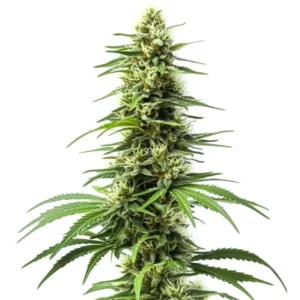
To mitigate heavy metal exposure risks in indoor garden soil, start by choosing the right strains. For instance, Blimburn Seeds offers strains like Blue Dream, which are known to thrive in controlled environments and are less likely to absorb contaminants.
Another practical step is to use raised beds or containers with fresh, tested soil. This way, you avoid using potentially contaminated ground soil. It’s a simple yet effective method of conducting risk assessment for heavy metals in indoor agriculture.
Ensuring proper drainage in your containers can also play a significant role in reducing heavy metal risks. Poor drainage can lead to waterlogging, which may facilitate the uptake of heavy metals by plant roots. Utilizing well-draining soil mixes and ensuring containers have adequate drainage holes can help prevent this issue.
Additionally, introducing crop rotation into your indoor growing schedule can further reduce the risk of heavy metals accumulation. By alternating between different plant species, you can help prevent the depletion of soil nutrients and minimize the potential buildup of contaminants over time.
Promos & Deals
Choosing the Right Cannabis Strains
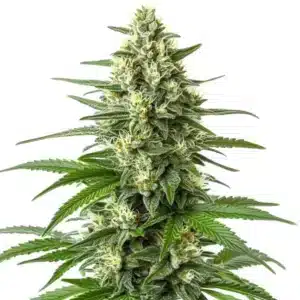
When performing heavy metals risk assessment for indoor soil grows, the choice of cannabis strain is vital. Some strains are more resilient to heavy metals. Strains like GG4 by Blimburn Seeds are popular choices due to their robustness and minimal absorption of soil contaminants.
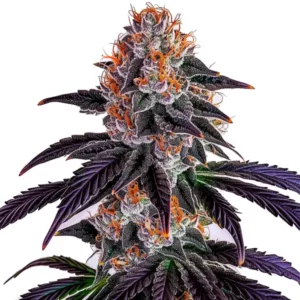
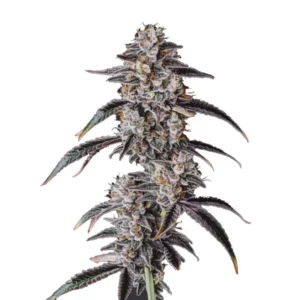
Another strain to consider is Girl Scout Cookies. Known for its adaptability, this strain flourishes in indoor settings where soil conditions are carefully controlled. Its resilience makes it a favorite among both novice and veteran growers.
Aside from their resilience, selecting strains genetically engineered to withstand heavy metal exposure can further enhance your growing success. These strains are often bred to have enhanced resistance to environmental stressors, making them ideal for indoor soil grows.
Moreover, educating yourself on the specific growing requirements and characteristics of each strain can lead to more efficient risk assessment for heavy metals in indoor agriculture. Knowledge of a strain’s nutrient needs, growth cycle, and environmental preferences allows for tailored cultivation practices that prioritize safety.
Monitoring and Maintenance
A consistent monitoring routine is essential. Use soil testing kits available at gardening stores to frequently check for heavy metal levels. These kits are easy to use and give you a clear picture of your soil’s safety status.
Maintaining clean equipment is another overlooked aspect. Tools and containers can accumulate residues that might introduce metals back into the soil. Regular cleaning ensures that your growing environment remains uncontaminated.
Implementing a comprehensive record-keeping system can further enhance monitoring efforts. By documenting test results, soil amendments, and any changes in plant health, you can identify patterns and potential issues related to heavy metals contamination in indoor soil gardens.
Utilizing technology, such as smart sensors and monitoring apps, can also provide real-time data on soil conditions and metal toxicity levels. This allows for timely interventions and adjustments to cultivation practices, ensuring a safer growing environment.
Common Mistakes and Prevention
One common mistake is neglecting the pH level of the soil. Improper pH can increase the uptake of heavy metals by plants. Regularly testing and adjusting the pH can prevent this issue.
Another pitfall is over-reliance on fertilizers. While fertilizers boost plant growth, excessive use can lead to heavy metal build-up in the soil. Balancing fertilization routines is key to minimizing risks.
Ignoring the importance of proper ventilation can also exacerbate heavy metal exposure risks in indoor garden soil. Without adequate airflow, contaminants can become trapped within the growing environment, increasing the likelihood of plant exposure.
Additionally, failing to regularly inspect and maintain irrigation systems may lead to water contamination. Ensuring that pipes and filters are clean and in good working condition can prevent the introduction of metals through water sources.
- Test soil and water frequently for heavy metals.
- Opt for organic fertilizers tested for contaminants.
- Rotate soil periodically to reduce contaminant accumulation.
- Choose cannabis strains known for resilience to metal absorption.
- Maintain clean gardening tools and equipment.
FAQs about heavy metals risk assessment for indoor soil grows
What is the importance of heavy metals risk assessment for indoor soil grows?
Heavy metals risk assessment for indoor soil grows is crucial because these metals, such as lead and cadmium, can be harmful to both plants and humans. By assessing the risks, growers can ensure the safety of their crops and avoid potential health hazards associated with contaminated produce.
Performing this assessment helps in identifying potential sources of contamination such as soil, water, and fertilizers. It allows growers to implement strategies to mitigate these risks, ensuring a healthy growing environment that is safe for consumption.
Moreover, regular risk assessments can enhance the quality and yield of crops by promoting optimal soil health. By addressing any detected issues promptly, growers can maintain productive indoor grows that meet safety standards.
In light of increasing regulations and consumer awareness, conducting thorough heavy metals risk assessment for indoor soil grows also provides an assurance of transparency and commitment to safe agricultural practices.
How can I test for heavy metals contamination in indoor soil gardens?
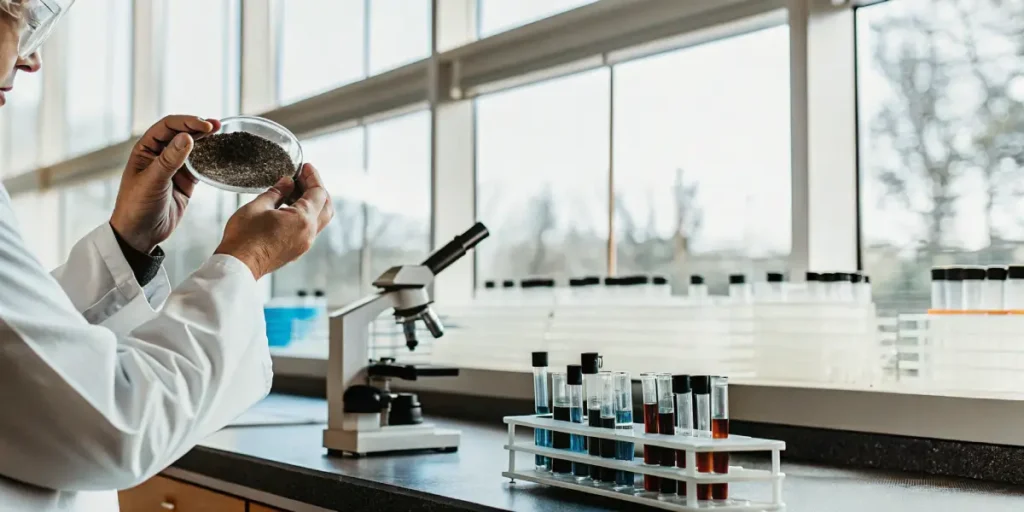
Testing for heavy metals contamination in indoor soil gardens can be done using soil testing kits available at gardening stores. These kits are simple to use and provide results that help in determining the presence of heavy metals like lead, mercury, and cadmium in your soil.
Additionally, some growers choose to send soil samples to professional laboratories for a more detailed analysis. This method offers comprehensive results and can guide growers in making informed decisions about soil amendments and fertilizers.
Laboratory testing may also include recommendations for mitigating contamination, such as adjusting soil pH or introducing specific soil amendments known to reduce metal uptake.
Regardless of the method chosen, regular indoor soil safety testing for heavy metals remains a fundamental aspect of ensuring a healthy and productive growing environment.
What precautions should I take to reduce heavy metal exposure risks in indoor garden soil?
To reduce heavy metal exposure risks in indoor garden soil, start by sourcing clean, tested soil and using filtered water for irrigation. Avoid using fertilizers that have not been tested for heavy metals, and regularly test your soil to monitor its safety.
Additionally, choose resilient cannabis strains like those from Blimburn Seeds, which are less prone to absorb heavy metals. Implementing good cultivation practices, such as regular soil rotation and equipment cleaning, also plays a vital role in minimizing risks.
Consider integrating organic matter into your soil to improve its structure and nutrient content, which can help reduce metal uptake by plants. Organic matter can bind to heavy metals, making them less available to plant roots.
Furthermore, educating yourself and staying updated on best practices for indoor growing can enhance your ability to manage and mitigate heavy metal exposure risks effectively.
How often should indoor soil safety testing for heavy metals be conducted?
It’s advisable to conduct indoor soil safety testing for heavy metals at least once a year. However, if you notice changes in plant health or introduce new soil or amendments, more frequent testing may be necessary to ensure ongoing safety.
Regular testing helps in early detection of any contamination, allowing for prompt corrective measures. This proactive approach ensures a continuous safe environment for indoor growing, protecting both plants and consumers.
In high-risk areas or environments with known contamination issues, bi-annual or quarterly testing might be warranted. This increased frequency can provide peace of mind and ensure that any potential issues are addressed swiftly.
Ultimately, the frequency of indoor soil safety testing for heavy metals should align with your specific growing conditions and risk factors, balancing cost with the need for reliable safety assurance.
Which cannabis strains are best for minimizing heavy metals absorption in indoor soil grows?
Strains like Blue Dream, GG4, and Girl Scout Cookies from Blimburn Seeds are noted for their resilience and minimal absorption of heavy metals. These strains are well-suited for indoor grows where soil conditions can be closely monitored and controlled.
Choosing the right strain is an effective strategy in heavy metals risk assessment for indoor soil grows. These particular strains not only thrive in controlled environments but also offer peace of mind with their reduced risk of heavy metal uptake.
Experimenting with different strains can also provide valuable insights into how various plants respond to soil conditions, allowing for more informed decisions about cultivation techniques and risk assessment for heavy metals in indoor agriculture.
By maintaining a diverse range of strains, growers can capitalize on the unique strengths of each, optimizing their indoor grows for safety, productivity, and quality.