Essential Heavy Metals Risk Assessment for Outdoor Cannabis Grows

Growing cannabis outdoors can be a rewarding experience, but it comes with its own set of challenges. One major concern is the presence of heavy metals in the soil, which makes a proper heavy metals risk assessment for outdoor cannabis grows essential for any cultivator. These metals can be harmful to your plants and, ultimately, to the consumers of the cannabis. Heavy metals like lead, cadmium, and arsenic can be present in the soil and become concentrated in your plants if not properly managed.
Conducting a heavy metals risk assessment for outdoor cannabis grows is crucial. It helps identify potential hazards and allows growers to take preventive measures. By knowing the soil contamination analysis in cannabis cultivation, you can ensure that your plants are safe and healthy. This involves more than just testing the soil; it includes ongoing monitoring and implementing mitigation strategies.
Recommended Strains

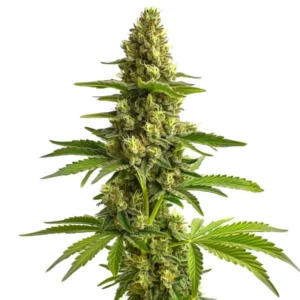
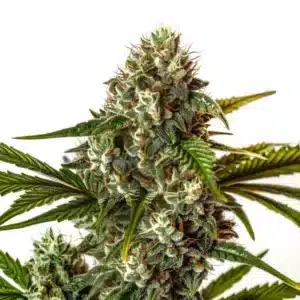
Purple Haze

|
THC | 14% - 18% (Medium) |

|
Type | Feminized |

|
Yield | Medium |

|
Phenotype | 40% Indica / 60% Sativa |

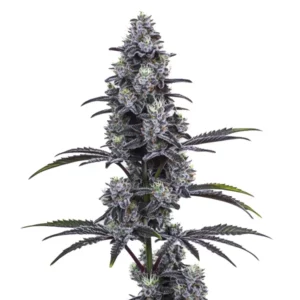
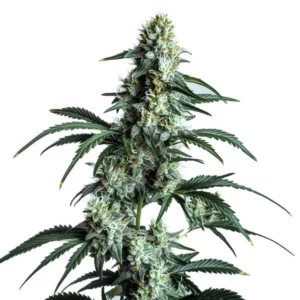
Sour Diesel
|
|
THC | 22% - 25% (High) |
|
|
Type | Feminized |
|
|
Yield | High |
|
|
Phenotype | 30% Indica / 70% Sativa |
For instance, certain cannabis strains have shown resilience against heavy metal uptake. Blimburn Seeds offers varieties like Sour Diesel, which is known for its robust nature. Choosing the right strain can be part of your strategy to manage the risks associated with heavy metals.
Soil Contamination Analysis in Cannabis Cultivation
The first step in assessing heavy metals risk is analyzing the soil where you plan to grow. Soil contamination analysis in cannabis cultivation involves collecting soil samples and testing them for metal content. This gives you a baseline knowing of what is in your soil.
Testing protocols can vary, but generally, you’ll want to send your samples to a lab specializing in heavy metal testing protocols for outdoor cannabis. These labs will provide detailed results, indicating which metals are present and at what levels. This information is vital for making informed decisions about how to proceed with your grow.
Beyond just providing a snapshot of your soil’s current condition, soil contamination analysis in cannabis cultivation can reveal trends in heavy metal accumulation over time. By comparing results from different growing seasons, growers can better understand how changes in agricultural or environmental practices impact soil quality. This ongoing analysis is a cornerstone of a comprehensive heavy metals risk assessment for outdoor cannabis grows.
Furthermore, the insights gained from soil contamination analysis can inform broader environmental management strategies. Knowing how heavy metals move through the soil and potentially into water systems can guide community-level efforts to mitigate pollution. Collaboration with agricultural experts and environmental scientists can enhance the effectiveness of these strategies and promote sustainable cannabis cultivation practices.
Importance of Regular Soil Testing
Regular soil testing is not just a one-time activity. It’s an ongoing process that helps you monitor changes and potential contamination over time. Seasonal changes, agricultural run-off, and industrial pollution can introduce new contaminants to your soil.
For example, if you decide to plant a new batch of seeds from Blimburn Seeds, like the high-yielding Bruce Banner 3, knowing the current state of your soil can inform how you prepare and amend it. This proactive approach helps in maintaining a healthy growing environment.
Moreover, regular testing can help you track the effectiveness of any mitigation strategies you’ve implemented. If certain metals are consistently high, it may be necessary to change your approach or consider relocating your grow site.
Regular soil testing allows for early detection of potential issues, minimizing the environmental impact of heavy metals in cannabis farming. This preventative measure not only protects the health of your plants but also aligns with sustainable farming practices by preventing further contamination. By committing to consistent soil testing, you contribute to a more responsible approach to cannabis cultivation.
Promos & Deals

Environmental Impact of Heavy Metals in Cannabis Farming
The environmental impact of heavy metals in cannabis farming is significant. Not only do these metals affect the health of your plants, but they also have broader ecological consequences. Heavy metals can leach into the groundwater, affecting local water supplies and ecosystems.
Knowing the broader environmental impact can guide your cultivation practices. For instance, Blimburn Seeds Purple Haze is not only a resilient strain but also one that can thrive in diverse conditions. Choosing strains like this can be part of an eco-friendly approach to mitigate environmental damage.
Heavy metals in the environment can disrupt local wildlife and plant species, leading to decreased biodiversity. This ripple effect can compromise the integrity of ecosystems, making it vital for growers to consider these impacts during the heavy metals risk assessment for outdoor cannabis grows. Implementing eco-conscious practices can help mitigate such risks.
Incorporating sustainable farming practices, such as crop rotation and using organic fertilizers, can reduce the environmental load of heavy metals. These practices not only improve soil health but also enhance the long-term viability of cannabis cultivation areas. By considering the environmental impact of heavy metals in cannabis farming, growers can become stewards of the land, promoting a healthier planet.
Mitigation Strategies for Heavy Metals in Outdoor Cannabis Gardens
Once you’ve identified the presence of heavy metals, implementing mitigation strategies is crucial. One effective strategy is phytoremediation, which involves using plants to absorb and remove contaminants from the soil. Certain plants are particularly efficient at extracting heavy metals.
Another approach involves soil amendments. Adding materials like lime or biochar can help immobilize heavy metals, reducing their availability to cannabis plants. This can be particularly useful if you are growing strains from Blimburn Seeds that are sensitive to metal uptake.
Additionally, proper drainage and irrigation practices can prevent heavy metals from accumulating in your soil. Ensuring your garden has adequate water flow and avoiding the use of contaminated water sources can significantly reduce risks.
Educating yourself on the best mitigation strategies for heavy metals in outdoor cannabis gardens is essential. This includes knowing the benefits and limitations of each method and selecting the most appropriate for your specific growing conditions. Collaboration with soil scientists and agricultural experts can further enhance the effectiveness of your mitigation efforts.
Heavy Metal Testing Protocols for Outdoor Cannabis
Following established heavy metal testing protocols for outdoor cannabis ensures accuracy and reliability in your results. These protocols typically involve standardized procedures for sample collection, handling, and analysis.
Accurate testing requires clean, uncontaminated equipment to avoid skewing results. When collecting soil samples, use clean tools and containers. Seal samples properly to maintain their integrity during transport to the testing facility.
Implementing stringent heavy metal testing protocols for outdoor cannabis is not only about compliance; it is about ensuring consumer safety and product quality. By adhering to these protocols, you safeguard your investment and maintain a reputation for producing safe, high-quality cannabis products.
Testing protocols are continually being refined and updated as new technologies and research emerge. Staying informed about these advancements ensures that your testing methods remain cutting-edge, providing the most accurate assessment of heavy metals in your cannabis grow. Partnering with reputable labs that specialize in cannabis testing is crucial for obtaining reliable results.
Implementing Testing Protocols
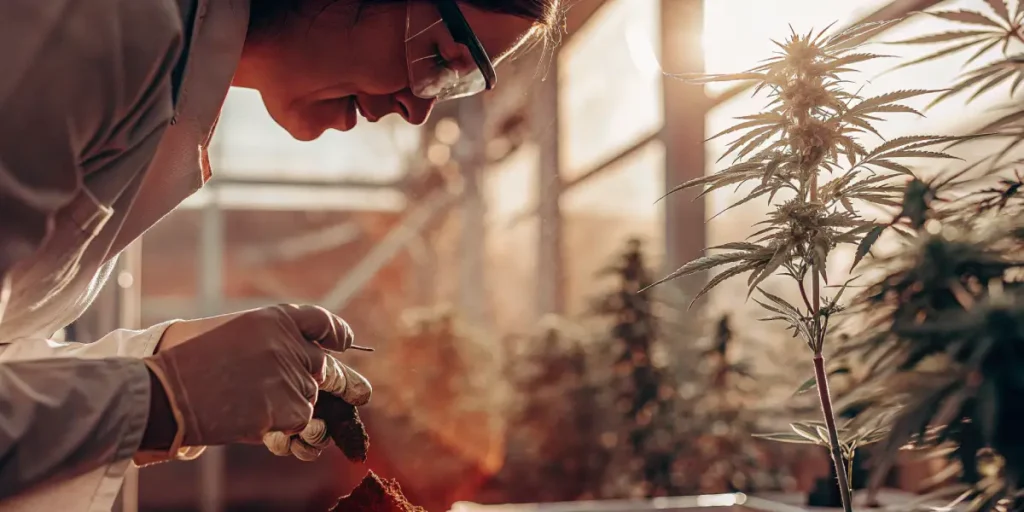
Begin by mapping out your grow area and dividing it into sections. Collect samples from various depths and locations to get a comprehensive view of metal distribution. This helps in identifying hotspots where contamination might be concentrated.
Once you have your samples, send them to a reputable lab. Labs that specialize in cannabis testing will provide detailed reports on metal concentrations, often including recommendations for mitigation.
Implementing thorough testing protocols allows for a targeted approach to managing heavy metal risks. By identifying specific areas of concern, you can apply mitigation strategies more effectively, conserving resources and enhancing the overall health of your cannabis garden.
Regularly reviewing and updating your testing protocols ensures adaptability to changing environmental conditions and regulatory standards. Consistent evaluation of testing methods enhances the robustness of your heavy metals risk assessment for outdoor cannabis grows, ultimately leading to safer and more sustainable cultivation practices.
Risk Assessment of Heavy Metals in Marijuana Plants
Conducting a risk assessment of heavy metals in marijuana plants involves evaluating how these metals can affect plant health and product safety. This assessment helps in determining the potential impact on consumer health and compliance with legal standards.
Heavy metals can affect plant growth, yield, and quality. They interfere with nutrient uptake, leading to poor plant health and reduced potency. By assessing these risks, you can take steps to protect your plants and your investment.
A comprehensive risk assessment of heavy metals in marijuana plants includes evaluating potential sources of contamination and knowing how metals move through the soil-plant system. This knowledge enables growers to implement targeted strategies to minimize metal uptake and ensure plant health.
Regular assessments foster a proactive approach, allowing growers to anticipate and address potential issues before they escalate. By recognizing early signs of metal toxicity, such as leaf discoloration or stunted growth, you can take corrective action, maintaining both the quality of your product and the health of your plants.
Assessing Plant Uptake
Different strains can uptake heavy metals at varying rates. For example, some strains from Blimburn Seeds may show less metal absorption, making them ideal for contaminated sites. Knowing the uptake characteristics of your chosen strains helps in managing this risk.
Use test results to guide your choice of strains and cultivation practices. Strains that are less prone to metal uptake can be a safer option for areas with known contamination.
Regularly inspect plants for signs of metal toxicity, such as chlorosis or stunted growth. Early detection allows for timely intervention and reduces the risk of compromised yields.
By prioritizing strains known for their resilience against heavy metal uptake, growers can proactively safeguard their crops. This strategy not only minimizes risk but also maximizes yield and quality, ensuring that your cannabis products meet both health standards and consumer expectations.
FAQs about heavy metals risk assessment for outdoor cannabis grows
What are heavy metals, and why are they a concern for cannabis growers?
Heavy metals are elements like lead, cadmium, and arsenic, which can be toxic to plants and humans even at low concentrations. For cannabis growers, these metals pose a risk because they can be absorbed by the plants and concentrated in the buds, leading to health risks for consumers.
These metals can originate from various sources, including industrial pollution, agricultural practices, and natural soil composition. Thus, it is crucial for growers to perform a heavy metals risk assessment for outdoor cannabis grows to ensure the safety and quality of their product.
Knowing the origins and pathways of heavy metal contamination is essential for effective risk management. By identifying potential sources, such as nearby industrial activities or historical land use, growers can take preventive measures to protect their crops and maintain soil health.
Educating yourself about the risks and implementing regular assessments and mitigation strategies can significantly reduce the impact of heavy metals. This proactive approach not only ensures compliance with legal standards but also protects consumer health, fostering trust in your cannabis products.
How can I test my soil for heavy metals?
To test your soil for heavy metals, collect soil samples from various parts of your grow area and at different depths. Use clean tools and containers to avoid contamination. Send these samples to a lab specializing in heavy metal testing protocols for outdoor cannabis.
The lab will provide detailed results indicating the types and concentrations of metals present. These results will help you design a strategy to manage and mitigate any potential risks associated with heavy metal contamination.
Engaging with labs that have expertise in cannabis cultivation can provide additional insights into how metal concentrations might affect your specific strains. These partnerships can lead to more effective strategies for managing soil contamination.
Regular testing not only informs your current practices but also helps in long-term planning. By knowing trends and changes in soil metal content, growers can adapt their strategies to maintain a healthy growing environment continuously.
Are there specific cannabis strains that are better for contaminated soils?
Yes, some cannabis strains are more resistant to heavy metal uptake than others. For example, Sour Diesel and Bruce Banner from Blimburn Seeds have shown resilience in less-than-ideal soil conditions. These strains can be part of your mitigation strategy if you are dealing with soil contamination.
Choosing the right strain is crucial for minimizing the impact of heavy metals on your plants. Consider strains that are known for their hardiness and ability to thrive in various environmental conditions.
Strain selection plays a vital role in the overall success of your grow, particularly when dealing with contaminated soils. By opting for strains that naturally resist heavy metal absorption, you can enhance both the quality and safety of your cannabis products.
Researching and experimenting with different strains can yield valuable insights into their performance under various conditions. This knowledge empowers growers to make informed decisions, aligning strain selection with their specific cultivation goals and environmental challenges.
What are some mitigation strategies for dealing with heavy metals in my garden?
Mitigation strategies include phytoremediation, using plants to absorb and remove contaminants, and soil amendments like lime or biochar to immobilize metals. Proper drainage and irrigation can also prevent metal accumulation.
Implementing these strategies requires regular monitoring and adjustment. The effectiveness of these methods can vary depending on the specific metals present and the existing soil conditions.
Combining multiple mitigation strategies can yield the best results. For instance, integrating phytoremediation with soil amendments and improved irrigation techniques can offer comprehensive protection against heavy metal accumulation in your garden.
Regular evaluation of these strategies ensures they remain effective over time. By adapting your approach based on ongoing soil analysis and environmental changes, you can maintain a healthy growing environment and minimize risks associated with heavy metal contamination.
How often should I conduct a heavy metals risk assessment?
Conducting a heavy metals risk assessment for outdoor cannabis grows should be an ongoing process. Regular testing, at least once per growing season, helps monitor changes over time and evaluates the effectiveness of any mitigation strategies you’ve implemented.
Frequent assessments ensure that you maintain a safe growing environment and comply with any legal standards for metal concentrations in cannabis products. This continuous approach helps protect both your plants and consumers.
Scheduling regular assessments as part of your routine cultivation practices not only ensures compliance but also enhances the overall success of your grow operation. By staying informed about soil conditions, you can proactively address potential issues before they impact plant health or yield.
The frequency of assessments may vary based on factors such as soil type, previous contamination levels, and environmental conditions. Tailoring your assessment schedule to these factors ensures that your heavy metals risk assessment for outdoor cannabis grows remains relevant and effective.