Essential Heavy Metals Risk Assessment for Greenhouse Cannabis

Growing cannabis in greenhouses offers many advantages, such as controlled environments and protection from pests. However, it also introduces the necessity for a heavy metals risk assessment for greenhouse cannabis. Heavy metals like cadmium, lead, and mercury can sneak into your plants, affecting their quality and safety. For both new growers and seasoned cultivators, knowing how to manage these risks is crucial.
Performing a risk assessment for heavy metals in cannabis production means evaluating potential sources of contamination. This involves analyzing soil, water, and even the air within greenhouse environments. By identifying these sources, growers can take proactive steps to minimize exposure, ensuring healthier plants and safer products.
Recommended Strains

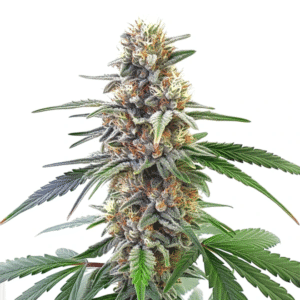
Green Crack

|
THC | 21% (Medium) |

|
Type | Feminized |

|
Yield | High |

|
Phenotype | 35% Indica / 65% Sativa |
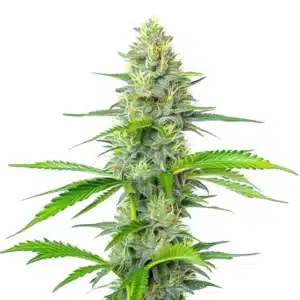
Bruce Banner #3
|
|
THC | 20% - 29% (High) |
|
|
Type | Feminized |
|
|
Yield | High |
|
|
Phenotype | 50% Indica / 50% Sativa |
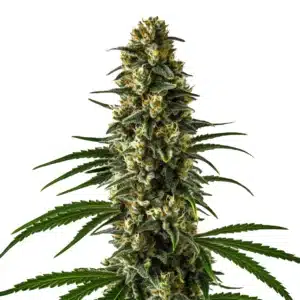
Take, for example, the strain Green Crack from Blimburn Seeds. Known for its energetic high, this strain thrives in greenhouses, but like all cannabis, it can be vulnerable to heavy metals contamination. Knowing the specific risks and implementing testing protocols can safeguard your crops, maintaining their quality and potency.
The Impact of Heavy Metals on Cannabis
Heavy metals contamination in cannabis greenhouses can have serious consequences. These metals can accumulate in the plant’s tissues, potentially reaching levels that pose health risks to consumers. This makes it essential for growers to be vigilant about assessing heavy metal exposure in greenhouse-grown cannabis.
Consider the effects on taste, aroma, and overall plant health. When heavy metals infiltrate your cannabis, they can alter its natural characteristics. This not only impacts the marketability of your product but also its effectiveness for medicinal users. By conducting regular assessments, you can ensure your cannabis retains its intended qualities.
Moreover, the presence of heavy metals can lead to regulatory issues, as many regions have strict guidelines regarding permissible levels of contaminants in cannabis products. Exceeding these levels can result in significant financial losses, as affected batches may need to be destroyed. Therefore, maintaining a strong focus on heavy metals risk assessment for greenhouse cannabis is not only about safety but also about economic viability.
Another critical aspect to consider is the long-term sustainability of cannabis cultivation. Heavy metals contamination, if left unchecked, can degrade soil quality over time, making it less productive for future planting cycles. By addressing contamination issues early, growers contribute to sustainable agricultural practices, ensuring that their greenhouses remain productive and environmentally responsible.
Sources of Heavy Metals Contamination
One major source of heavy metals is the soil. Even if you are using premium soil mixes, it’s important to test them for contaminants. Heavy metals can unknowingly enter your greenhouse environment, affecting your plants. Regular soil testing is a critical step in the heavy metals risk assessment for greenhouse cannabis.
Water sources are another potential culprit. Whether you’re using municipal water or a well, heavy metals testing protocols for greenhouse cannabis should include a thorough analysis of your water. Filtering and treating water before use can help mitigate these risks, keeping your cannabis safe and clean.
Industrial pollution is an additional factor that can contribute to heavy metals contamination in cannabis greenhouses. Proximity to factories or roads with significant vehicle emissions can increase the likelihood of airborne heavy metals settling on your crops. Implementing buffer zones or strategically placing your greenhouse can help reduce these risks.
Furthermore, the use of certain fertilizers and pesticides may inadvertently introduce heavy metals into your growing environment. Always opt for products that are verified and tested for heavy metal content. Being vigilant about the inputs you use is a proactive step in minimizing contamination and ensuring that your cannabis cultivation remains safe and sustainable.
Testing and Mitigation Strategies
Implementing heavy metals testing protocols for greenhouse cannabis is vital. Regular testing helps identify contamination early, allowing for timely interventions. This might include changing soil, water filtering, or adjusting your greenhouse location.
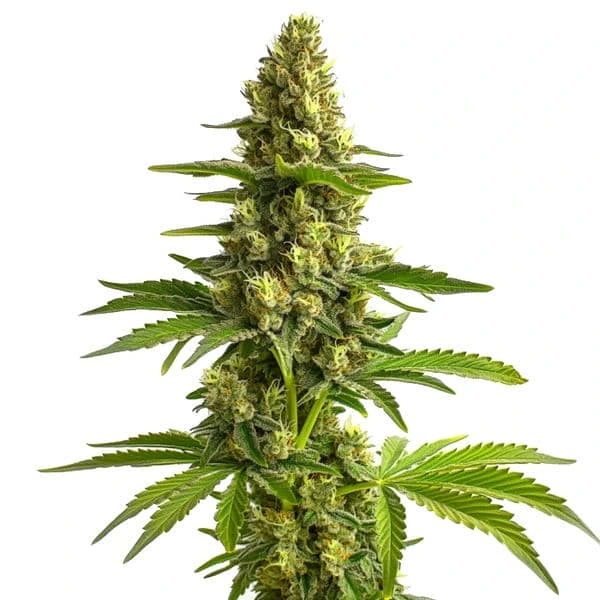
To illustrate, consider the strain Bruce Banner 3 from Blimburn Seeds, renowned for its powerful effects. By implementing comprehensive testing strategies, growers can maintain the quality of this strain, ensuring it remains free from heavy metals contamination in cannabis greenhouses.
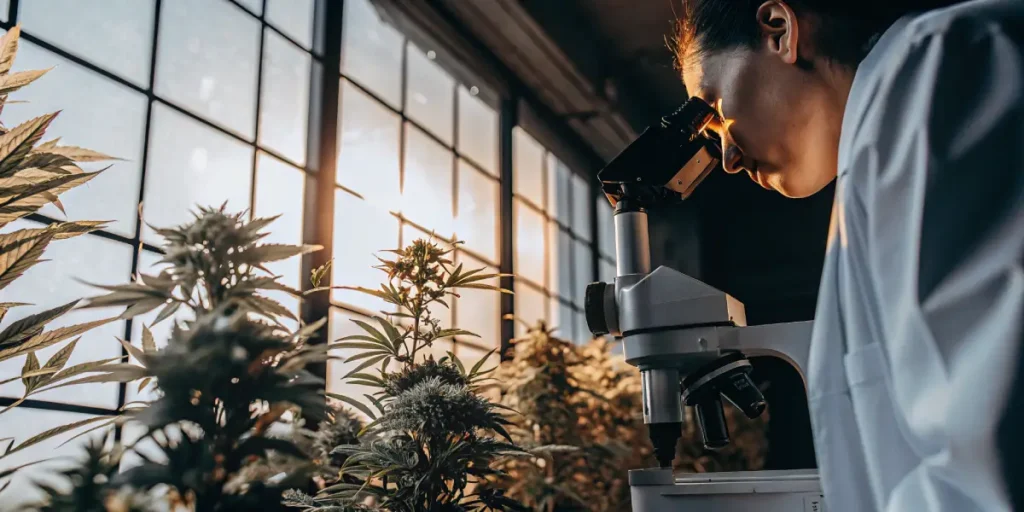
Advanced testing technologies, such as inductively coupled plasma mass spectrometry (ICP-MS), can offer precise measurements of heavy metal concentrations in both soil and plant tissues. Employing such technologies can significantly enhance the accuracy and reliability of your heavy metals risk assessment for greenhouse cannabis.
Once contamination is suspected or confirmed, mitigation strategies should be executed without delay. This could involve the use of phytoremediation plants, which naturally absorb heavy metals, or the application of chelating agents that bind to metals and prevent them from being taken up by cannabis plants. These strategies help restore balance to the growing environment, protecting both the plants and the surrounding ecosystem.
Choosing the Right Strains
When selecting cannabis strains for greenhouse cultivation, consider their resilience to environmental stressors, including heavy metals. Certain strains are more robust and can withstand challenging conditions without compromising quality.
Blimburn Seeds offers a variety of strains suitable for such conditions. The strain Girl Scout Cookies, for example, is known for its adaptability and resistance to stress. This makes it a great choice for growers concerned about heavy metals contamination.
Resilient strains not only withstand heavy metals contamination in cannabis greenhouses better but also contribute to a more predictable yield. By choosing strains with proven track records for resilience, growers can reduce the uncertainty associated with environmental stressors and focus on optimizing other aspects of cultivation.
Furthermore, selecting strains that are inherently resistant to heavy metals can reduce the frequency and intensity of necessary interventions, thus lowering overall production costs. This strategic approach in choosing the right strains aligns with sustainable practices by minimizing resource use and environmental impact.
Promos & Deals


FAQs about heavy metals risk assessment for greenhouse cannabis
What are the most common heavy metals found in cannabis greenhouses?
Heavy metals such as cadmium, lead, and mercury are commonly found in cannabis greenhouses. These metals can come from various sources, including soil, water, and air. Regular testing is crucial to identify and address these contaminants early.
By knowing which metals are most prevalent in your area, you can tailor your testing and mitigation strategies accordingly. This proactive approach is key to maintaining the safety and quality of your cannabis plants.
Additional metals, such as arsenic and chromium, may also be present, depending on local industrial activities and natural geological conditions. Knowing the specific heavy metals risk assessment for greenhouse cannabis in your region can inform better decision-making and lead to more targeted interventions.
Developing a comprehensive database of testing results over time can also aid in predicting potential contamination issues, allowing for preventive measures to be more effectively planned and implemented. As such, consistent documentation and analysis are integral to successful risk management.
How can soil contribute to heavy metals contamination?
Soil is a primary source of heavy metals contamination in cannabis production. Even soil that appears healthy can contain hidden metals that affect your plants. Testing soil before planting is an essential step in your heavy metals risk assessment for greenhouse cannabis.
If contamination is found, soil remediation techniques can help. This might involve replacing the soil or using additives that bind heavy metals, preventing them from being absorbed by the plants.
Historical land use can also influence soil contamination levels. Areas previously used for industrial or agricultural activities might have residual heavy metals, making initial site assessments and ongoing monitoring crucial for ensuring safe growing conditions.
Furthermore, natural mineral deposits in the soil can contribute to background levels of heavy metals. Knowing these baseline levels is important for differentiating between natural and anthropogenic sources of contamination, enabling more precise remediation efforts.
What are the environmental impacts of heavy metals in cannabis cultivation?
Heavy metals not only affect the plants but also have broader environmental impacts. They can leach into water supplies or become airborne, affecting surrounding ecosystems. This makes proper management essential for protecting both your crops and the environment.
By taking steps to reduce heavy metals, growers contribute to a healthier ecosystem. Implementing sustainable practices can reduce the environmental impact of heavy metals in cannabis cultivation and promote long-term agricultural health.
Heavy metals in soil and water can disrupt local wildlife, potentially causing harm to species that are sensitive to metal exposure. This highlights the importance of integrating environmental stewardship into cannabis cultivation practices.
Moreover, as the demand for sustainable and eco-friendly products grows, consumers increasingly expect growers to address the environmental impact of heavy metals in cannabis cultivation. Meeting these expectations through transparent practices can enhance brand reputation and consumer trust.
How often should growers test for heavy metals?
Regular testing is vital, with many experts recommending at least once per growing cycle. However, if you suspect contamination, more frequent testing may be necessary. Consistency in testing helps catch issues early and ensures ongoing safety.
Each growing environment is unique, so tailor your testing schedule to your specific conditions. This approach ensures that you’re always on top of potential risks, keeping your plants safe and healthy.
Factors such as changes in water sources, soil amendments, or nearby industrial activities could necessitate more frequent testing. Reacting quickly to these changes can prevent minor issues from escalating into significant contamination problems.
Investing in training for staff on proper sampling techniques and knowing testing results is also beneficial. This ensures that the testing process is reliable and that findings are accurately interpreted to inform effective risk assessment for heavy metals in cannabis production.
Are there specific strains more resistant to heavy metals contamination?
Some cannabis strains are naturally more resistant to environmental stressors, including heavy metals. Strains like Girl Scout Cookies and Bruce Banner from Blimburn Seeds are known for their resilience, making them excellent choices for greenhouse cultivation.
Choosing resilient strains as part of your growing strategy can reduce the risks associated with heavy metals. Pair this with effective risk assessments, and you’ll be well on your way to a successful, contamination-free harvest.
The genetic makeup of certain strains may provide them with unique abilities to tolerate or even exclude heavy metals from being absorbed, making them a strategic choice for growers facing contamination challenges. Leveraging this genetic diversity can be a key component of your heavy metals risk assessment for greenhouse cannabis.
Incorporating breeding programs aimed at enhancing resistance to heavy metals can further expand the options available to growers. Collaborating with seed banks like Blimburn Seeds that focus on developing resilient strains can be a proactive step in strengthening your cultivation strategies.