THCP vs THCA: A Comprehensive Look at Cannabinoid Potency and Benefits

Quick Summary: THCP is a rare, ultra-potent psychoactive cannabinoid that binds heavily to brain receptors. THCA is the raw, non-intoxicating precursor found in fresh plants. While THCP offers intense effects, THCA provides wellness benefits without the high unless it is heated.
The Difference Between THCA and THCP
The cannabis plant is a complex chemical factory. It produces over a hundred different compounds called cannabinoids. When we look at THCP vs THCA, we are looking at two very different stages of the plant’s life. THCA is the natural state of THC in a living plant. It exists in the raw resin glands (trichomes) and does not cause a “high.” It only changes into the psychoactive THC we know when it is exposed to heat, a process called decarboxylation.
Recommended Strains
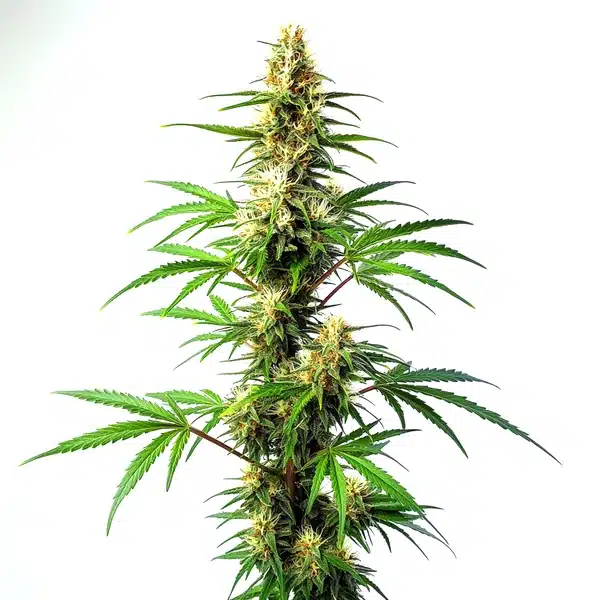
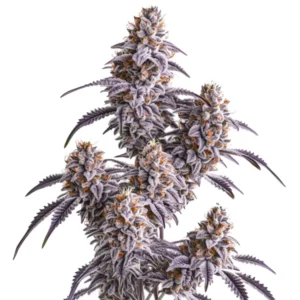
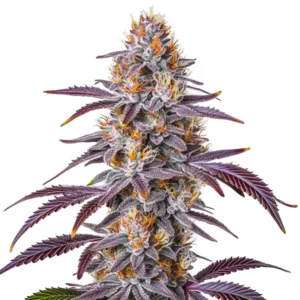
Blue Amnesia Auto

|
THC | 17% - 18% (Medium) |

|
Type | Autoflowering |

|
Yield | Low |

|
Phenotype | 40% Indica / 60% Sativa |

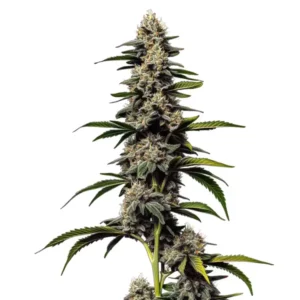
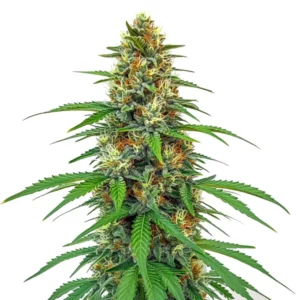
Blue Cheese
|
|
THC | 16% - 20% (Medium) |
|
|
Type | Feminized |
|
|
Yield | High |
|
|
Phenotype | 80% Indica / 20% Sativa |
On the other hand, THCP is a organic discovery that exists in very tiny amounts. Unlike THCA, THCP is already active and highly psychoactive. The main difference between THCA and THCP lies in how they talk to your body. THCA prefers to work on inflammation and nerve protection without affecting your mind. THCP is designed to lock onto your brain’s CB1 receptors with incredible force, creating a much stronger experience than traditional THC.
For growers and enthusiasts, understanding these entities is vital for the “Entourage Effect.” This is when cannabinoids work together with terpenes like Myrcene (which helps compounds cross the blood-brain barrier) or Limonene (which boosts mood). By choosing strains with specific genetic profiles, you can tailor your harvest to be either a therapeutic powerhouse or a high-potency specialty.
Promos & Deals

THCP Potency: Why is it the “New Titan”?
When people ask, is THCP stronger than THCA, the answer is a definitive yes in terms of psychoactivity. Scientists found that THCP has a longer “tail” or alkyl side chain. Most THC has five carbon atoms in this chain. THCP has seven. This small change in shape allows it to fit into your body’s receptors much better. Early tests show it may be up to 33 times more active at the CB1 receptor than standard Delta-9 THC.
This massive THCP potency means that even a tiny amount can have a huge impact. For medical users with a very high tolerance, this compound offers a new level of relief that was previously impossible. However, because it is so strong, it requires extreme care when dosing. It is the “heavyweight champion” of the cannabinoid world, providing a deep, physical, and mental “stone” that lasts much longer than typical varieties.
Technical Comparison Table
| Feature | THCA (Raw) | THCP (Active) | Delta-9 THC |
|---|---|---|---|
| Psychoactivity | None (Non-intoxicating) | Extreme (High) | Moderate (Standard) |
| Receptor Affinity | Weak / Indirect | Ultra-Strong (CB1) | Strong |
| Molecular Chain | Acidic Group + 5 Carbon | 7 Carbon Atoms | 5 Carbon Atoms |
| Natural Abundance | High (Up to 30%+) | Trace (<0.1%) | Variable |
| Primary Use | Anti-inflammatory/Raw Juice | Deep Pain/High Tolerance | Recreational/Standard Med |
| Activation Method | Heat (220°F+) | Pre-activated | Pre-activated |
THCP Benefits and Medical Potential
The thcp benefits go far beyond just a strong high. Because it interacts so efficiently with the endocannabinoid system, it may provide relief where other cannabinoids fail. Patients suffering from chronic, severe pain often find that standard THC wears off too quickly or isn’t strong enough. THCP’s long-lasting nature means fewer doses are needed throughout the day.
Additionally, thcp potency helps significantly with appetite stimulation and nausea control. For someone undergoing intensive treatments like chemotherapy, the ability of THCP to settle the stomach and trigger hunger can be life-changing. It also acts as a powerful sedative, helping those with severe insomnia fall into a deep, restorative sleep.
Professional Cultivator Tips for Cannabinoid Optimization
- Trichome Maturity: For higher THCA levels, harvest when resin glands are milky white. If you wait until they are amber, the THCA is naturally degrading into other compounds.
- Curing for Chemistry: Always cure in a dark, cool place (60°F/60% humidity). Light and heat are the enemies of THCP and THCA, causing them to break down before you can enjoy them.
- The “Flush” Secret: Stop nutrients 10-14 days before harvest. This forces the plant to use its stored sugars, leading to a cleaner burn and better preservation of the delicate acidic cannabinoids.
- Temperature Control: Keep your flowering room below 75°F. High heat volatizes the terpenes like Pinene and Caryophyllene, which are necessary to direct the effects of THCP in your body.
What is stronger: THCA or THCP?
In terms of immediate psychoactive effect, THCP is vastly stronger. THCA is actually non-psychoactive in its raw form; you could eat a bucket of raw THCA and not feel high. However, once you apply heat to THCA, it becomes THC. Even then, THCP remains significantly more potent than THC because of its 7-carbon molecular chain which binds 33 times more effectively to brain receptors.
Can I use THCA for daily wellness?
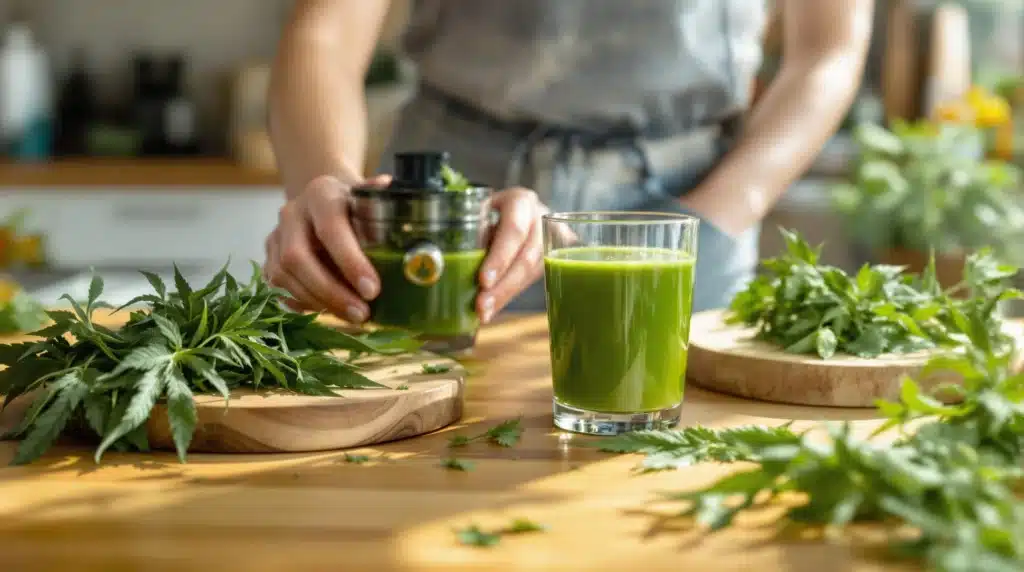
Yes, THCA is perfect for daytime wellness because it does not cause intoxication. It is widely used for its anti-inflammatory and neuroprotective properties. Many people add raw cannabis leaves to smoothies or take THCA tinctures to help with joint pain and mental clarity while staying completely sober and productive throughout their work day.
Is THCP safe for beginners?
THCP is generally not recommended for beginners. Its extreme potency can easily lead to “greening out” or feeling overwhelmed. If a beginner wants to try it, they should look for products where THCP is a very small percentage of the total blend. Always start with a “micro-dose” and wait at least two hours before taking more, as its effects can take time to peak.
How do I store THCA products?
To keep THCA from turning into THC, you must store it in a cold, dark place. A refrigerator is ideal. Exposure to room temperature, and especially direct sunlight, will trigger a slow decarboxylation process. Use airtight glass containers to prevent oxygen from degrading the delicate resin glands and to keep the beneficial terpenes from evaporating.