Essential Guide: Pathogenic Fungi Affecting Cannabis Taxonomy & Behavior

When cultivating cannabis, one of the most persistent challenges is dealing with pathogenic fungi affecting cannabis. These microscopic troublemakers can wreak havoc on your plants, significantly impacting both yield and quality. Fortunately, by knowing the taxonomy and behavior of these fungi, you can take proactive steps to protect your crops and maintain a healthy grow environment.
Pathogenic fungi affecting cannabis: taxonomy & behavior is an area of study that provides insights into how these fungi interact with cannabis plants. From powdery mildew to Fusarium wilt, knowing the behavior of these pathogens is crucial. This knowledge aids growers in implementing effective strategies to combat these unwelcome guests.
Recommended Strains

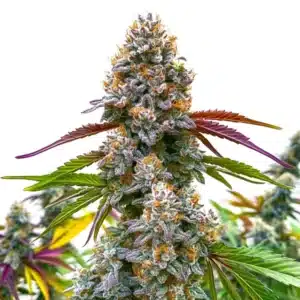
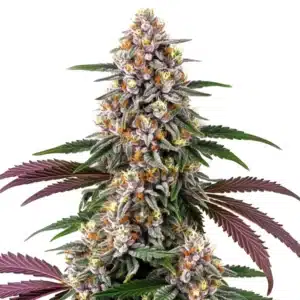
Mamba Negra

|
THC | 18% (Medium) |

|
Type | Feminized |

|
Yield | High |

|
Phenotype | 55% Indica / 45% Sativa |

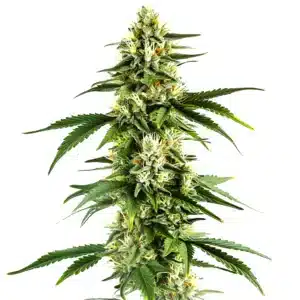
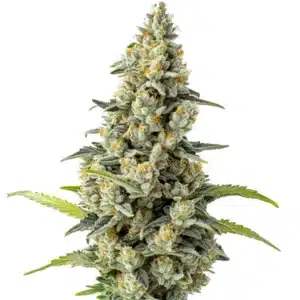
Gelato
|
|
THC | 27% (High) |
|
|
Type | Feminized |
|
|
Yield | High |
|
|
Phenotype | 50% Indica / 50% Sativa |
The impact of fungi on cannabis plant health can’t be overstated. Fungal infections can lead to stunted growth, discolored leaves, and even plant death. Using strains like Mamba Negra from Blimburn Seeds, known for its resilience, can be a wise choice.
Common Pathogenic Fungi in Cannabis Cultivation
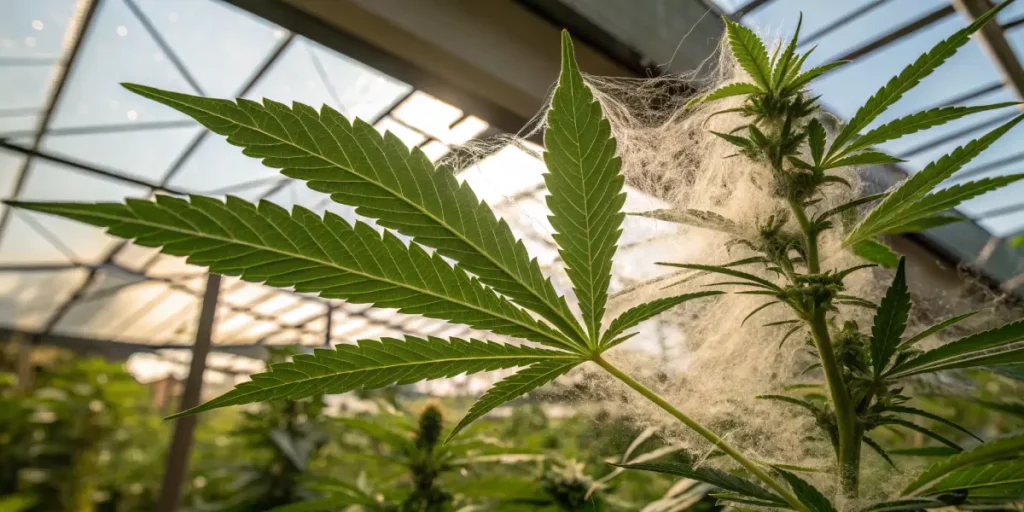
Let’s dive into some of the most common fungi that can affect your cannabis plants. Powdery mildew, for instance, is a frequent intruder. It appears as a white, powdery substance on leaves and can quickly spread throughout your crop. Managing humidity and ensuring good air circulation are crucial to preventing its spread.
Fusarium wilt is another dreaded enemy for cannabis growers. It clogs the plant’s water-conducting vessels, leading to wilting and, eventually, death. This fungus thrives in warm, moist conditions, so keeping your growing environment in check is key. Selecting strains like Critical Daddy Purple from Blimburn Seeds, which shows resistance to Fusarium, can help mitigate risks.
Another common fungal adversary is Botrytis cinerea, often referred to as gray mold. It primarily attacks the buds of the cannabis plant, leading to rot and significant loss of yield. This pathogen thrives in humid conditions, so controlling the environment is essential. Growers should ensure that their plants are not overcrowded and that there is adequate spacing for airflow.
Pythium species, responsible for root rot, are also prevalent in cannabis cultivation. These fungi attack the roots, leading to a compromised root system that impedes nutrient uptake. In hydroponic systems, the risk is particularly high due to the constant moisture. Maintaining a clean and sterile growing environment can help prevent Pythium infections.
Taxonomy and Classification of Cannabis Pathogens
The world of pathogenic fungi taxonomy is intricate. In the cannabis fungal pathogen classification study, fungi are categorized based on their genetic makeup and physiological traits. This classification helps growers and researchers target specific fungi with tailored approaches.
Pathogenic fungi taxonomy cannabis research has identified several key families of fungi that tend to affect cannabis. These include the Ascomycetes and Basidiomycetes, both known for their destructive potential. Each family comprises various genera known to attack cannabis plants, including Botrytis and Pythium.
Knowing the taxonomy and classification of these pathogens allows researchers to trace the evolutionary paths of these fungi and their interactions with cannabis plants. By identifying fungi affecting cannabis taxonomy, growers can develop targeted approaches to manage each specific threat effectively.
Furthermore, advancements in genetic sequencing have provided deeper insights into the pathogenic fungi affecting cannabis: taxonomy & behavior. This research aids in the development of more resilient cannabis strains, such as those offered by Blimburn Seeds, by identifying genetic markers associated with resistance to specific fungal pathogens.
Behavior of Pathogenic Fungi in Cannabis Plants
The behavior of pathogenic fungi in cannabis plants varies significantly. Some fungi spread through spores that travel via air or water, while others infiltrate through soil. Knowing these behaviors allows growers to implement preventative measures, such as maintaining proper hygiene and monitoring environmental conditions.
For instance, fungi like Pythium attack the roots, leading to root rot. This behavior can be particularly devastating, as it impedes the plant’s ability to absorb water and nutrients. Hydroponic systems are especially vulnerable. Ensuring a sterile and well-drained environment is crucial to preventing such infections.
The dynamic behavior of pathogenic fungi in cannabis plants can also be influenced by environmental factors. Temperature, humidity, and soil conditions can either suppress or exacerbate fungal growth. By knowing these factors, growers can adjust their cultivation practices to create an inhospitable environment for these pathogens.
Behavioral studies have shown that some fungi exhibit a remarkable ability to adapt and evolve. This adaptability makes it challenging to completely eradicate them from the growing environment. Therefore, continuous monitoring and the implementation of integrated pest management strategies remain crucial in managing the behavior of these fungi.
Practical Tips for Managing Fungal Infections
Prevention is always better than cure. Begin by selecting resistant cannabis strains from reputable seed banks like Blimburn Seeds. Strains such as Mamba Negra, Critical Daddy Purple, and Gelato have shown resilience against common fungal threats.
Monitoring environmental factors is crucial. Keep humidity levels low, especially during flowering, and ensure proper air circulation. Installing fans and dehumidifiers can make a significant difference in your grow room’s microclimate.
It’s important to regularly clean and disinfect all tools and surfaces in the grow area to prevent the introduction and spread of fungi. This includes pots, trays, and even the floors and walls of the grow space. Using a mild bleach solution for cleaning can be effective in killing fungal spores.
Additionally, implementing a quarantine protocol for new plants can help prevent the introduction of pathogens into your existing garden. Observing new plants for a few weeks before integrating them into your main growing area can reduce the risk of spreading infections.
Promos & Deals


FAQs about. pathogenic fungi affecting cannabis: taxonomy & behavior
What are the most common pathogenic fungi affecting cannabis?
Several fungi commonly affect cannabis. Powdery mildew is prevalent, easily recognized by its white, powder-like appearance on leaves. It’s airborne, making it a challenge to control once established. Fusarium wilt is another major concern. It clogs the plant’s vascular system, causing wilting and eventual death.
Gray mold, caused by Botrytis cinerea, targets the buds, leading to rot. This fungus thrives in humid conditions, making environmental control vital. Choosing resistant strains from Blimburn Seeds and maintaining optimal growing conditions are effective management strategies.
Besides to these, pathogens like Pythium species are notorious for causing root rot, particularly in hydroponic systems. Their presence can severely stunt plant growth, highlighting the importance of sterile growing conditions and regular root inspections.
Knowing the pathogenic fungi affecting cannabis: taxonomy & behavior is essential for implementing effective preventative measures. By identifying common fungal threats, growers can tailor their cultivation practices to minimize the risk of infection.
How can I identify fungal infections in my cannabis plants?
Identifying fungal infections involves regular monitoring of your plants. Look for powdery substances, discoloration, or wilting. Powdery mildew appears as a white powder, while Fusarium wilt may cause yellowing and browning of leaves.
Inspect the buds for signs of gray mold, such as browning or mushiness. Root rot, caused by fungi like Pythium, manifests as wilting and stunted growth. Early detection is crucial, so regular inspections are recommended.
Engaging in a cannabis fungal pathogen classification study can enhance your ability to accurately diagnose infections. Familiarity with the specific symptoms of different fungal pathogens allows for more precise identification and treatment.
Using tools such as magnifying glasses or digital microscopes can assist in identifying the early stages of fungal infections. This proactive approach ensures that any fungal threat is addressed promptly, reducing the potential impact of fungi on cannabis plant health.
What are some effective preventive measures against pathogenic fungi?
Prevention starts with choosing resistant strains. Blimburn Seeds offers strains like “Gelato” that have shown resilience against common pathogens. Controlling environmental conditions is also critical. Maintain low humidity and good air circulation to deter fungal growth.
Practicing good hygiene in your grow space can prevent the introduction and spread of fungi. Clean tools and equipment between uses, and quarantine new plants before introducing them to your garden. These simple steps can make a significant difference.
Implementing a crop rotation strategy can also help prevent the buildup of fungal pathogens in the soil. Alternating cannabis with other plant species that are not hosts to the same fungi can break the life cycle of these pathogens.
Incorporating biological fungicides as part of an integrated pest management plan is another effective preventive measure. These natural products can suppress fungal growth without harming beneficial organisms in the soil, enhancing the overall health of the growing environment.
Can pathogenic fungi be treated once they infect cannabis plants?
Yes, but early intervention is key. Once you identify a fungal infection, act quickly by removing affected plant parts and applying fungicides. Several organic and chemical fungicides are available that can help manage these infections.
For systemic infections, such as Fusarium wilt, treatment options are limited. Prevention and resistance through strain selection are more effective strategies. Integrated pest management practices, including biological controls, can also be beneficial.
Using fungicides specifically designed for cannabis plants ensures that the treatment is effective without causing harm to the plants or the environment. Always follow manufacturer instructions and safety guidelines when applying these products.
For infections that have spread extensively, it may be necessary to dispose of severely affected plants to prevent the spread to healthy ones. This sacrifice can save the rest of the crop from further damage, maintaining the overall health of the grow.
Is it possible to completely eradicate pathogenic fungi from a grow environment?
Completely eradicating fungi is challenging due to their adaptability and persistence. However, maintaining strict hygiene and environmental controls can significantly reduce their presence. Regular cleaning and sterilization of growing spaces are vital.
Using resistant strains and implementing preventative measures will help maintain a healthy growing environment. Monitoring and adjusting conditions such as humidity and airflow can further minimize the risk of fungal outbreaks.
Incorporating advanced techniques such as UV light treatments can help sterilize the grow environment by eliminating fungal spores in the air and on surfaces. These treatments can be used in conjunction with other hygiene practices for maximum efficacy.
Ultimately, the goal is to manage the behavior of pathogenic fungi in cannabis plants by creating conditions that are unfavorable for their growth. By continuously adapting cultivation practices and staying informed through pathogenic fungi taxonomy cannabis research, growers can maintain a thriving cannabis crop.