Proven Benefits of Endophytic Microbes in Cannabis Cultivation

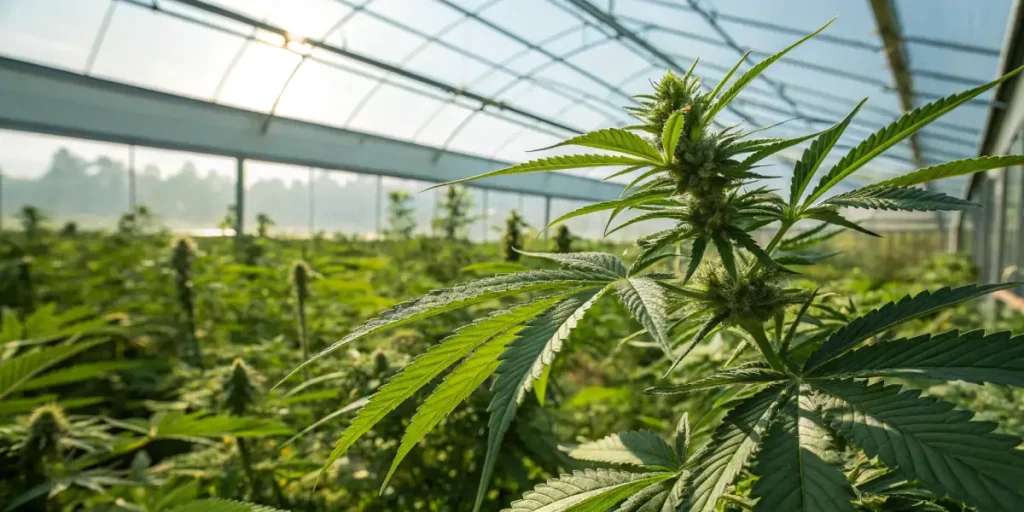
Endophytic microbes in cannabis cultivation are revolutionizing the way cannabis is grown. These microscopic organisms live inside plant tissues and form a symbiotic relationship with their host. By doing so, they provide numerous benefits for growers, including improved plant health, enhanced nutrient uptake, and increased resilience against stress.
Incorporating endophytic microbes in cannabis cultivation can lead to healthier plants and higher yields. They boost the plant’s ability to absorb nutrients and resist diseases, making them a valuable tool for both novice and seasoned growers.
Recommended Strains

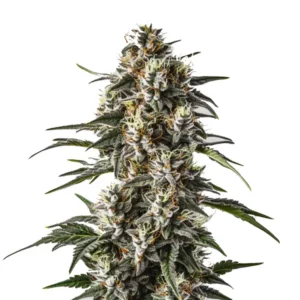
Blue Dream

|
THC | 17% - 24% (High) |

|
Type | Feminized |

|
Yield | High |

|
Phenotype | 50% Indica / 50% Sativa |

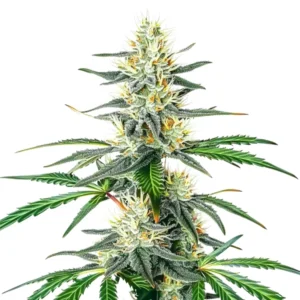
GG4
|
|
THC | 27% (High) |
|
|
Type | Feminized |
|
|
Yield | High |
|
|
Phenotype | 40% Indica / 60% Sativa |
Both endophytic bacteria and fungi play significant roles in enhancing the growth of cannabis. For instance, they can help in nutrient cycling and improve stress resistance, ensuring your cannabis plants thrive even in less-than-ideal conditions.
How Endophytic Microbes Work
Endophytic microbes enter the plant through its roots, leaves, or stems. Once inside, they start to interact with the plant cells. This partnership allows them to exchange nutrients and signals that lead to mutual growth benefits.
These microbes contribute to sustainable cannabis cultivation using endophytes by promoting a natural balance within the plant. They can enhance nutrient uptake, which is crucial for robust plant growth and high-quality yields.
The function of endophytic bacteria in cannabis growth is particularly noteworthy as they help in fixing nitrogen and solubilizing phosphorus, two essential nutrients for plant development. This natural fertilization process reduces the need for synthetic fertilizers, aligning with sustainable cultivation practices.
Furthermore, endophytic fungi applications in cannabis farming help the plant withstand abiotic stresses such as drought and salinity. These fungi form networks within the plant that improve water retention and stress signaling, ensuring that cannabis plants maintain vigor and productivity.
Promos & Deals




Benefits for Cannabis Plants
The benefits of endophytic microbes in cannabis cultivation are extensive. They help in improving the plant’s immune system, making it more resilient against pathogens. This can significantly reduce the need for chemical pesticides, promoting a more organic cultivation approach.
Moreover, endophytic microorganisms have a positive impact on cannabis yield. By enhancing root development and nutrient absorption, they ensure that the plants can produce abundant and potent flowers.
Endophytic microbes also enhance the biochemical pathways within cannabis plants, leading to increased production of cannabinoids and terpenes. This results in more potent and aromatic flowers, which are highly desirable in the market.
Another key benefit is the reduction in environmental impact. By relying on these natural organisms, growers can minimize their use of synthetic chemicals, thus lowering their carbon footprint and contributing to a healthier ecosystem.
Real-Life Applications in Cannabis Farming
For those growing strains like GG4 from Blimburn Seeds, integrating endophytic fungi can enhance resin production. This strain is known for its high potency, and endophytes can help maximize its potential.
Another strain, Blue Dream, benefits from endophytic bacteria which aid in stress tolerance. This means even if environmental conditions aren’t perfect, your Blue Dream plants can still thrive.
Integrating endophytic fungi applications in cannabis farming has shown to improve water efficiency in strains like Blue Dream, allowing plants to perform better under limited water conditions. This is particularly useful in regions prone to drought or water scarcity.
The impact of endophytic microorganisms on cannabis yield is evident in strains such as Critical Mass, where faster growth cycles and increased flower density have been observed. These microbes enable growers to achieve commercial-scale yields with minimal environmental disruption.
Enhancing Soil Health
One of the less obvious but crucial benefits of using endophytic microbes is the improvement of soil health. These microbes contribute to breaking down organic matter, releasing nutrients that are readily available for plant uptake.
Healthy soil is the cornerstone of productive cannabis farming. Endophytes help maintain this by supporting the soil’s natural ecosystem, reducing the dependency on synthetic fertilizers.
Endophytic microbes in cannabis cultivation aid in building a resilient soil microbiome, which can suppress soil-borne diseases and pests. This natural defense mechanism is vital for maintaining long-term plant health and productivity.
By encouraging the proliferation of beneficial microorganisms in the soil, growers can create a self-sustaining agricultural environment. This not only enhances the current crop but also sets the stage for future cultivation success with less input and maintenance.
FAQs about endophytic microbes in cannabis cultivation
What are endophytic microbes?
Endophytic microbes are bacteria and fungi that live inside plants without harming them. They form a mutualistic relationship with their host, benefiting the plant by enhancing nutrient uptake and resistance to stress.
In cannabis cultivation, they are used to improve plant health and yield. These microbes are a natural way to boost growth and protect against diseases, making them especially valuable in organic farming practices.
The benefits of endophytic microbes in cannabis cultivation extend beyond plant health. They contribute to the overall sustainability of farming practices by reducing the need for chemical inputs and enhancing the natural resilience of plants.
Endophytic microbes also play a role in the plant’s secondary metabolism, often leading to the production of compounds that can deter herbivores and attract beneficial insects, contributing to a balanced agroecosystem.
How do endophytic microbes affect cannabis yield?
Endophytic microbes impact cannabis yield positively by improving nutrient absorption and aiding in root development. This leads to healthier plants that can produce more flowers.
By enhancing the plant’s immune system, these microbes also reduce the likelihood of disease, ensuring that the plants can invest more energy into growing bigger and better buds.
The function of endophytic bacteria in cannabis growth includes the secretion of growth-promoting hormones that can accelerate plant development and increase biomass. These physiological changes translate into higher yields and more robust plants.
Additionally, endophytic fungi help in enhancing the plant’s tolerance to environmental stresses, allowing them to thrive in suboptimal conditions. This adaptability ensures consistent yields regardless of external challenges.
Can I use endophytic microbes with all cannabis strains?
Yes, endophytic microbes can be used with all cannabis strains. Different strains may benefit in unique ways, but overall, these microbes promote better growth and health across the board.
Whether you’re cultivating a high-yield strain like Critical Mass or a resilient strain like Blue Dream, endophytes can play a crucial role in your cultivation strategy.
By incorporating endophytic microbes in cannabis cultivation, growers can tailor their approach to match the specific needs of each strain, optimizing conditions for growth and maximizing potential yield.
It’s important to note that while all strains can benefit, the degree of impact may vary depending on the plant’s genetic makeup and environmental conditions. Customizing microbial applications can lead to optimal results.
Are there specific strains from Blimburn Seeds that benefit the most from endophytes?
While all strains can benefit, some like GG4, Blue Dream, and Critical Mass have shown remarkable improvements. These strains already possess desirable traits that are further enhanced by endophytic interactions.
GG4, for instance, can see increased resin production, while Blue Dream may show more resilience in adverse conditions thanks to the endophytic microbes.
The impact of endophytic microorganisms on cannabis yield is notably pronounced in Critical Mass, where faster flowering and higher resin content have been recorded. This makes it a prime candidate for growers seeking maximum returns.
For those interested in breeding or hybridization, endophytic microbes can be used to enhance parental traits, leading to the development of new strains that combine the best attributes of their predecessors.
How do I introduce endophytic microbes to my cannabis plants?
Endophytic microbes can be introduced through products that contain these beneficial organisms. These are often added to the soil or applied directly to the plant.
It’s essential to follow the manufacturer’s instructions and consider the specific needs of your cannabis strain to maximize the benefits of these microbes.
Introducing endophytic bacteria can be particularly effective during the early stages of plant development, ensuring that the roots establish a healthy microbial community from the outset.
Regular monitoring and adjustments to microbial applications may be necessary to maintain optimal conditions, especially in dynamic growing environments where factors like temperature and humidity can fluctuate.