Proven Genetic Traits Linked to Microbial Resistance in Cannabis

Cannabis cultivation can be a rewarding journey, but it comes with its challenges. One significant hurdle is microbial resistance. Genetic traits linked to microbial resistance in cannabis are crucial for growers who want healthy plants. These traits help cannabis fend off harmful microbes like fungi and bacteria, ensuring a thriving crop.
Microbial resistance in cannabis is not just about avoiding diseases; it’s also about enhancing the plant’s overall health. The genetic basis of pest resistance in cannabis is becoming clearer with ongoing research. By selecting strains with these genetic traits, growers can enjoy more bountiful harvests with fewer issues.
Recommended Strains
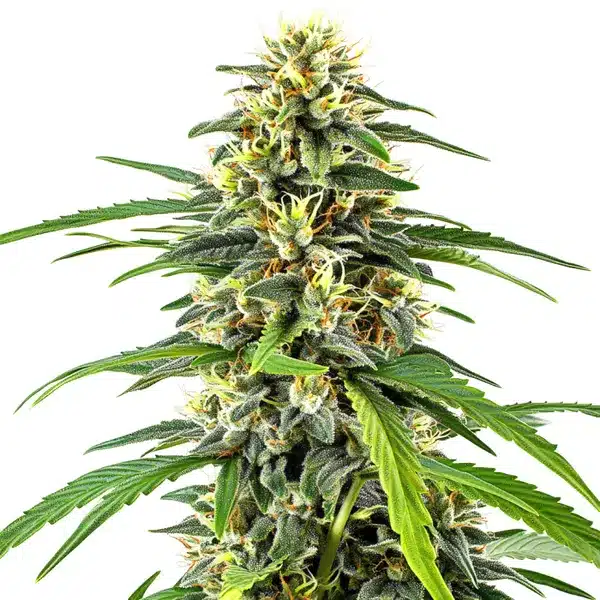
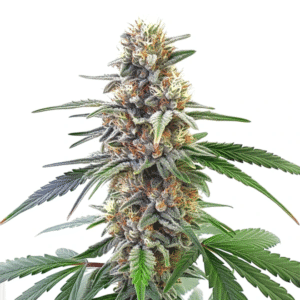
Amnesia Haze

|
THC | 18% - 22% (Medium) |

|
Type | Feminized |

|
Yield | High |

|
Phenotype | 30% Indica / 70% Sativa |

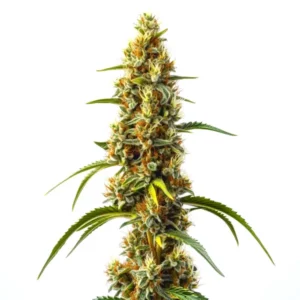
GG4
|
|
THC | 27% (High) |
|
|
Type | Feminized |
|
|
Yield | High |
|
|
Phenotype | 40% Indica / 60% Sativa |
Some strains naturally possess genetic traits influencing cannabis pest resistance. These traits are often the result of generations of careful breeding. By knowing these genetic markers, growers can make informed choices to protect their investment and optimize their yield.
Genetic Traits Influencing Cannabis Pest Resistance
Genetic traits influencing cannabis pest resistance play a pivotal role in the plant’s defense mechanism. These traits are encoded in the plant’s DNA, allowing it to recognize and respond to microbial threats. For instance, some cannabis strains have developed thicker cell walls, making it difficult for pathogens to penetrate.
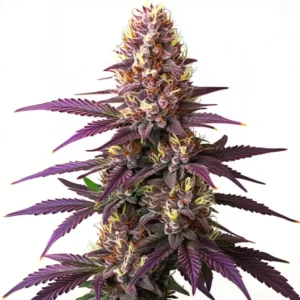
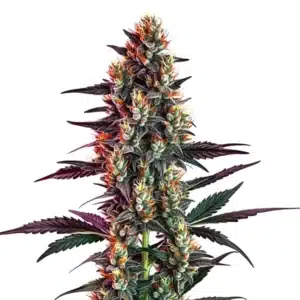
Another genetic trait is the production of certain enzymes that break down microbial invaders. These enzymes can neutralize harmful pathogens before they cause significant damage. Strains like “Purple Kush” from Blimburn Seeds are known for such robust defenses, making them a great choice for growers facing frequent microbial challenges.
The function of genetic traits linked to microbial resistance in cannabis is increasingly significant as environmental factors continue to change. With climate variations, new microbial threats can emerge, and having strains with strong pest resistance ensures that plants remain resilient. This adaptability is crucial for maintaining healthy crops in unpredictable conditions.
Furthermore, the genetic basis of pest resistance in cannabis allows breeders to experiment with cross-breeding, aiming to develop new strains that capture the best defense traits. Blimburn Seeds is at the forefront of this innovation, continually expanding their catalog with varieties that promise both high yield and robust resistance.
Promos & Deals

Cannabis Microbial Resistance Genetic Markers
Cannabis microbial resistance genetic markers are like roadmaps within the plant’s genome. These markers help breeders identify which strains have inherent resistance to specific pathogens. By using these markers, breeders at Blimburn Seeds can develop new strains that are both resilient and high-yielding.
The process of identifying these markers involves advanced genetic mapping. This mapping reveals the specific genes responsible for microbial resistance. Once identified, these genes can be introduced into other strains to enhance their resilience. This is how strains like GG4 have come to exhibit strong resistance to mold and mildew.
Knowing cannabis microbial resistance genetic markers provides growers with a strategic advantage in selecting the right strains. These markers not only indicate potential resistance but also guide cultivation methods that align with the plant’s natural defense mechanisms. Such insights lead to more effective and sustainable farming practices.
Incorporating genetic markers into breeding programs has revolutionized how cannabis strains with microbial resistance traits are developed. This scientific approach ensures that the resulting strains are not only resilient but also maintain the desired qualities of potency and flavor. Companies like Blimburn Seeds leverage these markers to ensure their strains meet both market demands and environmental challenges.
Genetic Mapping of Cannabis Resistance to Microbes
Genetic mapping of cannabis resistance to microbes is a cutting-edge practice in the industry. It involves sequencing the plant’s DNA to locate resistance genes. This knowledge is crucial for breeding programs aimed at developing hardier plants.
At Blimburn Seeds, genetic mapping is used to enhance strains like Blue Dream, which is renowned for its resilience against common pathogens. By knowing the genetic layout, breeders can predict how a strain will perform under microbial stress, allowing them to create superior cannabis varieties.
The genetic mapping of cannabis resistance to microbes has paved the way for more targeted breeding strategies. By mapping out resistance genes, breeders can focus on enhancing specific traits that bolster a plant’s defense against its most common threats, thereby optimizing its growth and survival.
Moreover, genetic mapping contributes to the broader knowing of the genetic traits linked to microbial resistance in cannabis. This knowledge is crucial for the future development of strains that can thrive in diverse environments, offering growers an extensive selection of robust options tailored to various cultivation needs.
- Thicker cell walls for pathogen resistance
- Enzyme production for neutralizing threats
- Genetic markers for identifying resistant strains
- Reduced need for chemical treatments
- Enhanced yield and crop resilience
Cannabis Strains with Microbial Resistance Traits
Certain cannabis strains have been bred specifically for their microbial resistance traits. These strains are a testament to the success of genetic mapping and breeding programs. They offer growers a more sustainable and efficient way to cultivate cannabis.
The Amnesia Haze strain, available from Blimburn Seeds, is a prime example. It has been developed with strong resistance to powdery mildew, a common issue in many grow environments. Selecting such strains can greatly reduce crop losses and improve the overall quality of the harvest.
Cannabis strains with microbial resistance traits are increasingly favored by cultivators looking to minimize the use of pesticides and other chemical treatments. These strains are not only environmentally friendly but also offer a purer product that aligns with organic growing principles, appealing to a health-conscious market.
By investing in strains with proven resistance, growers can ensure higher profitability and sustainability. This approach aligns with the ongoing trend toward eco-friendly farming practices and supports the long-term viability of cannabis cultivation without compromising on quality or yield.
- Choose strains with proven microbial resistance
- Consider your local environmental challenges
- Utilize genetic markers for informed strain selection
- Opt for strains requiring minimal chemical intervention
- Focus on high-yielding, resilient varieties
FAQs about genetic traits linked to microbial resistance in cannabis
What are genetic traits linked to microbial resistance in cannabis?
Genetic traits linked to microbial resistance in cannabis refer to the plant’s inherent ability to fend off harmful microbes. These traits can include thicker cell walls, enzyme production, and specific genetic markers that help the plant recognize and combat pathogens. By selecting strains with these traits, growers can ensure a healthier crop with fewer incidences of disease.
These genetic traits are crucial for both novice and experienced growers as they provide a more robust defense against common issues like mold and mildew. By choosing strains from reputable sources like Blimburn Seeds, growers can take advantage of these genetic advancements to achieve better yields and plant health.
The integration of genetic traits linked to microbial resistance in cannabis into breeding strategies has transformed how growers approach pest management. With these traits, plants are naturally better equipped to withstand microbial invasions, reducing the need for synthetic interventions and promoting a healthier growth environment.
As research progresses, the potential for discovering new genetic traits that enhance microbial resistance continues to grow. This ongoing exploration holds promise for cultivating even more resilient cannabis strains, ensuring the industry can meet future challenges with innovative solutions.
How do genetic traits influencing cannabis pest resistance benefit growers?
Genetic traits influencing cannabis pest resistance benefit growers by reducing the need for chemical pesticides and treatments. This not only lowers cultivation costs but also results in a cleaner, more organic final product. Additionally, resistant strains tend to be healthier and more vigorous, leading to higher yields and better quality buds.
Growers who select strains with these traits can also enjoy peace of mind knowing that their plants have a built-in defense against many common pests. This proactive approach to pest management is particularly beneficial in regions where certain microbial threats are prevalent.
By incorporating genetic traits influencing cannabis pest resistance into their cultivation practices, growers can focus on optimizing other aspects of their operations. This includes refining irrigation, lighting, and nutrient delivery systems, all of which contribute to a thriving crop free from microbial distress.
Moreover, the reduced reliance on chemical treatments fosters a more sustainable cultivation environment. It encourages biodiversity within the growing area, allowing beneficial organisms to thrive and further support the plant’s natural defense systems, creating a balanced ecosystem.
What role do cannabis microbial resistance genetic markers play in cultivation?
Cannabis microbial resistance genetic markers are critical for identifying strains with natural resistance to specific pathogens. These markers help breeders develop new varieties that are less susceptible to disease, offering growers more resilient options. By leveraging these markers, companies like Blimburn Seeds can produce strains that are tailored to withstand various environmental challenges.
For growers, using strains with identified genetic markers means a reduced risk of crop loss and a more consistent harvest. This is especially important in commercial operations where reliability and yield are key to profitability.
The use of cannabis microbial resistance genetic markers is a cornerstone of modern breeding programs. It enables breeders to strategically select parent plants that will produce offspring with the desired resistance traits, ensuring that new generations of cannabis remain robust against evolving microbial threats.
As the knowing of these genetic markers deepens, researchers are better equipped to fine-tune breeding practices. This precision leads to the development of strains that not only resist microbes but also excel in other desirable characteristics such as potency, aroma, and growth rate.
Which cannabis strains from Blimburn Seeds are known for their microbial resistance traits?
Blimburn Seeds offers several strains known for their microbial resistance traits. “Purple Kush,” “GG4,” and “Amnesia Haze” are excellent examples. These strains have been bred with specific genetic traits that enhance their ability to resist pathogens like mold and mildew.
By choosing these strains, growers can benefit from a more robust cultivation experience with less need for intervention. These strains are ideal for both personal and commercial growing operations, offering reliability and high-quality results.
The portfolio of Blimburn Seeds is a testament to the effectiveness of genetic mapping and selective breeding. Their strains not only boast microbial resistance but also deliver exceptional yields, making them a top choice for growers seeking both quality and quantity.
Besides to these renowned strains, Blimburn Seeds continues to innovate, constantly evaluating and introducing new varieties that respond to the ever-changing needs of the cultivation community. This commitment ensures that growers have access to the latest advancements in cannabis breeding.
How does genetic mapping of cannabis resistance to microbes impact the future of cultivation?
Genetic mapping of cannabis resistance to microbes is shaping the future of cultivation by enabling the development of more resilient strains. This process allows breeders to pinpoint and enhance the genes responsible for microbial resistance, leading to stronger, healthier plants. As the industry progresses, this technology will likely become a standard practice, offering growers even more reliable options.
For the average grower, this means access to strains that are better equipped to handle environmental stresses, reducing the dependency on chemical treatments. The impact of genetic mapping is profound, promising a future where cannabis cultivation is both more sustainable and more efficient.
The application of genetic mapping extends beyond resilience, influencing factors such as growth rate, cannabinoid profiles, and adaptability to different environments. This comprehensive approach ensures that the future of cannabis cultivation is not only about surviving but thriving under various conditions.
As genetic mapping techniques advance, the potential for discovering new, beneficial traits grows exponentially. These innovations promise a dynamic future where cannabis plants can be tailored to meet diverse consumer demands while maintaining robust defenses against pests and diseases.