Unlocking the Amazing Microbial Ecology of Cannabis Plants: An Expert Guide

Microbial ecology of cannabis plants is a fascinating topic that holds the key to robust growth and high yields. When you think about cannabis cultivation, microbes might not be the first thing that comes to mind. However, these tiny organisms play a significant role in the health and vitality of cannabis plants. They form complex communities that interact with the plant roots, influencing nutrient uptake and overall plant health.
For both first-time cannabis seed buyers and seasoned growers, knowing the microbial diversity in cannabis cultivation can lead to healthier plants and better harvests. Beneficial microbes in cannabis growth include bacteria and fungi that help break down organic matter in the soil, making nutrients more accessible to the plant. They also provide a natural defense against harmful pathogens.
Recommended Strains

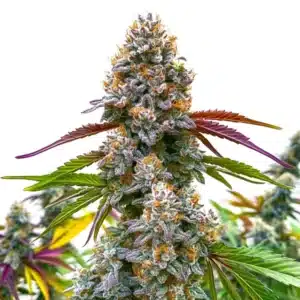
Sour Diesel

|
THC | 22% - 25% (High) |

|
Type | Feminized |

|
Yield | High |

|
Phenotype | 30% Indica / 70% Sativa |

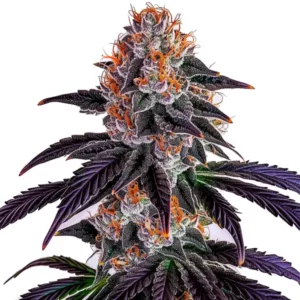
OG Kush
|
|
THC | 20% - 24% (High) |
|
|
Type | Feminized |
|
|
Yield | High |
|
|
Phenotype | 55% Indica / 45% Sativa |
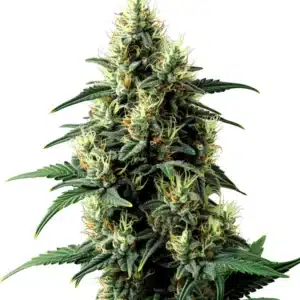
Consider the strain Sour Diesel from Blimburn Seeds. This popular choice thrives in environments rich in beneficial microbes. The right microbial community can enhance the terpene profile and potency of the buds. By focusing on microbial ecology, growers can optimize their cultivation practices for superior results.
Microbial Diversity in Cannabis Cultivation
The diversity of microbes in cannabis cultivation is essential for a balanced ecosystem. Just like humans need a diverse diet to stay healthy, cannabis plants benefit from a variety of microbes. This diversity ensures that plants receive a broad spectrum of nutrients and protection against diseases.
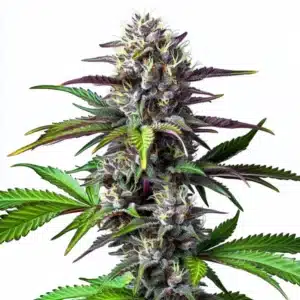
Strains like OG Kush from Blimburn Seeds are known for their resilience. This resilience is partly due to the robust microbial communities in cannabis rhizosphere, the area surrounding plant roots. These microbes work together to enhance nutrient availability and improve plant health.
The microbial diversity in cannabis cultivation not only aids in nutrient cycling but also in promoting plant growth hormones. These hormones can stimulate root development, leading to a stronger and more efficient root system. This is especially beneficial for cannabis plants as it allows them to absorb water and nutrients more effectively, which is crucial for maximizing growth and yield.
Moreover, a diverse microbial community can also help in detoxifying the soil, breaking down harmful substances that could otherwise inhibit plant growth. This natural soil cleansing process ensures that cannabis plants have a healthier environment to thrive in, leading to more vigorous growth and higher quality yields.
Cannabis Soil Microbiome Interactions
The interactions between cannabis plants and their soil microbiome are symbiotic. Plants release organic compounds through their roots, which serve as food for microbes. In return, these microbes convert nutrients into a form that plants can easily absorb. This relationship is crucial, especially in organic growing systems.
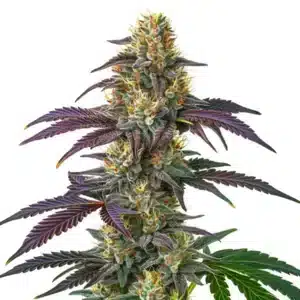
For instance, when growing the Critical Daddy Purple from Blimburn Seeds, maintaining a healthy soil microbiome can significantly impact the plant’s growth and yield. The microbes in the soil help break down organic matter, releasing nutrients that contribute to the plant’s vigor and productivity.
The cannabis soil microbiome interactions are also vital in shaping the plant’s immune system. By establishing a well-balanced microbial community around the roots, plants are better equipped to fend off diseases and pests. This natural defense mechanism reduces the reliance on chemical pesticides, promoting a more organic cultivation approach.
Additionally, these interactions can facilitate the breaking down of complex organic materials into simpler forms that plants can readily use. This enhanced nutrient cycling not only boosts plant health but also improves the sustainability of the growing environment, making it more resilient to changes and stressors.
Promos & Deals

Beneficial Microbes in Cannabis Growth
Beneficial microbes are crucial allies in cannabis cultivation. They include specific bacteria and fungi that support plant health. These microbes help in nutrient cycling, making essential elements like nitrogen and phosphorus more available to the plant.
Using microbial inoculants can be a game-changer for growers. These products introduce beneficial microbes into the soil, enhancing microbial communities in cannabis rhizosphere. When applied to strains like Sour Diesel, the results can be impressive, with increased growth rates and enhanced resilience.
Besides to nutrient cycling, beneficial microbes in cannabis growth can improve soil structure. Fungal networks, for instance, create a complex web that helps to bind soil particles together, improving aeration and water retention. This is particularly advantageous for cannabis plants, which thrive in well-drained yet moisture-retentive soils.
Furthermore, beneficial microbes can secrete growth-promoting substances such as indole acetic acid (IAA), which can stimulate root elongation and enhance root branching. These improvements in the root system allow cannabis plants to explore a greater volume of soil, accessing more nutrients and water to support robust growth.
Impact of Microbes on Cannabis Yield
Microbes have a direct impact on the yield of cannabis plants. By improving nutrient uptake and protecting against pathogens, they ensure that the plants can grow to their full potential. This is particularly important for commercial growers looking to maximize their output.
In the case of OG Kush, enhancing microbial diversity in cannabis cultivation can lead to larger, more potent buds. The right balance of bacteria and fungi around the roots helps in efficient nutrient absorption, leading to robust plant growth.
Additionally, the impact of microbes on cannabis yield extends to the quality of the harvest. Microbial communities in cannabis rhizosphere can enhance the synthesis of secondary metabolites, including cannabinoids and terpenes, which are critical for the plant’s medicinal and aromatic properties.
Furthermore, a healthy microbial ecology of cannabis plants can reduce the time to maturity, allowing growers to achieve faster harvest cycles. This increased efficiency is a significant advantage for commercial operations aiming to maximize their production rates and profitability.
Practical Tips for Enhancing Microbial Ecology
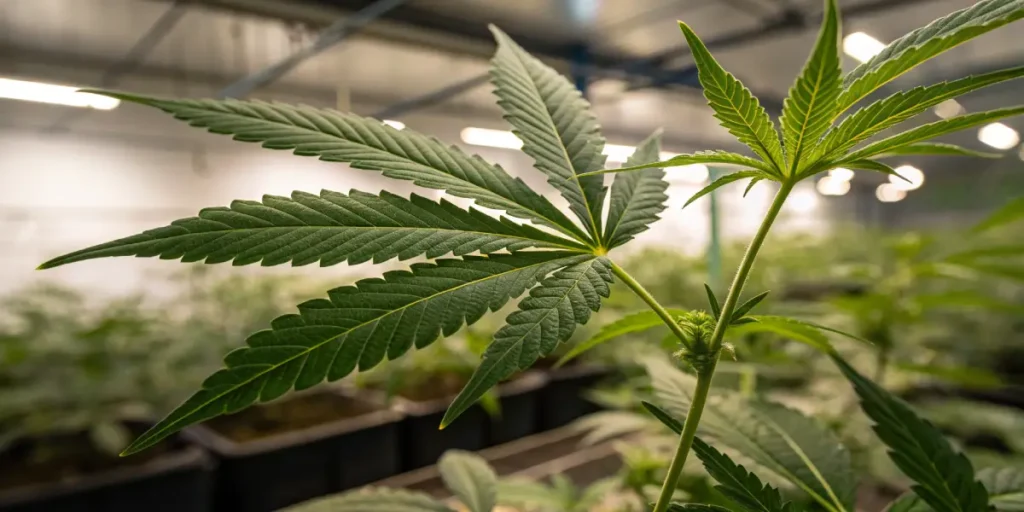
For growers looking to optimize the microbial ecology of cannabis plants, there are several practical steps to consider. First, focus on building a healthy soil foundation. Use organic amendments and compost to encourage beneficial microbe activity.
Consider rotating strains like Critical Daddy Purple to maintain soil health and prevent the build-up of harmful pathogens. Crop rotation can enhance microbial diversity and ensure that nutrients are not depleted over time.
- Use microbial inoculants to introduce beneficial bacteria and fungi.
- Maintain proper soil moisture levels to support microbe activity.
- Regularly test soil pH to ensure it remains within the optimal range for microbial growth.
Another effective strategy is to implement cover cropping, which involves planting complementary species alongside cannabis. These cover crops can host additional microbial communities, further enriching the soil ecology and improving nutrient cycling.
Finally, reducing soil disturbance through minimal tillage practices can preserve the integrity of the soil structure and its microbial inhabitants. This approach helps maintain stable microbial communities in cannabis rhizosphere, leading to healthier and more productive plants.
FAQs About Microbial Ecology of Cannabis Plants
What are the benefits of using microbial inoculants?
Microbial inoculants introduce beneficial microbes into the soil, enhancing the natural microbial ecology of cannabis plants. These products can improve nutrient uptake, leading to healthier plants and higher yields. They are especially useful in sterile or nutrient-poor soils where natural microbial populations are low.
For example, if you’re growing Sour Diesel in a new setup, adding inoculants can jump-start the microbial activity, ensuring that your plants receive all the nutrients they need right from the start. This can lead to more vigorous growth and better overall plant health.
Moreover, microbial inoculants can help establish a robust microbial community more quickly, reducing the time it takes for the soil ecosystem to reach a state of balance. This rapid establishment is crucial for plants that are highly sensitive to nutrient imbalances, ensuring they receive a consistent supply of essential elements from the early stages of growth.
Besides to nutrient uptake, these inoculants can also improve soil health by suppressing soil-borne pathogens. By introducing beneficial microbes, the inoculants crowd out harmful pathogens, reducing the likelihood of disease outbreaks and contributing to more resilient cannabis plants.
How do microbes protect cannabis plants from pathogens?
Beneficial microbes compete with pathogens for resources, effectively crowding them out. Some microbes produce antibiotics that kill harmful pathogens, while others trigger the plant’s immune response. This biological warfare keeps the plant healthier and reduces the need for chemical pesticides.
Strains like OG Kush, when grown in microbially rich soil, are less likely to suffer from diseases. The beneficial microbes form a protective shield around the roots, ensuring that the plant’s energy goes into growth rather than defense.
Additionally, certain beneficial microbes can induce systemic resistance in cannabis plants, priming them to respond more effectively to pathogen attacks. This enhanced immune response not only protects the plant from immediate threats but also provides long-term resilience against a variety of pests and diseases.
Furthermore, microbial communities in cannabis rhizosphere can improve the plant’s tolerance to abiotic stresses, such as drought or salinity. By maintaining optimal root health and nutrient uptake, microbes help plants cope better with environmental challenges, resulting in more consistent yields and quality.
Can I enhance microbial diversity with organic matter?
Yes, adding organic matter like compost or aged manure is an excellent way to enhance microbial diversity in cannabis cultivation. These materials provide food for microbes, encouraging their growth and activity. Organic matter also improves soil structure, allowing for better air and water flow.
When growing Critical Daddy Purple, incorporating organic matter can result in a more thriving microbial community. This leads to better nutrient cycling and a more robust plant, ultimately impacting yield and quality positively.
Incorporating a variety of organic matter sources, such as leaf litter, crop residues, and green manures, can further increase microbial diversity. Each of these materials supports different microbial populations, contributing to a more complex and stable soil ecosystem.
Moreover, organic matter can enhance the soil’s water-holding capacity, reducing the need for frequent irrigation and helping to maintain consistent soil moisture levels. This stability supports continuous microbial activity, which is essential for maintaining the health and productivity of cannabis plants.
What is the relationship between microbes and cannabis terpenes?
Microbial communities in cannabis rhizosphere can influence the production of terpenes, which are responsible for the plant’s aroma and flavor. Certain microbes can enhance specific terpene profiles, adding to the complexity of the plant’s scent and taste.
For growers of Sour Diesel, fostering the right microbial ecology can lead to a more pronounced and desirable terpene profile. This not only improves the quality of the buds but can also make them more appealing to consumers seeking specific aromatic characteristics.
Additionally, the interaction between microbes and cannabis plants can lead to the production of unique terpenes not typically found in less microbially diverse environments. This can differentiate a grower’s product in the market, offering distinctive aroma and flavor profiles that are highly sought after by cannabis connoisseurs.
Furthermore, some beneficial microbes can enhance the plant’s ability to synthesize secondary metabolites, including terpenes, by improving nutrient uptake and stress tolerance. This can lead to a more robust expression of the plant’s natural genetic potential, resulting in higher concentrations of desirable compounds.
How does soil pH affect microbial ecology?
Soil pH plays a critical role in microbial ecology of cannabis plants. Most beneficial microbes thrive in a slightly acidic to neutral pH range. If the soil is too acidic or too alkaline, it can inhibit microbial activity, reducing nutrient availability to the plant.
Regularly testing and adjusting the soil pH can help maintain a thriving microbial community, ensuring optimal nutrient uptake and plant health. This is vital for strains like OG Kush, which require precise growing conditions to produce high-quality yields.
Maintaining the correct soil pH can also influence the diversity and function of microbial communities in cannabis rhizosphere. Different microbes have varying pH preferences, and achieving the right balance can support a wider range of beneficial organisms, enhancing overall soil health and fertility.
Moreover, soil pH can affect the solubility of nutrients, impacting their availability to both plants and microbes. By keeping the pH within an optimal range, growers can ensure that both plants and their microbial partners have access to the nutrients they need for vigorous growth and development.