THCP Flower: What It Is, Effects and How It Is Grown

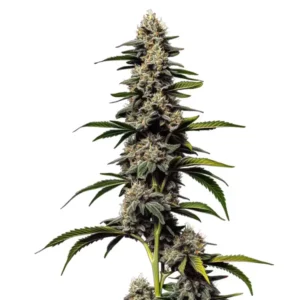
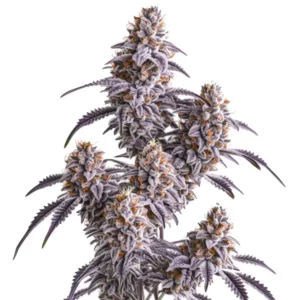
THCP flower is cannabis naturally rich in THCP (tetrahydrocannabiphorol), a minor cannabinoid that binds far more strongly to the body’s CB1 receptors than ordinary THC. That strong binding is why THCP flower has a reputation for intense effects. Because it comes from the plant’s own genetics, the way to get THCP-rich flower is to grow the right strains from seed, which is what this guide covers.
What sets THCP flower apart is its cannabinoid profile. THCP binds more strongly to CB1 receptors than THC, so even small amounts can feel disproportionately potent. For growers, that means selecting genetics bred for higher THCP expression and then dialing in cultivation to let that potential show up in the finished flower.
Recommended Strains

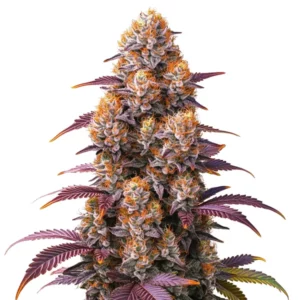
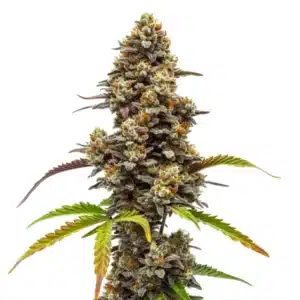
Mimosa

|
THC | 24% - 30% (High) |

|
Type | Feminized |

|
Yield | High |

|
Phenotype | 30% Indica / 70% Sativa |

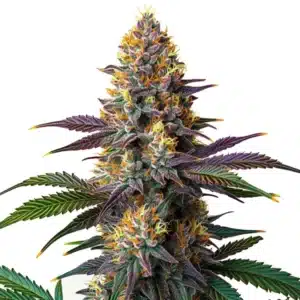
Mimosa Cake Auto
|
|
THC | 22% - 24% (High) |
|
|
Type | Autoflowering |
|
|
Yield | High |
|
|
Phenotype | 40% Indica / 60% Sativa |
What Is THCP and Why Is It So Potent?
THCP, or tetrahydrocannabiphorol, stands out for how tightly it binds to CB1 receptors in the brain. Early laboratory research suggests its binding affinity may be many times greater than THC’s, which helps explain reports of unusually strong effects. It is worth stressing that strong binding in a lab does not translate one-to-one to the strength you feel, and research is still young.
The right genetics let a plant express measurable THCP in its flower, typically a fraction of a percent (often cited around 0.1-0.3%). That sounds tiny next to THC figures, but because THCP binds so strongly, even those small concentrations can contribute noticeably to the overall effect alongside the plant’s THC.
Promos & Deals

How to Grow THCP-Rich Flower
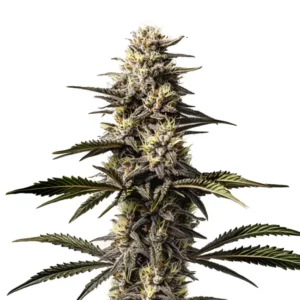
Growing THCP-rich flower follows strong general cannabis practice, with discipline on the details. Hold 68-77 F (20-25 C) and 50-60% humidity in veg under an 18/6 light schedule, then switch to 12/12 to flower and lean the feed toward phosphorus and potassium (a roughly 1:3:2 N-P-K in bloom). Keep pH around 5.8-6.2 and avoid over-fertilizing, which causes lockout and actually lowers cannabinoid output.
In flower, keep the 12/12 photoperiod strict and drop humidity to 40-50% RH to protect dense buds from rot. A clean, well-ventilated room in late flower preserves both the flower and the delicate cannabinoids and aromatics you grew it for. Genetics still set the ceiling, so start from strains selected for potency.
Effects and Benefits of THCP Flower
THCP flower is sought out for its intensity: because THCP binds so effectively to CB1 receptors, users often report a stronger, longer high than with comparable THC flower, which makes it better suited to experienced consumers. As with any cannabis, aromatic terpenes such as myrcene and caryophyllene shape the flavor and round out the experience through the entourage effect.
THCP flower is not only about raw strength; it is also about how THCP works alongside other cannabinoids and terpenes. This synergy, the entourage effect, is thought to shape the character of the high. Terpenes like myrcene and caryophyllene are part of that mix, influencing aroma, flavor and the overall feel of each strain.
Legal Status and Buying Safely
THCP’s legal status is unsettled and varies by state in the U.S., so always check your local laws before buying or growing anything THCP-related. If you do buy flower, choose lab-tested products from reputable sources and avoid unverified sellers. If you prefer to grow your own, start from quality genetics; learn more about the cannabinoid in our guide to what THCP is.
| Feature | GG4 Fast Version | Super Lemon Haze | Amnesia Lemon Fast |
|---|---|---|---|
| Relative THCP | Higher | Lower | Medium |
| Yield | ~1.8 oz/ft2 (550 g/m2) | ~2 oz/ft2 (600 g/m2) | ~1.6 oz/ft2 (500 g/m2) |
| Flowering | 7-8 weeks | 9-10 weeks | 8-9 weeks |
| Dominant terpene | Myrcene | Limonene | Caryophyllene |
| Resistance | High | Medium | High |
THCP vs THC vs Delta-8: How They Compare
It helps to place THCP next to the cannabinoids people already know:
| Cannabinoid | Relative potency | Typical feel |
|---|---|---|
| Delta-8 THC | Milder than regular THC | Gentle, clear-headed |
| Delta-9 THC | The familiar benchmark | Classic cannabis high |
| THCP | Binds far more strongly in lab tests | Reported as intense and long-lasting |
The key difference is receptor binding: THCP attaches to CB1 receptors much more tightly than Delta-9 THC, which is why even small amounts are described as powerful. Delta-8 sits at the mild end of the scale.
Who Should Be Cautious With THCP
Because of its strength, THCP is not a good starting point for beginners or anyone sensitive to THC. Start with a very small amount, wait to feel the full effect before taking more, and avoid driving or operating machinery. If you are pregnant, taking medication or managing a health condition, speak with a healthcare professional first. Treat THCP with more caution than ordinary THC.
In particular, anyone who is pregnant or breastfeeding, taking medication, or managing a heart condition or anxiety disorder should be especially careful, and so should anyone facing a drug test, since THCP can trigger a positive. If you do try it, start with a microdose and wait well before considering more. None of this is medical advice, so check with a professional if you have any doubt.

FAQs About THCP
What is THCP flower?
THCP flower is cannabis naturally containing THCP (tetrahydrocannabiphorol), a minor cannabinoid that binds more strongly to CB1 receptors than THC. Even in small amounts it can add noticeable potency. It is produced by growing strains bred to express THCP, not by spraying or adding anything to the bud.
Is THCP stronger than THC?
At the receptor level, yes: early research shows THCP binds to CB1 receptors much more tightly than THC, so gram for gram it is more potent. Real-world strength depends on how much THCP a flower actually contains, which is usually very low. Start slow and treat THCP products with respect.
Can you grow THCP flower from seed?
Yes. THCP content comes from genetics, so growing flower rich in it means choosing strains bred for higher THCP expression and then cultivating them well. Standard best practices apply: stable climate, correct bloom nutrients and a careful dry and cure to preserve both cannabinoids and aroma.
Is THCP flower legal?
It depends on where you live. In the U.S., THCP’s legal status varies by state and is still evolving, and rules differ again in other countries. Always check current local law before buying, growing or possessing THCP flower or seeds, and rely on lab-tested products from reputable sources.
Does THCP show up on a drug test?
Very likely yes. THCP is a THC-type cannabinoid and is metabolized similarly, so it can trigger a positive on a standard THC urine test. If you face drug testing, treat THCP exactly as you would regular THC and avoid it beforehand. Detection windows vary by frequency of use and individual metabolism.