Proven Insights on Uncertainty and Repeatability in Cannabinoid Degradation Measurements

Knowing the uncertainty and repeatability in cannabinoid degradation measurements is crucial for both novice and seasoned cannabis growers. It’s an essential factor when deciding which strains to cultivate and how to store harvested cannabis. This topic directly affects the quality and potency of your cannabis products over time.
Inconsistencies in measurement can lead to unexpected results in both THC and CBD levels, impacting the overall experience for consumers. For instance, if you’re growing a strain like Blue Dream from Blimburn Seeds, you want to ensure that its cannabinoid profile remains as expected.
Recommended Strains

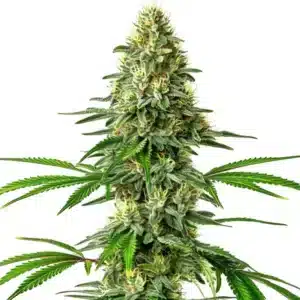
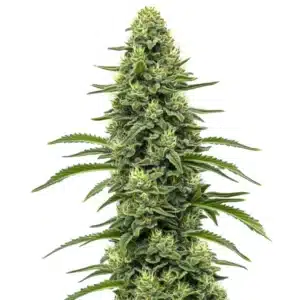
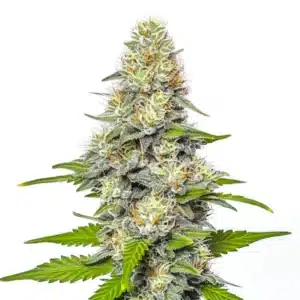
Sour Diesel

|
THC | 22% - 25% (High) |

|
Type | Feminized |

|
Yield | High |

|
Phenotype | 30% Indica / 70% Sativa |

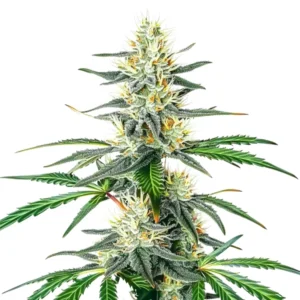
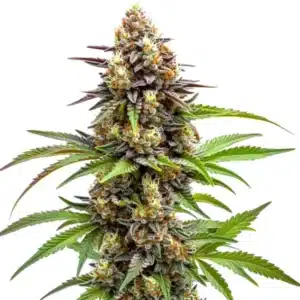
Tangie
|
|
THC | 19% - 22% (Medium) |
|
|
Type | Feminized |
|
|
Yield | High |
|
|
Phenotype | 30% Indica / 70% Sativa |
To gain accurate insights into cannabinoid degradation, it’s important to consider various factors that contribute to measurement uncertainty. From environmental conditions to analytical techniques, each element plays a vital role in determining the stability of cannabinoids.
Factors Influencing Uncertainty and Repeatability
Several factors contribute to the uncertainty and repeatability in cannabinoid degradation measurements. They include environmental conditions, analytical methods, and the inherent variability in biological samples. Knowing these can help reduce variability in THC and CBD degradation rates.
Temperature and humidity are significant environmental factors. For example, storing your cannabis in a high-humidity area can accelerate degradation. Strains like Sour Diesel from Blimburn Seeds require careful storage to maintain their quality. Utilizing consistent storage conditions helps in achieving precision in measuring cannabinoid stability over time.
Another critical factor is the variability in THC and CBD degradation rates, which can differ significantly between strains. This variability makes it essential to tailor storage and cultivation methods to each specific strain. By acknowledging these differences, growers can better manage their crops to ensure maximum potency and consumer satisfaction.
Moreover, the analytical methods used to measure cannabinoid degradation must be consistent and reliable. Employing standardized procedures when analyzing samples ensures that any results are reproducible, reducing uncertainty in cannabis compound degradation analysis and providing a clearer picture of the product’s stability.
Analytical Techniques and Their Role
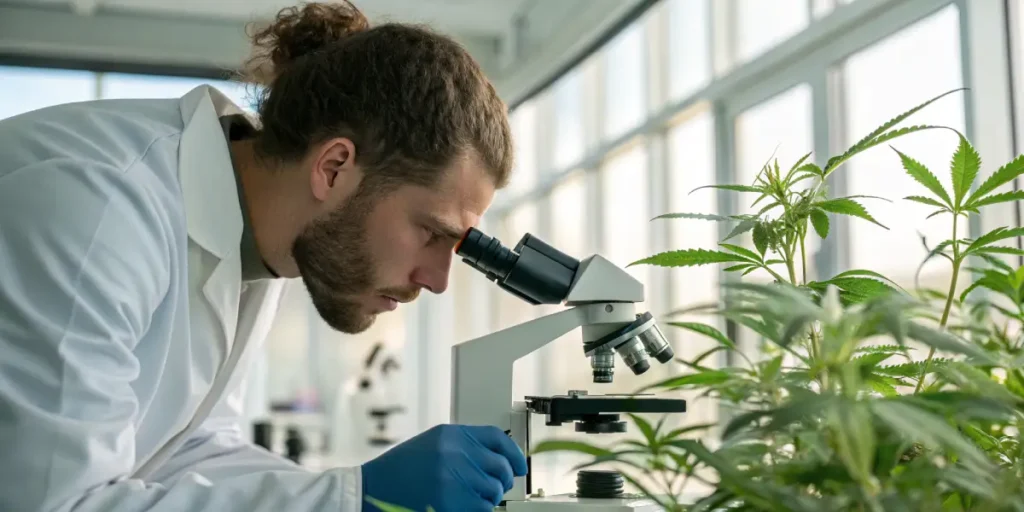
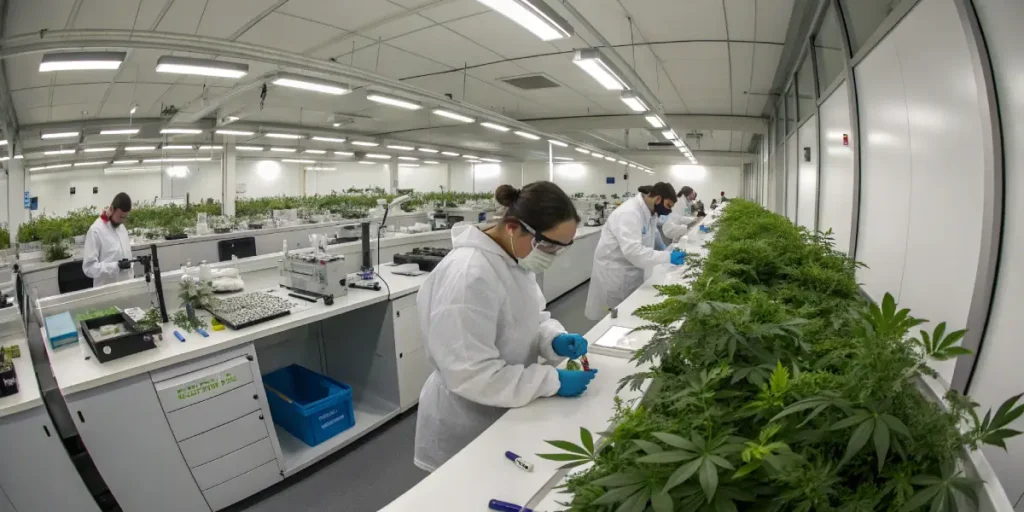
Analytical techniques are pivotal for accurate cannabinoid degradation measurement repeatability. Methods like gas chromatography and liquid chromatography are commonly used. Each has its pros and cons, affecting the repeatability of results. For instance, gas chromatography may alter the cannabinoids during analysis, influencing results.
Liquid chromatography, on the other hand, is less likely to alter the sample, providing more reliable data. However, it’s essential to calibrate equipment regularly to minimize uncertainty in cannabis compound degradation analysis. Consistent calibration ensures accurate measurements.
Precision in measuring cannabinoid stability over time is enhanced by choosing the right analytical method. The selection of techniques should be aligned with the specific goals and constraints of the cannabis operation. Liquid chromatography, for instance, offers a higher degree of precision, which is crucial for maintaining the integrity of strains like Tangie.
Addressing cannabinoid degradation measurement repeatability issues involves not only choosing the right equipment but also training personnel to follow strict protocols. Proper training ensures that all measurements are conducted consistently, thereby reducing variability and enhancing reliability in results.
Real-Life Applications and Considerations
Practical application of these insights can be seen in how growers manage their crops and storage. For instance, knowing factors affecting repeatability in cannabinoid breakdown studies can guide how you store your cannabis post-harvest. This knowledge helps maintain potency and flavor, crucial for consumer satisfaction.
For home growers, simple practices like using airtight containers and keeping them in a cool, dark place can make a difference. On a larger scale, commercial growers may invest in climate-controlled storage facilities to ensure consistency across large batches.
Incorporating these practices into daily operations can help mitigate issues related to cannabinoid degradation measurement repeatability. By controlling variables such as temperature and humidity, growers can extend the shelf life of their products, ensuring that consumers receive cannabis with the desired potency.
For businesses, investing in advanced storage solutions and regular monitoring can improve outcomes. This approach not only enhances customer satisfaction but also builds trust in the brand, as consumers know they are receiving products that meet advertised quality standards, especially with strains from Blimburn Seeds.
Promos & Deals

FAQs about uncertainty and repeatability in cannabinoid degradation measurements
What causes variability in THC and CBD degradation rates?
Variability in THC and CBD degradation rates often stems from environmental influences and the inherent variability in the cannabis plant itself. Factors such as temperature, humidity, and light exposure can speed up or slow down degradation processes. Each strain has unique characteristics, making it crucial to tailor storage and handling practices accordingly.
For instance, some strains may be more resilient to temperature fluctuations, while others, like those from Blimburn Seeds, require specific conditions to maintain their cannabinoid profile. Knowing these nuances allows for better management of storage conditions, minimizing variability.
How can I improve repeatability in cannabinoid degradation measurements?
Improving repeatability involves controlling external factors and using consistent analytical methods. Ensure that your cannabis samples are stored under standardized conditions to reduce degradation variability. Regularly calibrating analytical equipment is also essential for obtaining consistent results.
Adopting a systematic approach to sampling and analysis can further enhance repeatability. Keeping detailed records of environmental conditions and using reliable methods like liquid chromatography can help maintain consistency over time.
Why is precision important in measuring cannabinoid stability over time?
Precision in measuring cannabinoid stability over time is vital for ensuring the product’s quality and efficacy. Accurate measurements allow growers and manufacturers to label their products accurately, ensuring consumers receive the expected potency and effects. This is particularly important for medicinal cannabis users who rely on precise dosages.
For recreational users, precision helps maintain the desired experience, from taste to psychoactive effects. By ensuring accurate measurements, you contribute to consumer trust and satisfaction, which is crucial for any cannabis business.
What are some common issues with cannabinoid degradation measurement repeatability?
Common issues include inconsistent sampling methods, environmental fluctuations, and analytical errors. These can lead to significant variability in results, making it difficult to predict the shelf life and potency of cannabis products. Addressing these issues requires a standardized approach to both storage and analysis.
Using high-quality equipment and following strict protocols can help mitigate these problems. Additionally, investing in training for personnel involved in the analysis process ensures that measurements are as accurate and repeatable as possible.
How does Blimburn Seeds ensure the quality and stability of their cannabis strains?
Blimburn Seeds focuses on breeding stable and resilient strains to ensure high-quality cannabis. Their selection process involves rigorous testing to identify strains with desirable characteristics, such as stability in cannabinoid profiles and resistance to environmental stressors.
By providing detailed growing guides and best practices, Blimburn Seeds supports growers in achieving optimal results. Their commitment to quality ensures that whether you’re growing Blue Dream, Sour Diesel, or Tangie, you can expect consistent and reliable outcomes.
Related articles
Want to dig further into this subject? We cover it from other angles in Expert Guide: Proven Retail Last-Mile Light Exposure & Potency Loss and Proven Insights: Curing in Light vs Dark’s Impact on Cannabinoid Stability, so give them a read to round out your understanding before your next grow.