Proven Insights: Curing in Light vs Dark’s Impact on Cannabinoid Stability

Curing in light vs dark: impact on cannabinoid stability is a hot topic among cannabis growers. When you cure cannabis, you’re preserving its potency and flavor. But did you know that the way you cure can affect cannabinoid stability? Light and dark curing methods have different effects on your crop’s final quality.
Many seasoned growers believe that curing in the dark is the way to go. Removing light prevents cannabinoid degradation. But what about those who cure in the light? They argue that small amounts of light can enhance certain properties. This debate has gained traction as growers search for the best methods.
Recommended Strains

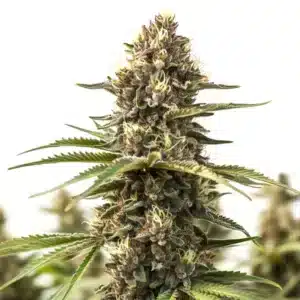
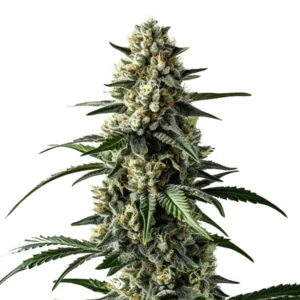
GG4

|
THC | 27% (High) |

|
Type | Feminized |

|
Yield | High |

|
Phenotype | 40% Indica / 60% Sativa |
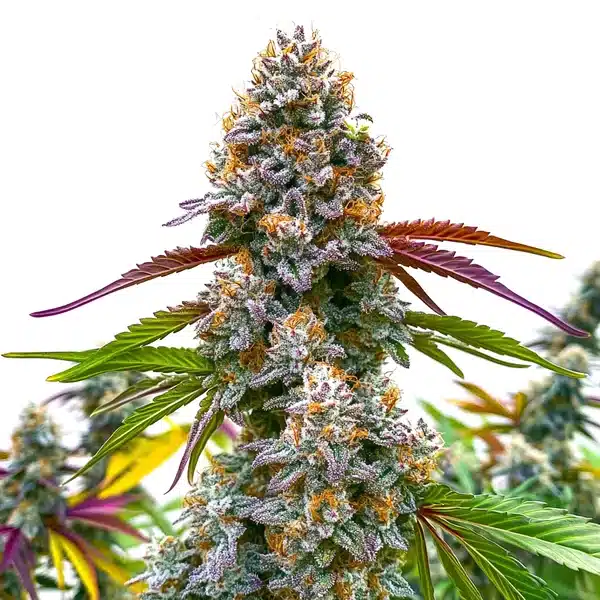
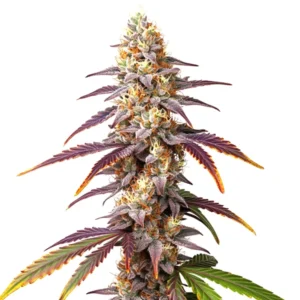
Critical Daddy Purple
|
|
THC | 19% (Medium) |
|
|
Type | Feminized |
|
|
Yield | High |
|
|
Phenotype | 50% Indica / 50% Sativa |
Let’s dive into how light and dark curing methods affect cannabinoid stability. Whether you’re a first-time grower or a seasoned pro, knowing these differences can help you make informed choices.
The Effects of Light on Curing Cannabinoids
Light exposure can degrade cannabinoids. When cannabinoids are exposed to light, they can lose potency. This process is known as light-induced degradation. It happens because UV rays break down the chemical structure of cannabinoids.
Some growers argue that a little light exposure is beneficial. It can help boost certain terpenes, which are the aromatic compounds in cannabis. Terpenes contribute to the unique smell and taste of different strains. However, too much light can lead to cannabinoid degradation during curing.
In curing in light vs dark: impact on cannabinoid stability, light exposure can be a double-edged sword. While it may enhance terpenes, it also risks compromising the plant’s chemical integrity. The impact of light on curing cannabinoids must be carefully managed to balance these effects.
Knowing the relationship between light exposure and cannabinoid degradation during curing is crucial. Growers need to evaluate their lighting conditions and possibly adjust them to minimize degradation while maximizing beneficial effects. This nuanced approach can help in achieving optimal results for their crops.
Promos & Deals
Dark Curing Effects on Cannabinoid Preservation
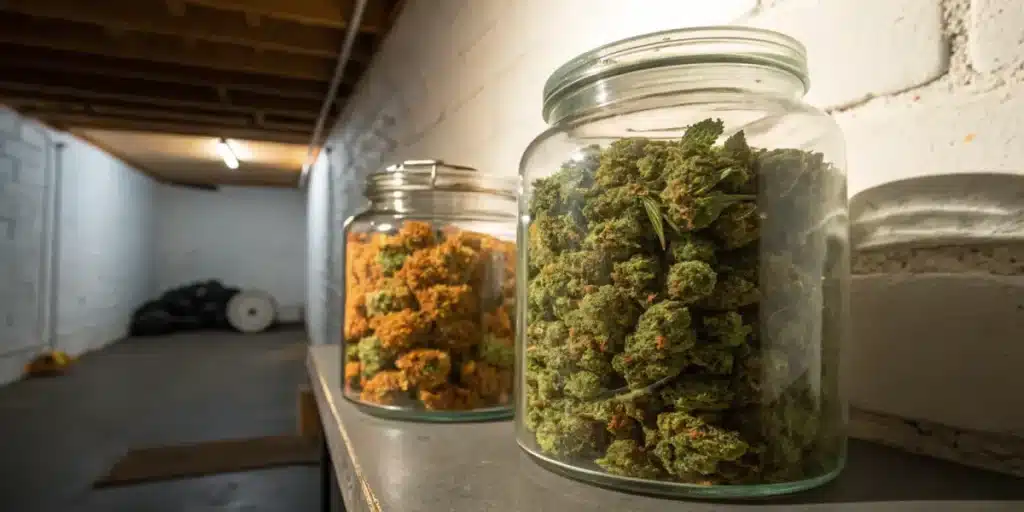
Dark curing is favored for preserving cannabinoids. Without light, cannabinoids remain more stable. This means the plant retains its potency longer. Growers who prefer this method aim to maximize the quality of their yield.
Dark conditions prevent the breakdown of THC, the main psychoactive compound in cannabis. This ensures that the final product is as potent as possible. Strains like GG4 from Blimburn Seeds benefit from dark curing due to their high THC content.
The dark curing effects on cannabinoid preservation are widely recognized. By eliminating light exposure, growers can maintain cannabinoid stability in light versus dark conditions. This method is especially beneficial for strains with high concentrations of THC and CBD, ensuring their properties are preserved.
Incorporating dark curing strategies can lead to a more robust product. The absence of light-induced degradation allows the full spectrum of cannabinoids to be retained. This approach highlights the importance of environmental control in the curing process to enhance the overall stability and quality of the yield.
Cannabinoid Stability During Light and Dark Curing
When considering curing in light vs dark, impact on cannabinoid stability is crucial. In dark environments, the absence of light helps maintain cannabinoid integrity. This is particularly important for strains rich in THC and CBD.
Light curing can work for some strains, but it’s a delicate balance. Growers often use it for strains like Critical Daddy Purple to enhance specific terpenes. However, protection from direct sunlight is still necessary to avoid degradation.
Cannabinoid stability during light and dark curing involves knowing the specific needs of each strain. Each approach has its pros and cons, and growers must weigh these carefully. The stability of cannabinoids significantly impacts the final product’s quality and consumer experience.
By experimenting with different curing environments, growers can identify the optimal conditions for their specific strains. This may involve hybrid approaches that blend light and dark curing techniques to maximize both potency and flavor. Such tailored strategies can enhance the overall impact of curing methods on cannabinoid stability.
Practical Tips for Curing Cannabis
Whether you choose light or dark, there are some best practices to follow. First, control the humidity and temperature. Ideal conditions are around 60% humidity and 70°F. This prevents mold and ensures the curing process goes smoothly.
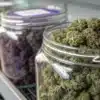
Use airtight containers to minimize oxygen exposure. This helps maintain the quality of your cannabis during curing. Regularly check your buds for any signs of mold or dryness.
For those exploring curing in light vs dark: impact on cannabinoid stability, it’s vital to adapt techniques to the chosen method. Using indirect light for light curing can help mitigate risks while reaping benefits. For dark curing, maintaining a consistently dark environment is key.
Monitoring environmental factors such as humidity and temperature is critical. These factors directly influence cannabinoid stability during light and dark curing. Proper adjustments ensure a successful curing process and a high-quality final product.
Strains and Their Curing Preferences
Different strains have different curing needs. High-THC strains like GG4 are best cured in dark conditions. This preserves their psychoactive properties. On the other hand, strains with unique terpene profiles might benefit from controlled light exposure.
Blimburn Seeds offers strains like Critical Daddy Purple, which may benefit from a hybrid approach. A mix of dark with brief periods of light can enhance its aromatic qualities.
Knowing strain-specific requirements is essential when considering cannabinoid stability in light versus dark conditions. Each strain’s unique chemical profile dictates its optimal curing environment. This knowledge allows growers to tailor their methods for the best results.
By collaborating with breeders like Blimburn Seeds, growers can access detailed information about each strain’s characteristics. This partnership aids in selecting the most suitable curing approach, ensuring the preservation of both potency and flavor.
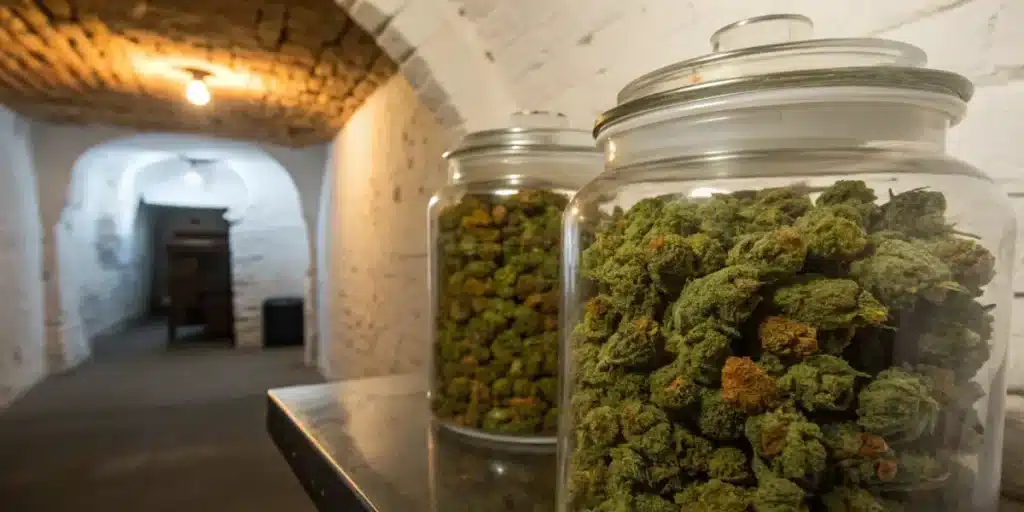
FAQs about curing in light vs dark: impact on cannabinoid stability
What is the best environment for curing cannabis?
The best environment for curing cannabis involves controlling humidity and temperature. Keeping humidity around 60% and temperature near 70°F helps prevent mold and ensures a smooth curing process. These conditions are crucial for both light and dark curing methods.
Choosing the right environment also means using airtight containers to limit oxygen exposure. This helps maintain cannabinoid stability, whether you’re curing in light or dark. Regular monitoring is essential to catch any issues early.
Effective environmental management is a cornerstone of successful curing. By maintaining optimal conditions, growers can ensure cannabinoid stability during light and dark curing. This helps in achieving a well-preserved and high-quality final product.
Exploring the nuances of different curing environments enables growers to identify the best practices for their specific strains. This adaptability is key to overcoming challenges and maximizing the impact of curing on cannabinoid stability.
Can light curing improve the flavor of cannabis?
Some growers believe that light curing can enhance the flavor of certain strains. The key is using indirect light to boost specific terpenes without causing cannabinoid degradation. Strains with unique terpene profiles might benefit from this approach.
However, too much light exposure can lead to cannabinoid instability. It’s important to find a balance that preserves the strain’s potency while potentially enhancing its flavor profile. Experimenting with light intensity and timing can help achieve this.
The impact of light on curing cannabinoids includes both potential benefits and risks. By carefully managing light exposure, growers can enhance desirable traits while avoiding degradation. This strategic approach can lead to a more flavorful and potent product.
Ultimately, light curing requires a nuanced knowing of each strain’s properties. By experimenting with different light conditions, growers can fine-tune their methods to achieve the best possible outcomes in terms of flavor and cannabinoid stability.
Why does dark curing preserve cannabinoids better?
Dark curing preserves cannabinoids because it eliminates light exposure. Light can break down cannabinoids like THC and CBD, leading to a loss in potency. By keeping cannabis in the dark, you maintain its chemical integrity.
This method is especially effective for high-THC strains. Without light-induced degradation, these strains retain their psychoactive properties. Growers looking to maximize potency often prefer dark curing methods.
Dark curing effects on cannabinoid preservation are profound. By shielding the plant from light, growers can ensure the retention of essential compounds. This method is ideal for those prioritizing potency and long-term stability.
Knowing the science behind dark curing allows growers to optimize their approach. By focusing on maintaining a consistent dark environment, they can effectively combat degradation and enhance the overall quality of their yield.
Is there a risk of mold during dark curing?
Yes, there is a risk of mold during dark curing if humidity levels are not properly managed. Maintaining humidity around 60% is crucial to prevent mold growth while preserving cannabinoids. Proper airflow and regular checks are important to avoid mold issues.
Airtight containers can help control the environment, but they should be monitored closely. Opening them periodically for air exchange can help keep mold at bay without exposing the cannabis to too much oxygen.
Managing mold risk is a critical aspect of the curing process. By maintaining optimal humidity and airflow, growers can protect their crops from mold while preserving cannabinoid stability. This balance is essential for a successful curing outcome.
Regular inspections and environmental adjustments are part of proactive mold prevention. By staying vigilant, growers can ensure their curing process is both safe and effective, leading to a high-quality final product.
How long should the curing process last?
Typically, the curing process lasts between 2 to 4 weeks. However, some growers extend it to 6 weeks or more to achieve optimal results. The duration can vary based on the strain and the curing method used.
During this time, regularly check the cannabis for signs of mold or dryness. Adjusting the environment as needed ensures the curing process is effective, whether you choose light or dark curing methods.
The duration of the curing process can significantly impact cannabinoid stability in light versus dark conditions. Patience and precision in timing are essential to achieving the best possible results for each strain.
By knowing the specific needs of their strains, growers can tailor the curing timeline to maximize potency and flavor. This attention to detail is crucial for producing a superior cannabis product.
Continue exploring
For a deeper dive, we recommend reading Proven Protocol to Quantify THC Degradation Under UV Light Easily together with Expert Guide: Proven Light Exposure Impact on Concentrates & Extracts. Both expand on the points above and help you apply them in a real cannabis garden.