Optimizing Autoflower Light Intensity Indoors

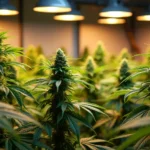
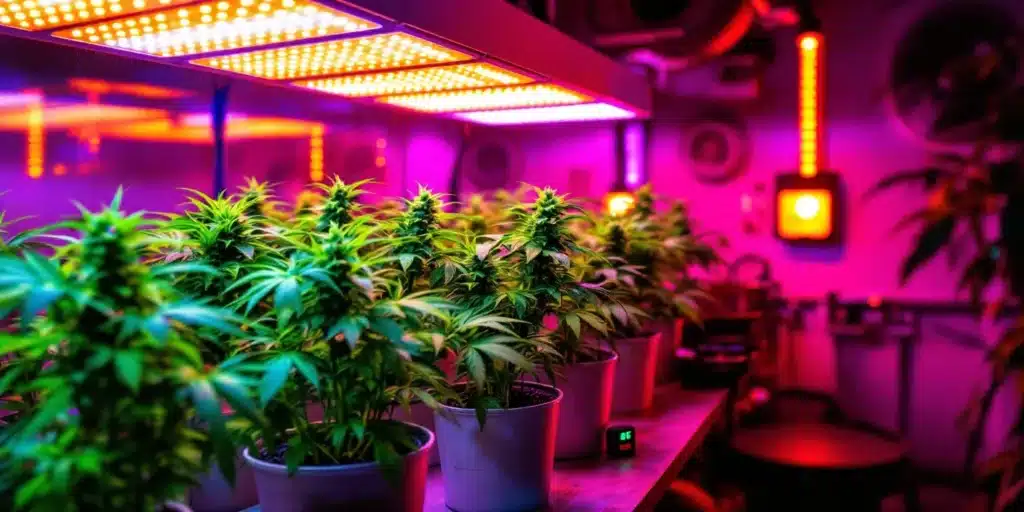
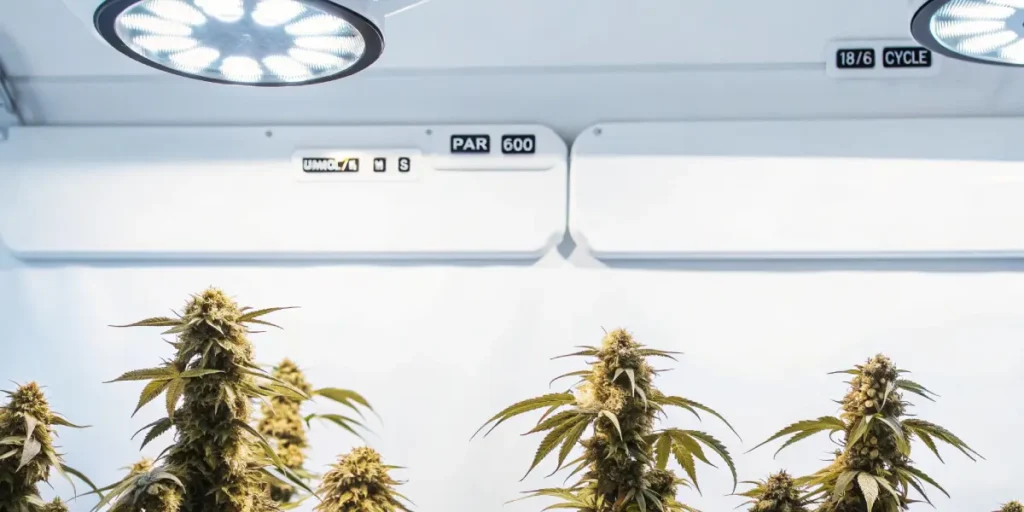
For the right autoflower light intensity indoors, target a PPFD of roughly 200-400 umol/m2/s for seedlings, 400-600 during veg and 600-800 in flower, measured at the canopy. Run an 18/6 light cycle for a balance of growth and energy use. When growing autoflower with LED lights, keep the fixture at the manufacturer’s recommended height and dim it for young plants, autoflowers run on an internal clock, so steady, correctly-dialled intensity matters more than long hours.
Autoflower Light Intensity Chart (PPFD by Stage)
Use this chart as your baseline, then adjust to the plant’s response. Readings are PPFD at the top of the canopy:
Recommended Strains
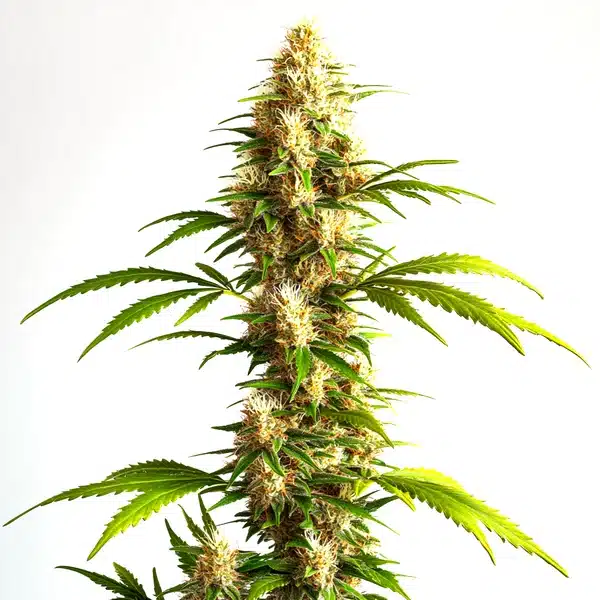
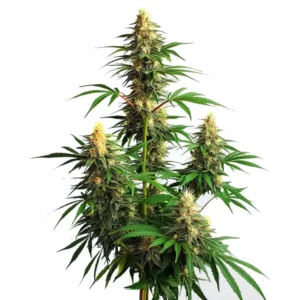
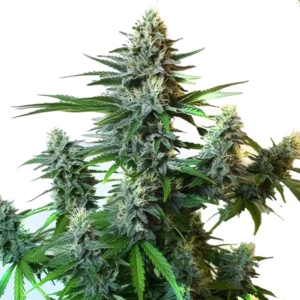
Critical 2.0 Auto

|
THC | 18% - 20% (Medium) |

|
Type | Autoflowering |

|
Yield | Medium |

|
Phenotype | 60% Indica / 40% Sativa |
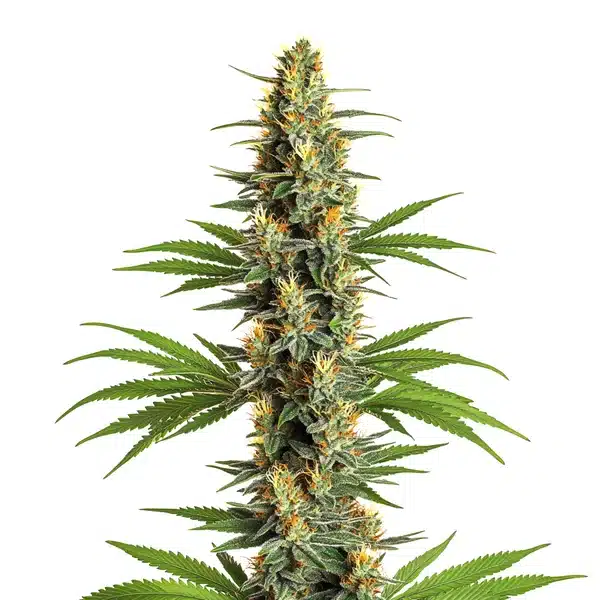
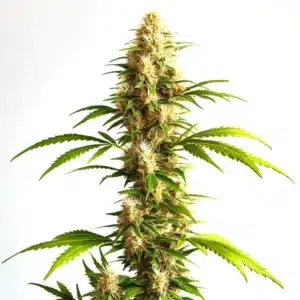
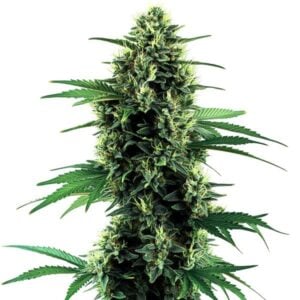
Critical 2.0
|
|
THC | 18% - 22% (Medium) |
|
|
Type | Feminized |
|
|
Yield | High |
|
|
Phenotype | 60% Indica / 40% Sativa |
| Stage | PPFD (umol/m2/s) | Notes |
|---|---|---|
| Seedling | 200-400 | Dim LEDs or raise the light; too much stresses seedlings |
| Vegetative | 400-600 | Ramp up gradually as the plant fills out |
| Flowering | 600-800 | Peak demand; watch for light stress above ~800 |
If you have a PAR meter, measure directly; if not, follow your LED’s height and dimming chart and watch the plants.
Promos & Deals
Growing Autoflowers With LED Lights
LEDs have become the default for autoflowers indoors, and for good reason: they run cooler than HIDs, sip less power, and let you dial intensity up or down as the plant moves through its short life. A quality full-spectrum LED delivers the PPFD figures above without roasting a small tent, and the lower heat makes canopy management easier. HIDs (HPS/MH) still produce dense flower but add heat and cost, while fluorescents (CFL/T5) suit only seedlings or very small grows. Whatever the fixture, the key is hanging it at the right height and hitting the target PPFD, not simply buying the biggest light you can find.
Best Light Cycle for Autoflowers Indoors
Because autoflowers do not depend on the light cycle to flower, you have options. The most popular choice is 18/6 (18 hours on, 6 off), which gives strong growth while saving energy and letting the room cool during lights-off. Some growers run 20/4 for a bit more light, and a few use 24/0, though the constant-on approach wastes power and gives plants no rest. For most home grows, 18/6 is the best light cycle for autoflower indoors: reliable, efficient and kind to your electricity bill. Keep the cycle consistent from seed to harvest.
Dialing It In: Signs and Pro Tips
Let the plant tell you if the intensity is right. Leaves that cup, bleach or yellow at the top are getting too much light, so raise the fixture or dim it; stretched, leggy growth with wide internodal gaps means too little, so lower it or turn it up. Measure at the canopy, not the floor, and remember that intensity, not day length, is your main lever with autos. Good, steady light also supports resin and overall flower quality, which is why dialling in PPFD matters as much as any nutrient. For the bigger picture on daily light totals, see our guide to DLI for autoflowers and our pick of the best indoor autoflower lighting.
Common Lighting Mistakes With Autoflowers
Most autoflower light problems come down to a few repeat errors:
- Blasting seedlings: young autos need only 200-400 PPFD; full-power light early stresses them and stalls growth.
- Hanging the light too close: causes bleaching and cupping at the canopy top.
- Running 24/0 ‘to grow faster’: wastes power and denies the plant rest, with little real gain over 18/6.
- Ignoring the canopy: uneven height means some colas get far less light than your meter suggests.
- Buying on wattage alone: PPFD at the canopy matters more than a big wattage number.
Light Distance and Canopy Management
Getting the distance right is half the battle. Follow your LED manufacturer’s recommended hanging height as a starting point, then fine-tune by watching the top of the plant: bleaching or cupping means raise it, stretching means lower it. Keep the canopy as even as possible with gentle low-stress training so every bud site sits in the strong, central part of the light footprint. Because autoflowers have a short, fixed life, you cannot afford weeks of poor positioning, so check height at each stage as the plant grows toward the fixture.
The Bottom Line on Autoflower Light Intensity
Dial autoflower light intensity indoors to roughly 200-400 PPFD for seedlings, 400-600 in veg and 600-800 in flower, run an efficient 18/6 cycle, and favor a quality full-spectrum LED hung at the right height. Measure at the canopy, let the plant’s top leaves guide your adjustments, and treat intensity, not hours, as your main lever. Get that right and your autos will finish fast, healthy and productive.
Frequently Asked Questions
How much light does an autoflower need?
Aim for a PPFD of about 200-400 for seedlings, 400-600 in veg and 600-800 in flower, measured at the canopy, on an 18/6 cycle. Autoflowers respond more to intensity than to hours, so hitting the right PPFD at each stage matters more than simply running the light longer.
Is 12 hours of light enough for autoflowers?
It works but is not ideal indoors. Autoflowers will still flower on 12/12, yet they lose growing time and yield compared with 18/6, which gives more total light without needing a dark-period trigger. For indoor autos, 18/6 (or 20/4) is the better choice from seed to harvest.
How do I know if my grow light is too close?
Watch the top of the canopy: leaves that cup upward, bleach pale or develop crispy, burnt tips are signs the light is too close or too intense. Raise the fixture or dim it and the new growth should recover. A PAR meter helps, but the plant’s top leaves are the clearest indicator.
Is it better to grow autoflowers with LED lights?
For most indoor growers, yes. LEDs run cooler, use less power and let you adjust intensity as the autoflower moves through its short life, which suits their fixed timeline well. Hang a quality full-spectrum LED at the recommended height, hit the target PPFD per stage, and you get efficient, strong results.
What are signs of insufficient light for autoflowers?
Insufficient light can cause plants to stretch excessively, resulting in weak, spindly growth. Leaves may also appear pale or yellow. If plants are not reaching expected heights of 2-3 feet (60-90 cm), consider increasing light intensity or adjusting light positioning.