Expert Guide: Root Exudates and Heavy Metal Uptake in Cannabis

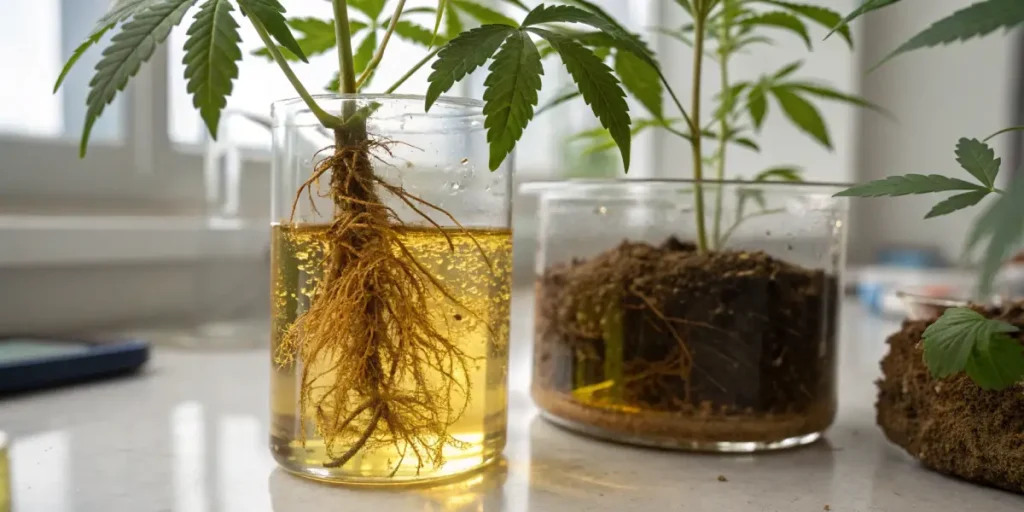
Root exudates play a crucial role in the interaction between cannabis plants and the soil. These are substances secreted by plant roots into the surrounding soil. For cannabis growers, the influence of root exudates on the uptake of heavy metals is a significant consideration. These exudates can alter the bioavailability of metals in soil, impacting how plants absorb them.
Heavy metal uptake mechanisms in cannabis roots are complex. When cannabis roots release exudates, they can change the soil’s chemical environment. This change can either increase or decrease the availability of heavy metals like lead, cadmium, and mercury. The right balance is essential for healthy plant growth.
Recommended Strains
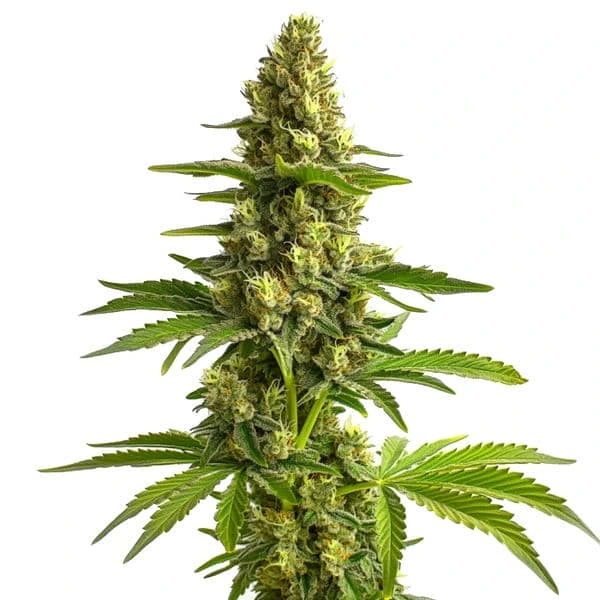
Bruce Banner #3

|
THC | 20% - 29% (High) |

|
Type | Feminized |

|
Yield | High |

|
Phenotype | 50% Indica / 50% Sativa |
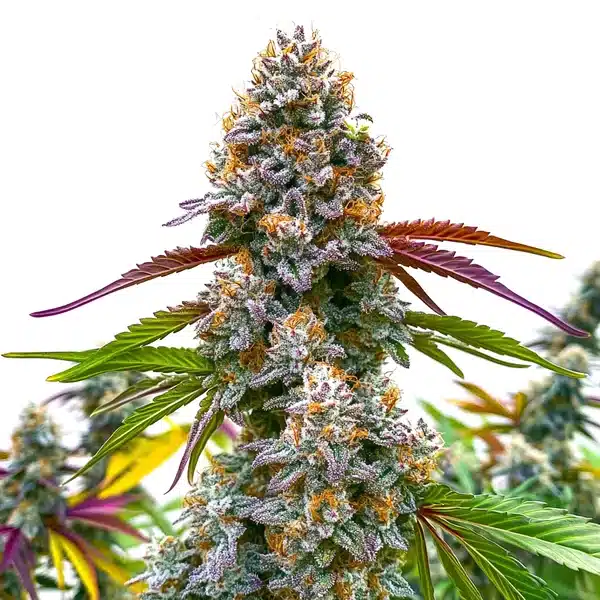
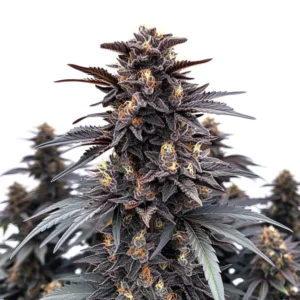
Critical Daddy Purple
|
|
THC | 19% (Medium) |
|
|
Type | Feminized |
|
|
Yield | High |
|
|
Phenotype | 50% Indica / 50% Sativa |
Soil remediation through cannabis cultivation is an intriguing field. Cannabis, known for its phytoremediation potential, can help clean contaminated soils. By knowing the impact of root exudates on cannabis soil remediation, growers can optimize conditions for both plant health and environmental benefit.
The Science Behind Root Exudates
Root exudates are a diverse mix of organic compounds, including sugars, amino acids, and organic acids. These compounds serve various functions, such as nutrient absorption and interaction with soil microbes. In cannabis cultivation, these exudates can significantly influence heavy metal absorption.
Root exudates influence on cannabis heavy metal absorption is substantial. They can bind to heavy metals, making them less available for uptake by the plant. Alternatively, they might also mobilize metals, increasing their uptake. This dual nature makes managing exudates crucial for growers.
Recent studies suggest that the composition of root exudates can vary significantly based on environmental factors and plant genetics. Knowing these variations can help growers develop strategies to modulate exudate production, thereby optimizing metal uptake. This knowledge is crucial for enhancing cannabis cultivation and root exudates effect on metal uptake.
Moreover, the interaction between root exudates and soil microorganisms is another layer of complexity. These microorganisms can alter the chemical state of metals in the soil, further influencing the availability of these metals to cannabis plants. This dynamic relationship underscores the importance of a holistic approach to managing soil health and plant interactions.
Promos & Deals
Managing Heavy Metal Uptake in Cannabis Cultivation
Knowing the cannabis root exudates interaction with soil contaminants is vital for managing heavy metal uptake. Growers can manipulate exudate production by adjusting soil conditions, such as pH and organic matter content. This management helps in controlling the levels of metals absorbed by the plants.
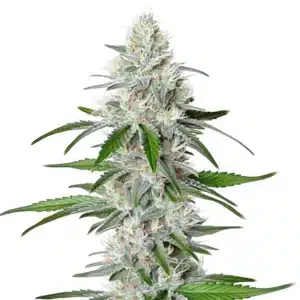
Practical examples show that by selecting the right cannabis strains, like those from Blimburn Seeds, growers can better manage metal uptake. For instance, strains known for robust growth like GG4, Bruce Banner 3, and Critical Daddy Purple can thrive even in less-than-ideal conditions.
Incorporating bio-stimulants and organic amendments into the soil can further enhance the efficacy of cannabis root exudates in managing heavy metal uptake. These additions can stimulate microbial activity, which in turn can influence the availability of metals and nutrients, optimizing plant health and yield.
Regular soil testing is another practical measure for managing metal uptake. By continuously monitoring soil conditions, growers can make informed decisions about which amendments and strains to use, ensuring a balanced environment that supports healthy cannabis growth and effective soil remediation.
Cannabis Strains and Their Role in Soil Remediation
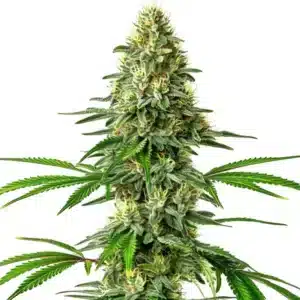
Certain cannabis strains are particularly effective in phytoremediation. Blimburn Seeds offers varieties that are excellent for soil cleaning. For example, the GG4 strain is not only potent but also efficient in absorbing heavy metals, making it a favorite for those looking to remediate soils.
Bruce Banner, another strain from Blimburn Seeds, is known for its high yield and resilience. It can grow well in contaminated soils, thanks to its root exudates’ ability to manage heavy metal uptake. This makes it suitable for growers dealing with soil contamination issues.
Critical Daddy Purple is another notable strain. Its ability to release beneficial root exudates makes it ideal for cultivation in soils with heavy metal concerns. By choosing such strains, growers can effectively mitigate soil contamination while enjoying a productive harvest.
Strains like these not only contribute to effective soil remediation but also offer economic benefits by producing high-quality yields. Selecting the right strain is a strategic decision that can enhance both the environmental and financial outcomes of cannabis cultivation.
Practical Tips for Growers
For both first-time buyers and experienced growers, knowing root exudates and heavy metal uptake in cannabis is essential. Ensuring the right soil pH can enhance beneficial exudate production. Aim for a slightly acidic to neutral pH for best results.
Incorporating organic matter into your soil can also boost exudate production. Compost and biochar are excellent choices. These amendments not only improve soil health but also modulate heavy metal availability to the plants.
Another tip for growers is to rotate cannabis crops with other phytoremediation plants. This practice can prevent the buildup of metals in the soil, maintaining a healthy and balanced ecosystem conducive to cannabis growth. Crop rotation can also enhance soil structure and nutrient availability.
Additionally, implementing proper irrigation techniques can help manage the concentration of heavy metals in the soil. Over-irrigation can lead to leaching and nutrient loss, while under-irrigation can concentrate metals. Finding the right balance is key to maintaining optimal growing conditions.
FAQs about root exudates and heavy metal uptake in cannabis
What are root exudates?
Root exudates are compounds secreted by plant roots. These include sugars, amino acids, and organic acids, among others. In cannabis, root exudates play a crucial role in nutrient uptake and interaction with soil contaminants, affecting how plants absorb heavy metals.
These exudates can bind to metals, reducing their availability, or mobilize them, increasing uptake. Knowing their function helps in managing soil health and optimizing cannabis growth.
The diversity of root exudates means they can serve multiple roles in the soil ecosystem. Beyond nutrient uptake, they can influence soil structure, promote beneficial microbial communities, and even suppress soil-borne pathogens, making them an essential component of sustainable cannabis cultivation.
As research into root exudates and heavy metal uptake in cannabis continues, growers are gaining insights into how to harness these natural processes to improve both yield and soil quality. This ongoing study is paving the way for more efficient and environmentally friendly cultivation practices.
How do root exudates affect heavy metal uptake in cannabis?
Root exudates influence cannabis heavy metal absorption by altering the availability of metals in the soil. They can bind metals, making them less accessible or, conversely, mobilize them, enhancing uptake. This dual role requires careful management to ensure plant health.
By adjusting soil conditions, such as pH and organic content, growers can influence exudate production and manage heavy metal uptake effectively. This is crucial for maintaining healthy cannabis plants, especially in contaminated soils.
Besidesto soil conditions, the genetic makeup of the cannabis strain can also affect the exudates’ composition and function. Selecting strains with favorable exudate profiles can enhance the plant’s ability to manage heavy metal uptake, making genetic selection a valuable tool in cultivation strategy.
Research has shown that external stressors, such as drought or nutrient deficiency, can alter exudate production, impacting metal uptake. Knowing these interactions can help growers anticipate and mitigate potential challenges in cannabis cultivation.
Can certain cannabis strains help with soil remediation?
Yes, certain cannabis strains are more effective in phytoremediation. Strains from Blimburn Seeds like GG4, Bruce Banner, and Critical Daddy Purple are known for their ability to thrive in contaminated soils. Their root exudates help manage heavy metal uptake, making them ideal for soil remediation projects.
These strains not only provide a productive harvest but also contribute to cleaning the environment by reducing soil contaminants. Choosing the right strain is essential for growers interested in both cultivation and environmental impact.
Cultivating these strains can be a strategic move for growers looking to balance environmental stewardship with economic returns. By selecting strains with proven phytoremediation capabilities, growers can contribute to soil health while producing high-quality cannabis products.
Furthermore, ongoing breeding efforts continue to improve the efficiency and capacity of cannabis strains in soil remediation, offering even more options for growers dedicated to sustainable cultivation practices.
What soil conditions enhance root exudate production?
Soil pH is a significant factor in root exudate production. A slightly acidic to neutral pH level is ideal for most cannabis plants. This pH range encourages beneficial exudate release, aiding in nutrient uptake and metal management.
Adding organic matter, like compost or biochar, can also enhance exudate production. These amendments improve soil structure and health, promoting beneficial interactions between exudates and soil contaminants.
Soil texture and drainage are also important considerations. Well-draining soils prevent waterlogging, which can inhibit exudate production and root function. Ensuring proper aeration and moisture levels can optimize exudate activity and plant health.
Additionally, maintaining a diverse soil microbiome can enhance the effectiveness of root exudates. Beneficial microbes can interact synergistically with exudates, further improving nutrient availability and metal sequestration in the soil.
Why are root exudates important for cannabis growers?
For cannabis growers, root exudates are vital because they directly impact nutrient uptake and heavy metal absorption. By knowing and managing exudates, growers can optimize soil conditions, improve plant health, and potentially remediate contaminated soils.
Effective management of root exudates can lead to healthier plants and higher yields. It also offers environmental benefits, as cannabis can be used to clean up soils through phytoremediation, making it a versatile crop for both cultivation and ecological restoration.
The strategic management of root exudates can also enhance the sustainability of cannabis cultivation practices. By reducing the need for chemical fertilizers and soil amendments, growers can lower production costs and minimize environmental impact.
As the cannabis industry continues to grow, the function of root exudates in sustainable cultivation practices will likely become more prominent. Knowing these natural processes can help growers meet the increasing demand for environmentally responsible products while maintaining high-quality yields.