Effective Cannabis Light Burn Recovery: Tips and Strategies

Essential Recovery Steps: Managing cannabis light burn involves recognizing early signs like leaf discoloration and curling. Adjusting light distance and ensuring adequate nutrient intake are key to recovery. Maintaining light intensity between 20,000 to 30,000 lux during the vegetative stage supports optimal recovery. These steps can help mitigate damage and promote healthy growth.
Managing cannabis light burn involves understanding the role of terpenes and flowering time in plant recovery. Terpenes like myrcene and caryophyllene can influence stress response, while proper flowering time ensures resilience. Cultivating cannabis with optimal light conditions, such as maintaining a 12-18 inch distance during flowering, enhances plant health and yield.
Recommended Strains

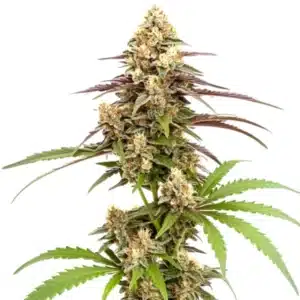
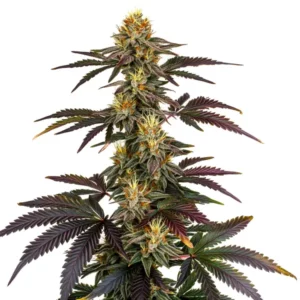
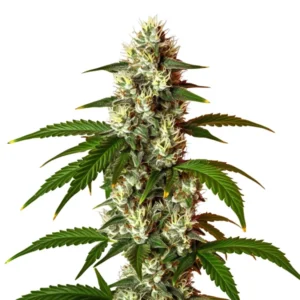
Permanent Marker

|
THC | 32% - 34% (High) |

|
Type | Feminized |

|
Yield | High |

|
Phenotype | 50% Indica / 50% Sativa |

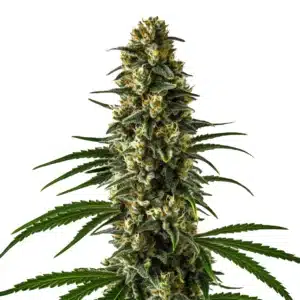
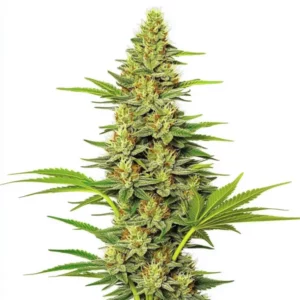
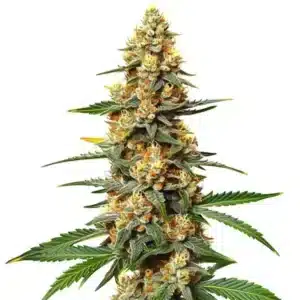
Permanent Marker Auto
|
|
THC | 32% - 34% (High) |
|
|
Type | Autoflowering |
|
|
Yield | High |
|
|
Phenotype | 50% Indica / 50% Sativa |
Recognizing Cannabis Light Burn
Early Signs and Symptoms
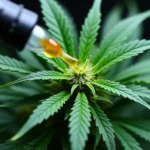
Detecting cannabis light burn early is crucial for plant recovery. Initial symptoms often manifest as yellowing or bleaching of the top leaves, which are closest to the light source. This discoloration occurs because excessive light intensity overwhelms the plant’s photosynthetic capacity, leading to chlorophyll degradation.
Another symptom is leaf curling, where leaves curl upwards in a canoe shape to shield themselves from intense light. This response is a defense mechanism to minimize light exposure. If left unchecked, these leaves can become crispy and brittle, severely affecting the plant’s health and growth potential.
Differentiating Light Burn from Nutrient Deficiencies
It’s essential to distinguish light burn from nutrient deficiencies, as both can cause similar symptoms like leaf discoloration. Light burn primarily affects the top leaves, while nutrient deficiencies typically start at the bottom. For instance, nitrogen deficiency causes yellowing from the lower leaves upwards, unlike light burn.
Understanding these differences is critical. Light burn results from excessive light intensity, whereas nutrient deficiencies stem from inadequate nutrient uptake. Monitoring both light levels and nutrient concentrations, such as maintaining a balanced N:P:K ratio of 3:1:2 during the vegetative stage, can prevent misdiagnosis.
Promos & Deals
Causes and Prevention of Light Burn
Optimal Light Distance and Intensity
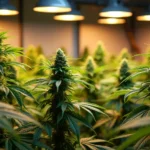
The primary cause of light burn is improper light positioning. High-intensity lights placed too close to the plant canopy can overwhelm the leaves. During the seedling stage, lights should be 24-30 inches away, while the vegetative stage requires 18-24 inches, and flowering needs 12-18 inches.
Using a light meter to measure intensity ensures plants receive 20,000-30,000 lux during vegetative growth and 40,000-60,000 lux in flowering. This prevents light burn while optimizing photosynthesis. Regularly adjusting light height as plants grow is a key preventative measure.
Using Light Meters for Monitoring
Light meters are invaluable tools for preventing cannabis light burn. They measure the exact light intensity your plants receive, allowing you to adjust light distance and intensity accordingly. This ensures plants aren’t exposed to excessive light, which can lead to burn.
Maintaining ideal light levels—20,000 to 30,000 lux during vegetative growth and 40,000 to 60,000 lux during flowering—promotes healthy growth and prevents damage. Regular monitoring with a light meter helps maintain these levels, ensuring optimal plant health and yield.
| Feature | Jack Herer | Wedding Cake | Zkittlez Tangie Power Autoflower |
|---|---|---|---|
| THC % | 18-24% | 22-25% | 20-23% |
| Dominant Terpene | Terpinolene | Limonene | Myrcene |
| Flavor Profile | Spicy, Pine | Sweet, Vanilla | Fruity, Citrus |
| Flowering Time | 8-10 weeks | 9-10 weeks | 8-9 weeks |
| Yield | 1.5-2 oz/ft² (450-600 g/m²) | 2-2.5 oz/ft² (600-750 g/m²) | 1.8-2.2 oz/ft² (550-680 g/m²) |
Cannabis Light Burn Recovery Steps
Adjusting Light Height and Position
To recover from light burn, the first step is adjusting the light height. Raise the lights by a few inches to reduce the intensity reaching the plant canopy. This adjustment helps alleviate stress on the top leaves, preventing further damage and allowing the plant to recover.
Repositioning lights to distribute intensity evenly across the grow space is also beneficial. This prevents concentrated high-intensity spots that can exacerbate light burn. Ensuring uniform light distribution helps all plants receive balanced exposure, promoting healthier growth.
Nutrient and Watering Adjustments
After light adjustments, focus on nutrient and watering regimes. Light burn increases plant stress, making them more susceptible to nutrient deficiencies. Ensure a balanced nutrient mix, emphasizing phosphorus and potassium, to support recovery and new growth.
Proper hydration is crucial. Burnt leaves lose moisture rapidly, so adjust watering schedules to maintain adequate hydration without overwatering. Consistent water supply supports physiological recovery and reduces stress, aiding in the plant’s overall health.
Long-Term Light Management Strategies
Rotating Plants for Even Exposure
Regularly rotating plants is a simple yet effective strategy to prevent light burn. It ensures all parts of the plant receive balanced light exposure, reducing the risk of localized burn. This practice is particularly beneficial in small grow spaces with fixed light setups.
By rotating plants every few days, you can prevent one side from receiving more light than the other. This promotes uniform growth and prevents stress-related issues, contributing to healthier and more productive plants.
Ventilation and Heat Regulation
While light intensity is the primary cause of light burn, heat can exacerbate the problem. Proper ventilation helps dissipate heat generated by grow lights, maintaining a consistent temperature and reducing stress on the plants.
Implementing fans, exhaust systems, or air conditioning can regulate heat levels, preventing heat-related issues. This creates a healthier growing environment, allowing plants to absorb light effectively without suffering from excessive heat stress.
Professional Tips for Cannabis Light Burn Recovery
- Maintain 20,000-30,000 lux during vegetative growth. Excessive light can cause burn; monitor with a light meter.
- Keep lights 12-18 inches from the canopy during flowering. Closer distances increase burn risk.
- Ensure N:P:K ratio of 3:1:2 in vegetative stage. Imbalance can mimic light burn symptoms.
- Rotate plants every 3-4 days. This prevents uneven light exposure, reducing localized burn.
- Use fans to maintain 68°F-77°F (20°C-25°C). High temperatures exacerbate light burn effects.
- Trim severely burnt leaves to redirect energy to healthy growth. Avoid removing too many at once, which can shock the plant.

FAQs
What does cannabis light burn look like?
Cannabis light burn appears as yellowing or bleaching of the top leaves, often accompanied by curling. These symptoms occur due to excessive light intensity, which overwhelms the plant’s photosynthetic ability. Leaf edges may turn pale yellow or white, and the leaves can become crispy and brittle if not addressed promptly.
How long does it take for cannabis to recover from light stress?
Recovery from light stress can take 1-2 weeks, depending on the severity of the burn and the corrective measures taken. Adjusting light height and ensuring proper nutrient intake are crucial steps. During recovery, monitor plant health closely and maintain optimal environmental conditions to support healing.
Can you still get good buds after a nute burn?
Yes, it’s possible to harvest quality buds after a nutrient burn if corrective actions are taken promptly. Flush the plants with water to remove excess nutrients, then adjust the nutrient balance. Recovery time varies, but with proper care, plants can still produce potent and flavorful buds.
How long does it take for nitrogen toxicity to heal?
Nitrogen toxicity recovery can take 1-2 weeks, depending on the extent of the issue. Flush the soil with water to remove excess nitrogen, then reduce nitrogen levels in your nutrient solution. Monitor plant health closely and adjust care as needed to support recovery and new growth.
What are the best light conditions for autoflower strains?
Autoflower strains thrive under a 20/4 light schedule, providing 20 hours of light and 4 hours of darkness. This schedule supports rapid growth and development. Maintain light intensity between 20,000-30,000 lux to prevent light burn while optimizing photosynthesis and yield.