Expert Guide: Proven Cation Exchange Capacity & Metal Mobility in Cannabis Soils

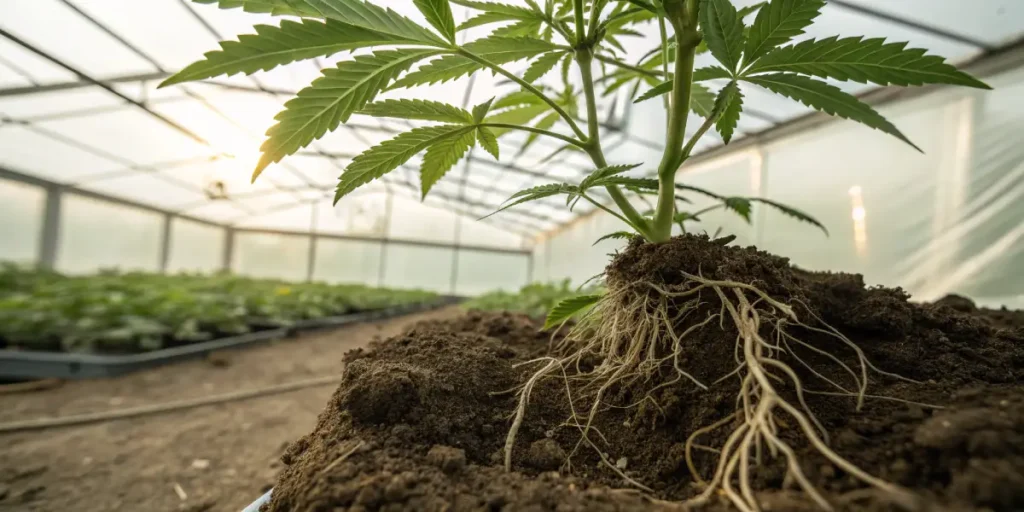
Growing cannabis is an art that combines knowledge, patience, and the right soil composition. Soil isn’t just dirt; it’s a complex system that can make or break your cannabis cultivation. One crucial factor in this process is the cation exchange capacity (CEC) and its impact on heavy metal mobility in cannabis soils. CEC is essentially the soil’s ability to hold onto essential nutrients and exchange them with plant roots.
Heavy metals like lead, cadmium, and arsenic can pose significant problems for cannabis growers. These metals can be absorbed by cannabis plants, affecting their health and potency. The good news is that knowing the cation exchange capacity and heavy metal mobility in cannabis soils can mitigate these risks. Let’s break it down into digestible pieces.
Recommended Strains
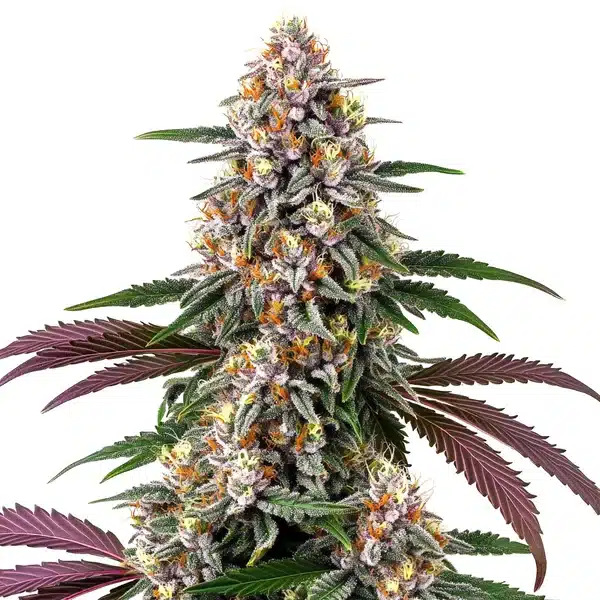
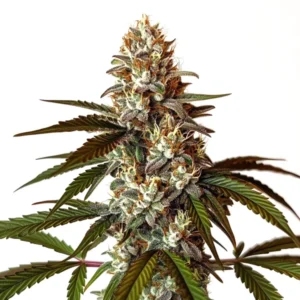
Purple Punch

|
THC | 15% - 20% (Medium) |

|
Type | Feminized |

|
Yield | High |

|
Phenotype | 80% Indica / 20% Sativa |
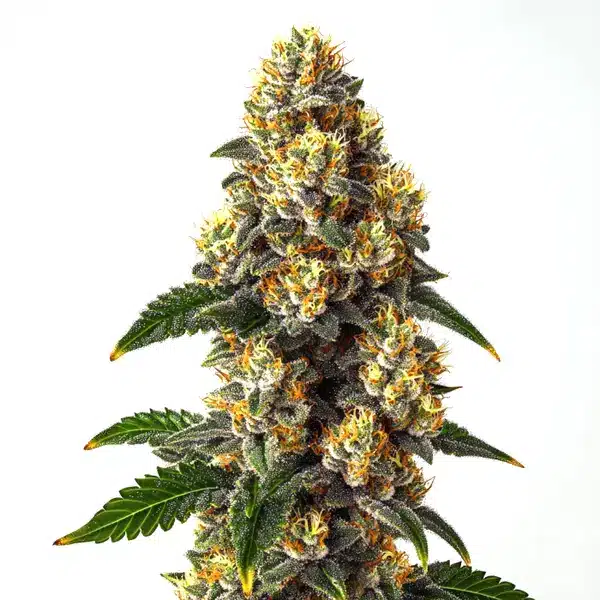
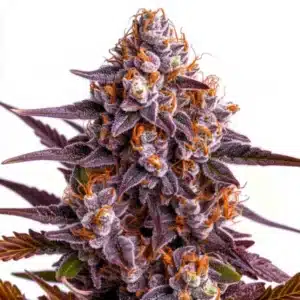
Bubba Kush
|
|
THC | 14% - 19% (Medium) |
|
|
Type | Feminized |
|
|
Yield | High |
|
|
Phenotype | 80% Indica / 20% Sativa |
Think of soil as a pantry. The better stocked it is, the healthier your plants will be. CEC measures this pantry’s capacity to store nutrients. Soils with high CEC are like a well-stocked pantry, ready to supply nutrients as your cannabis plants need them. This balance is crucial for the best yields and quality.
Cation Exchange Capacity Impact on Cannabis Soil Health
CEC directly influences cannabis soil health by affecting nutrient availability. Soils with high CEC hold more nutrients, which means your cannabis plants have a consistent supply of the vital elements they need to grow robust and healthy. This is especially important for nutrient-heavy strains like the Blue Dream from Blimburn Seeds, which thrives in nutrient-rich environments.
Low CEC soils are less capable of holding onto nutrients, which can lead to deficiencies and reduced plant health. Imagine trying to grow a heavy-yielding strain like Gelato without enough nutrients. The results would be less than satisfying. Therefore, knowing CEC allows growers to choose the right soil amendments to boost their soil’s nutrient-holding capacity.
Moreover, CEC plays a crucial role in buffering soil pH, which is essential for maintaining the stability of the soil environment. In soils with high CEC, abrupt changes in pH are less likely to occur, ensuring a stable growing environment for cannabis plants. This stability is vital for preventing nutrient lockout, a condition where nutrients are present but unavailable to plants due to pH imbalances.
Additionally, high CEC soils can help retain moisture better, reducing the frequency of watering and ensuring that plants have access to water during dry periods. This water retention capability is particularly beneficial in outdoor cultivation settings where irrigation may be less frequent. By knowing the cation exchange capacity impact on cannabis soil health, growers can create a more resilient growing environment.
Promos & Deals


Heavy Metal Mobility Reduction in Cannabis Cultivation
Heavy metal mobility in cannabis soils is a concern for many growers due to the potential health risks associated with contaminated plants. High CEC soils can help lock heavy metals away, reducing their mobility and making them less available to the plant roots. This is crucial when cultivating strains such as GG4, which can be sensitive to soil contaminants.
By optimizing cation exchange capacity for cannabis growth, you can effectively reduce the mobility of heavy metals in your soil. This not only protects your plants but also ensures that the final product is safe for consumption. It’s like having a security system in place that keeps unwanted elements at bay.
The reduction of heavy metal mobility in cannabis cultivation is not only about immediate plant health but also about long-term soil sustainability. By trapping heavy metals within the soil matrix, high CEC soils prevent these contaminants from leaching into groundwater, protecting the broader environment. This environmental stewardship is increasingly important as cannabis cultivation scales.
Furthermore, reducing heavy metal mobility through optimized CEC helps maintain the integrity of the cannabis strain’s unique characteristics, including flavor and potency. Contaminants can alter these traits, diminishing the quality of strains like GG4. Ensuring that your soil supports reduced heavy metal mobility is a step towards preserving the authenticity of your cannabis crop.
Function of Soil pH in Heavy Metal Mobility in Cannabis Soils
Soil pH plays a significant role in heavy metal mobility. When the pH is too low (acidic soil), heavy metals become more soluble, increasing their mobility. This can pose a risk to strains like Purple Punch, which require a balanced environment to flourish. Maintaining a neutral pH can help reduce these risks.
Adjusting soil pH is a practical way to control heavy metal mobility. Liming is a common method used to raise soil pH, making it less acidic. This, in turn, binds heavy metals more tightly, reducing their availability to the plant.
The function of soil pH in heavy metal mobility in cannabis soils extends to its impact on nutrient uptake. A balanced pH ensures that essential nutrients are available to the plants, preventing deficiencies that can compromise growth and yield. Regular pH testing and adjustment are essential practices for maintaining this balance.
Moreover, the interaction between soil pH and CEC is crucial for managing both heavy metal mobility and nutrient availability. A balanced pH can enhance the effectiveness of CEC by ensuring that the soil’s nutrient exchange capacity is not hindered by extreme acidity or alkalinity. This synergy is vital for achieving optimal cannabis cultivation outcomes.
Enhancing Cannabis Soil Fertility Through Cation Exchange Capacity
Enhancing soil fertility is your ticket to supercharging cannabis growth. High CEC soils come packed with nutrients, much like filling a buffet with a variety of dishes. Strains like Bubba Kush, known for its rich flavors and potent effects, benefit immensely from nutrient-dense soils.
To enhance CEC, consider adding organic matter like compost or peat moss to your soil. These materials increase the soil’s organic content, improving its ability to hold onto nutrients and water. It’s like upgrading your soil to a premium version.
Furthermore, enhancing cannabis soil fertility through cation exchange capacity involves knowing the unique needs of different cannabis strains. Some strains may require specific nutrient profiles, which can be accommodated by adjusting the soil’s CEC and nutrient content accordingly. This tailored approach ensures each plant receives the optimal conditions for growth.
Incorporating cover crops or green manures into your cultivation practices can also boost CEC and improve soil fertility. These plants contribute organic matter and enhance soil structure, promoting a thriving microbial ecosystem that supports nutrient cycling and availability. This holistic approach to soil management is key to sustaining long-term cannabis cultivation success.
Optimizing Cation Exchange Capacity for Cannabis Growth
Optimizing CEC is not just about holding nutrients; it’s about releasing them when your plants need them the most. This balance is crucial for strains like OG Kush, which require a steady nutrient supply for optimal growth and yield.
Regular soil testing can help you monitor CEC levels, allowing you to make informed decisions about amendments and fertilizers. If your soil tests show low CEC, consider adding materials like vermiculite or biochar. These amendments can significantly increase your soil’s nutrient-holding capacity.
Optimizing cation exchange capacity for cannabis growth also involves integrating advanced cultivation techniques such as precision agriculture. By using technology to monitor and adjust soil conditions, growers can ensure their cannabis plants receive the precise nutrients needed at each growth stage, maximizing efficiency and yield.
Moreover, fostering a diverse soil microbiome can naturally enhance CEC by improving soil structure and nutrient cycling. Beneficial microbes play a critical role in breaking down organic matter and facilitating nutrient exchange, making them an essential component of a well-rounded soil management strategy.

FAQs about cation exchange capacity and heavy metal mobility in cannabis soils
What is cation exchange capacity and why is it important for cannabis growers?
Cation exchange capacity is a measure of how well soil can hold and exchange nutrients with plant roots. It is crucial because it determines the availability of essential nutrients to your cannabis plants. In simple terms, it’s like a bank account for nutrients. The higher the CEC, the more nutrients the soil can store and provide to the plants when needed.
For cannabis growers, knowing CEC is vital for selecting the right soil and amendments. It helps ensure that your plants have a steady supply of nutrients, which is essential for healthy growth and high yields. This knowing can prevent common growing problems like nutrient deficiencies and poor plant health.
Additionally, knowing the cation exchange capacity and heavy metal mobility in cannabis soils enables growers to anticipate and mitigate potential soil-related issues before they impact crop quality. This proactive approach is invaluable in maintaining consistent production standards, especially for commercial operations.
Knowing CEC also empowers growers to experiment with different soil compositions and amendments, tailoring their growing medium to suit specific strains and cultivation techniques. This flexibility is a powerful tool in the quest for optimizing yield and quality in cannabis production.
How does heavy metal mobility affect cannabis cultivation?
Heavy metal mobility refers to how easily heavy metals can move through soil and be absorbed by plants. In cannabis cultivation, this is a concern because these metals can accumulate in plant tissues, posing health risks for consumers. Reducing heavy metal mobility is key to ensuring your cannabis is safe and high-quality.
By managing soil pH and optimizing cation exchange capacity, growers can reduce heavy metal mobility. This means the metals are locked away more securely and are less likely to be taken up by the plants. It’s an essential step for any cannabis grower concerned about product safety and environmental health.
Moreover, knowing the dynamics of heavy metal mobility allows growers to implement targeted strategies for remediation in contaminated soils. Techniques such as phytoremediation, where specific plants are used to extract heavy metals, can complement CEC optimization efforts for comprehensive soil management.
Heavy metal mobility reduction in cannabis cultivation not only enhances plant safety but also boosts consumer confidence in the end product. In a market increasingly focused on quality and transparency, ensuring that cannabis is free from harmful contaminants is a competitive advantage for growers.
What are the best practices for optimizing cation exchange capacity in cannabis soil?
Optimizing cation exchange capacity in cannabis soil involves several practices. Start with regular soil testing to understand your soil’s current CEC levels. From there, you can add organic matter such as compost or peat moss to increase CEC. These materials improve the soil structure and its ability to retain nutrients and moisture.
Another practice is to include clay-based soil amendments, which naturally have higher CEC. This can be particularly beneficial for heavy-feeding cannabis strains. By implementing these practices, you ensure your soil can hold and deliver nutrients effectively, supporting robust plant growth and higher yields.
Incorporating crop rotation and diversification into your cultivation plan can also improve CEC over time. Different plants contribute various organic materials and root structures to the soil, enhancing its overall health and nutrient-holding capacity. This sustainable practice supports long-term soil productivity.
Establishing partnerships with soil and agricultural experts can provide valuable insights into the latest innovations for optimizing cation exchange capacity. These collaborations can lead to the implementation of cutting-edge techniques that keep your cultivation practices at the forefront of efficiency and effectiveness.
Can soil amendments really improve cation exchange capacity and reduce heavy metal mobility?
Yes, soil amendments can significantly improve cation exchange capacity and reduce heavy metal mobility. Organic matter like compost and biochar can increase CEC by enhancing the soil’s ability to store nutrients. These amendments are like adding extra hands to carry more groceries, ensuring your plants always have access to what they need.
For reducing heavy metal mobility, amendments that adjust soil pH, such as lime, can be effective. By raising the pH to a more neutral level, heavy metals are less soluble and, therefore, less mobile. This dual approach of increasing CEC and managing pH is a proven strategy for improving soil health and plant safety.
Advanced soil amendments, such as zeolites, can also play a role in enhancing CEC and immobilizing heavy metals. These porous materials provide additional sites for nutrient exchange and can trap heavy metals within their structure, further protecting plant health.
The integration of organic and inorganic amendments offers a comprehensive approach to managing cation exchange capacity and heavy metal mobility in cannabis soils. By leveraging the strengths of each amendment type, growers can optimize their soil for maximum productivity and safety.
Why is soil pH important in managing heavy metal mobility and cation exchange capacity?
Soil pH plays a critical role in both heavy metal mobility and cation exchange capacity. The pH level affects how nutrients and metals interact with the soil. In acidic soils, heavy metals become more mobile, increasing the risk of uptake by plants. By maintaining a neutral pH, you keep these metals locked in place.
A balanced soil pH also optimizes cation exchange capacity by ensuring nutrients remain available and easily exchangeable. Regularly testing and adjusting pH is an essential practice for growers aiming to produce healthy, high-yielding cannabis plants. It’s a simple yet powerful way to manage your soil’s overall health and fertility.
Besides to its impact on heavy metal mobility and nutrient availability, soil pH influences microbial activity in the soil. Beneficial microbes that aid in nutrient cycling and organic matter decomposition thrive in a balanced pH environment, further enhancing the soil’s fertility and productivity.
Knowing the function of soil pH in heavy metal mobility in cannabis soils is crucial for implementing a holistic soil management strategy. By aligning pH management with CEC optimization, growers can create an ideal growing environment that supports both immediate plant needs and long-term soil health.