Expert Guide: Proven Microbial Risks of Vacuum-Sealing Cannabis

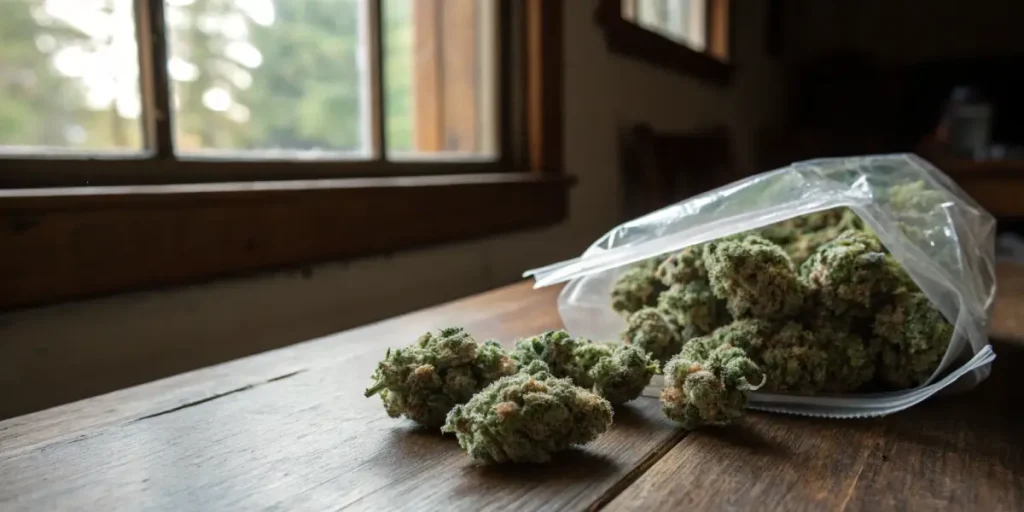
Vacuum-sealing cannabis is a common practice among growers and consumers alike. It promises to keep the buds fresh, aromatic, and potent for extended periods. However, there are significant microbial risks of vacuum-sealing cannabis that need attention. These risks can affect the quality and safety of your product.
When cannabis is vacuum-sealed, the removal of air may create an environment where certain microbes thrive. While it might seem that sealing cannabis tightly would prevent any contamination, there are specific factors that can promote microbial contamination in vacuum-sealed cannabis. Knowing these factors is crucial for ensuring the quality of your stash.
Recommended Strains
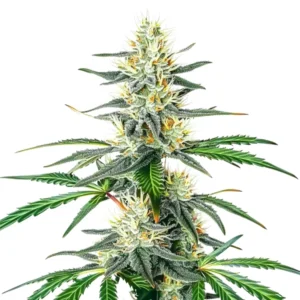
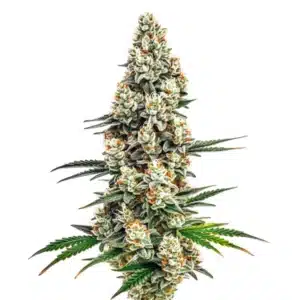
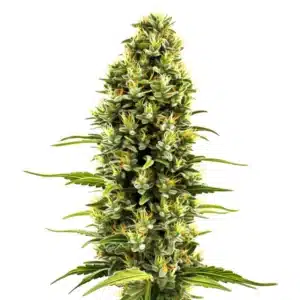
Cream Caramel

|
THC | 19% - 24% (High) |

|
Type | Feminized |

|
Yield | High |

|
Phenotype | 90% Indica / 10% Sativa |
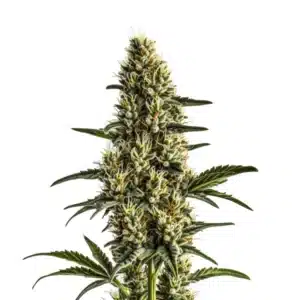
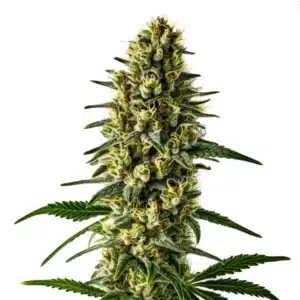
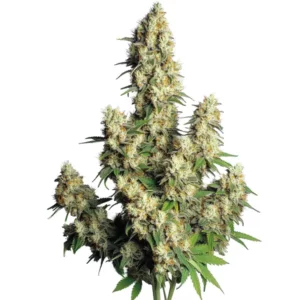
Strawberry Banana
|
|
THC | 17% - 23% (Medium) |
|
|
Type | Feminized |
|
|
Yield | High |
|
|
Phenotype | 70% Indica / 30% Sativa |
For example, if cannabis is not properly dried before being vacuum-sealed, the moisture trapped inside can lead to mold growth in vacuum-sealed marijuana. This is a significant concern for both first-time cannabis seed buyers and experienced growers. It’s essential to monitor the moisture content in your buds before storing them this way.
Microbial Contamination in Vacuum-Sealed Cannabis
The process of vacuum-sealing aims to extend the shelf life of cannabis by reducing oxidation and preserving terpenes. However, microbial contamination in vacuum-sealed cannabis can occur if the buds are not handled correctly. This contamination primarily involves fungi and bacteria that can thrive in low-oxygen environments.
Microbes such as Penicillium and Aspergillus can grow on improperly stored cannabis, leading to potential health risks. These molds can produce mycotoxins, which are harmful to humans. To mitigate these microbial risks of vacuum-sealing cannabis, it’s important to ensure the product is dry and stored in a suitable environment.
Furthermore, the vacuum-sealing effects on cannabis microbes are influenced by the initial microbial load present on the buds. Even minimal contamination can proliferate under these conditions, emphasizing the importance of starting with a clean product. Regular inspections and maintaining a sterile environment during packaging are crucial steps.
Besides to proper drying, using sterilized equipment for handling and sealing can reduce the chances of introducing contaminants. Investing in quality control measures, such as microbial testing before and after storage, can provide added assurance of the vacuum-sealed cannabis microbial safety.
Mold Growth in Vacuum-Sealed Marijuana
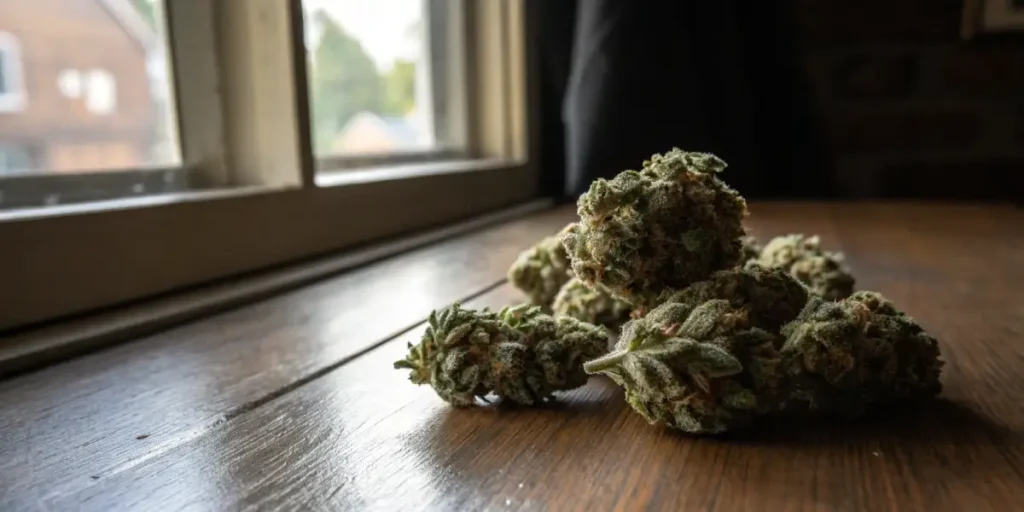
Mold growth in vacuum-sealed marijuana is a prevalent issue that can compromise both the taste and safety of cannabis. When cannabis is not adequately dried, any remaining moisture can lead to mold development. This is particularly true for strains that have dense, thick buds.
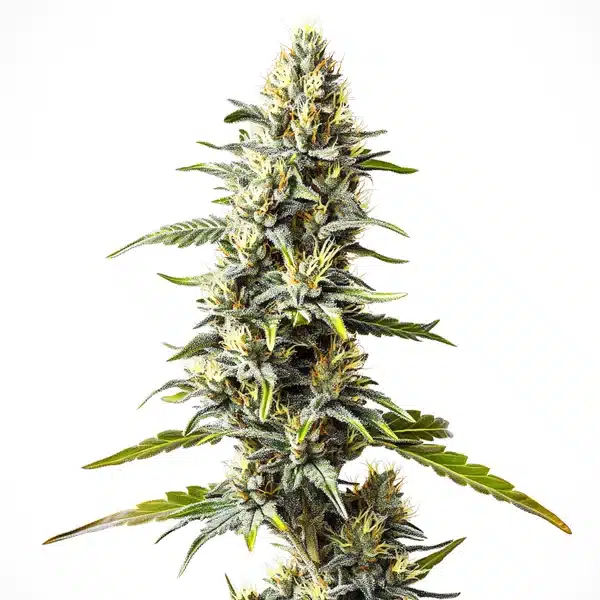
Take for instance the potent strain, Cream Caramel from Blimburn Seeds. Known for its rich aroma and thick buds, it requires careful drying before vacuum-sealing to prevent mold. It’s crucial to ensure that buds are dry to the stem before storage to avoid these issues.
Besides to drying, curing the cannabis properly is another vital step in preventing mold growth in vacuum-sealed marijuana. Curing allows the remaining moisture within the buds to distribute evenly, reducing the likelihood of pockets where mold could thrive.
Moreover, consistently monitoring the storage environment, including temperature and humidity levels, can alert you to conditions that might promote mold growth. Utilizing desiccants or humidity control packs can aid in maintaining an optimal environment for vacuum-sealed cannabis.
Promos & Deals
Vacuum-Sealing Effects on Cannabis Microbes
Vacuum-sealing effects on cannabis microbes vary based on several factors, including moisture content and environmental conditions. While vacuum-sealing reduces the presence of oxygen, it does not eliminate the risk of microbial growth entirely.
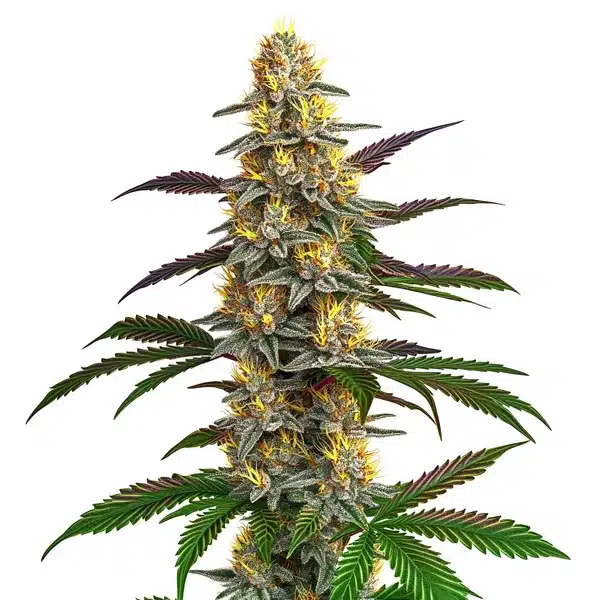
It is crucial to store cannabis in a cool, dry place after vacuum-sealing. High temperatures can promote the growth of bacteria even in airtight environments. For example, storing your vacuum-sealed pack of Blimburn Seeds Strawberry Banana indoors at a stable temperature can help maintain its quality.
Besides to temperature control, light exposure should be minimized, as UV light can degrade cannabinoids and terpenes, potentially affecting the overall quality of the cannabis. A dark storage environment can further protect against unwanted microbial activity.
Implementing a regular inspection routine can also help identify any potential breaches in the vacuum-seal. Detecting and addressing any issues early can prevent the escalation of microbial risks of vacuum-sealing cannabis.
Bacterial Risks of Vacuum-Sealing Cannabis
While mold is a significant concern, bacterial risks of vacuum-sealing cannabis should not be overlooked. Bacteria like E. coli and Salmonella can also thrive if the cannabis is not stored properly. These bacteria can cause severe health issues if consumed.
To avoid these risks, always practice good hygiene when handling cannabis. Ensure that your hands and tools are clean before touching the buds. Additionally, inspect the cannabis for any off-putting smells or unusual textures, which can be indicators of bacterial contamination.
Besides to hygiene practices, consider the initial quality of the cannabis. Starting with a high-grade, uncontaminated product is essential to reducing the bacterial risks of vacuum-sealing cannabis. Implementing preventative measures can help maintain the vacuum-sealed cannabis microbial safety.
Furthermore, knowing the specific microbial threats associated with different storage conditions can guide the selection of appropriate preventive strategies. Comprehensive knowledge and vigilant practices are key to protecting your vacuum-sealed cannabis from microbial contamination.
FAQs about microbial risks of vacuum-sealing cannabis
What are the primary microbial risks of vacuum-sealing cannabis?
The primary microbial risks include mold and bacterial contamination. Mold can develop from trapped moisture, while bacteria thrive in improperly stored cannabis. Ensuring that the product is dry and stored in optimal conditions can minimize these risks.
It’s vital to regularly check vacuum-sealed packs for any signs of microbial contamination in vacuum-sealed cannabis. This includes inspecting for any unusual smells or discoloration, which are tell-tale signs of contamination.
Additionally, incorporating regular microbial testing can provide an extra layer of security. This proactive approach can help identify potential issues before they pose a significant threat to the quality and safety of your cannabis.
Educating yourself on the specific microbial risks of vacuum-sealing cannabis and staying informed about best practices can further enhance the safety and longevity of your stored cannabis products.
How can I prevent mold growth in vacuum-sealed marijuana?
Preventing mold growth involves ensuring that cannabis is thoroughly dried and cured before vacuum-sealing. This reduces the moisture content that molds thrive on. Additionally, storing the sealed cannabis in a cool, dry place can help prevent mold development.
Using a hygrometer to monitor humidity levels can also be beneficial. Maintaining a humidity level below 62% can significantly reduce the risk of mold growth in vacuum-sealed marijuana.
Incorporating desiccants or humidity control packs into your storage setup can further assist in maintaining optimal conditions. These tools help absorb excess moisture, providing a safeguard against mold proliferation.
Regularly inspecting the vacuum-sealed packages for signs of condensation or moisture build-up can also help in early detection and prevention of mold-related issues.
Are there specific strains more susceptible to microbial contamination?
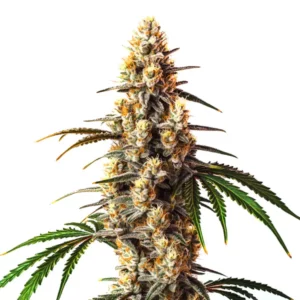
Yes, strains with denser buds, such as Cream Caramel or Blackberry Moonrocks from Blimburn Seeds, may trap moisture more effectively, increasing the risk of mold. These strains require careful attention to drying and curing processes prior to vacuum-sealing.
While all strains need proper handling, paying extra attention to those with dense, thick buds can help in reducing the microbial risks of vacuum-sealing cannabis.
Knowing the characteristics of different strains and their susceptibility to moisture retention can guide more effective storage strategies. Tailoring your approach to the specific needs of each strain can enhance the safety of vacuum-sealing practices.
Additionally, keeping records of strain-specific storage outcomes can help refine future practices, ensuring that each variety of cannabis is stored under the best possible conditions to minimize microbial risks.
What are some signs of bacterial contamination in vacuum-sealed cannabis?
Signs of bacterial contamination include unusual smells, slimy textures, or discoloration. These are indicators that the cannabis may have been stored improperly or that the vacuum-seal has been compromised.
If you notice any of these signs, it’s best to discard the affected cannabis. Consuming contaminated cannabis can lead to health issues, so it’s better to err on the side of caution.
Regularly educating yourself on the potential signs of contamination can help you identify issues early. Staying informed is a proactive step towards maintaining the quality and safety of your vacuum-sealed cannabis.
Besides, implementing a routine inspection schedule can help catch any developing issues before they impact a larger portion of your stored cannabis, thereby preserving your investment and ensuring user safety.
Is vacuum-sealing the best method for storing cannabis?
Vacuum-sealing is one of several methods for storing cannabis, each with its own benefits and risks. While it can extend shelf life and preserve freshness, the microbial risks of vacuum-sealing cannabis must be managed carefully.
Consider your specific needs and storage conditions when choosing a method. If vacuum-sealing, ensure that your cannabis is dry, and monitor storage conditions to minimize risks.
Exploring alternative storage methods, such as using airtight glass jars or humidity-controlled containers, can also be beneficial. Each method has its advantages, and the best choice depends on your individual storage circumstances.
Ultimately, combining vacuum-sealing with meticulous attention to storage conditions can offer a balanced approach, maximizing the benefits while mitigating the potential microbial risks associated with this method.