Expert Guide: Proven Water Contamination Risks in Cannabis Systems

Cannabis cultivation requires precise attention to detail, especially when it comes to water management. Water contamination risks in cannabis cultivation systems can seriously affect plant health and yield. Without proper measures, contaminants can easily infiltrate water supplies, leading to a host of issues for growers.
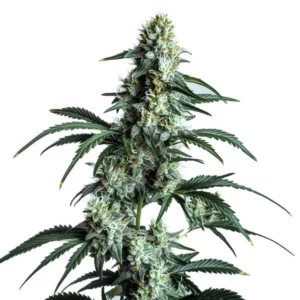
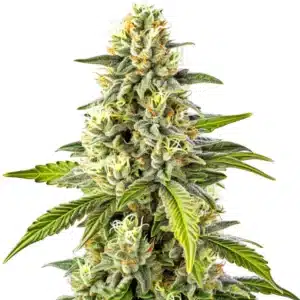
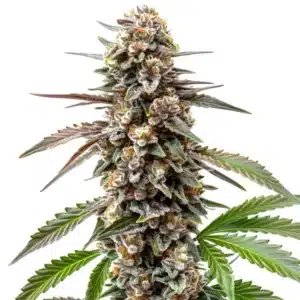
Take, for example, the popular strain GG4 from Blimburn Seeds. This strain thrives under optimal conditions, but polluted water can stunt its growth. Growers need to be vigilant about testing for contaminants in cannabis irrigation water to maintain the highest quality crops.
Recommended Strains


Water contamination prevention strategies in cannabis farming are essential. By implementing these strategies, growers can protect their crops and maximize their yields. Let’s delve into the common risks and solutions associated with water contamination in cannabis systems.
Common Water Contaminants in Cannabis Cultivation
One of the most prevalent issues is the presence of heavy metals in water supplies. Metals like lead, mercury, and cadmium can seep into water sources from various environmental factors. These contaminants can accumulate in cannabis plants, posing health risks to consumers.
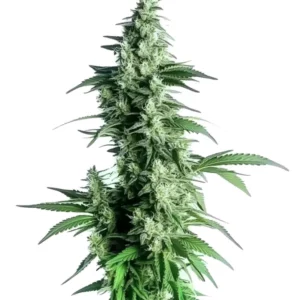
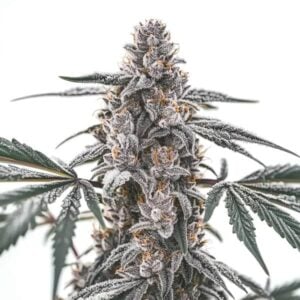
Another issue is bacterial contamination. Bacteria such as E. coli and Salmonella can infiltrate water supplies through improper handling or treatment. These pathogens can severely affect plant health, leading to poor growth and reduced yields. For instance, the Blue Dream strain is particularly sensitive to such conditions.
Moreover, chemical pollutants from industrial activities and agricultural runoff are significant threats to water quality. Pesticides and herbicides used in nearby farms can leach into water supplies, compromising the safety and effectiveness of irrigation water. These chemicals not only affect cannabis plant health but can also pose long-term environmental hazards.
Organic matter is another contaminant that can affect water quality in cannabis systems. Decomposing plant material and other organic debris can lead to the proliferation of harmful microorganisms. This organic buildup can create anaerobic conditions, adversely impacting root health and overall plant vitality.
Effects of Polluted Water on Cannabis Yield
Polluted water can have devastating effects on cannabis yield. Contaminated water can lead to nutrient lockout, where essential nutrients become unavailable to the plant. This issue often results in stunted growth and lower flower production.
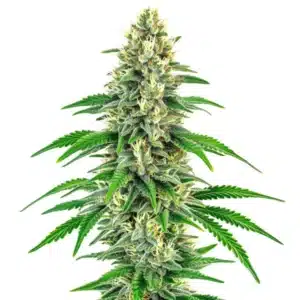
Moreover, using polluted water can increase the risk of mold and mildew. These fungal infections thrive in damp conditions, making contaminated water a perfect breeding ground. Plants like OG Kush can quickly succumb to these infections, impacting both yield and quality.
Beyond immediate yield losses, polluted water can have long-term effects on soil health. Accumulated contaminants can alter soil pH and microbial balance, making it difficult for future crops to thrive. This can lead to increased dependency on soil amendments and corrective measures, escalating cultivation costs over time.
The effects of polluted water on cannabis yield underscore the importance of proactive management. By addressing water contamination risks in cannabis cultivation systems early, growers can avoid catastrophic losses and ensure consistent, high-quality harvests.
Promos & Deals

Testing and Treating Irrigation Water
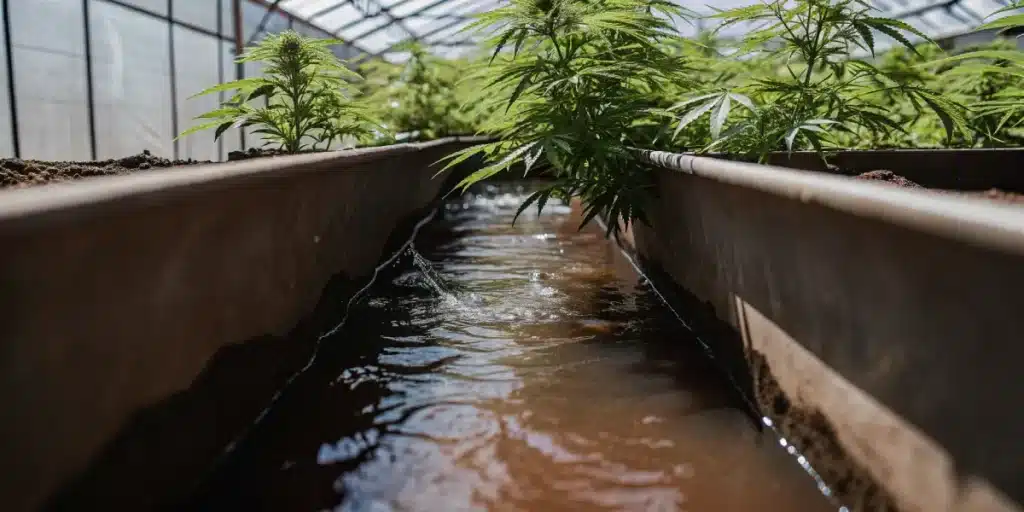
Testing for contaminants in cannabis irrigation water is a crucial step in maintaining plant health. Regular water testing helps identify potential issues before they escalate. Lab tests can detect a wide range of contaminants, including heavy metals, bacteria, and chemical pollutants.
Once contaminants are identified, appropriate treatment methods should be employed. Filtration systems, such as reverse osmosis, can effectively remove many impurities. These systems are particularly beneficial for growers who rely on municipal water sources, which may contain additives like chlorine.
Besides to reverse osmosis, other filtration methods like carbon and sediment filters can be utilized to address specific contaminants. These filters are adept at removing organic compounds and particulates, ensuring cleaner water for cannabis plants. Regular maintenance and replacement of filters are necessary to maintain their effectiveness.
Employing advanced water treatment technologies like UV sterilization and ozonation can further enhance water quality. These methods effectively eliminate microorganisms and break down residual chemicals, providing an extra layer of protection against water contamination risks in cannabis cultivation systems.
Water Contamination Prevention Strategies in Cannabis Farming
Implementing water contamination prevention strategies in cannabis farming is essential for safeguarding crops. One effective strategy is the use of rainwater harvesting systems. These systems collect and store rainwater, reducing reliance on potentially contaminated sources.
Another strategy involves the use of water storage tanks. These tanks should be regularly cleaned and maintained to prevent the buildup of algae and bacteria. Using UV sterilization can further ensure the purity of stored water.
Creating buffer zones around cultivation areas can also minimize contamination risks. These zones can prevent runoff from neighboring lands from reaching water sources, reducing the likelihood of pesticide or fertilizer intrusion. Planting native vegetation in these areas can enhance their effectiveness.
Ensuring that all water management practices align with local regulations and environmental guidelines is critical. Compliance not only helps prevent contamination but also supports sustainable farming practices, contributing to the long-term success of cannabis cultivation.
Best Practices for Water Management in Cannabis Cultivation
Adhering to best practices for water management in cannabis cultivation can significantly enhance plant health and yield. One key practice is to establish a water quality monitoring routine. Regular checks will help identify changes in water quality, allowing for timely interventions.
Another practice involves optimizing irrigation schedules. Overwatering can lead to nutrient leaching and root rot, so it’s important to provide only the necessary amount of water. Using moisture sensors can help determine the optimal watering times and volumes.
Implementing precision irrigation techniques, such as drip irrigation, can further optimize water use. These systems deliver water directly to the root zone, minimizing evaporation and runoff. Precision irrigation is particularly effective in conserving water and reducing the risk of water contamination.
Incorporating soil moisture and nutrient sensors can provide real-time data on environmental conditions, enabling more informed decision-making. These technologies support water conservation efforts and help maintain optimal growth conditions, reducing the overall impact of water quality on cannabis plant health.
Impact of Water Quality on Cannabis Plant Health
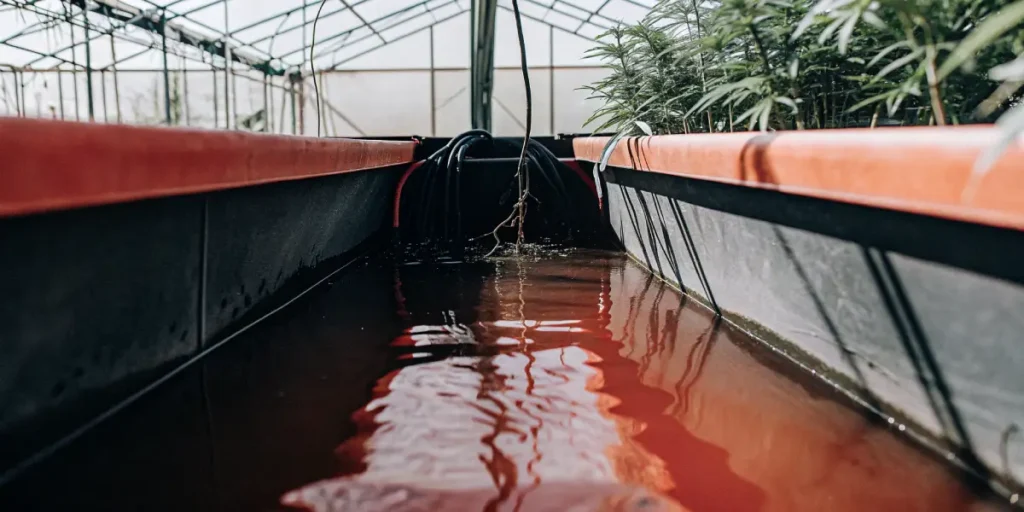
The impact of water quality on cannabis plant health cannot be overstated. Quality water supports healthy root systems, which are essential for nutrient uptake. Poor water quality, on the other hand, can lead to nutrient deficiencies and weakened plants.
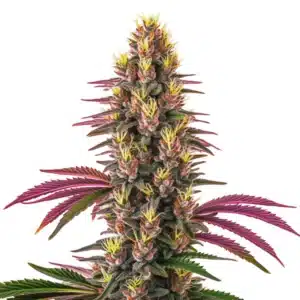
For strains like Z OG, maintaining water quality is especially important. These plants require a delicate balance of nutrients to produce their characteristic flavors and aromas.
Water quality directly influences the physiological processes within cannabis plants. Good quality water enables efficient photosynthesis and transpiration, leading to vigorous growth and robust flowering. Conversely, compromised water quality can disrupt these processes, resulting in underdeveloped plants.
Plant resilience to diseases and pests is also tied to water quality. Healthy plants grown with clean water are better equipped to withstand environmental stresses and resist infestations. This highlights the importance of addressing water contamination risks in cannabis cultivation systems to safeguard plant health.
FAQs about water contamination risks in cannabis cultivation systems
What are the most common sources of water contamination in cannabis systems?
Common sources of water contamination in cannabis systems include runoff from agricultural lands, industrial discharges, and improper disposal of waste. Runoff can introduce pesticides and fertilizers into water supplies, while industrial activities may release heavy metals and chemicals.
Additionally, poor maintenance of water storage and irrigation systems can lead to bacterial growth and contamination. Regular testing and treatment of water sources are essential to prevent these issues from affecting cannabis cultivation.
Natural events like floods and droughts can also contribute to water contamination, altering the chemical balance of water sources and introducing new pollutants. These events necessitate a proactive approach to water management, preparing growers for unpredictable changes in water quality.
Knowing the specific environmental and industrial factors in a region can help growers anticipate potential contamination sources. Tailoring water contamination prevention strategies in cannabis farming to address these factors is crucial for effective risk management.
How can I test for contaminants in my cannabis irrigation water?
Testing for contaminants in cannabis irrigation water involves collecting water samples and sending them to a certified laboratory. These labs can perform a range of tests, including chemical analysis and microbial screening, to identify potential contaminants.
Some growers also use home testing kits for preliminary checks. However, professional lab tests provide more accurate and comprehensive results, ensuring that any issues are promptly addressed.
Establishing a regular testing schedule is beneficial, especially during critical growth stages. This ensures that any deviations in water quality are detected early, allowing for timely interventions and adjustments in water management practices.
Collaborating with local agricultural extension services can provide additional insights into regional water quality issues. These resources can offer guidance on the most relevant tests and treatment options based on local conditions.
What are the effects of polluted water on cannabis yield?
Polluted water can have several negative effects on cannabis yield. Contaminants can lead to nutrient lockout, where essential nutrients are unavailable to plants, resulting in stunted growth and reduced flower production.
Additionally, polluted water can increase the risk of mold and mildew, which thrive in damp environments. These fungal infections can devastate crops, leading to significant yield losses.
Reduced yield is not the only concern; the quality of the cannabis can also suffer. Pollutants can impair the development of cannabinoids and terpenes, affecting the potency and flavor profile of the final product. This can diminish the overall market value of the harvest.
The cumulative effects of lower yields and compromised quality emphasize the importance of implementing best practices for water management in cannabis cultivation. By ensuring clean water, growers can safeguard both the quantity and quality of their crops.
Are there any specific cannabis strains that are more resilient to water contamination?
While some cannabis strains may exhibit resilience to certain environmental stressors, all strains benefit from clean, uncontaminated water. Strains like GG4 and Z OG still require optimal water conditions to achieve their full potential.
Ensuring water quality through regular testing and appropriate treatment will benefit all cannabis strains, promoting healthy growth and high yields.
Genetic research and breeding efforts continue to explore strain resilience, but the current consensus is that environmental conditions, particularly water quality, play a significant role in plant performance. Therefore, addressing water contamination risks in cannabis cultivation systems remains a top priority.
Growers can select strains known for their hardiness, but the foundation of successful cultivation lies in maintaining optimal growing conditions. Clean water, along with proper nutrition and environmental controls, will always be the cornerstone of achieving superior yields.
What are the best practices for preventing water contamination in cannabis farming?
Preventing water contamination in cannabis farming involves several best practices, such as using filtration systems to remove impurities and implementing rainwater harvesting to reduce reliance on potentially contaminated sources.
Regular maintenance of irrigation systems and water storage tanks is also crucial. By keeping systems clean and functioning properly, growers can minimize the risks of introducing contaminants into their water supplies.
Incorporating buffer zones and green infrastructure around cultivation sites can help mitigate runoff and filter pollutants before they reach water sources. These natural barriers not only protect water quality but also enhance biodiversity and the overall ecological health of the area.
Educating staff and workers on the importance of water quality and contamination prevention can foster a culture of vigilance and responsibility. Regular training sessions can equip the team with the knowledge and skills needed to identify and address potential contamination issues effectively.