Proven Amendments That Reduce Lead Availability in Soil Fast

Dealing with lead in soil can be a daunting task, especially when you need a quick solution. Certain amendments can effectively reduce lead availability, making your soil safer for cannabis cultivation. Here’s how you can get started with proven strategies and practical examples.
For growers, reducing lead in soil is crucial. It not only impacts the health of your cannabis plants but also ensures your harvest is safe for consumption. Fast-acting amendments are your ally in this battle. Imagine transforming your garden into a lead-free zone without breaking a sweat.
Recommended Strains

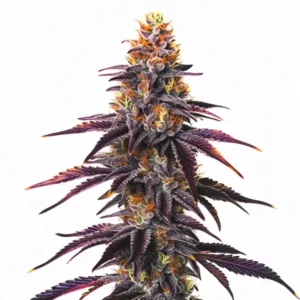
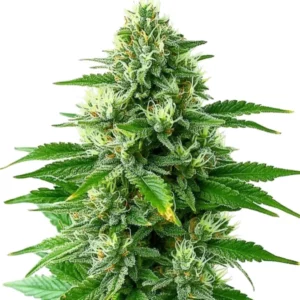
Fat Bastard

|
THC | 30% - 38% (High) |

|
Type | Feminized |

|
Yield | High |

|
Phenotype | 50% Indica / 50% Sativa |

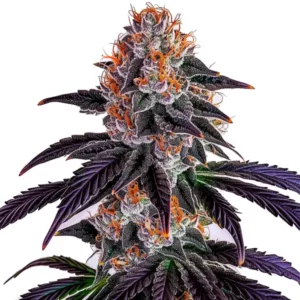
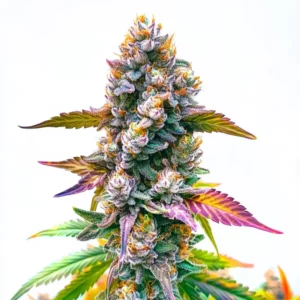
Cafe Racer
|
|
THC | 25% (High) |
|
|
Type | Feminized |
|
|
Yield | Medium |
|
|
Phenotype | 30% Indica / 70% Sativa |
So, what amendments reduce lead availability in soil? Let’s explore the options that can help you cultivate healthier, lead-free cannabis plants.
Phosphate Amendments for Lead Reduction
Phosphate amendments are widely known for their ability to immobilize lead in soil. When added, phosphate binds with lead, forming stable compounds that plants cannot absorb. This process is straightforward and highly effective.
Consider using rock phosphate or triple superphosphate. These materials are not only easy to apply but also offer immediate benefits. For cannabis growers, this means reducing lead availability quickly, ensuring your plants have a healthy growing environment.
Integrating phosphate soil amendments for lead reduction into your gardening routine is a smart move for any serious grower. The chemistry behind phosphate’s effectiveness lies in its ability to create insoluble lead phosphates. These compounds are stable and remain in the soil, significantly reducing the risk of lead uptake by plants.
Moreover, applying phosphate amendments doesn’t just benefit your soil’s lead levels; it also contributes essential nutrients that promote plant growth. Phosphate is a critical nutrient for cannabis, aiding in root development and flowering. By using these amendments, you’re addressing multiple plant health aspects with one solution.
Promos & Deals

Biochar’s Impact on Soil Lead Availability
Biochar is a type of charcoal used to enhance soil quality. Its porous nature allows it to absorb heavy metals, including lead. For cannabis growers, this means less lead uptake by your plants.
When applying biochar, mix it thoroughly with your soil. This ensures maximum contact with lead particles, reducing their availability. Plus, it improves soil structure, enhancing overall plant health.
The biochar impact on soil lead availability is profound, offering a dual benefit of contamination reduction and soil enhancement. Its high surface area allows it to retain nutrients and moisture, creating a more stable environment for plant roots. This not only limits lead absorption but also supports healthier microbial activity in the soil.
Incorporating biochar into your soil management practices can also improve the long-term fertility of your garden. Over time, biochar helps in building a resilient soil structure that enhances the growth potential of your cannabis plants. The combined effect of reduced lead availability and improved soil quality makes biochar a valuable addition to any cultivation effort.
Organic Matter Amendments for Lead in Soil
Organic matter, such as compost or well-rotted manure, can be a game-changer. It not only adds nutrients but also binds lead, making it less available to plants. This method is both sustainable and effective.
Incorporating organic matter into your soil can be as simple as spreading compost over your garden. Keep it a few inches thick, and let nature do the rest. Over time, you’ll notice healthier plants and reduced lead content.
Organic matter amendments for lead in soil are a cornerstone of sustainable gardening practices. The decomposition process of organic matter releases acids and compounds that further immobilize lead, ensuring it remains locked away from plant roots. This natural method aligns perfectly with environmentally friendly growing practices.
Furthermore, organic matter enriches the soil with beneficial microbes and nutrients, creating a symbiotic environment for cannabis plants. As the organic material breaks down, it not only aids in lead reduction but also improves soil texture and aeration, leading to more vigorous plant growth and resilience against pests and diseases.
Soil pH Adjustment to Reduce Lead Availability
Adjusting soil pH is another effective strategy. Lead becomes less available in alkaline conditions. By raising the pH, you can minimize lead uptake by your cannabis plants.
Lime is commonly used for this purpose. It’s cost-effective and readily available. Simply sprinkle lime over your soil, and water it in. Monitor your pH levels regularly to maintain the desired range.
Soil pH adjustment to reduce lead availability is a straightforward yet powerful technique. Increasing the pH of your soil not only decreases lead solubility but also optimizes nutrient availability for cannabis plants. This dual benefit ensures that your plants can thrive without the interference of harmful heavy metals.
Regularly testing and adjusting soil pH is essential for maintaining a balanced growing environment. Tools such as pH meters or soil test kits can help you keep track of your soil’s condition, ensuring that amendments like lime are applied effectively. The result is a healthier, more productive growing space for your cannabis strains.
Compost Application and Lead Availability in Soil
Applying compost to your soil is perhaps the simplest way to reduce lead availability. It’s a natural method that enhances soil quality while binding with lead particles.
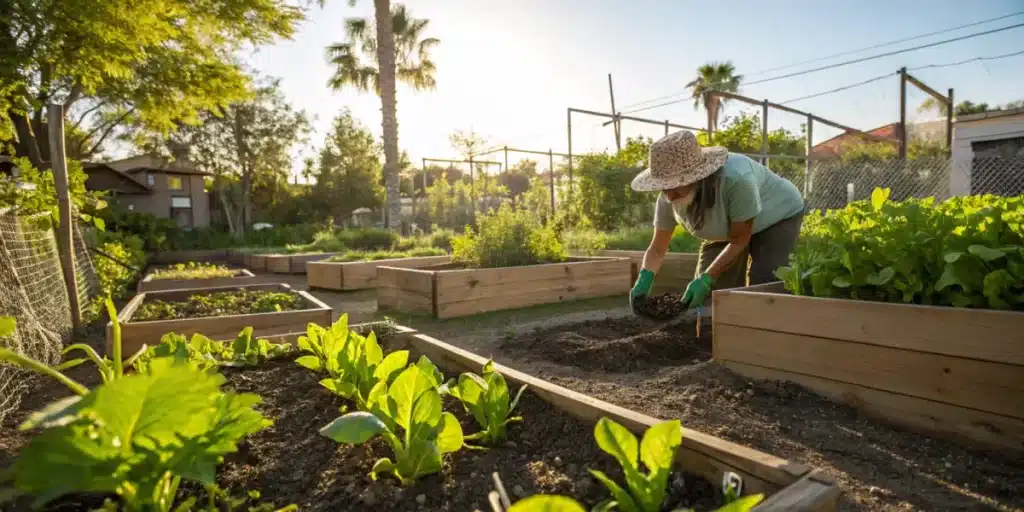
Spread a generous layer of compost, about three inches thick, over your garden. Work it into the topsoil with a rake. This practice not only reduces lead but also enriches your soil with essential nutrients.
The process of compost application lead availability in soil is both simple and effective. By integrating organic compost into your soil, you foster an environment where beneficial microorganisms thrive. These microbes play a crucial role in breaking down organic matter and facilitating the immobilization of lead.
Moreover, compost provides a continuous release of nutrients, supporting plant growth throughout the growing season. For cannabis cultivators using strains from Blimburn Seeds, this means a more robust and lead-safe harvest. With regular compost applications, you build a foundation of healthy, fertile soil that supports sustainable gardening practices.
FAQs about what amendments reduce lead availability in soilr
What amendments reduce lead availability in soil most effectively?
Phosphate amendments are highly effective. They bind with lead, forming insoluble compounds. This reduces the amount of lead plants can absorb. It’s a quick solution that many growers trust for immediate results.
Biochar is another great option. It absorbs lead, reducing its availability. Combining these methods often yields the best results, ensuring your cannabis plants remain healthy and lead-free.
How does biochar impact soil lead availability?
Biochar has a unique ability to trap lead within its porous structure. This makes it a powerful tool for reducing lead availability in soil. For cannabis growers, it means safer, healthier plants with reduced lead uptake.
Mix biochar thoroughly with your soil to maximize its benefits. Over time, you’ll see improved soil quality and reduced heavy metal contamination.
Can organic matter amendments help with lead in soil?
Yes, organic matter such as compost or manure can help. These materials bind lead, reducing its availability to plants. This method is natural and sustainable, making it a favorite among environmentally conscious growers.
Incorporate organic matter regularly to maintain soil health. Your cannabis plants will thrive in a nutrient-rich, lead-free environment.
Why is soil pH adjustment important for reducing lead availability?
Lead is less available in alkaline soils. By raising the pH, you can reduce lead uptake. Lime is commonly used to increase soil alkalinity, providing a straightforward solution for growers.
Maintaining the right pH is crucial for plant health. It ensures your cannabis plants can access nutrients while minimizing lead risks.
How does compost application influence lead availability in soil?
Compost binds with lead, reducing its availability to plants. It’s a natural and effective way to improve soil health and reduce lead risks. Regular compost application enriches the soil with essential nutrients.
For cannabis cultivation, compost provides a balanced growing medium. It supports plant health, ensuring robust growth and a bountiful harvest.
Related articles
Want to dig further into this subject? We cover it from other angles in Does Flushing Remove Heavy Metals from Cannabis? Expert Insights and Essential Guide to Cadmium in Cannabis: Risks & Proven Prevention, so give them a read to round out your understanding before your next grow.