Does Flushing Remove Heavy Metals from Cannabis? Expert Insights

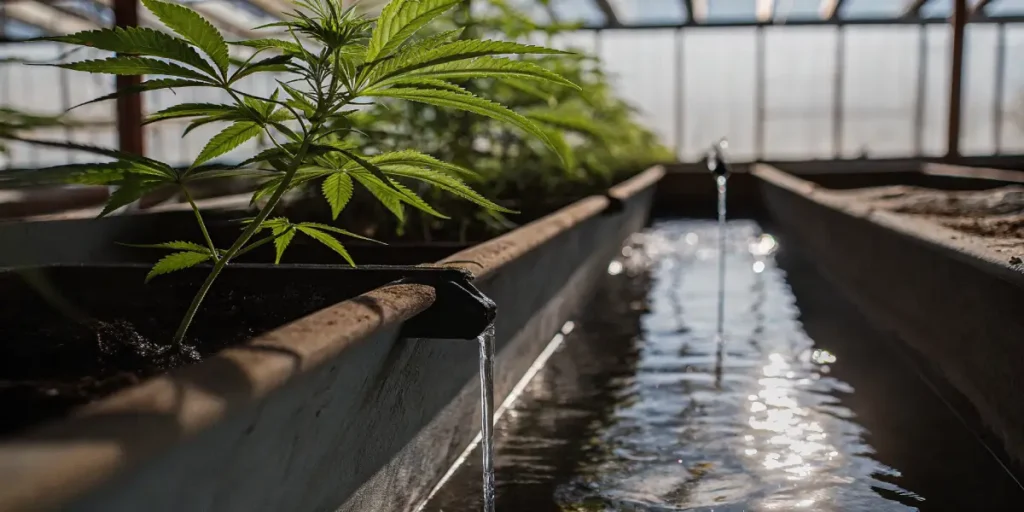
When growing cannabis, ensuring your plants are free from contaminants like heavy metals is crucial. A common practice among cultivators is flushing, a process of running water through the soil to clear away unwanted substances. But does flushing remove heavy metals from cannabis plants effectively? Let’s dive into what experts say about this practice.
Flushing the soil of cannabis plants involves using plain water or a flushing agent to rinse away excess nutrients and potential toxins. While many growers believe this helps in reducing heavy metal content, the effectiveness of flushing cannabis in eliminating heavy metals is still debatable. It’s important to consider various factors like soil type, water quality, and the specific strain being cultivated.
Recommended Strains
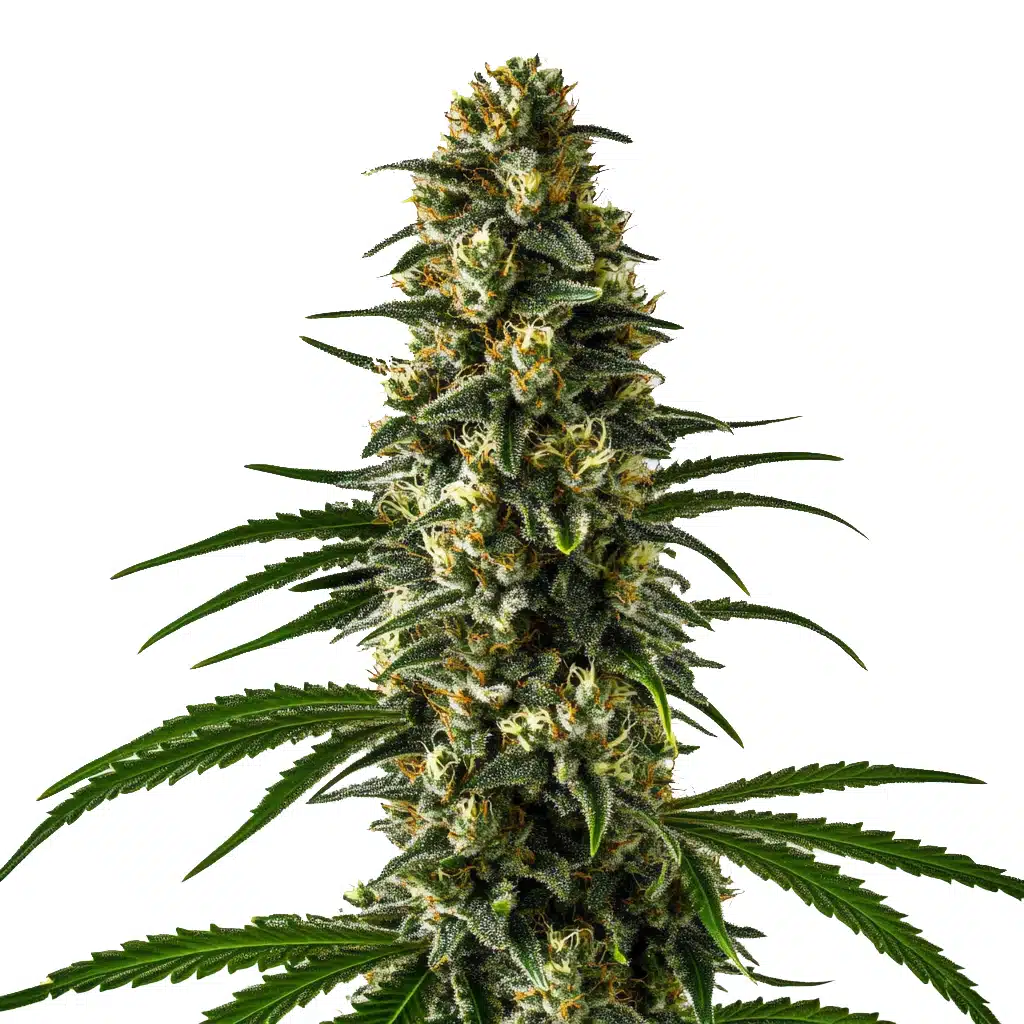
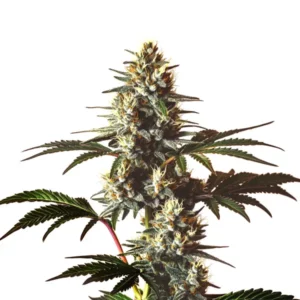
Girl Scout Cookies

|
THC | 18% - 25% (High) |

|
Type | Feminized |

|
Yield | High |

|
Phenotype | 60% Indica / 40% Sativa |
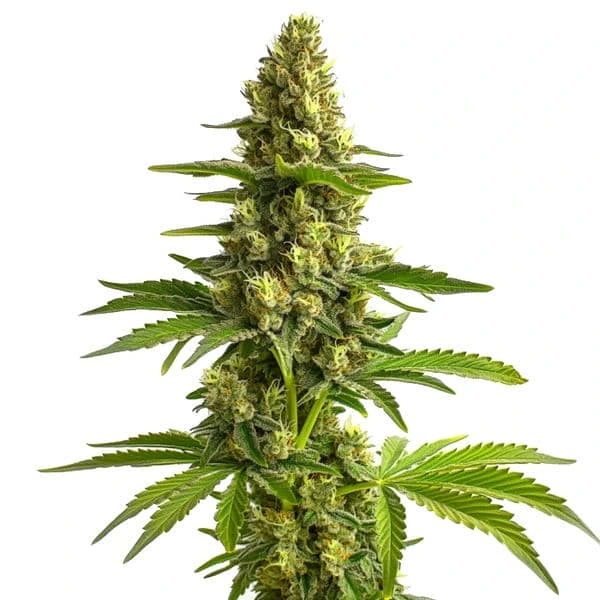
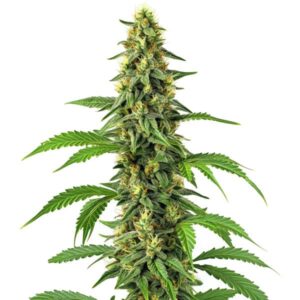
Bruce Banner #3
|
|
THC | 20% - 29% (High) |
|
|
Type | Feminized |
|
|
Yield | High |
|
|
Phenotype | 50% Indica / 50% Sativa |
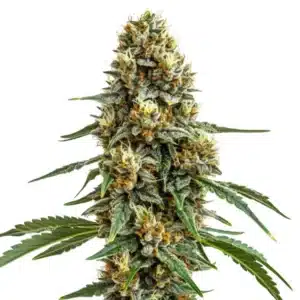
For instance, certain cannabis strains from Blimburn Seeds, known for their hardiness and adaptability, may respond differently to flushing. Strains like GG4, Bruce Banner 3, and Girl Scout Cookies are popular among growers who prioritize both potency and purity. These strains can handle different growing conditions, but how does flushing cannabis affect heavy metal content in these plants?
Best Practices for Flushing Cannabis to Remove Heavy Metals
Flushing cannabis plants to reduce heavy metal toxicity requires a careful approach. The timing of the flush is crucial typically recommended during the last two weeks of the flowering stage. By this time, the plants have absorbed most of the nutrients they need. The goal is to ensure that any residual heavy metals do not end up in the final product.
Using clean, pH-balanced water is one of the best practices for flushing cannabis to remove heavy metals. Tap water can sometimes contain heavy metals, so using filtered or distilled water can make a difference. Additionally, checking the pH levels ensures that the nutrients are not locked out, which could otherwise stress the plants.
Another important aspect to consider is the growing medium. Soil with a high organic content may require additional measures to ensure effective flushing. Growers may need to increase the volume of water used or incorporate specific flushing agents designed to target heavy metals. This approach can help optimize the flushing process and reduce heavy metal toxicity effectively.
Furthermore, the frequency of flushing should be carefully managed. Over-flushing can lead to nutrient deficiencies, while under-flushing might not sufficiently reduce heavy metal levels. Monitoring the plant’s response and adjusting the flushing schedule accordingly can help achieve the desired balance between purity and plant health. These best practices for flushing cannabis to remove heavy metals are vital for maintaining high-quality crops.
How Effective Is Flushing Cannabis in Eliminating Heavy Metals?
The effectiveness of flushing depends on various factors, including the growing medium. When asking does flushing remove heavy metals from cannabis plants, it’s important to understand that results can vary significantly. Plants grown in soil may retain more heavy metals than those in hydroponic systems. In hydroponics, water is the primary medium, and flushing can be more controlled and efficient. However, in soil, heavy metals can bind tightly to organic matter, making them harder to flush out, which directly impacts whether flushing can effectively reduce their presence.
Real-life experiences from growers show mixed results. Some report a noticeable reduction in heavy metal content following a well-timed and executed flush. Others, however, find that while flushing improves the taste and smoothness of the smoke, it may not significantly impact heavy metal levels in cannabis.
Research on how effective is flushing cannabis in eliminating heavy metals continues to grow. New studies are being conducted to better understand the interactions between different soil compositions and heavy metal retention. This could lead to more refined techniques that enhance the effectiveness of flushing in various growing conditions.
Besides soil composition, the choice of nutrients and additives can also influence the effectiveness of flushing. Some fertilizers contain chelating agents that can help bind heavy metals, making them easier to flush out. Knowing the function of these supplements can provide additional strategies for growers looking to optimize the impact of flushing on heavy metal levels in cannabis.
Impact of Flushing on Heavy Metal Levels in Cannabis
While flushing is a popular method to improve the quality of cannabis, many growers still ask does flushing remove heavy metals from cannabis plants effectively. Its impact on heavy metal levels is not always straightforward. Environmental conditions such as soil composition and water sources play a significant role. For example, soil with high organic matter may retain heavy metals more tightly, reducing the overall effectiveness of flushing.
Growers aiming for low heavy metal content might also consider additional strategies alongside flushing. For instance, using clean soil and ensuring that water sources are free from contaminants can help. Regular testing of soil and water can alert growers to potential heavy metal issues before they become a problem.
It is also essential to consider the function of microbial life in the soil. Certain microorganisms can affect the availability of heavy metals, potentially aiding the flushing process. Encouraging beneficial microbes through organic amendments could enhance the impact of flushing on heavy metal levels in cannabis.
Besides, the geographical location of cultivation can influence the naturally occurring heavy metal content in the environment. Regions with a history of industrial activity may have higher baseline levels, requiring more rigorous flushing and testing protocols. Knowing these factors can help growers tailor their strategies to better manage heavy metal exposure.

Promos & Deals


FAQs about does flushing remove heavy metals from cannabis plants
Does flushing remove heavy metals from cannabis plants completely?
Flushing is a technique used to cleanse the soil of excess nutrients, but it may not completely remove heavy metals. Heavy metals can bind to soil particles, making them difficult to rinse away entirely. However, flushing can help reduce their concentration, especially when combined with other best practices like using clean soil and filtered water.
For growers who prioritize purity, such as those cultivating Blimburn Seeds GG4, flushing is one step in a multi-faceted approach to minimizing heavy metal content. It’s important to keep in mind that while flushing can improve the overall quality of the cannabis, it should be part of a broader strategy to manage heavy metal exposure.
Incorporating regular soil and water testing into the cultivation process can provide valuable insights into the levels of heavy metals present. This information can guide growers in adjusting their flushing protocols to achieve better results. By knowing the specific challenges posed by their growing environment, growers can more effectively use flushing to manage heavy metal content.
Additionally, considering alternative methods such as the use of biochar or other soil amendments can complement the flushing process. These materials can help sequester heavy metals and reduce their uptake by plants, providing an additional layer of protection against contamination.
Can flushing affect the taste and quality of cannabis?
Yes, flushing can significantly impact the taste and quality of cannabis. By removing excess nutrients and potential contaminants, the final product can be smoother and more flavorful. This is why many growers choose to flush their plants in the weeks leading up to harvest.
However, the effectiveness of flushing varies depending on the strain and growing conditions. For instance, Blimburn Seeds Girl Scout Cookies might exhibit a more pronounced improvement in taste after a thorough flush. Growers often notice a cleaner smoke and enhanced aroma as a result.
The timing of the flush plays a crucial role in determining its impact on taste. A well-timed flush can prevent the buildup of harsh-tasting compounds, leading to a more pleasant smoking experience. This makes knowing the optimal flushing schedule essential for growers focused on quality.
Moreover, the choice of water used in flushing can also influence flavor profiles. Using distilled or filtered water helps ensure that no additional contaminants are introduced during the process, preserving the natural taste of the cannabis strain. This attention to detail can make a significant difference in the final product’s quality.
What other methods can be used alongside flushing to reduce heavy metals?
Aside from flushing, growers can adopt several other methods to reduce heavy metal content in cannabis. First, use high-quality, uncontaminated soil and ensure your water source is free from heavy metals. Testing soil and water regularly can help identify and address potential issues early on.
Some growers also use specific amendments like biochar or activated carbon, which can bind heavy metals and keep them from being absorbed by the plant. These methods, when combined with careful flushing, can offer a more comprehensive solution for minimizing heavy metal exposure in cannabis plants.
Another effective strategy is the use of cover crops or companion planting, which can help improve soil health and reduce heavy metal uptake. Certain plants can naturally extract heavy metals from the soil, serving as a bio-remediation tool alongside flushing practices.
Implementing a crop rotation system can also contribute to reducing heavy metal accumulation over time. By alternating cannabis cultivation with other crops, growers can help restore soil balance and mitigate long-term contamination risks. These integrated approaches enhance the overall effectiveness of flushing efforts.
Is hydroponic growing less likely to result in heavy metal contamination?
Hydroponic systems often have a lower risk of heavy metal contamination compared to soil-grown plants. Since the growing medium is primarily water, it allows for more precise control over nutrient levels and contaminants. This can make flushing more effective in reducing unwanted heavy metals.
However, it is still crucial to monitor water quality and nutrient sources in hydroponic setups. Even in hydroponics, contaminants can be introduced through fertilizers or unfiltered water. Growers using hydroponic systems, especially with strains like Blimburn Seeds Bruce Banner 3, should remain vigilant about water quality to ensure the purity of their crops.
The choice of hydroponic system can also influence the risk of heavy metal contamination. For example, deep water culture systems may have different flushing requirements compared to nutrient film technique systems. Knowing these nuances can help growers optimize their hydroponic setups for minimal heavy metal exposure.
Moreover, regular maintenance and cleaning of hydroponic equipment are essential to prevent the buildup of residues that could harbor heavy metals. By implementing a thorough cleaning regimen, growers can further reduce the likelihood of contamination, thereby enhancing the impact of flushing on heavy metal levels in hydroponic cannabis.
How does the choice of cannabis strain affect flushing success?
The choice of cannabis strain can influence the success of flushing techniques. Some strains are more resilient and may handle nutrient fluctuations better than others. For example, strains like Blimburn Seeds Grape Gas Cannabis Extraction are known for their robust growth characteristics, which may make them more forgiving during the flushing process.
Different strains have varying nutrient requirements and tolerances to contaminants. Knowing your chosen strain’s needs and characteristics can help tailor the flushing process for optimal results. Ultimately, experimenting with different strains and observing their responses to flushing can provide valuable insights for any grower.
Genetic factors also play a role in how different strains respond to heavy metal exposure. Some strains may have a natural ability to limit heavy metal uptake, making them more suitable for environments where contamination is a concern. Selecting strains with these traits can enhance the effectiveness of flushing cannabis plants to reduce heavy metal toxicity.
Additionally, growers should consider the intended use of their cannabis when choosing strains. Strains intended for medicinal use may require more stringent flushing protocols to ensure the highest purity levels. By aligning strain selection with cultivation goals, growers can better manage the impact of flushing on heavy metal levels in cannabis.
You may also like
This guide pairs well with two more from our blog. Take a look at Essential Guide to Cadmium in Cannabis: Risks & Proven Prevention and Essential Guide: Proven Solutions to Microbial Contamination in Soil-Grown Cannabis to get the full picture and put these ideas into practice with confidence.