How to Grow Skunk Indoors: A Complete Guide

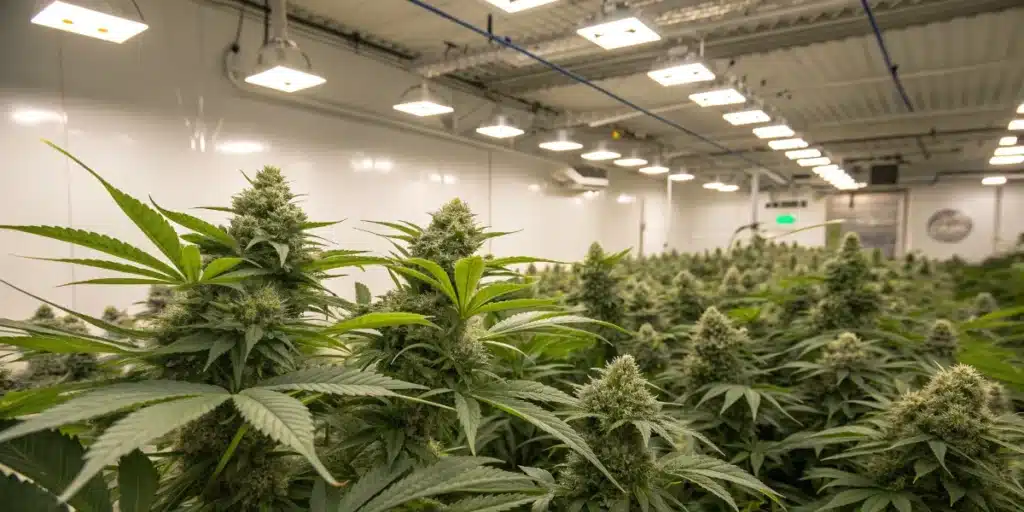
How to grow Skunk indoors: Growing Skunk indoors offers a controlled environment for optimal plant development. With yields reaching up to 1.5 oz/ft² (450 g/m²), Skunk thrives under a 12/12 light schedule during flowering. Ensure your setup includes proper ventilation and humidity control to maximize resin production and terpene profiles. This approach enhances both potency and flavor, making it ideal for personal cultivation.
Growing Skunk indoors requires a well-planned setup and attention to detail. This guide will walk you through the essential steps, from selecting the right equipment to maintaining optimal conditions. Did you know that with the right setup, Skunk plants can yield up to 500 grams per square meter indoors?
Recommended Strains
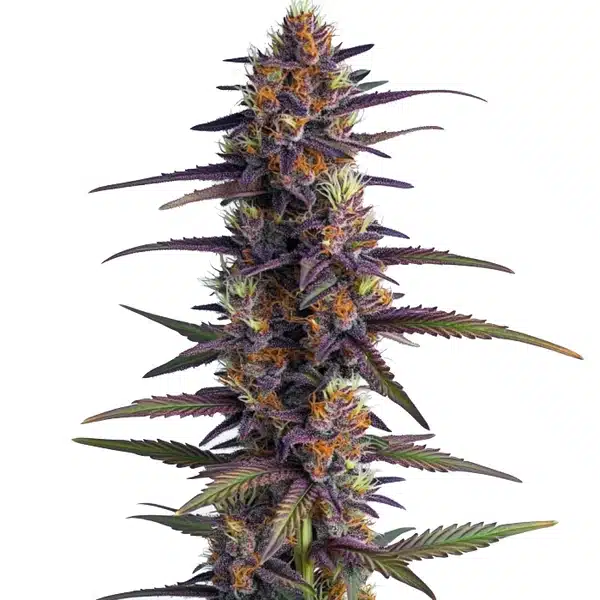
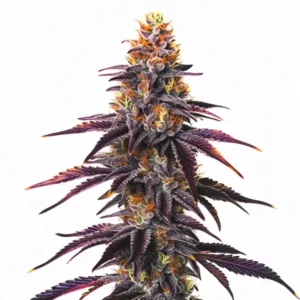
Purple Thai Regular

|
THC | 22% - 24% (High) |

|
Type | Regular |

|
Yield | High |

|
Phenotype | 30% Indica / 70% Sativa |
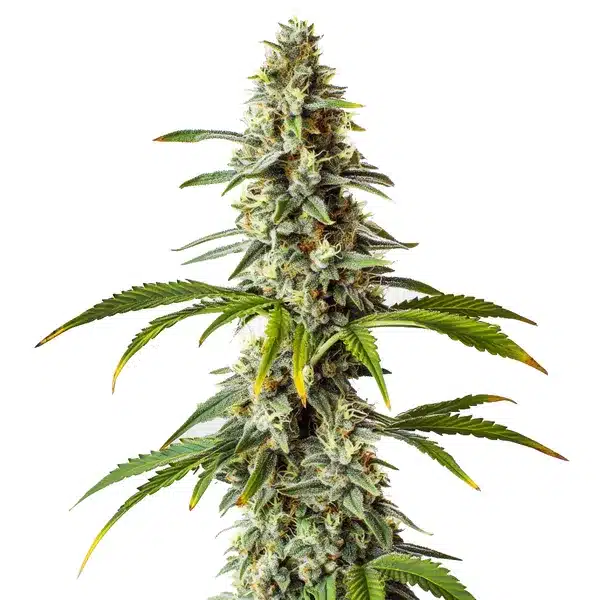
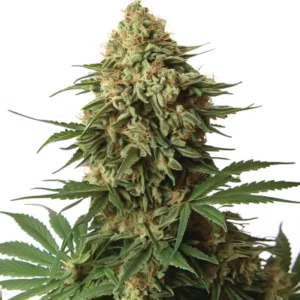
Diesel
|
|
THC | 12% - 21% (Medium) |
|
|
Type | Feminized |
|
|
Yield | High |
|
|
Phenotype | 30% Indica / 70% Sativa |
Skunk’s Characteristics and Indoor Cultivation
Skunk’s Unique Traits
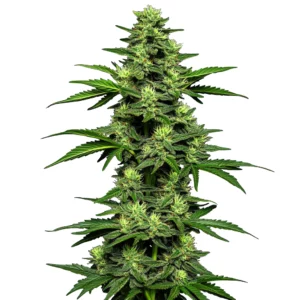
Skunk strains are renowned for their pungent aroma and robust growth. These plants typically exhibit a bushy structure, making them suitable for indoor cultivation. The key to success lies in managing their vigorous growth, ensuring they receive adequate light and nutrients. With THC levels often exceeding 20%, Skunk offers a potent experience for users.
Skunk’s terpene profile, dominated by Myrcene (0.8-1.2%), contributes to its earthy aroma and enhances THC uptake, providing a relaxing effect. Caryophyllene (0.4-0.7%) adds a spicy kick and interacts with CB2 receptors to reduce inflammation. These terpenes are crucial for Skunk’s distinctive profile.
Advantages of Indoor Cultivation
Indoor cultivation allows for precise control over environmental factors such as temperature, humidity, and light intensity. This control is essential for maximizing Skunk’s yield and potency. By maintaining temperatures between 68°F – 77°F (20°C – 25°C) and humidity levels at 50-60%, you can optimize resin production and prevent mold growth.
Experienced growers recommend using LED lights to provide 800-1000 µmol/m²/s during the flowering stage. This ensures Skunk plants develop dense, resinous buds. Avoid common mistakes like overwatering, which can lead to root rot and stunted growth.
Promos & Deals


Essential Equipment for Indoor Skunk Cultivation
Indoor Grow Setup List
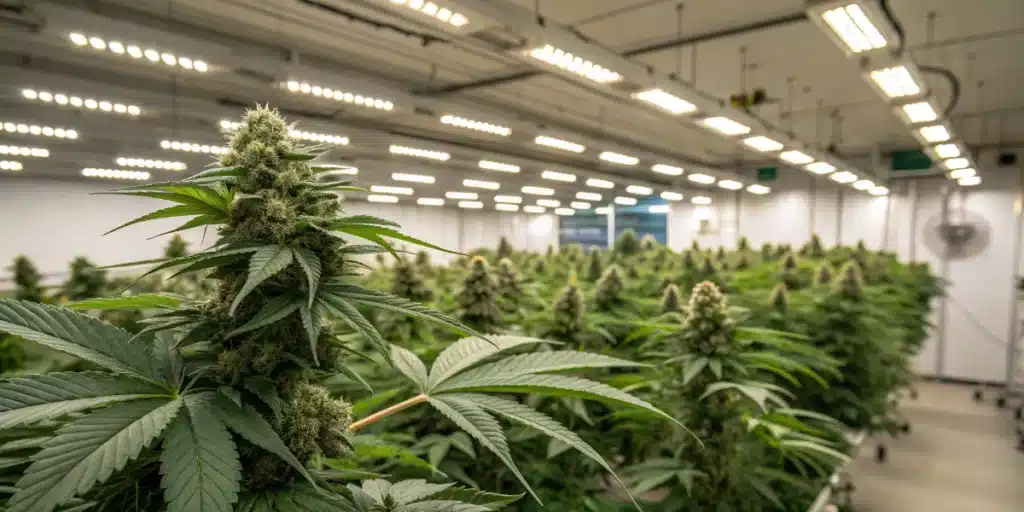
To start your indoor Skunk cultivation, you’ll need an indoor grow setup list that includes high-quality LED lights, a ventilation system, and a grow tent. A 4×4 ft (1.2×1.2 m) tent is ideal for managing temperature and humidity. Ensure your setup has a carbon filter to control Skunk’s strong odor.
Include a digital hygrometer to monitor humidity levels and a pH meter to maintain the nutrient solution between 5.5-6.5. These tools are essential for preventing nutrient lockout and ensuring healthy plant development. Proper equipment setup is the foundation of successful indoor cultivation.
Best Indoor Grow Setup for Beginners
For beginners, the best indoor grow setup for Skunk involves a simple, yet effective configuration. Start with a 600W LED light, which provides ample coverage for a small grow space. Use fabric pots to improve root aeration and prevent overwatering. A basic nutrient kit with a balanced N:P:K ratio of 3:1:2 during vegetative growth is recommended.
Position your grow tent in a space with stable temperatures and minimal light leaks. Beginners should focus on maintaining consistent conditions and gradually learning advanced techniques like topping and low-stress training. This approach minimizes errors and enhances plant health.
Step-by-Step Guide on How to Grow Skunk Indoors
Preparing Your Indoor Grow Tent
An indoor grow tent is crucial for controlling the environment when growing Skunk indoors. Start by setting up your tent in a location with stable temperatures and minimal light interference. Install a ventilation system to maintain air circulation and prevent heat buildup.
Ensure your tent is equipped with reflective walls to maximize light efficiency. This setup enhances photosynthesis and promotes vigorous growth. Regularly check for light leaks, as they can disrupt the plant’s photoperiod and affect flowering.
Optimal Indoor Grow Setup
The best grow setup for indoors ensures optimal conditions for your Skunk plants by balancing light, temperature, and humidity. Use a programmable timer to maintain a 16-18 hour light schedule during vegetative growth and switch to 12/12 for flowering.
Maintain nutrient levels with a balanced N:P:K ratio of 1:3:2 during flowering. This supports bud development and increases resin production. Regularly monitor pH levels to prevent nutrient lockout and ensure healthy growth.
| Feature | Purple Thai Regular | Diesel | Cafe Racer |
|---|---|---|---|
| THC Content | 22-24% | 12-21% | 25% |
| Yield Indoor | 1.31 – 1.64 oz/ft² | 400 – 500 g/m² | 1.64 oz/ft² | 500 g/m² | 1.15 – 1.47 oz/ft² | 350 – 450 g/m² |
| Flowering Time | 16 – 20 weeks | 9 – 10 weeks | 8 – 10 weeks |
| Dominant Terpene | Myrcene | Limonene | Caryophyllene |
| Effect | Happy, Relaxed, Uplifted | Creative, Energetic, Relaxed | Happy, Relaxed, Talkative |
Tips for Successful Skunk Cultivation
- Maintain 58-62% RH during cure. Below 55% arrests terpene development; above 65% promotes Botrytis within 48h. Check with a calibrated digital hygrometer, never analog.
- Ensure 800-1000 µmol/m²/s light intensity during flowering to maximize bud density. Insufficient light reduces yield and potency.
- Use a balanced N:P:K ratio of 1:3:2 during flowering to support bud development and resin production.
- Regularly monitor pH levels between 5.5-6.5 to prevent nutrient lockout and ensure healthy growth.
- Use fabric pots to improve root aeration and prevent overwatering, which can lead to root rot.
- Install a carbon filter in your grow tent to control Skunk’s strong odor and maintain discretion.
FAQ
Is Skunk easy to grow?
Skunk is relatively easy to grow due to its robust nature and adaptability. It thrives in controlled indoor environments with proper light and nutrient management. Expect yields of 1.5 oz/ft² (450 g/m²) with THC levels often exceeding 20%. Ensure consistent environmental conditions to maximize growth and potency.
What is the best light schedule for Skunk indoors?
The optimal light schedule for Skunk indoors is 18/6 during vegetative growth and 12/12 during flowering. This schedule mimics natural light cycles, promoting healthy growth and maximizing yield. Ensure light intensity reaches 800-1000 µmol/m²/s during flowering for best results.
How do I control Skunk’s odor indoors?
To control Skunk’s potent odor indoors, use a carbon filter in your ventilation system. This effectively neutralizes the smell, maintaining discretion. Regularly check and replace filters to ensure efficiency. A well-sealed grow tent also helps contain odors.
What are common pests affecting Skunk indoors?
Common pests affecting Skunk indoors include spider mites, aphids, and fungus gnats. Regularly inspect plants and use neem oil or insecticidal soap as a preventative measure. Maintain cleanliness and proper ventilation to reduce pest infestations.
How can I enhance Skunk’s terpene profile?
Enhance Skunk’s terpene profile by maintaining optimal humidity and temperature levels. Keep RH at 50-60% and temperatures between 68°F – 77°F (20°C – 25°C). Use organic nutrients rich in sulfur to boost terpene production, enhancing flavor and aroma.