Essential Guide to Cadmium in Cannabis: Risks & Proven Prevention

Cadmium is a heavy metal that can find its way into cannabis plants during cultivation. As a grower or consumer, it’s crucial to be aware of the risks associated with cadmium in cannabis: risks and prevention. Heavy metal contamination isn’t just a concern for large-scale operations; even small home growers need to be vigilant.
This element can enter the cannabis plants through soil, water, or even certain fertilizers. Once inside the plant, cadmium can pose significant health risks to consumers. It’s important to understand how cadmium contamination in cannabis safety guidelines can help mitigate these risks.
Recommended Strains
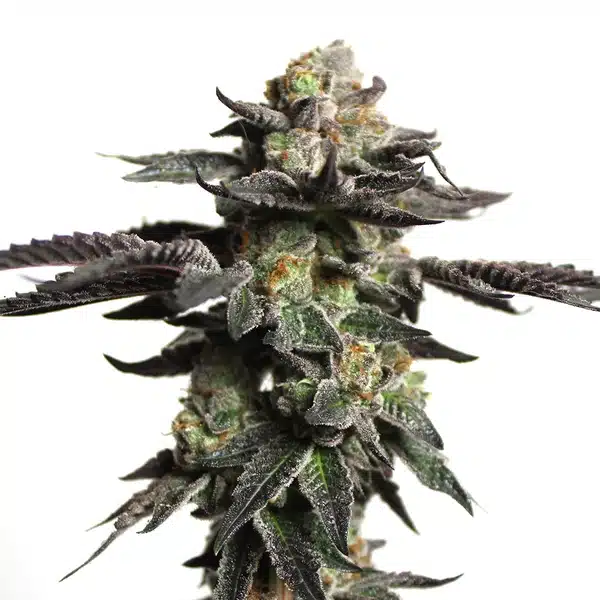
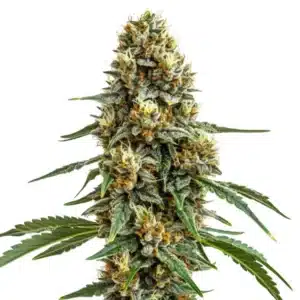
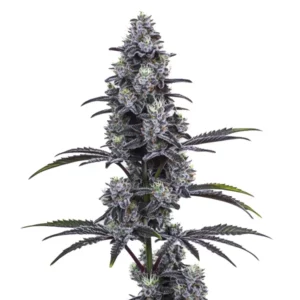
Zombie Death Fuck

|
THC | 23% (Medium) |

|
Type | Feminized |

|
Yield | Medium |

|
Phenotype | 50% Indica / 50% Sativa |

Gelato
|
|
THC | 27% (High) |
|
|
Type | Feminized |
|
|
Yield | High |
|
|
Phenotype | 50% Indica / 50% Sativa |
Fortunately, there are effective strategies to prevent cadmium absorption in cannabis plants. By adopting best practices in cultivation, such as using clean soil and water, growers can significantly reduce the risk of contamination. Let’s delve into the health implications and preventive measures to ensure safer cannabis consumption.
Health Risks of Cadmium Exposure from Cannabis
Cadmium exposure from cannabis can lead to several health issues. This metal is known to cause kidney damage over time, and chronic exposure may increase the risk of cancer. Smoking or vaping contaminated cannabis can directly introduce cadmium into the lungs, potentially leading to respiratory issues.
The body does not easily eliminate cadmium, leading to accumulation over time. This can result in long-term health problems, particularly for regular cannabis users. Knowing these risks emphasizes the need for cadmium testing in cannabis industry standards to ensure product safety.
The health risks of cadmium exposure from cannabis are not limited to direct consumption. Indirect exposure through handling contaminated plants or products can also pose risks. This highlights the importance of adhering to cadmium contamination in cannabis safety guidelines for all individuals involved in the cannabis industry.
Moreover, the cumulative effect of cadmium exposure, even in small amounts, should not be underestimated. As consumers become more health-conscious, the demand for transparent and rigorous testing processes increases, pushing the industry towards stricter safety standards and practices.
Preventing Cadmium Absorption in Cannabis Plants
Preventing cadmium absorption in cannabis plants starts with the choice of soil. Opt for soil that has been tested for heavy metals and avoid using contaminated water sources. These initial steps can significantly reduce the cadmium levels in cannabis cultivation practices.
Fertilizers can also be a source of cadmium. Selecting fertilizers that are certified free of heavy metals can prevent unwanted contamination. It’s also beneficial to rotate crops and use organic farming methods to maintain a healthy growing environment.
Preventing cadmium absorption in cannabis plants can also be achieved by monitoring environmental factors. Ensuring that the water pH is balanced and free from contaminants can make a significant difference in reducing cadmium uptake. This is a crucial aspect of cadmium contamination in cannabis safety guidelines.
Additionally, growers can implement buffer zones around cultivation sites to prevent external sources of cadmium from impacting their crops. By creating a controlled environment, the risks of cadmium contamination are minimized, leading to safer cannabis production and consumption.
Promos & Deals



Reducing Cadmium Levels in Cannabis Cultivation Practices
Implementing certain cultivation techniques can further reduce cadmium levels in cannabis. In the context of cadmium in cannabis: risks and prevention, regular soil testing allows growers to monitor and manage cadmium content effectively. Amending soil with organic matter can also help bind cadmium, preventing it from being absorbed by plants.
Using hydroponic systems can be another way to control nutrient uptake, reducing the risk of cadmium entering the plants. These systems allow for precise control over what the plants are exposed to, minimizing the chance of contamination.
By adopting innovative cultivation technologies, growers can achieve greater control over their environment, thus reducing cadmium levels in cannabis cultivation practices. Techniques such as controlled environment agriculture (CEA) offer solutions to monitor and adjust environmental conditions in real-time.
Moreover, collaboration with industry experts and participation in educational programs can further enhance growers’ knowing of best practices. This not only ensures compliance with cadmium testing in cannabis industry standards but also promotes a culture of safety and quality within the cannabis industry.
Cadmium Testing in Cannabis Industry Standards
Cadmium testing in cannabis industry standards is a crucial step in ensuring consumer safety. Regulatory bodies are increasingly setting limits on permissible cadmium levels in cannabis products. Routine testing by growers can help meet these standards and prevent contaminated products from reaching the market.
Laboratories equipped to test for heavy metals can provide detailed reports on cadmium levels, guiding growers to make necessary adjustments in their cultivation practices. It’s a proactive approach that not only ensures compliance but also builds trust with consumers.
Implementing cadmium testing in cannabis industry standards forms the backbone of a safe and transparent cannabis market. With the increasing awareness of health risks of cadmium exposure from cannabis, consumers are demanding higher standards of accountability from producers.
Brands like Blimburn Seeds, known for their commitment to quality, often lead by example by conducting rigorous testing and adhering to industry standards. This not only enhances their reputation but also provides consumers with the assurance of safe and reliable cannabis products.
FAQs about cadmium in cannabis: risks and prevention
What is cadmium, and why is it in cannabis?
Cadmium is a naturally occurring heavy metal found in the earth’s crust. It can enter cannabis plants through soil, water, or fertilizers. Cadmium in cannabis: risks and prevention is a growing concern due to the potential health risks associated with exposure to this metal.
Growers need to be aware of cadmium contamination in cannabis safety guidelines to minimize these risks. By choosing clean soil and water sources and adhering to industry standards, cadmium exposure can be significantly reduced.
The presence of cadmium in cannabis is a reflection of environmental factors and cultivation practices. As the industry grows, the emphasis on sustainable and safe methods becomes more pronounced, ensuring that both growers and consumers are protected from potential hazards.
Efforts to understand and mitigate the presence of cadmium in cannabis are ongoing, with research dedicated to developing strains and techniques that naturally resist heavy metal absorption. Such innovations are crucial in addressing the challenges posed by cadmium contamination.
How can I test my cannabis for cadmium contamination?
Testing cannabis for cadmium contamination involves sending samples to a certified laboratory. These labs use advanced techniques to measure the levels of heavy metals in the plant material, ensuring that it meets industry safety standards.
For home growers, it’s advisable to partner with a lab that specializes in cannabis testing. This will provide peace of mind and confirm that your cannabis is safe for consumption.
Testing for cadmium contamination is not just about compliance but also about ensuring the highest quality of product. By regularly testing, growers can identify potential issues early and make necessary adjustments to their cultivation practices.
Choosing laboratories that are recognized for their expertise in cannabis testing can provide comprehensive insights into cadmium levels and other potential contaminants. This proactive approach aligns with cadmium testing in cannabis industry standards and fosters consumer confidence.
What are some signs of cadmium contamination in cannabis plants?
Signs of cadmium contamination in cannabis plants can be subtle. Plants may exhibit stunted growth or display yellowing leaves. However, these symptoms can also be caused by other factors, making it important to test the soil and plant material for confirmation.
Regular testing and adherence to best growing practices are key to avoiding cadmium contamination. Engaging with brands like Blimburn Seeds, known for their focus on quality and safety, can help mitigate these risks.
Recognizing the signs of cadmium contamination early can prevent larger issues from developing. Growers should remain vigilant and conduct regular inspections of their plants and growing environments to ensure any signs of contamination are addressed promptly.
Besides to visual inspections, maintaining detailed records of cultivation practices and environmental conditions can assist in identifying patterns that may lead to cadmium absorption. This methodical approach is essential in preventing cadmium absorption in cannabis plants.
Are there specific cannabis strains that absorb less cadmium?
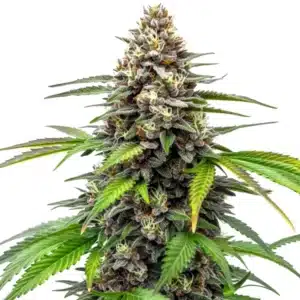
Yes, some cannabis strains are known to absorb less cadmium. Strains like Gelato, Zombie Death Fuck, and GG4 from Blimburn Seeds are bred for resilience, making them better options for those concerned about heavy metal contamination.
These strains are not only less prone to absorbing cadmium but also offer excellent growing characteristics and high-quality yields. Choosing the right strain is an effective step in preventing cadmium absorption in cannabis plants.
Research into cannabis genetics continues to unveil strains with unique properties, including those with reduced cadmium uptake. This advancement provides growers with more options to cultivate safer and more resilient cannabis plants.
By selecting strains specifically bred for minimal cadmium absorption, growers can not only ensure compliance with cadmium testing in cannabis industry standards but also enhance the overall quality and safety of their products.
What are the long-term health effects of cadmium exposure from cannabis?
Long-term health effects of cadmium exposure from cannabis can include kidney damage, respiratory issues, and an increased risk of cancer. Cadmium accumulates in the body over time, making it important to minimize exposure as much as possible.
By focusing on cadmium testing in cannabis industry standards and practicing safe cultivation methods, both growers and consumers can reduce the risks associated with cadmium. Staying informed and proactive in these areas is essential for health and safety.
Knowing the health risks of cadmium exposure from cannabis is essential for both consumers and industry professionals. Education and awareness campaigns can play a significant role in informing the public about the potential dangers and preventive measures.
Incorporating health risk assessments into the production and distribution processes can further safeguard consumers. By prioritizing health and safety, the cannabis industry can continue to grow responsibly and sustainably.
Continue exploring
For a deeper dive, we recommend reading Essential Guide: Proven Solutions to Microbial Contamination in Soil-Grown Cannabis together with Top Factors That Increase Microbial Risk in Cannabis Growing. Both expand on the points above and help you apply them in a real cannabis garden.