Best Soil for Autoflower Cannabis Indoors

Optimal Soil Characteristics: Autoflowering cannabis thrives in light, well-aerated soils with moderate nutrients and excellent drainage. Ideal mixes include high-quality potting soils, super soils, and coco coir blends. These mediums retain moisture without becoming waterlogged, ensuring healthy root development. The best soil for autoflowering plants indoors balances moisture retention with proper aeration, supporting robust growth and high yields.
Choosing the right soil mix for your indoor autoflower cannabis can significantly impact terpene profiles and flowering times. With a focus on well-aerated, nutrient-rich mediums, growers can enhance the aromatic compounds like myrcene and limonene, which contribute to flavor and effects. Additionally, optimizing soil conditions can reduce flowering times to as little as 8-10 weeks.
Recommended Strains
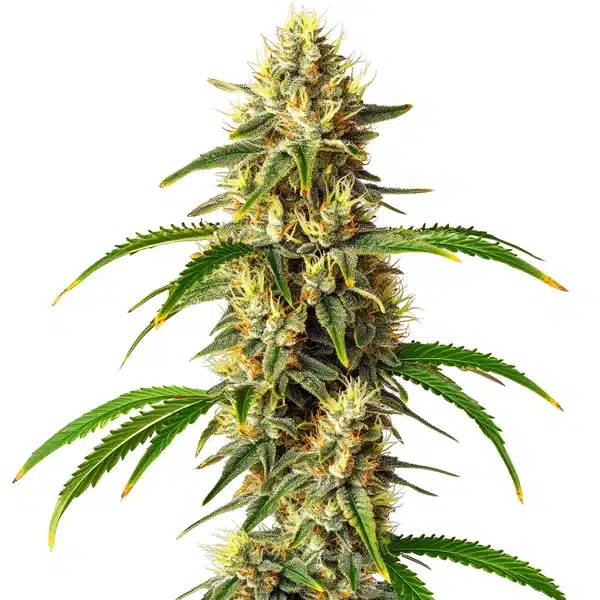
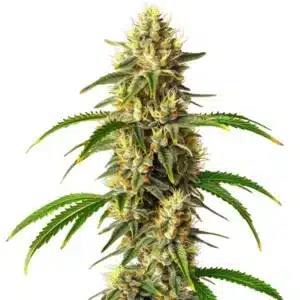
Critical Auto

|
THC | 10% - 14% (Low) |

|
Type | Autoflowering |

|
Yield | Medium |

|
Phenotype | 70% Indica / 30% Sativa |
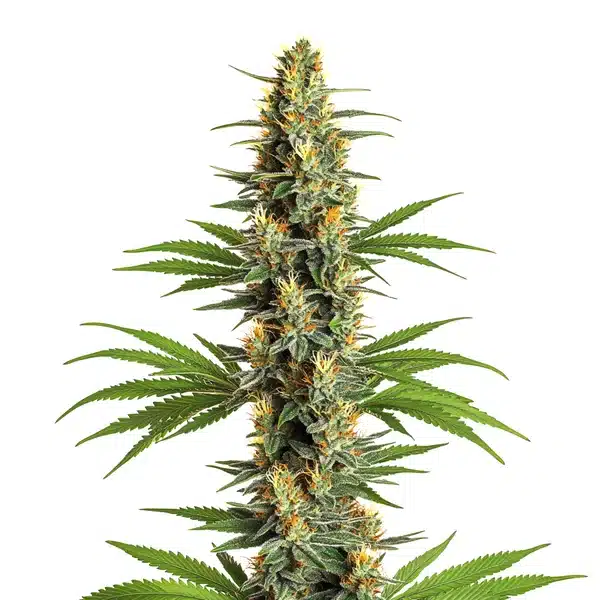
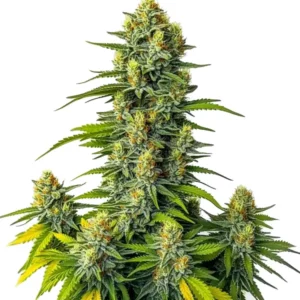
Critical 2.0
|
|
THC | 18% - 22% (Medium) |
|
|
Type | Feminized |
|
|
Yield | High |
|
|
Phenotype | 60% Indica / 40% Sativa |
Autoflower Soil Needs
Key Components for Indoor Growth
Autoflowering cannabis plants require a soil mix that balances aeration, nutrients, and moisture retention. High-quality potting soil serves as the base, providing essential nutrients needed for early growth stages. Perlite and vermiculite are crucial for maintaining soil structure, preventing compaction, and enhancing drainage, which is vital for root health and preventing root rot.
Coco coir is another essential component, improving water retention and soil texture. It allows roots to access moisture without becoming waterlogged, which is critical for autoflowers that have a short lifecycle. This balance ensures that nutrients are readily available, supporting vigorous growth and development.
Managing Soil pH for Autoflowers
Maintaining the correct pH level is crucial for nutrient uptake in autoflowering cannabis plants. The optimal pH range for soil is between 6.0 and 6.5. This range ensures that essential nutrients like nitrogen, phosphorus, and potassium are available for absorption. Deviations from this range can lead to nutrient lockout, affecting plant health and yield.
Use a reliable pH meter to monitor soil pH regularly. Adjustments can be made using pH up or down solutions. It’s important to avoid common mistakes such as overcorrecting pH levels, which can cause additional stress to the plants, impacting growth and resin production.
Promos & Deals

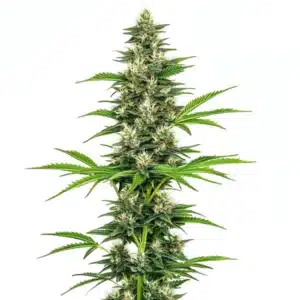
Best Soil Mixes for Autoflowering Cannabis
Recommended Soil Recipes
Creating the best soil mix for autoflowers involves combining different components to achieve the right balance. A popular recipe includes 60% high-quality potting soil, 20% perlite, and 20% coco coir. This mix provides excellent drainage while retaining enough moisture for healthy root development. Adding organic matter like worm castings can further enhance nutrient content.
For those interested in super soils, a mix of 50% potting soil, 30% compost, 10% perlite, and 10% coco coir is recommended. This combination provides a rich nutrient base, reducing the need for additional fertilizers during the early growth stages. Ensure the soil is well-aerated to support rapid root growth.
Soil Preparation and Maintenance Tips
Proper soil preparation is essential for successful autoflower cultivation. Pre-soak the soil mix to create a hospitable environment for seed germination. Regularly check soil moisture levels, allowing the top inch to dry out between waterings to prevent overwatering. Mulching can help retain moisture and regulate soil temperature.
To maintain soil health, periodically aerate the soil using a garden fork. This prevents compaction and improves oxygen availability to the roots. Avoid over-fertilization, which can lead to nutrient burn and stress the plants. Instead, follow a balanced nutrient schedule tailored to the plant’s growth stage.
Advanced Soil Techniques for Autoflowers
Incorporating advanced techniques such as mycorrhizal fungi can significantly enhance the soil’s ability to support autoflowers. These beneficial fungi establish a symbiotic relationship with plant roots, improving nutrient uptake and water absorption. Mycorrhizal fungi can be introduced through inoculants mixed into the soil or applied during watering.
Another technique is the use of biochar, a form of charcoal that improves soil structure and increases nutrient retention. Biochar’s porous nature provides habitats for beneficial microbes, enhancing soil fertility and plant resilience. When combined with compost, biochar can create a thriving soil ecosystem that supports robust autoflower growth.
| Feature / Merkmal | Watermelon F1 | Green Crack | 9 Pound Hammer |
|---|---|---|---|
| THC Content | 22-26% | 18-22% | 20-24% |
| Dominant Terpene | Myrcene | Limonene | Caryophyllene |
| Aroma | Fruity, Sweet | Citrus, Earthy | Spicy, Earthy |
| Effect | Relaxing, Euphoric | Energetic, Uplifting | Sedative, Calming |
| Growth Time | 8-10 weeks | 9-11 weeks | 7-9 weeks |
Professional Tips for Indoor Autoflower Cultivation
- Maintain 6.0-6.5 pH in soil. This range ensures optimal nutrient uptake. Avoid pH levels below 5.8, which can cause nutrient lockout.
- Use 60% potting soil, 20% perlite, and 20% coco coir for best results. This mix balances aeration and moisture retention.
- Monitor humidity at 50-70% during vegetative stage. High humidity supports vigorous growth but avoid exceeding 70% to prevent mold.
- Apply low-stress training (LST) to maximize light exposure. This technique increases yields without stressing the plants.
- Ensure 18-20 hours of light per day. Autoflowers thrive with extended light periods, promoting faster growth.
- Check soil moisture regularly. Allow the top inch to dry out between waterings to prevent root rot.

FAQs About Best Soil for Autoflowers
What’s the best soil to grow autoflowers in?
The best soil for autoflowers is a mix of high-quality potting soil, perlite, and coco coir. This combination provides excellent drainage and moisture retention, supporting healthy root development. Aim for a pH of 6.0 to 6.5 to ensure optimal nutrient uptake and avoid nutrient lockout.
Can you grow autoflowers in living soil?
Yes, autoflowers can thrive in living soil, which is rich in organic matter and beneficial microorganisms. This environment supports natural nutrient cycling, reducing the need for synthetic fertilizers. Ensure the living soil remains well-aerated and monitor moisture levels to prevent compaction and overwatering.
Do autoflowers like acidic soil?
Autoflowers prefer slightly acidic soil with a pH between 6.0 and 6.5. This range facilitates nutrient absorption, enhancing growth and yield. Soil with a pH below 5.8 can cause nutrient deficiencies, while a pH above 7.0 may lead to nutrient lockout, affecting plant health.
How do you plant autoflower seeds directly in soil indoors?
To plant autoflower seeds directly in soil indoors, prepare a well-aerated mix of potting soil, perlite, and coco coir. Ensure the soil is pre-soaked and maintain a pH of 6.0-6.5. Plant seeds 0.5 inches deep, keeping the environment warm and humid for optimal germination.
What are the benefits of using coco coir in autoflower soil?
Coco coir improves soil aeration and water retention, essential for healthy root development in autoflowers. It prevents compaction and provides a stable environment for roots, enhancing nutrient uptake. Coco coir’s neutral pH also complements other soil components, maintaining ideal conditions for growth.