Microbial Growth Models and Aw in Cannabis Products

Microbial growth models and water activity (aw): These are essential for maintaining cannabis product safety and quality. By using microbial growth models and aw in cannabis products, you can predict and control microbial contamination effectively. Keeping water activity below 0.6 reduces microbial growth risks, ensuring compliance with industry standards. This approach is vital for maintaining the integrity and safety of cannabis products.
In the realm of cannabis cultivation, the function of terpenes and their impact on aroma and flavor is often overlooked. Terpenes like Myrcene and Limonene not only enhance sensory experiences but also influence the physiological effects of cannabis. Knowing the flowering time, typically 8-10 weeks, is crucial for optimizing terpene profiles and ensuring a high-quality yield.
Recommended Strains
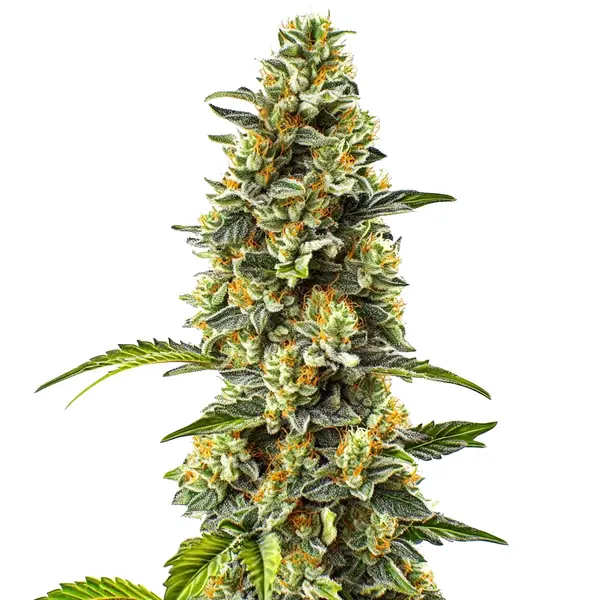
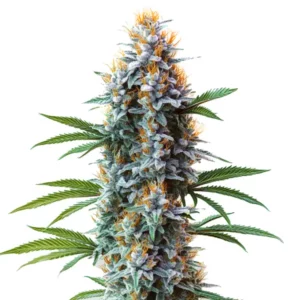
Strawberry Cough

|
THC | 19% - 23% (Medium) |

|
Type | Feminized |

|
Yield | Medium |

|
Phenotype | 30% Indica / 70% Sativa |

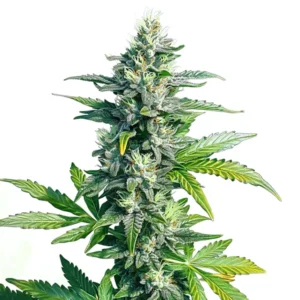
Blue Dream Autoflower
|
|
THC | 10% - 13% (Low) |
|
|
Type | Autoflowering |
|
|
Yield | Medium |
|
|
Phenotype | 30% Indica / 70% Sativa |
Microbial Growth Models in Cannabis
Basics of Microbial Growth in Cannabis
Microbial growth in cannabis is influenced by various factors, including temperature, humidity, and nutrient availability. These microorganisms can thrive in environments where conditions are not properly controlled, leading to contamination. Experienced growers report that maintaining optimal conditions, such as a temperature range of 68°F to 77°F (20°C to 25°C), can significantly reduce microbial proliferation.
Microbial growth models help predict how microorganisms will behave under specific conditions. These models consider factors like nutrient availability and environmental conditions to forecast microbial growth. Many cultivators share that using these models can prevent contamination, ensuring the safety and quality of cannabis products.
Applying Microbial Growth Models in Cannabis Production
Incorporating microbial growth models and aw in cannabis products into cannabis production involves monitoring environmental parameters closely. For instance, maintaining a relative humidity of 58-62% during the curing process is crucial. This range prevents mold growth, which can occur if humidity exceeds 65%. Using calibrated digital hygrometers ensures accuracy in monitoring these conditions.
Master growers have pointed out that these models are not only predictive but also prescriptive, guiding adjustments in cultivation practices. By aligning practices with model predictions, growers can optimize conditions, enhancing both yield and quality.
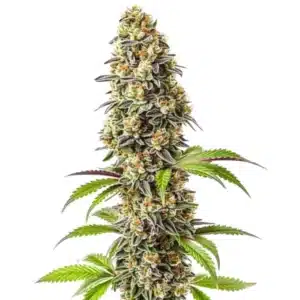
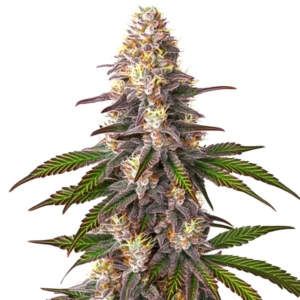
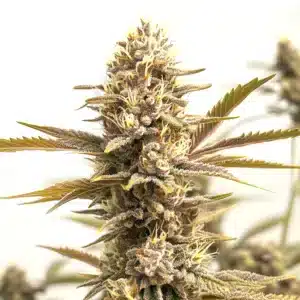
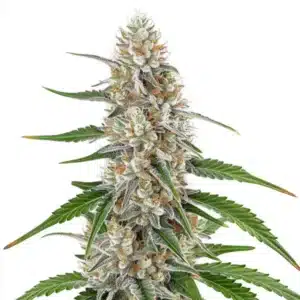
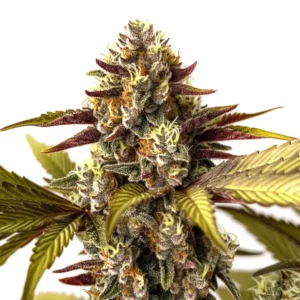
| Feature | GG4 | Blue Dream Auto | Strawberry Cough |
|---|---|---|---|
| THC % | 27% | 10-13% | 19-23% |
| Dominant Terpene | Humulene | Myrcene | LiMyrcenemonene |
| Yield Indoor | 1.64 – 1.97 oz/ft² | 500 – 600 g/m² | 1.31 oz/ft² | 400 g/m² | 1.31 oz/ft² | 400 g/m² |
| Flowering Time | 8-10 weeks | 7-9 weeks | 8-10 weeks |
| Effect | Happy, Relaxed, Talkative | Focused, Happy, Relaxed | Calming, Happy, Relaxed |
Promos & Deals

Water Activity (Aw) in Cannabis
Importance of Water Activity 0.6
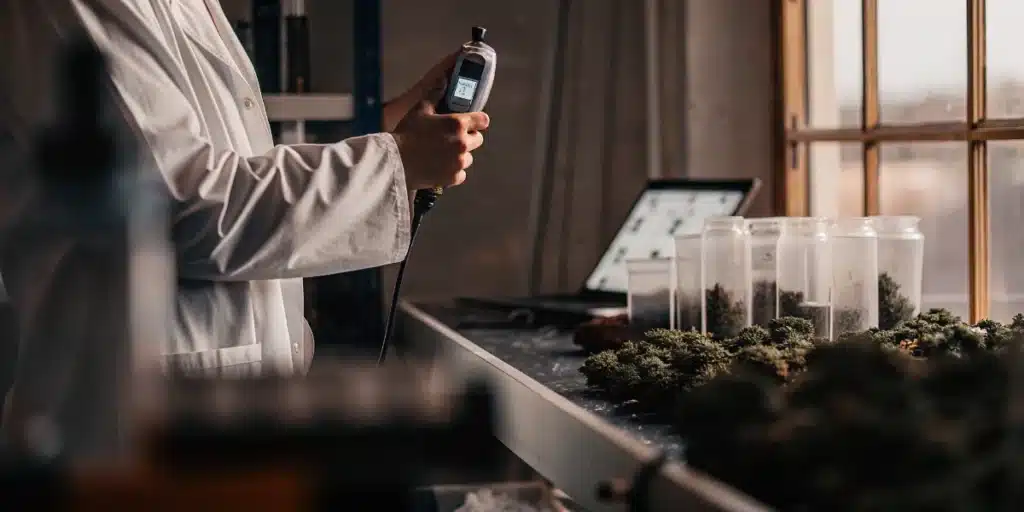
Water activity (aw) measures the availability of water for microbial growth. In cannabis, maintaining an aw below 0.6 is critical to inhibit microbial activity. This threshold prevents the growth of molds and bacteria, ensuring product safety. Many cultivators share that controlling aw is as crucial as controlling temperature and humidity.
Experienced growers report that aw directly impacts the shelf life and quality of cannabis. By keeping aw levels low, you ensure that the cannabis remains potent and free from microbial contamination for extended periods.
Practical Applications of Aw in Cannabis Storage
Maintaining the correct aw level during storage is essential. Storing cannabis at an aw of 0.55-0.60 ensures that the product remains fresh and free from microbial growth. This range is optimal for preserving both the potency and aromatic profile of the cannabis.
Master growers have pointed out that improper storage conditions can lead to rapid degradation of cannabinoids and terpenes. Always use airtight containers and monitor aw levels regularly to maintain product integrity.
Preventing Microbial Contamination in Cannabis
Humidity’s Impact on Microbial Growth
Humidity plays a significant role in microbial growth. High humidity levels, above 65%, can promote the growth of molds and bacteria within 48 hours. Experienced growers recommend maintaining humidity levels between 58-62% to prevent microbial contamination while preserving the quality of the cannabis.
Many cultivators share that using dehumidifiers and proper ventilation can help control humidity levels effectively. This practice not only prevents microbial growth but also enhances the overall quality and safety of the cannabis.
Professional Tips for Cannabis Cultivation
- Maintain 58-62% RH during curing to prevent mold and preserve terpenes. Avoid analog hygrometers; use digital ones for accuracy.
- Store cannabis at 59-70°F (15-21°C) to ensure long-term potency and prevent degradation.
- Monitor aw levels to stay below 0.6, preventing microbial growth and extending shelf life.
- Use airtight containers to maintain optimal aw and prevent exposure to humidity.
- Implement proper ventilation to control humidity and reduce microbial risks.
- Regularly calibrate equipment to ensure precise environmental control.

FAQs about microbial growth models and aw in cannabis products
What tea enhances your high?
Teas high in catechins, like green tea, can enhance the effects of cannabis. Catechins bind to the same receptors as THC, potentially increasing its effects. Consuming 1-2 cups of green tea with your cannabis can enhance relaxation and euphoria without altering the flavor profile of your strain.
What did Jesus use cannabis for?
Historical texts suggest cannabis may have been used for anointing oils in ancient religious practices. While specific uses by Jesus are not documented, cannabis was likely utilized for its aromatic and therapeutic properties in spiritual ceremonies, contributing to a sense of peace and healing.
Why is water activity 0.6 important?
Maintaining a water activity level below 0.6 is crucial to prevent microbial growth in cannabis products. This threshold inhibits mold and bacterial proliferation, ensuring product safety and extending shelf life. Growers use this metric to safeguard the quality and integrity of their cannabis.
Does humidity affect microbial growth?
Yes, humidity significantly impacts microbial growth. Levels above 65% can foster mold and bacteria within 48 hours. Keeping humidity between 58-62% helps prevent contamination, ensuring cannabis remains safe and potent. Proper humidity control is vital for maintaining product quality.
How to store cannabis for optimal freshness?
Store cannabis in airtight containers at 59-70°F (15-21°C) with a relative humidity of 58-62%. This environment preserves cannabinoids and terpenes, maintaining potency and flavor. Avoid exposure to light and air to prevent degradation and ensure long-lasting freshness.