Proven Ways Using UV-C to Prevent Cannabis Microbial Growth

As a cannabis grower, you’ve probably faced the challenge of microbial growth affecting your crops. Microbes like mold and bacteria can wreak havoc on cannabis plants. Fortunately, using UV-C to prevent cannabis microbial growth has become an effective strategy for cultivators looking to maintain a cleaner growing environment. This technology can be a powerful tool for protecting your plants and helping keep your cannabis crop healthy.
UV-C light is a type of ultraviolet light with the capability to kill or inactivate microorganisms by disrupting their DNA. This makes it an ideal tool for preventing mold and other microbial growth on cannabis plants. Whether you’re cultivating at home or managing a larger operation, UV-C can be integrated into your growing process with ease.
Recommended Strains
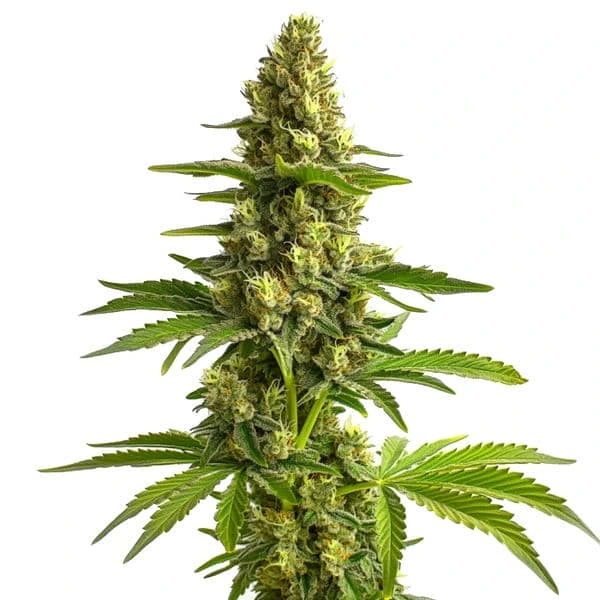
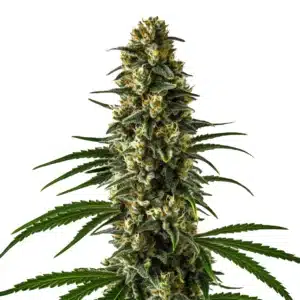
Bruce Banner #3

|
THC | 20% - 29% (High) |

|
Type | Feminized |

|
Yield | High |

|
Phenotype | 50% Indica / 50% Sativa |

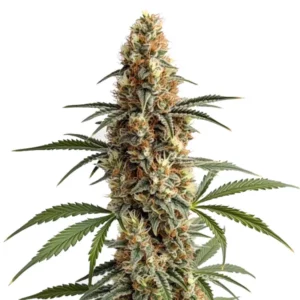
GG4
|
|
THC | 27% (High) |
|
|
Type | Feminized |
|
|
Yield | High |
|
|
Phenotype | 40% Indica / 60% Sativa |
By using UV-C to prevent cannabis microbial growth, you create a cleaner environment for your plants. This method not only helps in reducing the risk of harmful microbes but also ensures your end product is of the highest quality. Let’s dive deep into how you can effectively use UV-C technology in your cannabis cultivation efforts.
How UV-C Light Works in Cannabis Cultivation
UV-C light operates at a specific wavelength that is known to kill microorganisms. When used in cannabis cultivation, it targets the DNA of bacteria, viruses, and fungi, effectively preventing them from reproducing. This stops the spread of these unwanted guests on your plants.
Implementing UV-C technology for cannabis cultivation can take various forms. Some growers use UV-C lamps in their grow rooms, while others prefer handheld UV-C devices for spot treatment. Both methods are effective, but the choice depends on your specific growing environment and needs.
UV-C light cannabis microbial prevention is gaining traction among growers for its efficacy and reliability. This approach not only enhances plant health but also simplifies the cultivation process by reducing dependency on chemical treatments. Moreover, UV-C disinfection in cannabis growing helps maintain a consistent quality across your crops.
Knowing the science behind UV-C can empower growers to make informed decisions. By leveraging the precise wavelengths of UV-C, you can optimize your grow room’s environment, effectively preventing mold in cannabis with UV-C and other microbial threats that could compromise your harvest.
Integrating UV-C Light into Your Grow Room
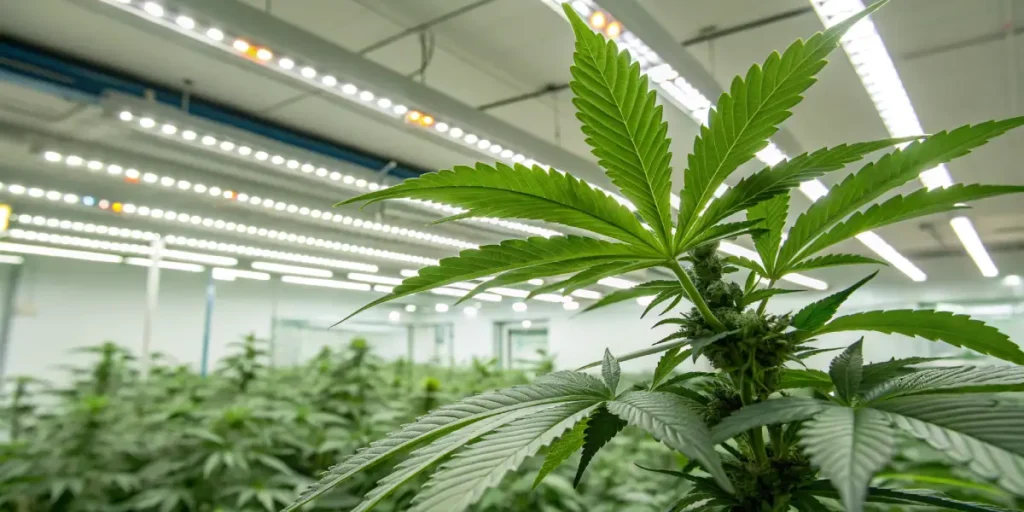
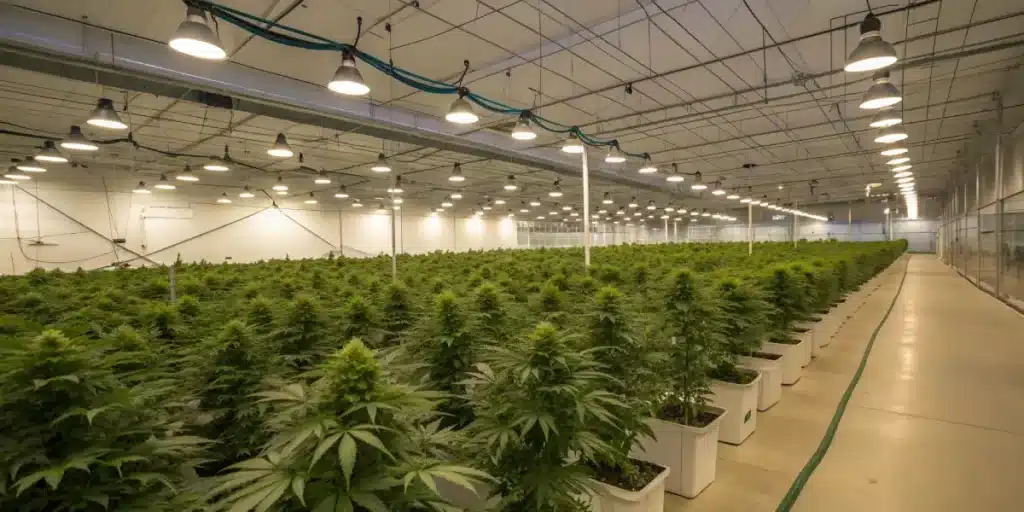
Setting up UV-C lamps in your grow room can be a seamless process. It’s important to choose lamps that emit the right wavelength for microbial prevention. Position the lamps in a way that covers the entire grow area, ensuring all plants receive adequate exposure.
It’s crucial to consider the timing and duration of UV-C exposure. Too much UV-C can harm your plants, so it’s vital to follow manufacturer guidelines on exposure times. Most growers find that short, regular intervals are sufficient to keep microbial growth in check without damaging the plants.
One of the key aspects of UV-C sanitation for marijuana plants is knowing the layout of your grow room. Reflective surfaces, shadows, and plant density can affect the distribution of UV-C light. Adjustments may be necessary to ensure even exposure across all areas.
Incorporating UV-C technology into your grow room setup also involves safety considerations. Proper protective gear and adherence to safety protocols ensure that the benefits of UV-C are maximized without posing risks to growers or plants. This layered approach is essential for effective UV-C utilization.
Promos & Deals


Benefits of Using UV-C for Cannabis Microbial Growth Prevention
The benefits of using UV-C sanitation for marijuana plants are numerous. Firstly, it provides a chemical-free solution to microbial issues. This is particularly beneficial for organic growers who wish to avoid pesticides and other chemical treatments.
Moreover, UV-C disinfection in cannabis growing helps in maintaining the integrity of your strains. For instance, if you’re cultivating Blimburn Seeds’ Bruce Banner 3, GG4, or Girl Scout Cookies, using UV-C will ensure these strains develop without microbial interference, keeping their unique characteristics intact.
By using UV-C light cannabis microbial prevention, growers can achieve cleaner and more robust crops. This method aligns with sustainable agricultural practices and promotes a healthier growing environment. The reduction in chemical usage also means fewer residues on the final product.
Furthermore, the adoption of UV-C technology for cannabis cultivation can improve market competitiveness. Consumers increasingly favor products that are free from chemical residues, and UV-C treated cannabis can meet this demand, enhancing brand reputation and consumer trust.
Cost-Effectiveness of UV-C Technology
While there is an initial cost to set up UV-C technology, many growers find it cost-effective in the long run. The reduction in pesticide use and loss of crops due to mold justifies the investment. Plus, UV-C equipment tends to have a long lifespan, providing value year after year.
Operational savings also come from the reduced need for labor-intensive cleaning processes. With UV-C light cannabis microbial prevention, you spend less time worrying about contamination and more time focusing on nurturing your plants.
Investing in UV-C technology for cannabis cultivation can also lead to enhanced operational efficiency. With fewer microbial issues to manage, resources can be allocated more effectively, allowing growers to focus on optimizing other aspects of cultivation like nutrient management and plant training.
The durability and reliability of UV-C equipment further add to its cost-effectiveness. A well-maintained UV-C system can serve a grow operation for many years, delivering consistent results and reinforcing the long-term viability of your cultivation practices.
Practical Tips for Using UV-C in Cannabis Growing
When using UV-C to prevent cannabis microbial growth, it’s essential to follow some practical tips to maximize effectiveness. First, ensure that your grow room is free from reflective surfaces that could redirect UV-C rays and cause unwanted exposure.
Additionally, schedule regular maintenance checks for your UV-C equipment. Dust and other residues can reduce the effectiveness of the lamps, so keeping them clean is crucial. Many growers recommend integrating UV-C usage into their regular maintenance routines.
For growers new to using UV-C, starting with a small-scale trial can be beneficial. This allows you to monitor the effects of UV-C on a subset of plants and make necessary adjustments before scaling up your efforts. Observing plant responses closely can help refine your approach.
It’s also advisable to document your UV-C usage, including exposure times and plant responses. This data can be invaluable for optimizing future applications and ensuring consistent results. Sharing insights with the growing community can further enhance collective knowledge on UV-C sanitation for marijuana plants.
Combining UV-C with Other Preventive Measures
While UV-C is powerful, it works best when combined with other preventive measures. For example, controlling humidity levels is vital. High humidity can foster mold growth, so pairing UV-C with dehumidifiers is often effective.
Ventilation is another critical factor. Proper airflow ensures that any mold spores are less likely to settle on your plants. Some growers also use fans strategically to enhance the distribution of UV-C light throughout the grow area.
Incorporating environmental controls such as temperature regulation can further bolster efforts in preventing mold in cannabis with UV-C. A stable climate reduces stress on plants and complements the microbial prevention capabilities of UV-C.
Additionally, regular monitoring of environmental conditions helps in the swift identification of potential microbial threats. By combining UV-C technology with environmental vigilance, growers can create a more resilient cultivation ecosystem that supports healthy plant development.
FAQs About Using UV-C to Prevent Cannabis Microbial Growth
Is UV-C light safe for cannabis plants?
Yes, UV-C light is safe for cannabis plants when used correctly. It’s crucial to follow the recommended exposure times to avoid potential damage. When applied in controlled bursts, UV-C effectively targets harmful microbes without harming the plant itself.
Growers using UV-C technology for cannabis cultivation often pair it with other methods to ensure plant safety. For instance, using UV-C in conjunction with proper ventilation helps in distributing the light evenly and reducing any potential stress on the plants.
Knowing the specific needs of different cannabis strains can also enhance the safe application of UV-C. Some strains may require adjustments in exposure times, and tailoring your approach can maximize the benefits of UV-C light cannabis microbial prevention.
Safety protocols, such as protective eyewear and avoiding direct skin exposure, are essential when handling UV-C equipment. Adhering to these guidelines ensures that the advantages of UV-C sanitation for marijuana plants are realized without compromising safety.
How often should I use UV-C light in my grow room?
The frequency of UV-C light use depends on your specific growing environment. Generally, growers find that short, regular intervals work best. This could be daily or a few times a week, depending on the level of microbial threat and environmental conditions.
It’s always important to monitor your plants for any signs of stress and adjust the UV-C light exposure accordingly. Growers who have successfully integrated UV-C technology often keep detailed logs to track the effectiveness and make necessary adjustments.
Adjusting the frequency of UV-C use in response to seasonal changes or fluctuations in environmental conditions can also optimize its effectiveness. Being responsive to these changes ensures that your UV-C regimen remains relevant and effective throughout the growing cycle.
Collaboration with other growers or agricultural experts can also provide insights into optimal UV-C usage patterns. Sharing experiences and strategies can contribute to a deeper knowing of how to best utilize UV-C technology for cannabis cultivation.
Can UV-C replace chemical treatments in cannabis growing?
UV-C can significantly reduce the need for chemical treatments. Many growers prefer this method as it aligns with organic growing practices. However, UV-C is most effective as part of an integrated pest management strategy that may still include minimal chemical use when necessary.
For those cultivating strains like Bruce Banner, Gorilla Glue #4, or Girl Scout Cookies from Blimburn Seeds, using UV-C reduces reliance on chemicals, preserving the natural qualities of these popular strains.
Implementing UV-C disinfection in cannabis growing can lead to a cleaner and more sustainable cultivation process. By minimizing chemical inputs, growers can produce cannabis that meets increasingly stringent consumer and regulatory expectations for quality and safety.
The transition to UV-C as a primary microbial control method may require adaptation, but the long-term benefits, including enhanced plant health and environmental sustainability, make it a viable and attractive option for modern cannabis cultivation.
What are the potential downsides of using UV-C light?
One potential downside is the initial cost of UV-C equipment. However, the long-term benefits often outweigh this initial investment. Another consideration is the need for proper safety measures, as UV-C light can be harmful to human skin and eyes.
It’s important to ensure that UV-C lamps are installed correctly and that you follow manufacturer guidelines for safe operation. Implementing these precautions allows you to take full advantage of UV-C sanitation for marijuana plants without compromising safety.
Another potential challenge is the learning curve associated with integrating UV-C technology into existing cultivation practices. Growers may need to invest time in knowing optimal usage patterns and safety protocols, but the results can be highly rewarding.
Despite these challenges, many growers find that the advantages of using UV-C to prevent cannabis microbial growth far outweigh the disadvantages. With proper planning and execution, the risks can be effectively managed, leading to a healthier and more productive grow operation.
Are there specific strains that benefit most from UV-C light?
All cannabis strains can benefit from UV-C light, but some may show more noticeable improvements, especially those prone to mold. Strains like Bruce Banner, GG4, and Girl Scout Cookies from Blimburn Seeds are popular choices among growers using UV-C for their resilience and quality yield.
These strains, when protected from microbial growth using UV-C, tend to produce a more robust and flavorful product. The prevention of mold ensures that the unique terpene profiles and potency of these strains remain uncompromised.
Besides to enhancing yield and quality, UV-C light cannabis microbial prevention supports the genetic integrity of each strain. By minimizing microbial interference, growers can ensure that the distinctive traits of each strain, such as aroma and potency, are fully expressed.
As growers continue to explore the benefits of UV-C technology for cannabis cultivation, it becomes clear that this method is a valuable tool for preserving the unique characteristics of both common and rare cannabis strains, ultimately enhancing the consumer experience.