Essential Best Practices to Prevent Microbial Contamination in Cannabis Grows

Cultivating cannabis can be a rewarding endeavor, but it comes with its challenges. One major challenge is preventing microbial contamination. This process involves several best practices to prevent microbial contamination in cannabis grows that every grower should follow.
Microbial contamination can wreak havoc on your cannabis crop, affecting both quality and yield. To tackle this, one must employ effective sanitation techniques for cannabis growing facilities. Whether you are dealing with indoor or outdoor grows, maintaining a clean environment is crucial.
Recommended Strains
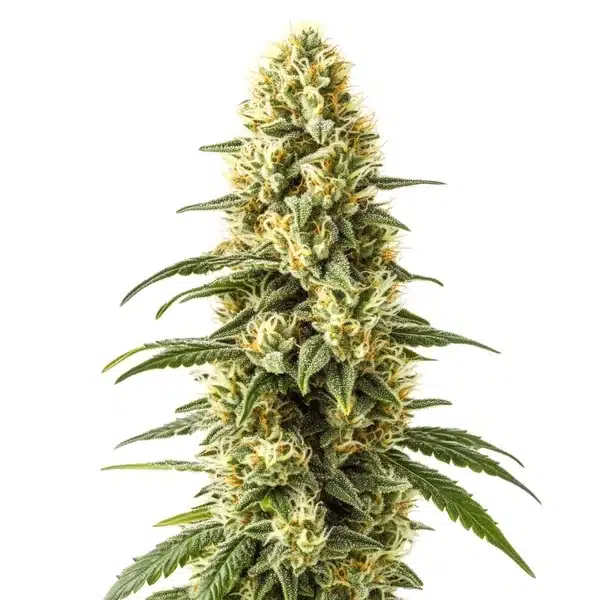
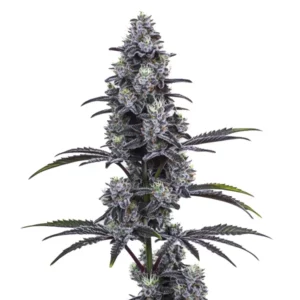
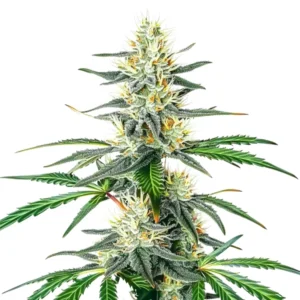
3 Kings

|
THC | 14% - 19% (Medium) |

|
Type | Feminized |

|
Yield | High |

|
Phenotype | 30% Indica / 70% Sativa |
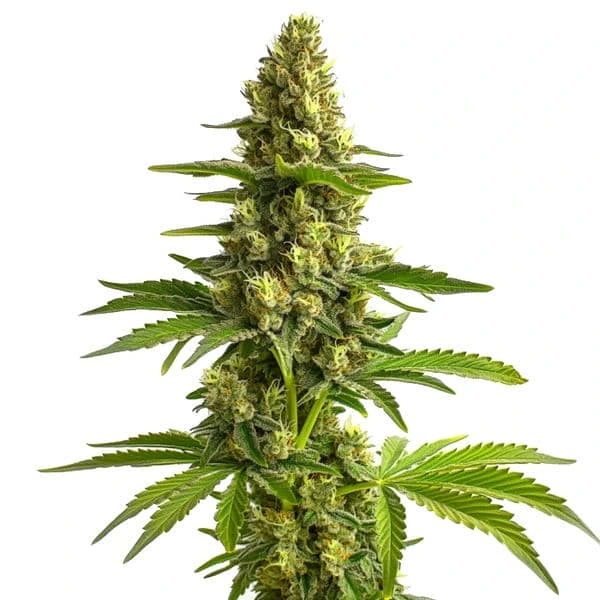
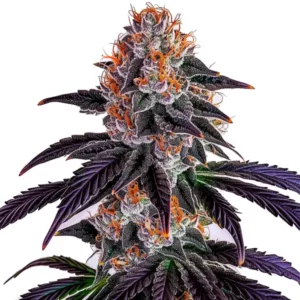
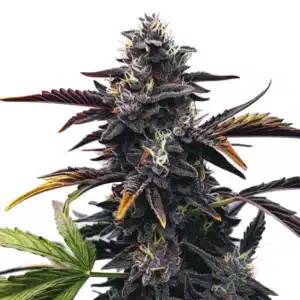
Bruce Banner #3
|
|
THC | 20% - 29% (High) |
|
|
Type | Feminized |
|
|
Yield | High |
|
|
Phenotype | 50% Indica / 50% Sativa |
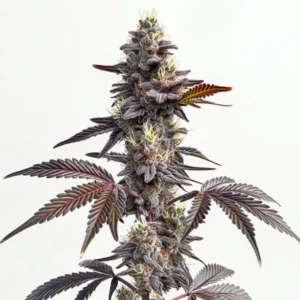
For example, let’s talk about the 3 Kings strain from Blimburn Seeds. This popular strain thrives under careful growing conditions that limit microbial threats. By implementing specific strategies, you can enjoy a healthy harvest of this and other strains.
Knowing the Risks of Microbial Contamination
Microbes are tiny organisms, like bacteria and fungi, that can cause disease. In cannabis grows, they can lead to mold, mildew, and other issues. These problems not only affect the plant’s health but also its potency and safety for consumption.
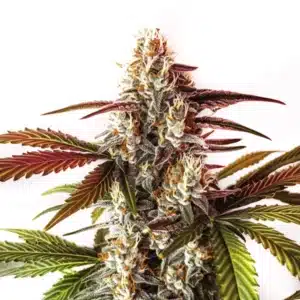
Preventing microbial contamination in indoor cannabis farms involves controlling the environment. Temperature, humidity, and cleanliness are key factors. For instance, strains like the Bruce Banner 3 from Blimburn Seeds benefit from controlled conditions that minimize microbial growth.
Knowing how to avoid bacterial contamination in cannabis grows is crucial for any successful cultivation. Bacterial infections can be as damaging as fungal ones, often leading to plant wilt and death. To combat these threats, growers need to be vigilant about their water sources and ensure that any water used in irrigation is properly treated and filtered.
Moreover, educating staff and workers about the risks associated with microbial contamination and the best practices to prevent microbial contamination in cannabis grows is essential. Regular training sessions can help reinforce the importance of maintaining high standards of hygiene and environmental control, ultimately safeguarding the crop’s health and quality.
Maintaining Optimal Environmental Conditions
One of the best practices to prevent mold in cannabis cultivation is maintaining optimal environmental conditions. This means monitoring the temperature and humidity closely. Cannabis plants generally prefer a temperature range of 70-85°F with humidity levels between 40-60%.
For instance, a high humidity environment can encourage mold growth, especially during the flowering stage. Using dehumidifiers and proper ventilation can help keep these levels in check. Remember, it’s all about balance.
Ensuring consistent air circulation is another critical factor in controlling microbial growth in cannabis production environments. Stagnant air can lead to hot spots and increased humidity, creating perfect conditions for mold and bacteria to thrive. Oscillating fans and exhaust systems can help maintain a steady flow of fresh air, reducing the risk of contamination.
Additionally, growers should consider implementing a robust monitoring system to track environmental conditions in real time. Advanced sensors and data loggers can provide valuable insights into temperature and humidity trends, allowing for quick adjustments to prevent potential microbial threats. This proactive approach is one of the best practices to prevent microbial contamination in cannabis grows.
Effective Sanitation Techniques
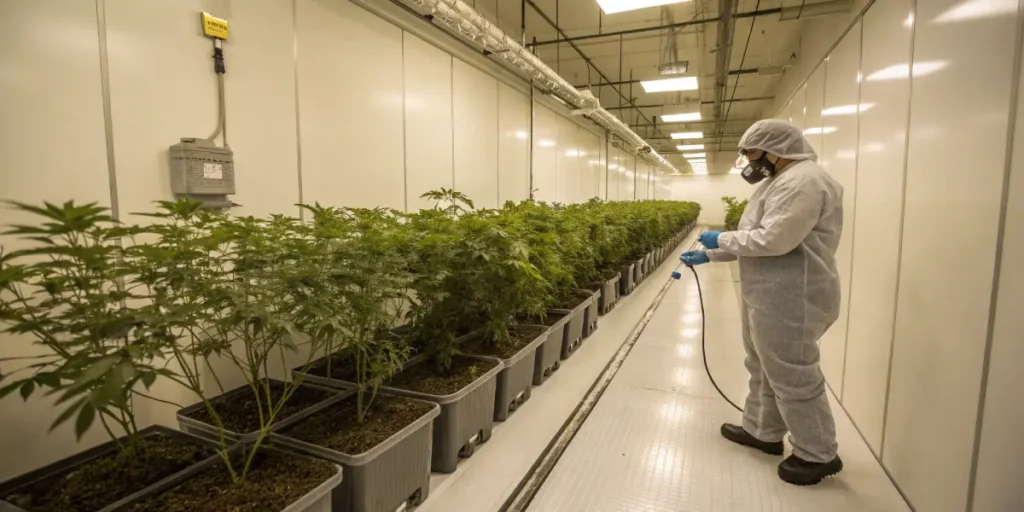
Effective sanitation techniques for cannabis growing facilities are essential. Regular cleaning of all equipment and surfaces can help prevent microbial contamination. Use disinfectants that are safe for plants but effective against microbes.
For example, clean your cutting tools with alcohol before trimming plants. This simple step can prevent the transfer of harmful bacteria from one plant to another. Similarly, sanitizing grow tents and containers can also make a big difference.
Besides to regular cleaning, it’s crucial to establish a detailed sanitation protocol that all team members can follow. This protocol should outline specific cleaning agents, methods, and schedules tailored to the unique needs of your facility. Consistency is key, and having a clear plan ensures no aspect of the growing environment is overlooked.
It’s also important to consider the materials used in your growing facility. Non-porous surfaces and tools are easier to sanitize and less likely to harbor bacteria and fungi. Choosing the right materials can make a significant difference in how effectively you can implement sanitation measures, further reducing the risk of contamination.
Promos & Deals
Implementing Preventive Measures
Preventing microbial contamination in cannabis grows requires proactive measures. One strategy involves using air filtration systems. These systems can help remove airborne spores and bacteria, protecting your plants from potential threats.
Additionally, controlling microbial growth in cannabis production environments also involves choosing the right growing mediums. Some mediums offer better drainage and airflow, reducing the likelihood of microbial build-up. Consider using coco coir or perlite for better moisture control.
Another preventive measure is the strategic use of protective barriers such as insect screens and filter systems on intake vents. These barriers help to block pests and potential carriers of microbial threats from entering the grow area, adding an extra layer of protection to your cannabis cultivation efforts.
Furthermore, implementing crop rotation and diversification strategies can also help in managing microbial risks. By rotating different strains and plants, such as those offered by Blimburn Seeds, growers can naturally disrupt the life cycles of pathogens specific to certain strains, thereby reducing the risk of contamination.
Regular Monitoring and Testing
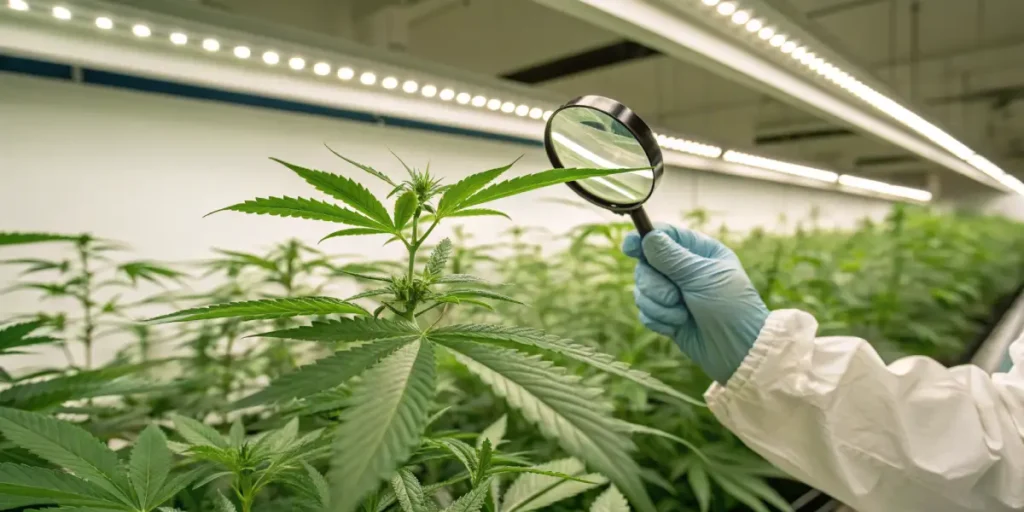
Regular monitoring is a key component of preventing microbial contamination. This includes inspecting plants for signs of mold or mildew. Early detection can prevent widespread problems. Use magnifying glasses or microscopes for thorough inspections.
Testing the soil and water for microbial presence is another effective strategy. These tests can reveal hidden issues that might otherwise go unnoticed. By catching these problems early, you can take action before they affect your entire crop.
Periodic laboratory testing of plant tissue samples can provide detailed insights into the microbial landscape of your grow. Such tests can identify specific pathogens present in your plants, allowing growers to implement targeted interventions. This scientific approach is one of the best practices to prevent microbial contamination in cannabis grows.
Incorporating automated monitoring systems can also enhance your ability to detect and respond to microbial threats. These systems can alert growers to sudden changes in environmental conditions, such as spikes in humidity or temperature, which could indicate an increased risk of microbial growth. This real-time feedback is invaluable in maintaining optimal growing conditions.
FAQs about best practices to prevent microbial contamination in cannabis grows
What are the signs of microbial contamination in cannabis plants?
Signs of microbial contamination can vary. Common indicators include discolored leaves, unusual spots, and a musty odor. If you notice these symptoms, it’s crucial to act quickly. Removing affected areas and adjusting environmental conditions can help manage the issue.
Besides to visible signs, plants may exhibit stunted growth or reduced yield. This can result from microbial interference with the plant’s nutrient uptake. Regular inspections and quick responses are essential in preventing widespread damage.
Knowing how to avoid bacterial contamination in cannabis grows is also important. Bacterial infections may cause wilting or soft, mushy stems, which can be overlooked if not carefully inspected. Consistent monitoring and knowledge of these symptoms can lead to early intervention and prevent further spread.
Another symptom to be aware of is the presence of unfamiliar pests or insects, which could indicate a breakdown in environmental control and a subsequent rise in microbial threats. Keeping a close eye on the ecosystem within your grow can help identify these problems before they escalate.
How can I prevent mold during the curing process?
Preventing mold during curing involves controlling humidity and airflow. Store harvested buds in a dark, cool place with humidity levels around 50-60%. This environment discourages mold growth while allowing the buds to cure properly.
Using airtight containers can also help. These containers prevent moisture from entering and maintain a stable environment. Regularly check the buds for any signs of mold and adjust conditions as needed to ensure a successful curing process.
Integrating hygrometers in your storage area can provide precise humidity readings, allowing for timely adjustments. These tools can help ensure that the environment remains within the ideal range for curing, further safeguarding your harvest from mold threats.
The use of desiccant packs can also be beneficial in maintaining low humidity levels. These packs absorb excess moisture, providing an additional layer of protection against mold during the critical curing phase. Employing these techniques is part of the best practices to prevent mold in cannabis cultivation.
Why is ventilation important in cannabis grows?
Ventilation plays a pivotal role in preventing microbial contamination. Proper airflow reduces humidity levels, a key factor in mold growth. It also helps disperse heat and carbon dioxide, creating a balanced environment for the plants.
Installing fans and exhaust systems can enhance ventilation. This setup ensures that air circulates effectively, keeping conditions within the ideal range for cannabis growth. Whether you’re growing indoors or in a greenhouse, good ventilation is crucial.
Inadequate ventilation can lead to pockets of stagnant air, which not only promotes microbial growth but also affects plant respiration and photosynthesis. Ensuring a steady exchange of air can help maintain healthy growth rates and prevent stress-related issues in plants.
Furthermore, ventilation systems should be regularly inspected and maintained to ensure optimal performance. Filters should be changed frequently, and ductwork cleaned to prevent dust buildup, which can harbor microbes and compromise air quality.
Can I use natural methods to control microbial growth?
Yes, natural methods can effectively control microbial growth. One approach is using essential oils like neem oil, which has antifungal properties. These oils can be applied as a spray to deter harmful microbes without damaging the plants.
Incorporating companion plants that naturally repel pests and pathogens is another strategy. Plants like basil and marigold can create a healthier growing environment by deterring unwanted microbial visitors.
Another natural method involves using beneficial insects that prey on microbial carriers, such as certain types of beetles or mites. Introducing these insects can help maintain a balanced ecosystem and reduce the risk of microbial contamination.
Additionally, compost teas enriched with beneficial bacteria and fungi can be applied to plants to outcompete harmful pathogens. These natural amendments can enhance soil health and create a robust microbial community that supports plant growth and resilience.
What should I do if my cannabis crop is contaminated?
If you suspect contamination, isolate affected plants immediately. This prevents the spread to healthy plants. Remove and dispose of any infected material carefully, and sanitize tools and surfaces to avoid further contamination.
Consider adjusting environmental factors like humidity and temperature to make conditions less favorable for microbes. If the problem persists, consult with a plant health expert for targeted solutions tailored to your specific situation.
It’s crucial to review and revise your current cultivation practices to identify any potential lapses that might have contributed to the contamination. Knowng these weak points can help you implement the best practices to prevent microbial contamination in cannabis grows, avoiding similar issues in the future.
In severe cases, conducting a thorough cleaning and fumigation of your growing environment may be necessary. This deep-clean approach eliminates residual spores and bacteria, setting the stage for a fresh start with future crops. Taking these decisive actions can safeguard your investment and ensure long-term success.