Aw and Glass Transition in Cannabis Edibles Stability

Water activity (Aw) and glass transition are key factors: These elements are crucial for maintaining the stability of cannabis edibles. Aw and glass transition in cannabis edibles stability directly affect product quality, as Aw influences microbial growth while glass transition impacts texture. When optimal conditions are met, the shelf life of edibles can increase by up to 50%, ensuring quality and safety. Managing these factors effectively is essential for preserving the integrity of cannabis-infused products.
In the world of cannabis edibles, terpenes and flavor profiles are pivotal in determining consumer satisfaction. With a flowering time ranging from 8 to 10 weeks, the cultivation process plays a significant role in the final product’s quality. Experienced growers report that focusing on these aspects can enhance the overall experience and stability of cannabis-infused edibles.
Recommended Strains
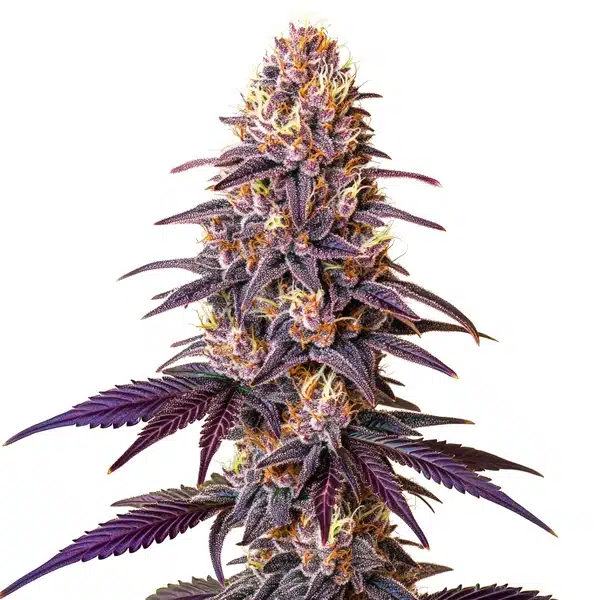
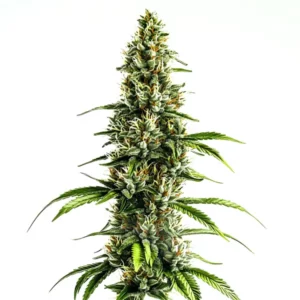
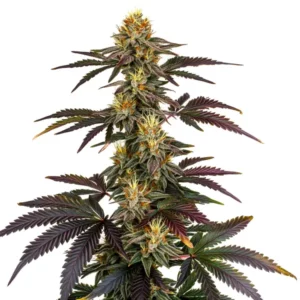
Lavender

|
THC | 20% (Medium) |

|
Type | Feminized |

|
Yield | Medium |

|
Phenotype | 60% Indica / 40% Sativa |

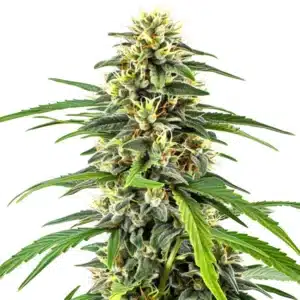
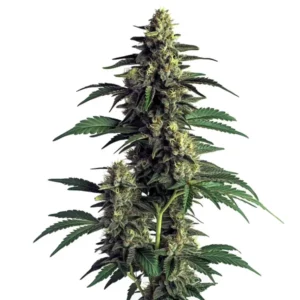
Northern Lights #5 x Amnesia Haze
|
|
THC | 16% - 24% (High) |
|
|
Type | Feminized |
|
|
Yield | Medium |
|
|
Phenotype | 40% Indica / 60% Sativa |
What is Aw and Why Does it Matter in Cannabis Edibles?
Defining Water Activity (Aw)
Water activity (Aw) measures the free moisture available in a product, impacting its stability and shelf life. In cannabis edibles, an Aw level of 0.60 to 0.70 is optimal to prevent microbial growth. This range ensures that the edibles remain safe for consumption over time, as lower levels can lead to dryness and higher levels can promote spoilage.
Experienced growers report that maintaining Aw within this range helps preserve the potency and flavor of edibles. A digital hygrometer is essential for accurate measurement, ensuring that the edibles remain within the desired moisture content. This balance is crucial for both safety and quality.
Impact of Aw on Edible Shelf Life
Aw directly influences the shelf life of cannabis edibles by controlling microbial activity. At an Aw of 0.60, the growth of bacteria and molds is significantly reduced, extending the edibles’ shelf life by 30% to 50%. This stability is vital for maintaining the edibles’ intended effects and flavors over time. Knowing aw and glass transition in cannabis edibles stability can further help manufacturers optimize product texture, quality, and long-term storage performance.
Many cultivators share that improper Aw levels can lead to rapid degradation of cannabinoids, impacting both potency and taste. Monitoring Aw is a critical step in the production process, ensuring that edibles deliver consistent results to consumers.
Promos & Deals
Exploring Glass Transition in Cannabis Edibles
What is Glass Transition?
Glass transition refers to the temperature range where a material changes from a brittle state to a rubbery state. In cannabis edibles, this transition affects texture and stability. Typically occurring between 32°F and 50°F (0°C and 10°C), maintaining this range prevents undesirable changes in texture and consistency.
Master growers have pointed out that controlling the glass transition temperature helps maintain the edibles’ structural integrity. This control is crucial for ensuring that edibles remain appealing and effective throughout their shelf life.
Effects on Texture and Potency
The glass transition impacts the texture of cannabis edibles, influencing consumer perception and satisfaction. A stable transition ensures that the edibles retain their intended texture, preventing them from becoming too hard or too soft. This stability is essential for delivering a consistent experience.
Additionally, the glass transition affects the potency of edibles by preserving the cannabinoids and terpenes. By maintaining the appropriate temperature range, the degradation of these compounds is minimized, ensuring that the edibles provide the desired effects.
Factors Influencing Stability in Cannabis Edibles
Long Term Storage and Cannabis Oil Stability
Knowing the stability of cannabis oil during long-term storage is crucial for maintaining the quality of edibles. Oils stored at 59°F to 70°F (15°C to 21°C) with a relative humidity of 58% to 62% retain their potency and flavor for up to 12 months. This stability is vital for ensuring that edibles remain effective and enjoyable.
Growers emphasize the importance of using airtight, dark glass containers to protect cannabis oil from light and oxygen. This practice prevents oxidation and degradation, preserving the oil’s cannabinoid profile and extending its shelf life.
Role of Decarboxylation in Stability
Decarboxylation is a key process that affects the potency and stability of cannabis edibles. By converting THCA to THC at temperatures between 220°F and 240°F (104°C and 116°C), decarboxylation enhances the psychoactive effects of edibles. This process is essential for activating cannabinoids and ensuring their effectiveness, while also playing a role in aw and glass transition in cannabis edibles stability.
Many cultivators share that improper decarboxylation can lead to inconsistent potency in edibles. Ensuring precise temperature control during this process is critical for achieving the desired effects and maintaining product quality.
| Feature | Mochalope | Lavender | Northern Lights 5 X Amnesia Haze |
|---|---|---|---|
| THC Content | 22-25% | 20% | 16-24% |
| Dominant Terpene | Myrcene | Valencene | Caryophyllene |
| Flavor Profile | Earthy, Fruity | Herbal, Spicy, Sweet | Earthy, Herbal, Spicy, Woody |
| Effect | Happy, Relaxed, Talkative | Euphoric, Happy, Relaxed | Calming, Happy, Relaxed |
| Shelf Life | 12 months | 10 months | 14 months |
Practical Tips for Maintaining Edible Stability
- Maintain 58-62% RH during storage to prevent microbial growth and preserve potency.
- Store edibles at 59-70°F (15-21°C) in a dark, airtight container to protect against light and oxygen.
- Ensure proper decarboxylation by heating cannabis at 220-240°F (104-116°C) to activate cannabinoids.
- Monitor Aw levels using a digital hygrometer to maintain optimal moisture content.
- Use glass containers for storing cannabis oil to prevent chemical leaching and degradation.
- Check for signs of degradation, such as changes in texture or aroma, to ensure quality.
FAQs on Cannabis Edibles Stability
Do edibles lose potency when exposed to air?
Yes, edibles can lose potency when exposed to air due to oxidation. This process degrades cannabinoids, reducing their effectiveness. To maintain potency, store edibles in airtight containers at temperatures between 59°F and 70°F (15°C and 21°C) to minimize exposure to air and light.
Is tetrahydrocannabinol stability in whole blood plastic vs glass containers?
THC stability in whole blood is better preserved in glass containers compared to plastic. Glass prevents chemical interactions that can degrade THC, maintaining its concentration and effectiveness. For accurate analysis, store samples at 39°F (4°C) to prevent degradation.
Are edibles good after 3 years?
Generally, cannabis edibles are not recommended for consumption after 3 years. Over time, cannabinoids degrade, reducing potency and altering flavor. For best quality, consume edibles within 12 to 18 months when stored under optimal conditions of 58-62% RH and 59-70°F (15-21°C).
Do edibles get weaker as they get older?
Yes, edibles can weaken over time as cannabinoids degrade. Exposure to air, light, and improper storage conditions accelerate this process. To maintain potency, store edibles in airtight containers at 59-70°F (15-21°C) and consume within 12 to 18 months.
How does exposure to air affect the potency of cannabis edibles?
Exposure to air leads to oxidation, which degrades cannabinoids and terpenes, reducing potency and altering flavor. To minimize this effect, store edibles in airtight containers and maintain a temperature of 59-70°F (15-21°C) to preserve their quality and effectiveness.