Hysteresis in Drying and Curing Cannabis Water Activity

Hysteresis in cannabis drying: Hysteresis in drying and curing cannabis water activity is crucial for preserving the quality of cannabis. This process involves the relationship between moisture content and water activity, impacting potency and flavor. Growers have found that controlling water activity during drying can enhance cannabinoid preservation by up to 15%, ensuring a superior final product.
When it comes to drying and curing cannabis, the role of terpenes and flowering time is essential. Terpenes like Myrcene and Limonene significantly influence the aroma and effects of the final product. Proper flowering time, ranging from 8-10 weeks, ensures optimal cannabinoid and terpene development, leading to a more potent and flavorful harvest.
Recommended Strains
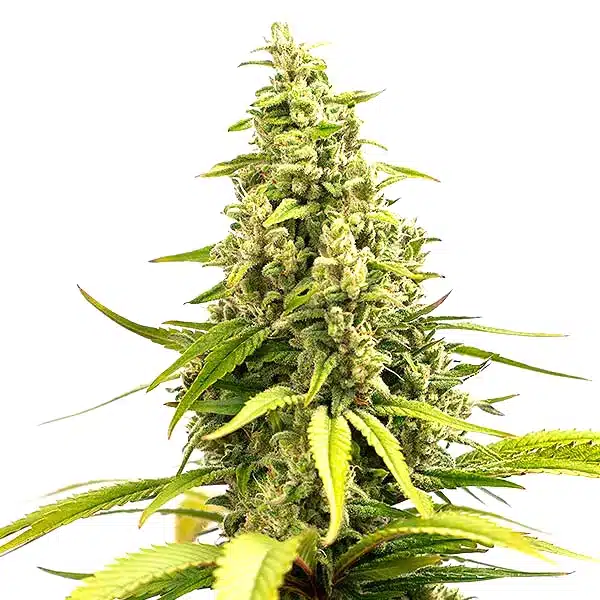
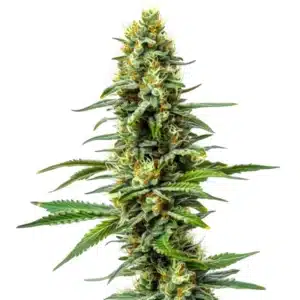
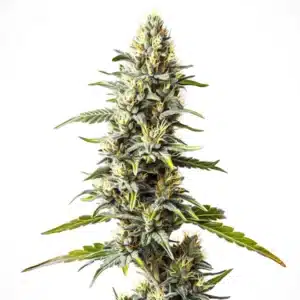
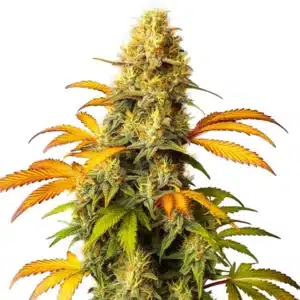
Critical Cream Caramel Auto

|
THC | 15% - 18% (Medium) |

|
Type | Autoflowering |

|
Yield | High |

|
Phenotype | 70% Indica / 30% Sativa |
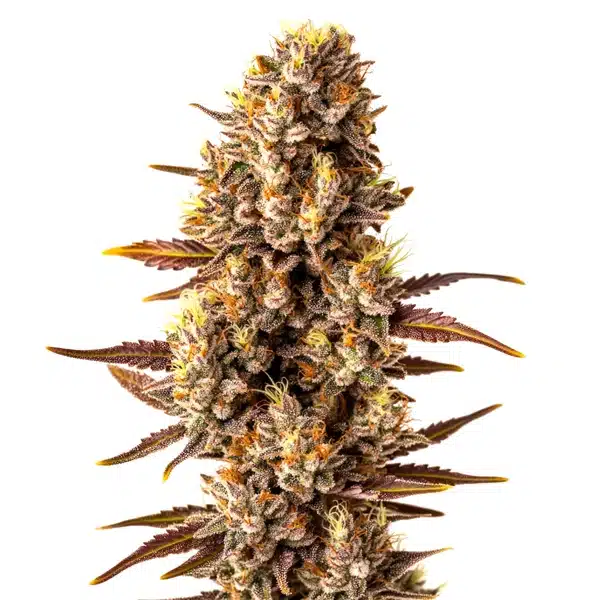
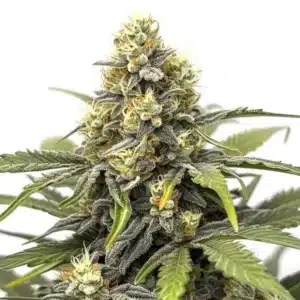
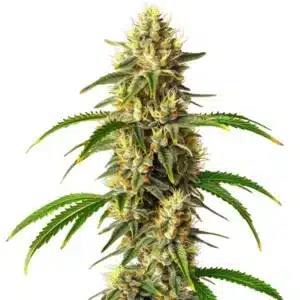
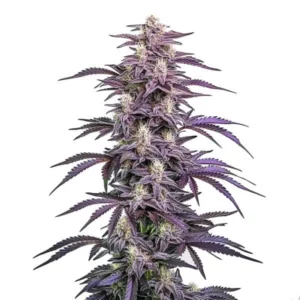
Tropicana Cookies Fast Version
|
|
THC | 20% - 22% (Medium) |
|
|
Type | Fast Flowering |
|
|
Yield | High |
|
|
Phenotype | 60% Indica / 40% Sativa |
Hysteresis in Cannabis Drying and Curing
What is Hysteresis?
Hysteresis in cannabis refers to the lag between moisture content and water activity during drying and curing. This phenomenon affects how cannabis retains moisture and, subsequently, its quality. Knowing hysteresis in drying and curing cannabis water activity is essential, as experienced growers report that knowing this relationship is vital for maintaining the integrity of their harvest.
Moisture content and water activity are not directly proportional. For example, a cannabis sample with 12% moisture content might have a different water activity level than another with the same moisture percentage. This discrepancy is due to hysteresis, impacting the drying process and affecting cannabinoid and terpene retention.
The Science of Water Activity in Cannabis
Water activity measures the free moisture in cannabis, influencing microbial growth and chemical reactions. A water activity level of 0.55-0.65 is ideal for preventing mold while preserving cannabinoids. Using a water activity meter is essential for accurate measurements during the drying process, ensuring the cannabis remains within this optimal range.
Experienced growers report that maintaining the correct water activity during drying and curing can enhance cannabinoid preservation by up to 15%. This precision is crucial for achieving a high-quality final product with maximum potency and flavor.
Promos & Deals
Factors Influencing Hysteresis in Drying Cannabis
Environmental Factors
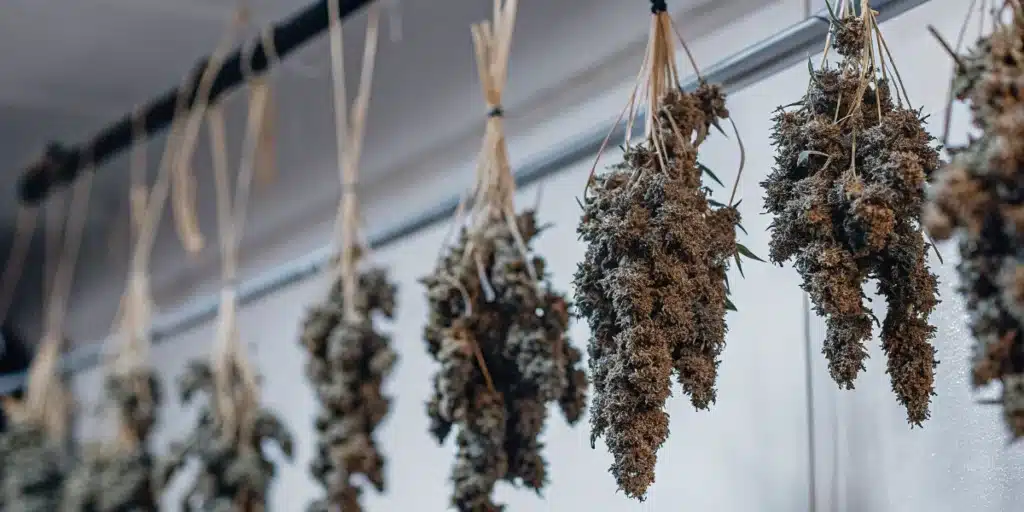
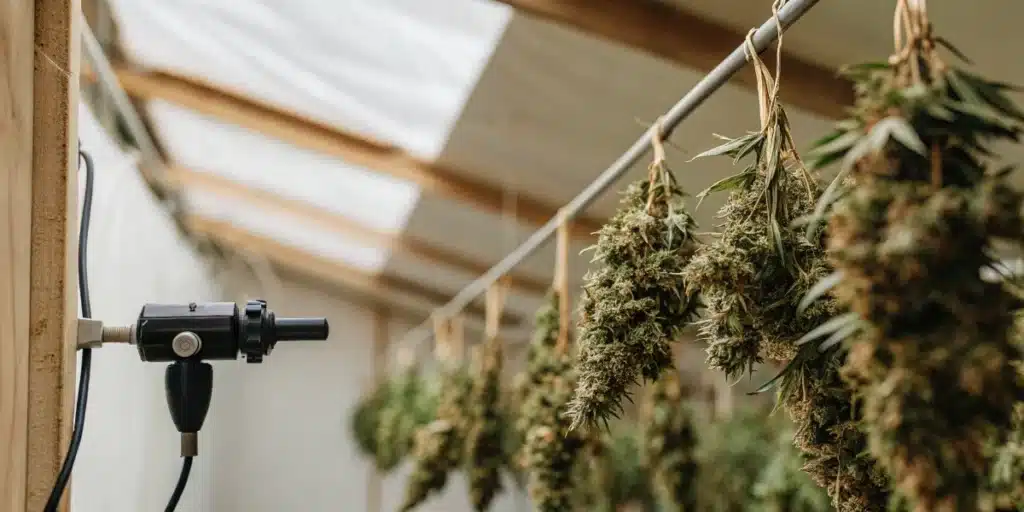
Several factors influence hysteresis in cannabis drying, including temperature, humidity, and airflow. These elements affect how moisture is retained or released, impacting the overall drying process. For example, a temperature range of 60-70°F (15-21°C) with 50-60% relative humidity is ideal for minimizing hysteresis effects.
Growers must carefully monitor these parameters to ensure a consistent drying process. Fluctuations in temperature or humidity can lead to uneven drying, affecting the quality and potency of the final product. Proper ventilation is also crucial to prevent moisture buildup and promote uniform drying.
Techniques to Control Hysteresis
Controlling hysteresis involves maintaining consistent environmental conditions during drying. Advanced techniques like using a cannabis curing machine can offer precise control over the curing environment, ensuring optimal water activity levels are maintained.
Many cultivators share that using a controlled environment with automated systems can significantly reduce hysteresis effects. These systems allow for precise adjustments in temperature and humidity, ensuring that the cannabis dries evenly and retains its quality.
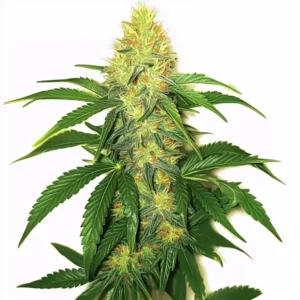
| Feature | Amnesia X AK 47 | Critical Cream Caramel Auto | Tropicana Cookies Fast Version |
|---|---|---|---|
| THC Content | 17-20% | 15-18% | 20-22% |
| Dominant Terpene | Caryophyllene | Humulene | Limonene |
| Flavor Profile | Citrus, Diesel | Earthy, Sweet | Fruity, Incense, Sweet |
| Yield | High | High | High |
| Flowering Time | 8-10 weeks | 6-8 weeks | 6-7 weeks |
Curing Cannabis: Best Practices
Curing Cannabis in Jars
One of the traditional methods involves curing cannabis in jars, which helps maintain optimal water activity levels. This method allows for gradual moisture release, preserving terpenes and cannabinoids. Jars should be opened daily for 15-30 minutes to allow for air exchange, preventing mold and ensuring even curing.
Growers often use jars with airtight seals to maintain a consistent environment. This method is cost-effective and allows for easy monitoring of the curing process. However, it’s essential to avoid overpacking the jars, as this can lead to uneven curing and potential mold growth.
Using a Cannabis Curing Machine
Advanced techniques like using a cannabis curing machine can offer precise control over the curing environment. These machines regulate temperature and humidity, ensuring consistent curing conditions and optimal water activity levels.
Many cultivators share that curing machines can significantly reduce the time required for curing, often completing the process in 7-10 days compared to the traditional 2-4 weeks. This efficiency can lead to a quicker turnaround and fresher product.
Professional Tips for Drying and Curing
- Maintain 58-62% RH during cure. Below 55% arrests terpene development; above 65% promotes Botrytis within 48h. Check with a calibrated digital hygrometer, never analog.
- Keep drying temperatures between 60-70°F (15-21°C) to prevent rapid moisture loss and preserve cannabinoids.
- Use a water activity meter to ensure levels remain between 0.55-0.65, preventing mold and preserving quality.
- Open curing jars daily for 15-30 minutes to allow air exchange and prevent mold formation.
- Avoid overpacking jars to ensure even curing and prevent moisture buildup.
- Consider using a curing machine for precise control over the curing environment and reduced curing time.
FAQs about hysteresis in drying and curing cannabis water activity
What is the water activity of cannabis drying?
The ideal water activity level for drying cannabis is between 0.55 and 0.65. This range prevents microbial growth and preserves cannabinoids and terpenes. Maintaining this level ensures the cannabis remains potent and flavorful, ready for consumption or storage.
What is the 60-60 rule for drying cannabis?
The 60-60 rule refers to maintaining 60% relative humidity and 60°F (15.5°C) temperature during the drying process. This balance helps preserve cannabinoids and terpenes while preventing mold growth. Adhering to this rule ensures a high-quality final product.
Is 45% humidity too low for drying cannabis?
Yes, 45% humidity is too low for drying cannabis. It can lead to overdrying, resulting in a harsh smoke and loss of terpenes and cannabinoids. Ideal humidity levels are between 50-60% to ensure proper drying and preservation of quality.
Should buds be sticky after drying?
Properly dried cannabis buds should be slightly sticky, indicating the presence of resin and terpenes. If buds are too dry, they may crumble easily, signaling overdrying. Maintaining the correct humidity and temperature during drying helps achieve the desired stickiness.
How can you tell if cannabis buds are properly dried?
Properly dried cannabis buds should feel slightly crisp on the outside but retain some moisture inside. The stems should snap rather than bend. This balance ensures the preservation of cannabinoids and terpenes, resulting in a potent and flavorful product.