Safe Humidity Levels to Prevent Mold and Preserve VOCs

Maintaining optimal indoor humidity: To prevent mold and preserve VOCs, maintaining a safe humidity to prevent mold while preserving VOCs is essential. Experts recommend keeping indoor humidity between 30-50%, as mold thrives above 60% humidity. Monitoring and adjusting moisture levels within this range not only helps inhibit mold growth but also protects valuable volatile organic compounds (VOCs), supporting better air quality and a healthier environment. Regular monitoring with a reliable hygrometer is the best way to maintain these conditions effectively.
Humidity control is vital for both home environments and cannabis cultivation. Managing the right levels can enhance terpene profiles, crucial for strains like GG4. In cannabis cultivation, maintaining a relative humidity (RH) of 40-60% during flowering can optimize resin production. This balance helps in preventing mold while preserving the plant’s aromatic compounds.
Recommended Strains
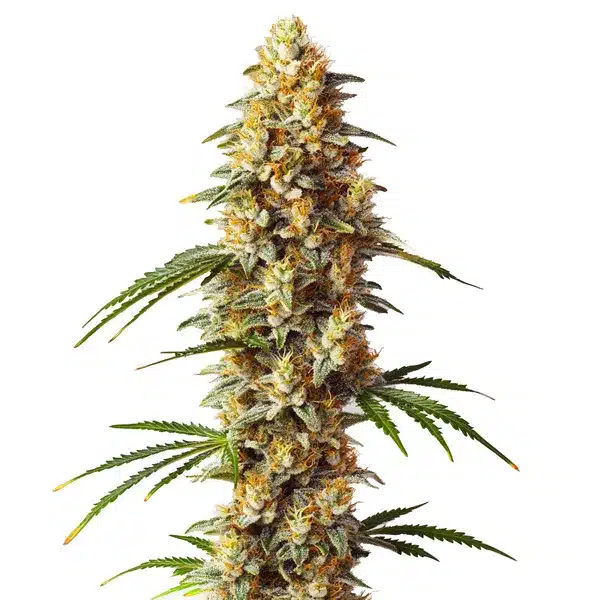
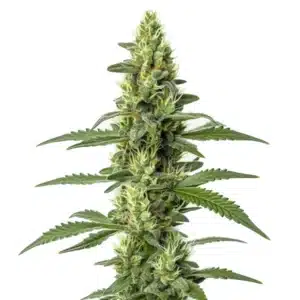
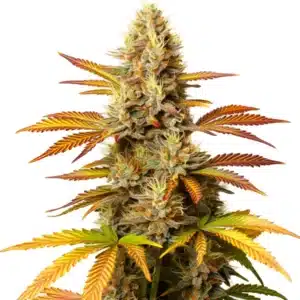
Critical x GG4 Auto

|
THC | 18% - 22% (Medium) |

|
Type | Autoflowering |

|
Yield | High |

|
Phenotype | 65% Indica / 35% Sativa |

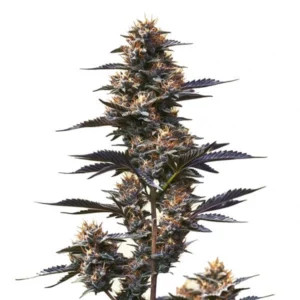
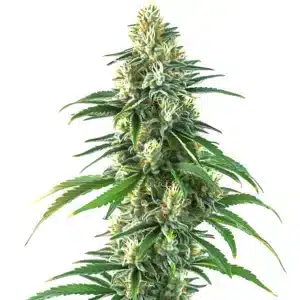
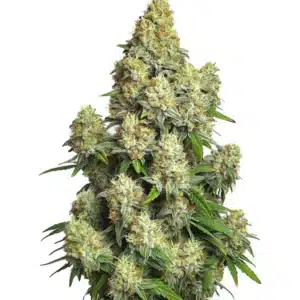
Blackberry Moonrocks
|
|
THC | 26% - 33% (High) |
|
|
Type | Feminized |
|
|
Yield | High |
|
|
Phenotype | 80% Indica / 20% Sativa |
Humidity and Mold Growth
What is Humidity?
Humidity refers to the amount of water vapor present in the air. It is a critical factor in both household environments and cultivation spaces. For cannabis growers, maintaining the right humidity levels is essential to ensure plant health and optimize yield. In general, humidity is measured as a percentage, representing the amount of moisture in the air relative to the maximum amount it can hold at a given temperature.
In cannabis cultivation, a relative humidity of 40-60% is ideal during the flowering stage to enhance terpene and cannabinoid profiles. This range supports the plant’s physiological processes, ensuring robust growth and high-quality yields. For instance, Critical X GG4 Auto thrives in these conditions, producing dense buds with rich terpene profiles.
How Mold Grows in Different Humidity Levels
Mold typically grows in a house when humidity exceeds 60%. This is because mold spores require moisture to thrive and reproduce. In cannabis cultivation, high humidity can lead to mold and mildew, which are detrimental to plant health. Mold can grow at temperatures between 60-80°F (15-27°C), making it crucial to monitor both temperature and humidity levels.
Temperature and humidity play a crucial role in mold growth. For cannabis growers, maintaining a balance between these factors is essential to prevent mold and ensure optimal plant health. Using tools like dehumidifiers and air circulation systems can help control these environmental variables effectively.
Promos & Deals
Safe Humidity to Prevent Mold While Preserving VOCs
Ideal Humidity Levels for Homes and Cultivation
Maintaining a safe humidity level in your home is crucial to prevent mold while preserving VOCs. For homes, the ideal humidity range is 30-50%, which prevents mold growth and maintains indoor air quality. In cannabis cultivation, keeping humidity below 60% during flowering is essential to prevent mold and preserve the plant’s aromatic compounds.
Mold begins to die when humidity is consistently below 50%. This is particularly important in cannabis cultivation, where maintaining the right humidity levels can enhance terpene profiles and prevent mold-related issues. Experienced growers recommend using hygrometers to monitor humidity levels accurately.
Techniques to Control Indoor Humidity
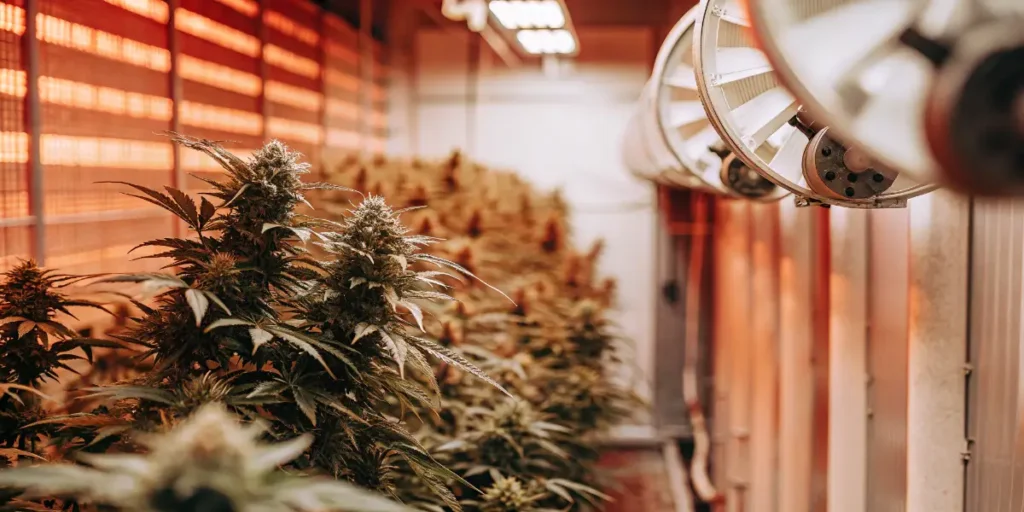
Effective humidity control techniques include using dehumidifiers, increasing air circulation, and monitoring environmental conditions with hygrometers. These tools help maintain optimal humidity levels, preventing mold growth and preserving VOCs. In cannabis cultivation, maintaining a balance between humidity and temperature is crucial for plant health and yield.
Refer to the mold growth humidity chart to understand the critical levels. This chart provides valuable insights into how different humidity levels affect mold growth, helping growers make informed decisions about environmental control.
Tools and Charts for Monitoring Humidity
Mold Growth Humidity Chart
Utilizing a mold growth humidity chart can be instrumental in understanding how humidity levels impact mold proliferation. This chart provides a visual representation of the humidity ranges that promote or inhibit mold growth. For cannabis growers, this tool is crucial in maintaining the ideal environment for plant health and yield.
Download our mold growth humidity chart PDF for easy reference. This resource includes detailed information on the humidity levels that affect mold growth, helping you maintain optimal conditions in your cultivation space.
Using Humidity Monitors Effectively
Humidity monitors are essential tools for maintaining the right environmental conditions in both homes and cultivation spaces. These devices provide real-time data on humidity levels, allowing you to make necessary adjustments to prevent mold growth and preserve VOCs. For cannabis growers, using digital hygrometers can enhance accuracy and reliability.
For international readers, our chart includes Celsius measurements, ensuring that you have the information needed to maintain optimal humidity levels regardless of your location.
Professional Tips for Maintaining Safe Humidity Levels
- Maintain 58-62% RH during curing to prevent mold and preserve terpenes. Below 55% arrests terpene development; above 65% promotes Botrytis within 48 hours.
- Use a dehumidifier to maintain indoor humidity below 60% during flowering. This prevents mold and enhances the aromatic profile of strains like Blackberry Moonrocks.
- Ensure proper air circulation with oscillating fans to prevent stagnant air, which can lead to mold growth even at lower humidity levels.
- Regularly calibrate digital hygrometers to ensure accurate humidity readings, as inaccurate data can lead to suboptimal growing conditions.
- Monitor temperature alongside humidity, as mold can grow at temperatures between 60-80°F (15-27°C), affecting plant health.
- Incorporate silica gel packets in storage jars to maintain humidity levels between 58-62% during the curing process.
FAQs on Safe Humidity Levels
What humidity is safe to prevent mold?
A humidity level of 30-50% is generally safe to prevent mold growth in homes. For cannabis cultivation, maintaining humidity below 60% during flowering is crucial to prevent mold and preserve the plant’s aromatic compounds. Regular monitoring with a hygrometer can help maintain these optimal conditions.
Is 40% humidity too low for sleeping?
40% humidity is generally considered comfortable for indoor environments, including sleeping areas. It helps maintain air quality and prevents issues like dry skin or respiratory discomfort. For cannabis cultivation, 40-60% RH is ideal during flowering to enhance terpene profiles and prevent mold.
Is any house 100% mold free?
While achieving a completely mold-free house is challenging, maintaining a humidity level below 50% can significantly reduce mold growth. Regular cleaning, proper ventilation, and humidity control are essential practices to minimize mold presence indoors.
Is 70% humidity too high for a house?
Yes, 70% humidity is too high for a house, as it can promote mold growth and negatively impact indoor air quality. Maintaining humidity levels between 30-50% is recommended to prevent mold and ensure a healthy living environment.
How can I reduce humidity in my grow room?
To reduce humidity in a grow room, use dehumidifiers, enhance air circulation with fans, and ensure proper ventilation. Maintaining humidity below 60% during flowering is crucial for preventing mold and preserving the plant’s aromatic compounds. Regular monitoring with a hygrometer is essential for optimal conditions.