How Genetics Influence Cannabis VOC Emissions

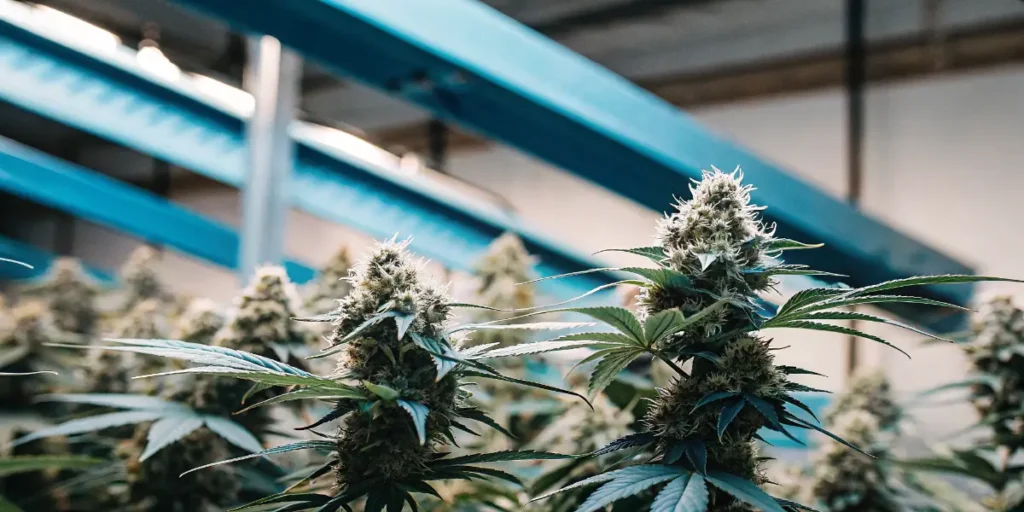
Genetics influence cannabis VOC emissions: Cannabis genetics play a crucial role in the emission of volatile organic compounds (VOCs). Different strains exhibit unique VOC profiles due to their genetic makeup. For instance, GG4 is known for emitting higher concentrations of specific terpenes compared to other strains, showcasing how genetics drive VOC variability. This genetic influence impacts both aroma and potential therapeutic effects, highlighting the importance of strain selection in cultivation.
Cannabis plants emit a variety of volatile organic compounds (VOCs) that contribute to their distinct aromas and potential therapeutic benefits. These emissions are significantly influenced by the plant’s genetics, with each strain producing a unique VOC profile. For example, the terpene myrcene, which is prominent in many strains, can enhance the psychoactive effects of THC. Knowing these genetic influences is key to optimizing both cultivation practices and consumer experiences.
Recommended Strains

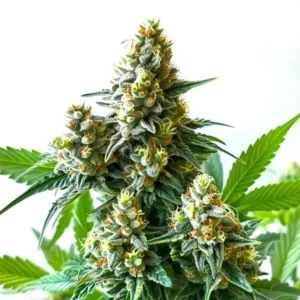
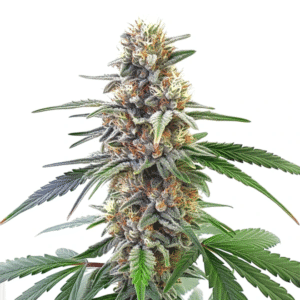
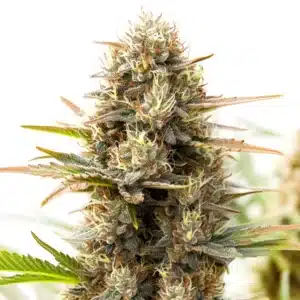
Green Crack

|
THC | 21% (Medium) |

|
Type | Feminized |

|
Yield | High |

|
Phenotype | 35% Indica / 65% Sativa |

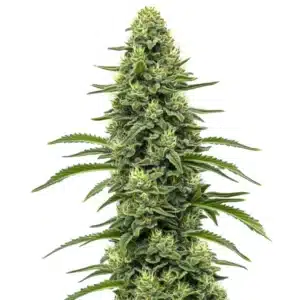
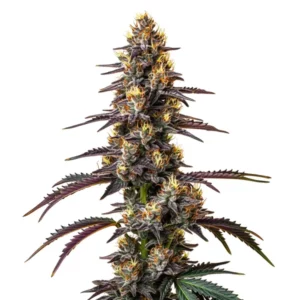
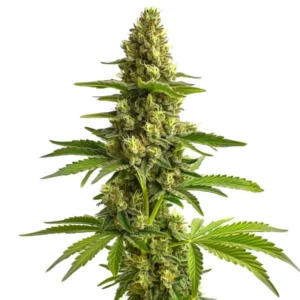
Gelato
|
|
THC | 27% (High) |
|
|
Type | Feminized |
|
|
Yield | High |
|
|
Phenotype | 50% Indica / 50% Sativa |
Cannabis VOCs: A Closer Look
What are VOCs?
Volatile organic compounds (VOCs) are organic chemicals that easily vaporize at room temperature, contributing to the aroma and flavor of cannabis. These compounds include terpenes and flavonoids, which are responsible for the distinctive scents and tastes of different strains. Knowing how genetics influence cannabis VOC emissions is essential, as different genetic profiles determine the concentration and combination of these aromatic compounds. VOCs also play a role in the plant’s defense mechanisms against pests and environmental stressors.
In cannabis, VOCs are primarily composed of terpenes, which can vary significantly in concentration. For instance, limonene, a common terpene, can range from 0.5% to 2% in different strains. This variability influences not only the sensory experience but also the therapeutic potential of the cannabis plant.
Genetic Influence on VOC Emissions
The genetic makeup of cannabis determines the types and concentrations of VOCs produced. Strains like GG4 are known for their high terpene content, with myrcene levels reaching up to 1.5%. This genetic trait enhances the strain’s sedative effects and earthy aroma. The interplay of genetics and environmental factors results in the diverse VOC profiles observed in cannabis.
Experienced growers report that selecting strains with specific genetic traits can optimize VOC emissions for desired effects. For example, cultivators aiming for a citrusy aroma may choose strains with high limonene content, such as Lemon Diesel, which can contain up to 1.8% limonene.
Promos & Deals
Genetic Factors in Cannabis
Genetic Variability and VOC Profiles
The genetic diversity among cannabis strains leads to a wide range of VOC profiles. Strains like Gelato and Green Crack exhibit distinct terpene compositions due to their unique genetic backgrounds. Gelato, for instance, is rich in caryophyllene, which can reach concentrations of 0.7%, contributing to its spicy aroma and anti-inflammatory properties.
Knowing the genetic basis of VOC production allows growers to tailor their cultivation practices to enhance specific traits. By selecting strains with desirable VOC profiles, cultivators can produce cannabis with targeted effects and aromas, catering to consumer preferences.
Implications for Breeding and Cultivation
Genetic selection plays a crucial role in breeding programs aimed at enhancing VOC emissions. Breeders focus on crossing strains with complementary terpene profiles to create new varieties with unique aromas and effects. This process involves careful selection and testing to ensure the desired traits are expressed in the offspring.
For cultivators, knowing how genetics influence cannabis VOC emissions can help inform decisions on strain selection and cultivation techniques. By optimizing environmental conditions, such as light intensity and nutrient levels, growers can enhance the expression of specific VOCs, improving both yield and overall quality.
Environmental Influences on VOC Emissions
Impact of Growing Conditions
Environmental factors such as temperature, humidity, and light intensity significantly impact VOC emissions in cannabis. Optimal conditions can enhance terpene production, with temperatures maintained between 68°F and 77°F (20°C and 25°C) and humidity levels at 55-60%. These conditions prevent terpene degradation and promote robust VOC profiles.
Growers often adjust light schedules to maximize VOC emissions, using high-intensity discharge (HID) lights to provide 800-1000 µmol/m²/s during flowering. This practice enhances terpene synthesis, leading to richer aromas and flavors.
Managing Environmental Stressors
Environmental stressors, such as pests and diseases, can negatively affect VOC emissions. Implementing integrated pest management (IPM) strategies helps maintain plant health and optimize VOC production. Regular monitoring and the use of organic pesticides can prevent infestations without compromising terpene profiles.
Experienced cultivators recommend maintaining consistent environmental conditions to reduce stress-induced VOC fluctuations. This involves using climate control systems to regulate temperature and humidity, ensuring stable conditions throughout the growth cycle.
Implications for Cultivation and Use
Optimizing Strain Selection
Selecting the right strain is crucial for achieving desired VOC profiles. Strains like GG4 and Gelato offer unique terpene compositions that cater to different consumer preferences. Knowing how genetics influence cannabis VOC emissions allows growers to tailor their cultivation practices and enhance specific aromatic and terpene-rich traits.
For cultivators, choosing strains with high terpene content can improve both the sensory experience and therapeutic potential of the final product. This selection process involves evaluating genetic traits and environmental adaptability to optimize yield and quality.
Enhancing Consumer Experience
Consumers benefit from strains with diverse VOC profiles, as these compounds contribute to the entourage effect, enhancing the overall experience. Strains with high myrcene content, like GG4, offer relaxing effects, while those rich in limonene, such as Green Crack, provide an energizing boost.
Knowing the genetic and environmental factors influencing VOC emissions allows consumers to make informed choices, selecting strains that align with their preferences and desired effects.
Professional Tips for Optimizing VOC Emissions
- Maintain 68°F-77°F (20°C-25°C) during flowering to enhance terpene synthesis. Temperatures above 80°F (27°C) can degrade VOCs, reducing aroma quality.
- Use high-intensity discharge (HID) lights at 800-1000 µmol/m²/s to boost terpene production. Insufficient light intensity can lead to underdeveloped VOC profiles.
- Ensure humidity levels remain between 55-60% to prevent terpene degradation. High humidity can promote mold growth, affecting VOC emissions.
- Select strains with high terpene content for richer aromas. Strains like GG4 and Gelato offer unique profiles that enhance the consumer experience.
- Implement integrated pest management (IPM) strategies to maintain plant health and optimize VOC production. Regular monitoring prevents infestations that can affect terpene profiles.
- Use climate control systems to regulate environmental conditions, ensuring consistent VOC emissions throughout the growth cycle.
FAQs about how genetics influence cannabis VOC emissions
What are the genetic traits linked to cannabis use?
Genetic traits influencing cannabis use include terpene profiles, cannabinoid content, and resistance to pests. Strains like GG4, with high myrcene levels, offer relaxing effects. Knowing these traits helps in selecting strains for specific effects, with THC levels ranging from 18% to 30% in various strains.
Does cannabis emit VOCs?
Yes, cannabis emits volatile organic compounds (VOCs), primarily terpenes and flavonoids. These compounds contribute to the plant’s aroma and therapeutic effects. VOC emissions vary by strain, with GG4 known for high myrcene levels, enhancing its earthy aroma and relaxing effects.
How do I reset my endocannabinoid system?
Resetting the endocannabinoid system involves taking a tolerance break from cannabis, typically lasting 48 hours to 2 weeks. This allows cannabinoid receptors to reset, enhancing future cannabis experiences. During this period, avoid THC-rich strains like Gelato, which contain 22-26% THC.
What syndrome is linked to cannabis users?
Cannabinoid Hyperemesis Syndrome (CHS) is linked to chronic cannabis use, characterized by nausea and vomiting. It affects a small percentage of users, particularly those using high-THC strains like Green Crack, with THC levels of 18-22%. Reducing usage can alleviate symptoms.
How do genetics affect the endocannabinoid system?
Genetics influence the endocannabinoid system by determining cannabinoid receptor density and function. Strains like GG4, with high THC content (25-30%), interact with CB1 receptors, enhancing psychoactive effects. Knowing genetic influences helps in selecting strains for desired effects.