African Landrace Seeds: Cultivate Authentic Cannabis Genetics

Quick answer: African landrace seeds are pure, region-specific cannabis strains that evolved naturally over centuries across Africa, with no modern crossbreeding. They are mostly tall, vigorous sativas, hardy and resistant to pests and drought, with long flowering times and distinctive aromas. Famous examples include Durban Poison, Swazi Gold and Malawi. Growers prize them for authentic genetics, energetic sativa effects and their value in breeding.
African landrace seeds are pure cannabis strains that evolved naturally over centuries in specific regions of Africa, untouched by modern crossbreeding. That makes them living pieces of cannabis history: tall, slender, vigorous plants, usually sativas, with their original genetics intact and strong aromas shaped by their native terpenes. They are the ancestors behind many of today’s hybrids.
Recommended Strains

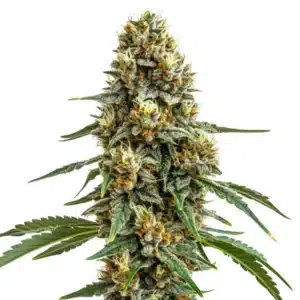
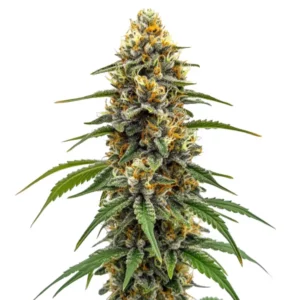
African x Princess 88

|
THC | 18% - 20% (Medium) |

|
Type | Feminized |

|
Yield | High |

|
Phenotype | 40% Indica / 60% Sativa |
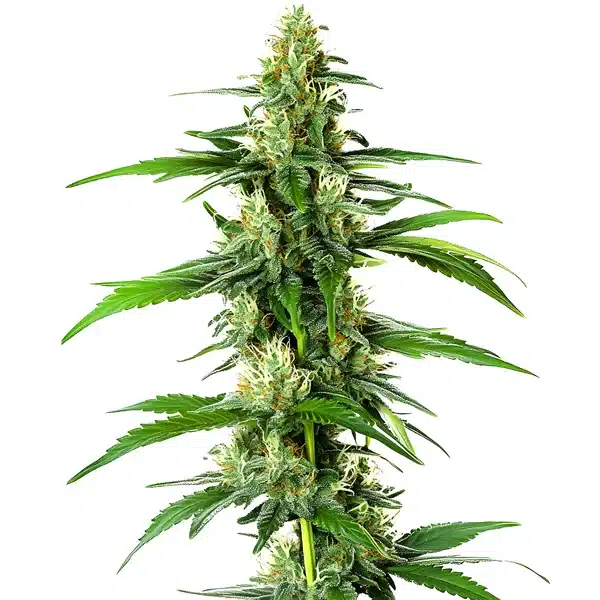
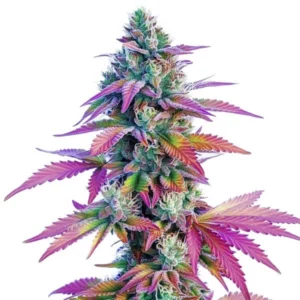
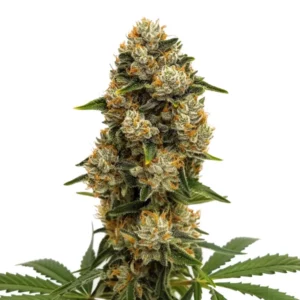
South African
|
|
THC | 18% - 20% (Medium) |
|
|
Type | Feminized |
|
|
Yield | High |
|
|
Phenotype | 10% Indica / 90% Sativa |
A defining trait is resilience. Having adapted to tough African climates, these strains tend to be highly resistant to pests, drought and heat, which makes them rewarding (if long-flowering) to grow. Below we cover what African landrace seeds are, the most famous strains, their benefits and challenges, and how to cultivate and preserve them. For the broader concept, see our general guide to landrace strains.
| African landrace | Region | Character |
|---|---|---|
| Durban Poison | South Africa | Pure sativa, sweet-anise, clear and energetic |
| Swazi Gold | Eswatini (Swaziland) | Sativa, uplifting, hardy and vigorous |
| Malawi (Gold) | Malawi | Long-flowering sativa, potent and cerebral |
| Rooibaard | South Africa | Classic South African sativa, resinous |
Top African Landrace Strains to Grow
The most celebrated African landrace is Durban Poison, a pure South African sativa famous for its sweet, anise-like aroma and clear, energetic, daytime effect, it is also a parent of countless modern hybrids. Swazi Gold, from Eswatini, is another classic sativa, uplifting, hardy and well suited to warm climates, while Malawi (Malawi Gold) is a long-flowering, highly potent sativa prized for its intense, cerebral high.
Other South African sativas like Rooibaard round out the group, all sharing the tall, resinous, equatorial-sativa character. These strains tend to want a long season and plenty of light, rewarding patient growers with authentic flavours and energetic effects. If you prefer pure sativa genetics generally, browse our sativa seeds.
Promos & Deals
How to Grow African Landrace Seeds
African landraces are hardy but demanding on time and space. As equatorial sativas, they tend to stretch tall and flower for a long time (often 10-14+ weeks), so they suit growers with headroom, a long outdoor season or the patience to manage them indoors with training. Their climate adaptation means they handle heat, drought and pests better than many pampered hybrids.
Give them strong light, room to grow and gentle training to manage height, and be patient through the long bloom, the payoff is authentic flavour and a classic, energetic sativa high. Because they are pure, stable lines, they also breed true, which is why they are so valuable for preservation and for creating new hybrids. To understand that genetic significance, see our guide on what landrace strains are.
Benefits and Challenges of African Landrace Seeds
The benefits of African landrace seeds are genetic purity and resilience. Because they evolved without crossbreeding, they offer stable, authentic genetics that breed true and carry distinctive, often energetic sativa effects and aromas you will not find in heavily hybridised strains. Their adaptation to tough African climates also makes them naturally hardy, with good resistance to heat, drought and pests, valuable traits for breeders and outdoor growers alike.
The challenges are mostly about size and time. As equatorial sativas, many African landraces stretch very tall and have long flowering periods, which demands space, a long season or careful indoor training, and makes them less convenient than compact modern autoflowers. They can also be less uniform in a modern commercial sense. For most growers the trade is worth it: you accept the extra time and height in exchange for rare, authentic genetics.
Preserving African Landrace Genetics
Preserving African landrace genetics matters because true, unhybridised lines are increasingly rare. Decades of crossbreeding and the global seed trade have diluted many original populations, so the pure versions of strains like Durban Poison, Swazi and Malawi are a shrinking resource. Keeping them alive protects irreplaceable genetic diversity, traits, resistances and flavours, that future breeding depends on.
Growers help preserve these genetics by sourcing authentic seeds from reputable breeders, growing them out carefully, and keeping lines pure rather than crossing them casually. If you want to work with or safeguard these genetics, start with well-documented African landrace seeds from a trusted source, and treat them as the living heritage they are. This keeps the foundation of modern cannabis intact for the next generation of growers.

FAQs About African Landrace Seeds
What are African landrace seeds?
They are pure, region-specific cannabis strains that evolved naturally over centuries across Africa, with no modern crossbreeding. Mostly tall, vigorous sativas, they are hardy, pest- and drought-resistant, long-flowering and aromatic. Famous examples include Durban Poison, Swazi Gold and Malawi. Growers value them for authentic genetics and energetic sativa effects.
What are the best African landrace strains?
Durban Poison (South Africa) is the most famous, a sweet, energetic pure sativa and parent of many hybrids. Swazi Gold (Eswatini) and Malawi are other classic, potent sativas, with South African lines like Rooibaard also prized. All are tall, resinous, long-flowering equatorial sativas suited to patient growers.
Are African landrace strains hard to grow?
They are hardy but demanding on time and space. As equatorial sativas they stretch tall and flower for a long time (often 10-14+ weeks), so they suit a long outdoor season or trained indoor grows. The upside is strong resistance to heat, drought and pests, making them robust once you accommodate their size and timing.
Where can I buy African landrace seeds?
Buy from reputable seed banks that preserve authentic African genetics, since true, unhybridised landraces are increasingly rare. Look for well-documented lines like Durban Poison, Swazi or Malawi from a trusted breeder. A reputable source is the best assurance the genetics match the label and that you are getting genuine landrace stock.
Are African landrace strains sativa or indica?
Almost all African landraces are pure sativas. Having evolved near the equator, strains like Durban Poison, Swazi Gold and Malawi are tall, long-flowering and energetic, with uplifting, cerebral effects typical of landrace sativas rather than the short, sedating profile of indica landraces such as Afghani or Hindu Kush.