Top Cannabis Genetics for Optimal Growth

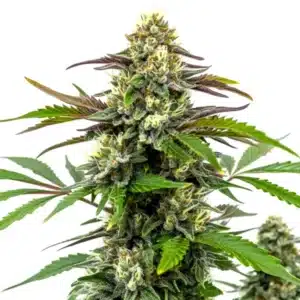
Top-tier cannabis genetics: The finest cannabis genetics are tailored to your cultivation style and goals. For terpene-rich strains, feminized photoperiods like Jelly Donutz excel. Meanwhile, top auto-flowers from breeders like Mephisto or FastBuds are favored for rapid, high-yield home grows. These choices reflect the diverse needs of cultivators aiming for optimal results.
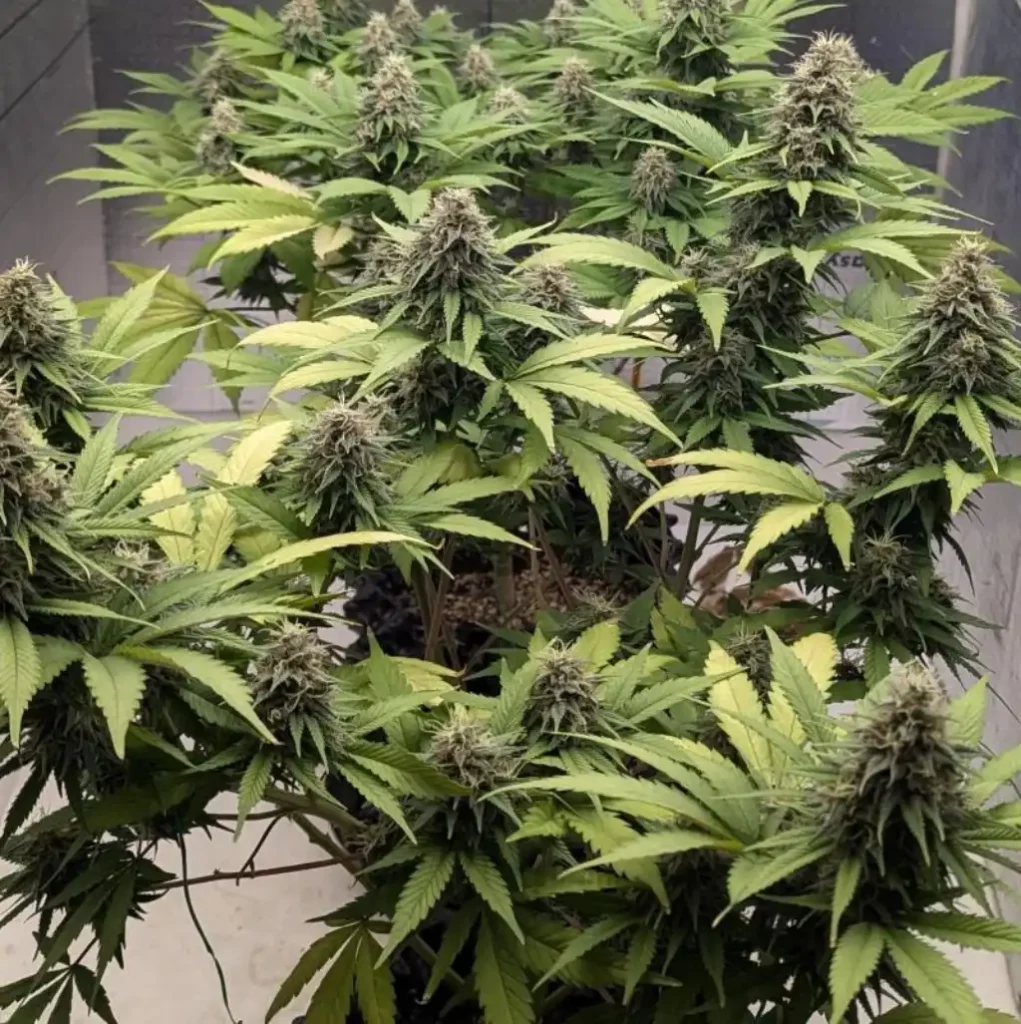
Choosing the right cannabis genetics is pivotal for achieving desired terpene profiles and flowering times. For example, strains like GG4 are renowned for their resinous buds and potent effects, making them a top choice for many growers. Understanding the nuances of cannabis genetics can significantly impact your cultivation success.
Recommended Strains
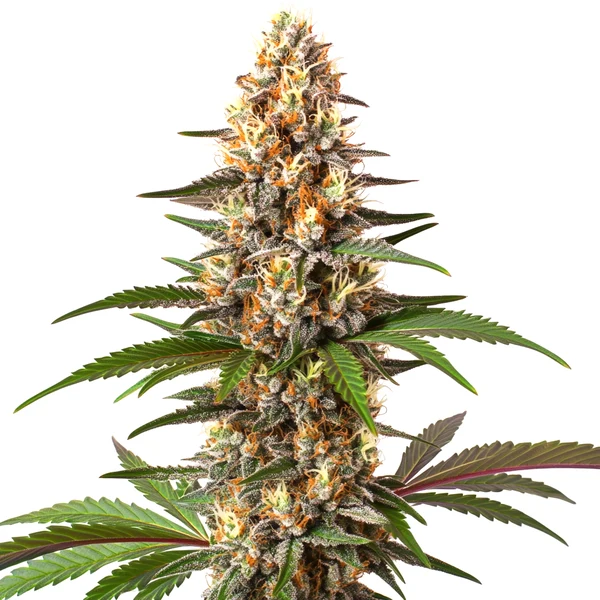
Cake Bomb

|
THC | 15% - 20% (Medium) |

|
Type | Feminized |

|
Yield | High |

|
Phenotype | 50% Indica / 50% Sativa |

Cafe Racer
|
|
THC | 25% (High) |
|
|
Type | Feminized |
|
|
Yield | Medium |
|
|
Phenotype | 30% Indica / 70% Sativa |
Cannabis Genetics Decoded
What Are Cannabis Genetics?
Cannabis genetics encompass the inherited traits from parent plants, dictating a plant’s physical attributes and chemical composition. These genetics influence height, color, THC, and CBD levels. Selecting seeds with robust genetics ensures plants develop desired traits, crucial for achieving specific cultivation goals.
Pure strains, like landraces, exhibit stable genetics due to natural evolution in specific regions. In contrast, hybrids result from crossing different strains, offering a mix of traits tailored to specific effects or growth characteristics. This genetic diversity allows for customization in cultivation.
Genetics in Cannabis Cultivation
Strong cannabis genetics are vital for a successful grow, providing resistance to pests and diseases, higher yields, and consistent cannabinoid and terpene profiles. These benefits enable growers to focus on optimizing yield rather than plant health issues, leading to a bountiful harvest.
Genetics also determine a plant’s adaptability to its environment. For instance, some strains thrive indoors under controlled conditions, while others excel outdoors. Choosing the right genetics ensures plants are well-suited to their growing conditions, enhancing growth and results.
Promos & Deals
Selecting the Best Cannabis Genetics
High-THC vs. High-CBD Strains
When selecting cannabis genetics, consider the desired cannabinoid profile. High-THC strains, known for their psychoactive effects, are popular for recreational use. These strains can produce a range of effects from euphoria to relaxation, depending on their terpene profile.
Conversely, high-CBD strains are valued for medicinal benefits without the high. They offer therapeutic effects such as pain relief and anti-inflammatory properties. Choosing the right profile depends on the intended use, whether recreational or medicinal.
| Feature | California Dream | Somango | Jamaican |
|---|---|---|---|
| THC Content | 22-26% | 18-22% | 15-19% |
| Dominant Terpene | Myrcene | Limonene | Caryophyllene |
| Flavor Profile | Citrus, Pine | Fruity, Sweet | Spicy, Earthy |
| Yield | 1.5-1.8 oz/ft² (450-550 g/m²) | 1.2-1.5 oz/ft² (350-450 g/m²) | 1.0-1.3 oz/ft² (300-400 g/m²) |
| Flowering Time | 8-9 weeks | 9-10 weeks | 10-12 weeks |
Hybrid Strains: The Best of Both Worlds
Hybrid strains combine the traits of indica and sativa plants, offering a balance of effects and growth characteristics. Breeders create hybrids to emphasize specific traits like yield or potency. This genetic blending allows for customization, tailoring strains to specific needs.
By selecting hybrid seeds with strong genetics, you can grow plants that offer the best of both worlds. For example, combining indica’s robust growth with sativa’s uplifting effects creates versatile strains for various cultivation goals.
The Science Behind Cannabis Genetics
Cannabis genetics are a complex interplay of inherited traits that define a plant’s characteristics. The genetic makeup of a cannabis plant is determined by its DNA, which carries the instructions for growth, development, and chemical composition. Breeders manipulate these genetics to create strains with specific attributes, such as increased potency or resistance to environmental stressors.
Modern breeding techniques involve selecting parent plants with desirable traits and crossbreeding them to produce offspring with enhanced characteristics. This selective breeding process can lead to the development of strains with higher yields, improved flavor profiles, and increased resistance to pests and diseases. Understanding the science behind cannabis genetics allows growers to make informed decisions when selecting seeds for cultivation.
Professional Tips for Selecting Cannabis Genetics
- Evaluate THC and CBD levels to match your needs. High THC is ideal for recreational use, while high CBD suits medicinal purposes. Avoid strains with unbalanced cannabinoid profiles for your intended use.
- Choose strains with terpene profiles that enhance desired effects. Myrcene enhances relaxation, while limonene uplifts mood. Misjudging terpene effects can lead to unexpected experiences.
- Consider flowering time based on your growing setup. Indoor growers benefit from shorter cycles, while outdoor cultivators can leverage longer seasons. Ignoring this can lead to suboptimal yields.
- Verify seed quality by checking for firm, dark seeds. Light or cracked seeds often fail to germinate. Always source from reputable seed banks to avoid poor genetics.
- Match genetics to your environment. Indoor strains thrive in controlled settings, while others excel outdoors. Misalignment can hinder plant development.
- Monitor legal limits for seed purchases in your area. Exceeding limits can result in legal issues. Always stay informed of local regulations to ensure compliance.
Advanced Breeding Techniques
Advanced breeding techniques have revolutionized cannabis cultivation, allowing for the development of strains with specific characteristics. Techniques such as backcrossing and polyhybridization are used to stabilize desired traits and enhance genetic diversity. Backcrossing involves crossing a hybrid with one of its parent strains to reinforce specific traits, while polyhybridization combines multiple strains to create new, complex hybrids.
These techniques have led to the creation of some of the best cannabis genetics available today, offering growers a wide range of options to suit their cultivation needs. By understanding and utilizing these advanced breeding methods, growers can achieve superior results and maximize the potential of their crops.

FAQs on Best Cannabis Genetics
What is considered the best cannabis in the world?
The best cannabis strains are often subjective, but GG4 and Blue Dream are renowned for their potency and effects. GG4, with THC levels around 25-30%, offers intense relaxation, while Blue Dream provides balanced effects. These strains consistently rank high due to their unique profiles and widespread popularity.
What are the highest quality cannabis brands?
Top cannabis brands like Blimburn Seeds, Barney’s Farm, and Sensi Seeds are known for their high-quality genetics. These brands offer diverse strains with robust profiles, ensuring reliable performance. Choosing seeds from these reputable seed banks guarantees superior genetics for successful cultivation.
Who is the king of cannabis?
Jack Herer, often dubbed the “king of cannabis,” is celebrated for his advocacy and the strain named after him. The Jack Herer strain, with THC levels of 18-23%, is known for its uplifting effects and rich terpene profile, making it a favorite among cannabis enthusiasts worldwide.
What strains are good for seizures?
High-CBD strains like Charlotte’s Web and ACDC are recommended for seizure management. Charlotte’s Web, with less than 0.3% THC, offers therapeutic benefits without psychoactive effects. These strains are valued for their ability to provide relief while maintaining clarity.
How do cannabis genetics affect yield?
Cannabis genetics significantly influence yield potential. Strains like Big Bud and Critical Mass are bred for high yields, producing 1.5-2 oz/ft² (450-600 g/m²). Selecting genetics with a focus on yield ensures maximum harvest, crucial for commercial growers and those seeking abundant crops.