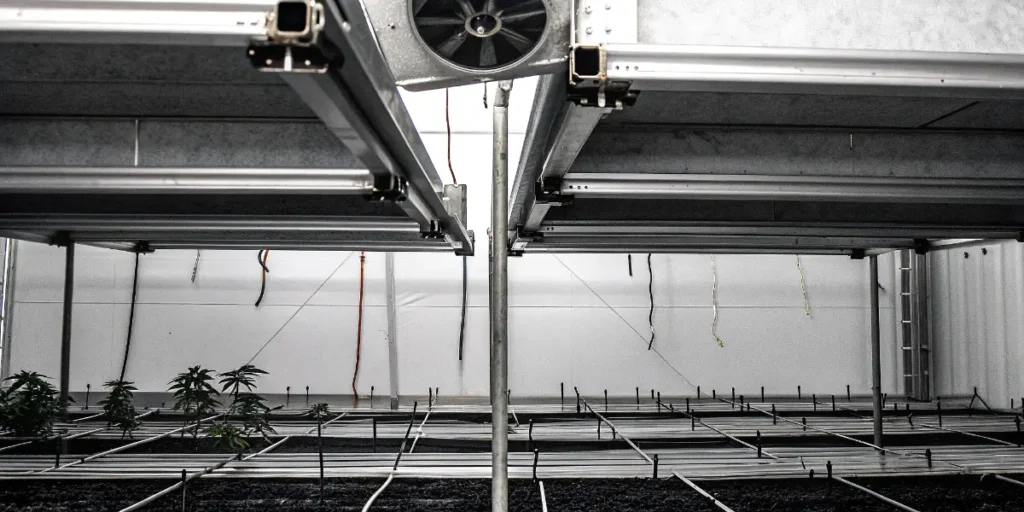
AW as a QA KPI for Cannabis Flower

Water activity (aw) as a KPI: In cannabis flower, aw as a QA KPI for cannabis flower is a crucial quality assurance metric. It measures the free moisture content, impacting both microbial growth and shelf life. Maintaining an aw level below 0.65 significantly reduces microbial contamination, enhancing product quality and safety. This metric is essential for ensuring compliance with industry standards and consumer safety.
When cultivating cannabis, the role of terpenes is vital. Terpenes not only influence aroma and flavor but also affect the plant’s resilience and interaction with cannabinoids. For instance, maintaining optimal terpene profiles requires precise control over flowering time and environmental conditions. This balance ensures a rich sensory experience and maximizes therapeutic effects.
Recommended Strains
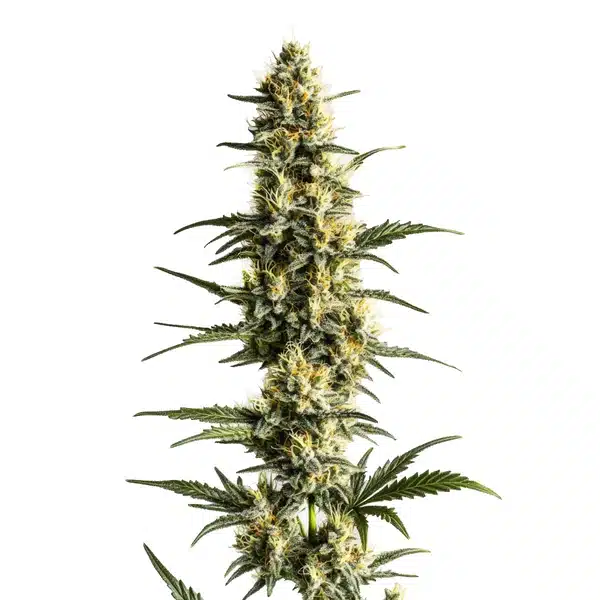
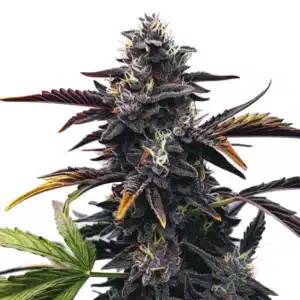
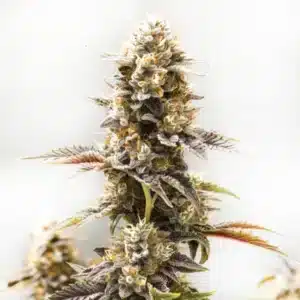
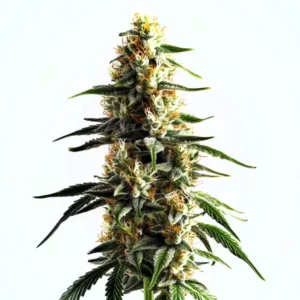
Sour Lemon

|
THC | 15% - 17% (Medium) |

|
Type | Feminized |

|
Yield | Low |

|
Phenotype | 20% Indica / 80% Sativa |
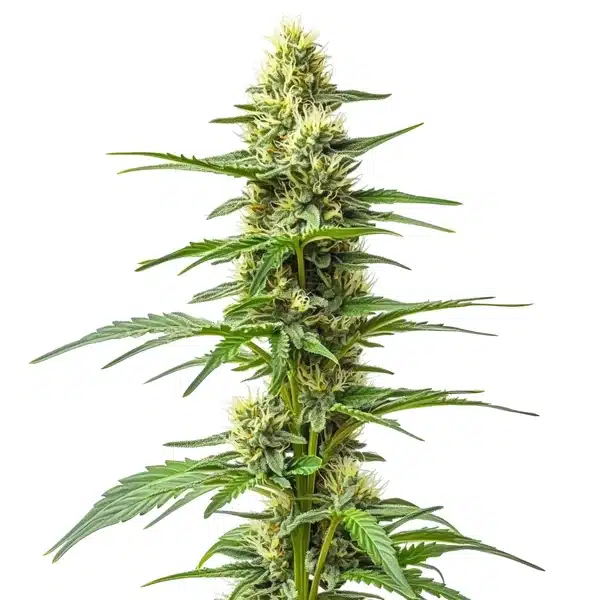
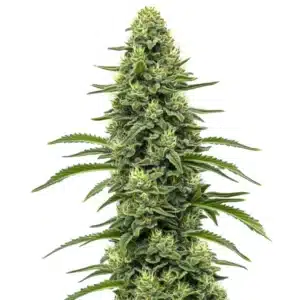
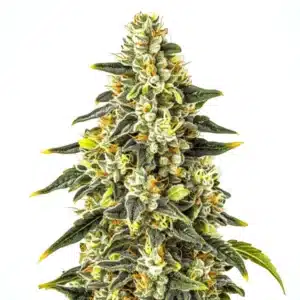
Amnesia Kush Auto
|
|
THC | 16% - 18% (Medium) |
|
|
Type | Autoflowering |
|
|
Yield | Medium |
|
|
Phenotype | 30% Indica / 70% Sativa |
What is aw and Why is it Important for Cannabis?
Definition and Relevance in Cannabis Industry
Water activity, abbreviated as aw, refers to the measure of free moisture in cannabis flowers. Unlike total moisture content, aw specifically gauges the availability of water for microbial growth. In the cannabis industry, controlling aw is crucial as it directly impacts the preservation of cannabinoids and terpenes, which are sensitive to moisture levels, making aw as a QA KPI for cannabis flower an important metric for maintaining product quality and consistency.
Experienced growers report that maintaining aw below 0.65 is critical to preventing mold and bacterial growth, which can compromise the safety and efficacy of cannabis products. This parameter is a key performance indicator (KPI) for quality assurance, ensuring that the product remains safe for consumption while retaining its intended potency and flavor profile.
How aw Impacts Quality Assurance
Quality assurance in cannabis production hinges on precise control of aw. By maintaining aw within the optimal range, cultivators can extend the shelf life of cannabis products and preserve their quality. This control is essential for meeting both consumer expectations and regulatory standards, such as those outlined in the Farm Bill CBD compliance policies.
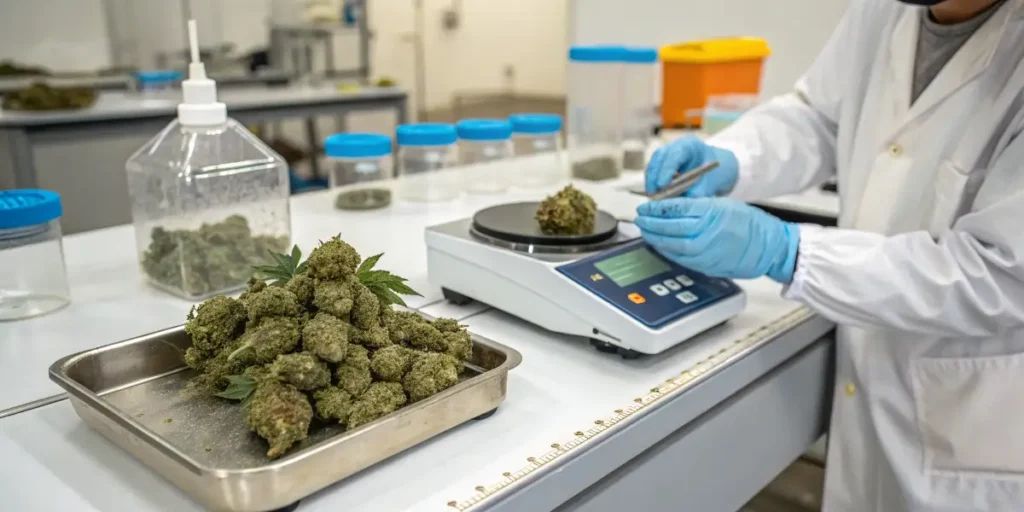
Master growers emphasize the importance of monitoring aw during the curing process. A deviation from the ideal range can lead to rapid degradation of cannabinoids, affecting both the therapeutic and recreational value of the product. Utilizing digital hygrometers ensures accurate readings, preventing common pitfalls like over-drying or excessive moisture retention.
Promos & Deals
aw as a QA KPI for Cannabis Flower
Comparing aw with Other KPIs
In the cannabis industry, aw is just one of several KPIs used to assess product quality. Other KPIs include cannabinoid content, terpene profile, and microbial contamination levels. While cannabinoid content and terpene profiles are often highlighted for their direct impact on consumer experience, aw is equally important for ensuring product safety and longevity.
Comparatively, aw provides a unique insight into the environmental conditions affecting cannabis storage and distribution. Unlike cannabinoid and terpene levels, which are determined during cultivation, aw can fluctuate based on storage conditions. This makes it a dynamic KPI that requires continuous monitoring to ensure compliance with safety standards.
Regulatory Aspects and Compliance
Farm Bill CBD and Quality Standards
The Farm Bill CBD legislation has significantly influenced quality standards in the cannabis industry. By defining hemp as cannabis with less than 0.3% THC, it sets a benchmark for legal compliance. However, it also underscores the importance of maintaining quality through KPIs like aw, which ensure that products meet safety and efficacy standards.
Regulatory bodies emphasize the role of aw in preventing microbial contamination, a critical aspect of compliance with the Cannabidiol CBD products compliance and enforcement policy. This policy mandates that all CBD products, including edibles and topicals, adhere to strict quality control measures to ensure consumer safety.
CBD Regulations by State and Federal Laws
CBD regulations by state vary significantly, affecting the legality and distribution of products like CBD gummies. While some states have embraced the Farm Bill’s guidelines, others impose stricter controls, impacting the availability of CBD products. This patchwork of regulations necessitates that producers maintain rigorous quality assurance practices, including monitoring aw.
Is Delta-8 a controlled substance? The classification of Delta-8 THC varies, with some states considering it a controlled substance under their CBD regulations. Similarly, the question of whether hemp is considered a drug or if hemp is illegal federally is subject to interpretation and enforcement at both state and federal levels. Knowing these nuances is essential for compliance and market success.
| Feature / Merkmal | GG4 | Sour Lemon | Amnesia Kush Auto |
|---|---|---|---|
| THC Content | 27% | 15-17% | 16-18% |
| Dominant Terpene | Caryophyllene | Terpineol | Myrcene |
| Flavor Profile | Fruity, Pine, Spicy | Citrus, Lemon, Lime | Citrus, Fruity |
| Effects | Happy, Relaxed, Talkative | Focused, Happy, Relaxed | Aroused, Energetic, Euphoric |
| Growth Time | 8-10 weeks | 10-12 weeks | 8 – 10 weeks |
Professional Tips for Cannabis Quality Assurance
- Maintain 58-62% RH during curing to preserve terpenes and cannabinoids. Avoid levels above 65% to prevent mold growth.
- Use a digital hygrometer for accurate aw measurements, ensuring levels remain below 0.65 for optimal product safety.
- Monitor storage temperatures between 59-70°F (15-21°C) to extend shelf life and maintain potency.
- Regularly calibrate measurement tools to prevent inaccuracies that could lead to regulatory non-compliance.
- Track cannabinoid degradation rates to adjust storage conditions proactively, maintaining product efficacy.
- Understand state-specific CBD regulations to ensure compliance and avoid legal pitfalls in product distribution.
FAQs about aw as a QA KPI for cannabis flower
What is KPI in cannabis?
In cannabis, a KPI, or Key Performance Indicator, measures critical aspects of production quality. Common KPIs include cannabinoid content, terpene profiles, and water activity (aw). These metrics help ensure product safety and efficacy, with aw levels ideally maintained below 0.65 to prevent microbial growth.
What is quality assurance in the cannabis industry?
Quality assurance in cannabis involves systematic processes to ensure products meet safety and efficacy standards. This includes monitoring KPIs like aw, cannabinoid content, and terpene profiles. Maintaining aw below 0.65 is crucial for preventing contamination and preserving product integrity.
What are the 5 main KPIs?
The five main KPIs in cannabis include THC content, CBD content, terpene profile, microbial contamination levels, and water activity (aw). Each KPI provides insight into product quality, with aw levels below 0.65 being essential for microbial safety.
What are the 4 pillars of KPI?
The four pillars of KPI in cannabis are accuracy, consistency, compliance, and safety. These pillars ensure that products meet regulatory standards and consumer expectations. Maintaining aw below 0.65 is a key aspect of safety, preventing microbial growth.
How does aw affect cannabis storage?
Water activity (aw) affects cannabis storage by influencing microbial growth and product degradation. Maintaining aw below 0.65 helps preserve cannabinoids and terpenes, extending shelf life. Proper storage conditions, including temperature and humidity control, are essential for maintaining optimal aw levels.