THC and Cats: How Cannabis Affects Your Feline Companion

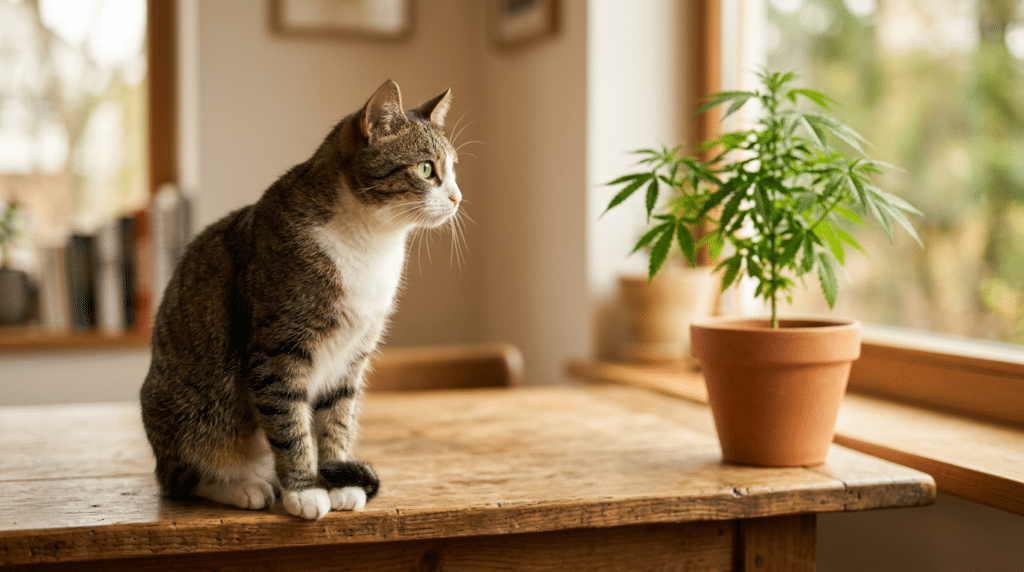
As cannabis becomes more common in homes, through medical use, recreational consumption, or indoor cultivation, the risk of accidental pet exposure has risen significantly. For cat owners who grow or consume cannabis, understanding how THC affects felines is not optional. It is a matter of responsible pet ownership.
Cats are highly sensitive mammals with a physiology that processes THC very differently from humans. Even small exposures can trigger significant neurological and physical effects. This guide covers the biology, the symptoms, what to do in an emergency, and how to prevent exposure in the first place.
Recommended Strains
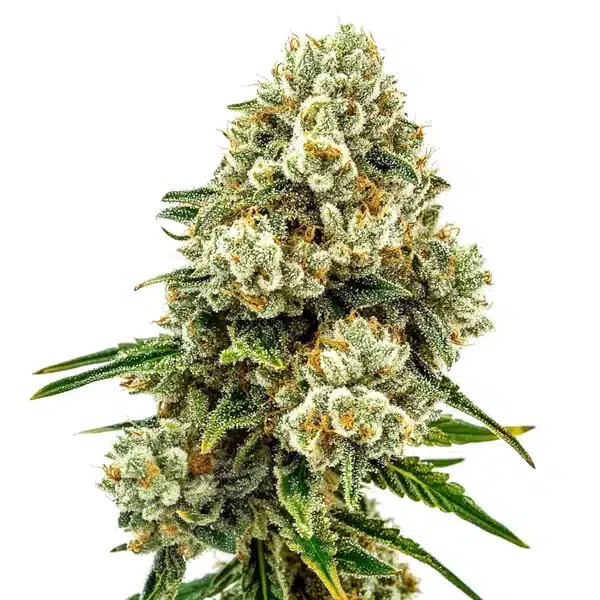
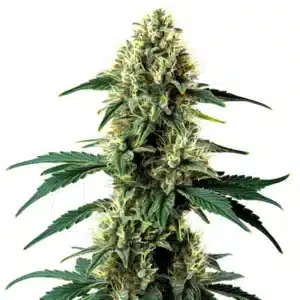
Acid Diesel

|
THC | 18% - 20% (Medium) |

|
Type | Feminized |

|
Yield | Medium |

|
Phenotype | 60% Indica / 40% Sativa |
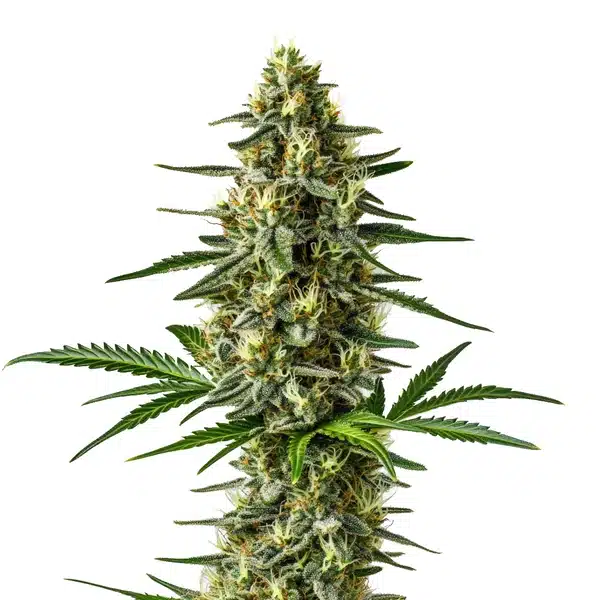
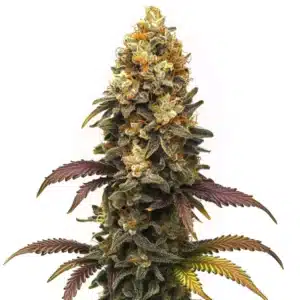
Afghan
|
|
THC | 16% - 21% (Medium) |
|
|
Type | Feminized |
|
|
Yield | High |
|
|
Phenotype | 90% Indica / 10% Sativa |
Why Cats Are Vulnerable to THC
THC (tetrahydrocannabinol) interacts with the endocannabinoid system (ECS), a regulatory network present in all mammals, including cats. The feline ECS includes:
- CB1 receptors: primarily in the brain and central nervous system
- CB2 receptors: mainly in immune tissues
- Endogenous cannabinoids such as anandamide
Because cats have a fully functional ECS, they respond to external cannabinoids. The problem is not that they lack this system, it is that THC binds strongly to CB1 receptors in the brain, and in cats this interaction produces more pronounced effects than in humans for three key reasons:
- Smaller body mass: lower dose required to cause effects
- Slower liver metabolism: THC remains in the system longer
- High CB1 receptor sensitivity: neurological response is amplified
It is worth noting that while cats are more vulnerable than humans, veterinary data suggests they may be somewhat less sensitive than dogs, approximately 96% of cannabis toxicity cases in pets involve dogs, not cats. That said, feline cases do occur, and cats face particular risks because of their grooming behavior: a cat that walks through a grow area can ingest trichome residue simply by licking its paws.
Promos & Deals



Symptoms of THC Exposure in Cats
Symptoms can vary in severity depending on the dose, exposure method, and individual sensitivity. They typically appear within 30 to 90 minutes and can persist for 6 to 12 hours or up to 96 hours in severe cases, due to slow metabolic clearance.
Neurological symptoms:
- Disorientation and confusion
- Loss of coordination (ataxia, wobbling or stumbling)
- Dilated pupils
- Abnormal or excessive vocalization
- Lethargy or sedation
Physical symptoms:
- Vomiting or excessive drooling
- Tremors or muscle twitching
- Urinary incontinence
- Increased or decreased heart rate
- Hypersensitivity to sound or touch
Severe cases may include:
- Hypothermia
- Collapse or inability to stand
- Respiratory depression
If your cat shows any of these signs and cannabis exposure is possible, treat it as a veterinary emergency.
What to Do If Your Cat Is Exposed to THC
There is no specific antidote for THC in cats. Treatment is supportive, and speed matters.
Step 1: Remove exposure immediately Move the cat away from the source: plants, smoke, edibles, residue, or any cannabis material.
Step 2: Do not overstimulate Keep the environment calm, quiet, and warm. Overstimulation can worsen symptoms in a neurologically affected animal.
Step 3: Contact a veterinarian without delay Be honest about potential cannabis exposure. Veterinarians are not required to report cannabis intoxication cases to law enforcement — they only want to help your pet recover.
What veterinary treatment may involve:
- Induced vomiting: only if ingestion was recent (within 1–2 hours) and the cat is not already showing severe neurological signs
- Activated charcoal: administered to prevent further THC absorption in the gastrointestinal tract
- IV fluids: to support hydration and assist metabolic clearance
- Temperature regulation: hypothermia is a real risk
- Vital signs monitoring: heart rate, respiratory rate, and neurological status
- Supportive care until the THC clears the system
Most cats recover fully within 24 to 72 hours with appropriate care. Fatal outcomes are rare but have been documented with very high-concentration products — particularly medical-grade edibles.
How Home Cannabis Cultivation Increases Risk
Indoor cultivation creates multiple exposure pathways that many growers underestimate.
Modern cannabis genetics, including high-resin varieties like Northern Lights, Blue Dream, CBD Critical Mass, and Gelato from Blimburn Seeds are bred for dense cannabinoid and terpene production. These traits are excellent for growers, but they also mean higher THC concentrations throughout the plant material.
Cats in grow environments may be exposed through:
- Chewing leaves, buds, or trimmed material
- Grooming after walking through grow areas (ingesting trichome residue from paws or coat)
- Inhaling airborne cannabinoids during heavy flowering stages
- Ingesting cannabis waste or trim left accessible after harvest
Even strains with excellent profiles for human use, such as Amnesia Haze, Sour Diesel, or Jack Herer, should always be kept completely inaccessible to pets due to their high cannabinoid content.
Prevention: Safe Practices for Growers with Cats
Prevention is straightforward but requires consistent discipline.
Grow area security:
- Use sealed grow tents with cat-proof fasteners
- Install physical barriers to restrict pet access to cultivation rooms at all times
- Store harvested cannabis in airtight, pet-proof containers, not on counters or open shelves
- Clean trimming and processing areas thoroughly after each session
Daily habits:
- Wash hands after handling plants before touching your cat
- Dispose of cannabis waste trim, stems, packaging in sealed bins
- Never smoke or vape near your cat; use a separate, well-ventilated space
- Keep edibles stored with the same security as medications
CBD and Cats: A Different Conversation
While THC poses clear risks, CBD (cannabidiol) is a separate compound that interacts with the feline ECS in a fundamentally different way.
Unlike THC, CBD does not strongly activate CB1 receptors. Instead, it works through indirect modulation, supporting balance within the ECS rather than disrupting it. This means CBD does not produce the intoxication, disorientation, or neurological impairment associated with THC.
Areas of active veterinary research for CBD in cats:
- Joint support and age-related mobility issues
- Muscle discomfort and inflammation
- Anxiety and stress response regulation
- General neurological balance
A 2025 pharmacokinetic study published in the Journal of Feline Medicine and Surgery found that CBD absorption in cats is significantly improved when administered with food — a useful consideration for pet owners exploring CBD supplementation.
Important caveats:
- Side effects are generally mild (sedation at high doses, temporary appetite changes)
- Quality control in CBD products is inconsistent, THC content is mislabeled in the majority of commercially available products, according to veterinary toxicology data
- Veterinary supervision is essential before introducing any cannabinoid product to a cat’s routine
The distinction is clear: THC exposure in cats carries real risk and requires immediate attention. CBD, administered correctly and under veterinary guidance, may offer supportive benefits without those same risks.
Frequently Asked Questions About THC and Cats
Is THC toxic to cats?
Yes. THC is toxic to cats and can cause neurological and physical symptoms even at low exposure levels. Cats are particularly vulnerable because of their smaller body mass, slower liver metabolism, and high CB1 receptor sensitivity. While fatal cases are rare, severe exposure, especially from high-concentration edibles or concentrates, can be life-threatening and requires immediate veterinary care.
What are the signs that my cat has been exposed to THC?
Common signs include loss of coordination (ataxia), dilated pupils, lethargy, vomiting, urinary incontinence, tremors, and heightened sensitivity to sound or touch. Symptoms typically appear within 30 to 90 minutes of exposure. If your cat displays these signs and cannabis access was possible, contact a veterinarian immediately without waiting for symptoms to worsen.
Can my cat recover from THC exposure?
Yes, most cats recover fully within 24 to 72 hours with appropriate veterinary support. Treatment is supportive and may include activated charcoal, IV fluids, temperature regulation, and monitoring of vital signs. Recovery time depends on the amount ingested, the concentration of the product, and how quickly veterinary care was sought.
Is secondhand cannabis smoke dangerous for cats?
Yes. Cats can be affected by inhaling secondhand smoke or vapor, particularly in enclosed spaces. Their smaller respiratory systems and tendency to lounge in confined areas make them more susceptible to airborne cannabinoid exposure than humans. Always use cannabis in well-ventilated areas away from pets, and never expose cats to smoke or vapor directly.