How Temperature Affects Cannabis VOC Emissions

How temperature affects cannabis VOC emissions: Temperature significantly influences the release of volatile organic compounds (VOCs) from cannabis. A 5°F (2.8°C) increase can result in up to a 50% rise in VOC emissions, affecting aroma and therapeutic properties. This underscores the need for precise climate control in cultivation to optimize plant quality and yield.
Temperature is a key factor in the production of terpenes and other VOCs in cannabis. These compounds contribute to the plant’s distinctive aroma and therapeutic effects. In controlled environments, maintaining temperatures between 68°F and 77°F (20°C to 25°C) can enhance terpene profiles, ensuring a rich sensory experience and potent effects for consumers.
Recommended Strains
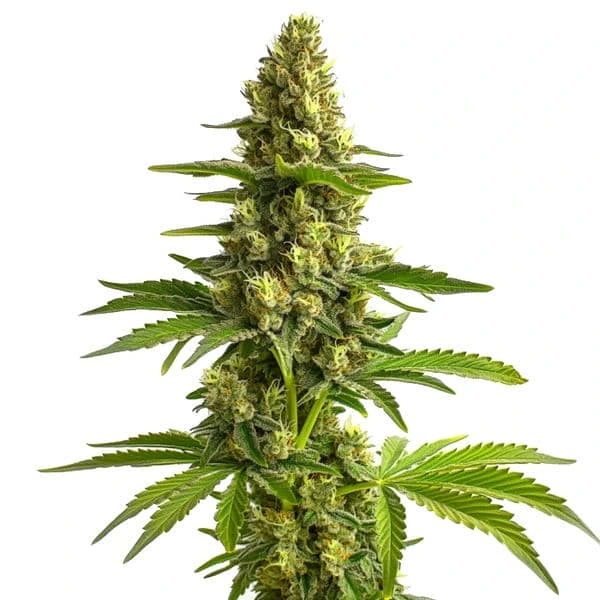
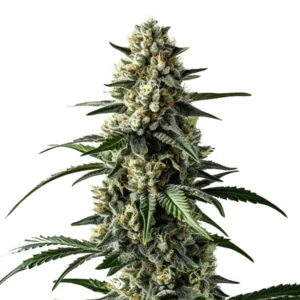
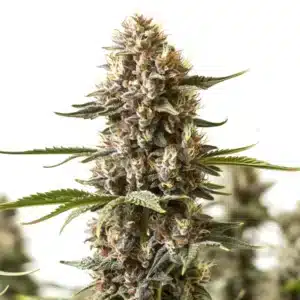
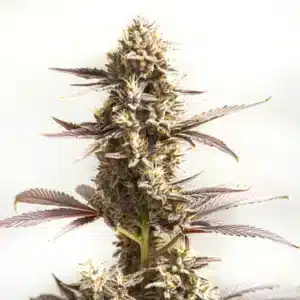
Bruce Banner #3

|
THC | 20% - 29% (High) |

|
Type | Feminized |

|
Yield | High |

|
Phenotype | 50% Indica / 50% Sativa |

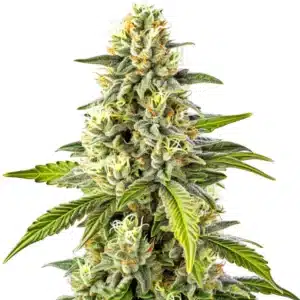
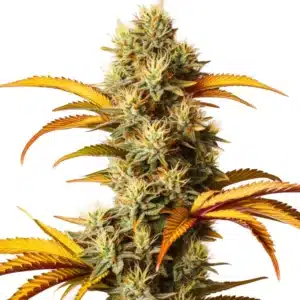
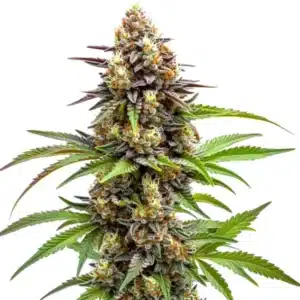
Blue Dream
|
|
THC | 17% - 24% (High) |
|
|
Type | Feminized |
|
|
Yield | High |
|
|
Phenotype | 50% Indica / 50% Sativa |
Cannabis VOCs: An Overview
What are VOCs?
Volatile organic compounds (VOCs) are a group of organic chemicals that easily become vapors or gases. In cannabis, VOCs primarily include terpenes and terpenoids, which are responsible for the plant’s unique aromas. Knowing how temperature affects cannabis VOC emissions is essential, as environmental conditions can significantly influence the intensity and composition of these aromatic compounds. These VOCs also play a crucial role in the plant’s interaction with its environment, including attracting pollinators and deterring pests.
In cannabis, VOCs like myrcene and limonene not only contribute to aroma but also enhance the plant’s therapeutic effects. Myrcene, for example, can increase THC uptake through the blood-brain barrier, while limonene is known for its mood-enhancing properties. These effects are maximized when the plant is cultivated under optimal temperature conditions.
Insights from Cultivation Experts on Temperature and VOCs
Experienced growers report that temperature fluctuations can drastically alter VOC emissions. For instance, increasing the temperature from 68°F to 77°F (20°C to 25°C) can boost the release of terpenes by up to 50%. This is particularly important for strains like Blue Dream, known for its high myrcene content, which enhances its relaxing effects.
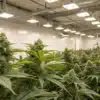
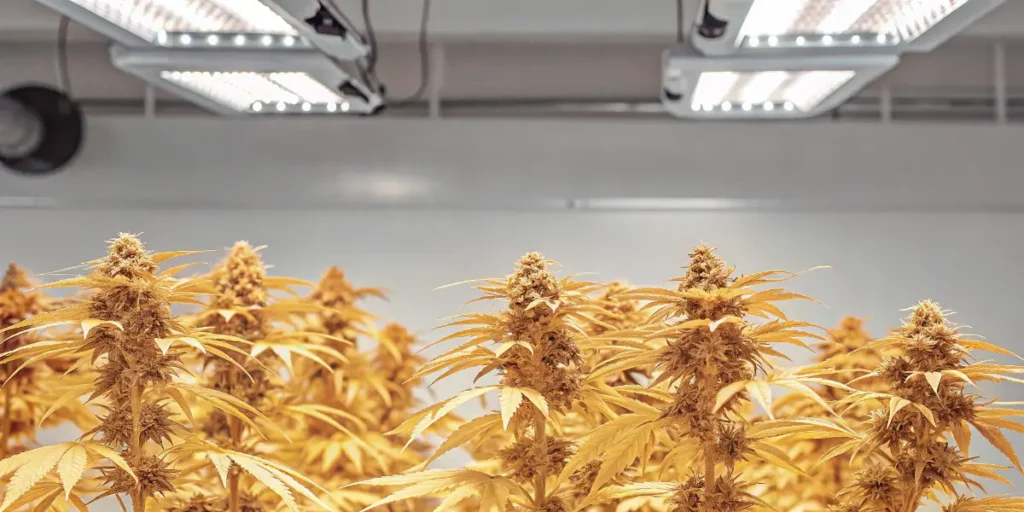
Temperature control is critical in indoor cultivation. Many cultivators use advanced climate control systems to maintain stable temperatures, ensuring consistent VOC profiles. This not only affects the plant’s aroma but also its therapeutic efficacy, as certain terpenes degrade at higher temperatures, reducing their beneficial effects.
Promos & Deals

Temperature’s Role in VOC Emissions
Optimal Temperature Ranges
Maintaining the right temperature is essential for maximizing VOC emissions in cannabis. Most cultivators aim for a range between 68°F and 77°F (20°C to 25°C) during the flowering stage. This range supports the production of terpenes like caryophyllene, which provides a spicy aroma and anti-inflammatory benefits.
Temperature management is crucial, especially for high-THC strains like Bruce Banner, which can suffer from cannabinoid degradation at temperatures above 85°F (29°C). Keeping the environment within the optimal range ensures that both the potency and aroma of the cannabis are preserved.
Tools for Monitoring Temperature
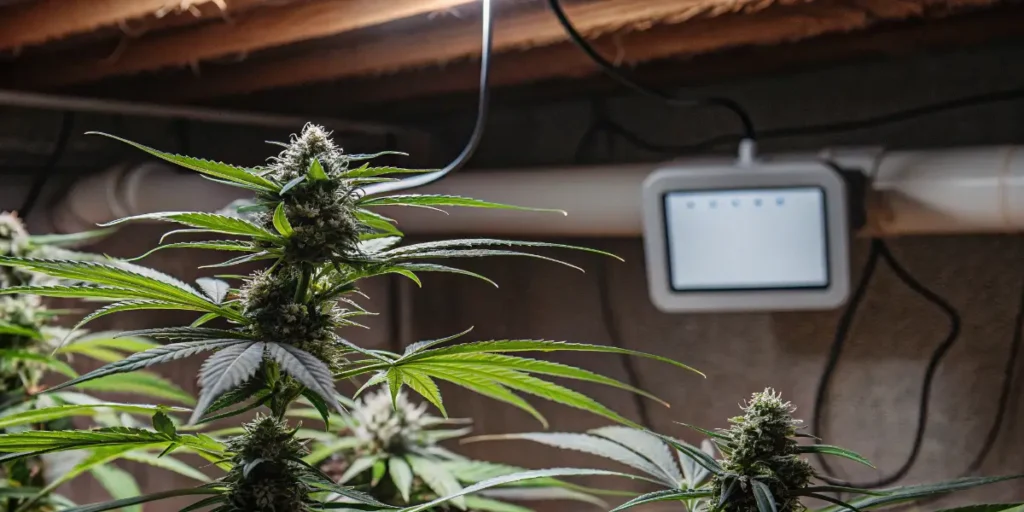
To maintain optimal temperatures, many growers use digital thermometers and hygrometers. These tools provide real-time data, allowing for precise adjustments to the growing environment and helping growers better understand how temperature affects cannabis VOC emissions. Automated climate control systems can further enhance this process, ensuring consistent conditions for maximum VOC production.
Investing in reliable monitoring equipment is essential. A common mistake is relying on outdated or inaccurate devices, which can lead to suboptimal growing conditions. By using advanced tools, growers can prevent issues like terpene degradation and ensure a high-quality harvest.
Practical Implications for Cultivators
Optimal Temperature Ranges
For cultivators aiming to maximize terpene profiles, maintaining temperatures between 68°F and 77°F (20°C to 25°C) is essential. This range supports the development of terpenes like limonene, which offers citrusy aromas and stress-relieving effects. Deviating from this range can lead to reduced terpene production and altered plant characteristics.
Temperature control is particularly important for strains like Blue Dream, which thrives under stable conditions. By maintaining the recommended temperature range, growers can ensure a robust terpene profile and potent effects, enhancing the overall quality of the harvest.
Tools for Monitoring Temperature
Effective temperature management requires precise monitoring tools, especially when knowing how temperature affects cannabis VOC emissions. Digital thermometers and hygrometers provide accurate readings, allowing growers to make necessary adjustments. Automated systems can further optimize conditions, ensuring consistent temperatures and preventing fluctuations that could negatively impact VOC emissions.
Growers should avoid relying on outdated equipment, as inaccurate readings can lead to suboptimal growing conditions. Investing in high-quality monitoring tools is crucial for maintaining the ideal environment for cannabis cultivation.
Professional Tips for Optimal Cannabis Cultivation
- Maintain 68-77°F (20-25°C) during flowering to enhance terpene production. Temperatures above 85°F (29°C) can degrade cannabinoids, reducing potency.
- Use digital thermometers for accurate temperature readings. Avoid analog devices, which can give inconsistent results.
- Implement automated climate control systems to stabilize growing conditions. Manual adjustments can lead to fluctuations that affect VOC emissions.
- Regularly calibrate your monitoring equipment to ensure accurate data. Neglecting this can result in undetected environmental changes.
- Monitor humidity alongside temperature. High humidity can promote mold growth, while low levels can dry out plants, affecting VOCs.
- Consider strain-specific temperature needs. Some strains, like Bruce Banner, require slightly higher temperatures for optimal growth.
FAQs on Temperature and Cannabis VOCs
What temperature destroys cannabinoids?
Cannabinoids begin to degrade at temperatures above 85°F (29°C). Prolonged exposure to high heat can reduce THC and CBD levels, impacting the potency of the cannabis. To preserve cannabinoid content, maintain temperatures below this threshold during cultivation and storage.
Does cannabis emit VOCs?
Yes, cannabis emits VOCs, primarily in the form of terpenes and terpenoids. These compounds contribute to the plant’s aroma and therapeutic properties. VOC emissions can increase by up to 50% with a 5°F (2.8°C) rise in temperature, making climate control crucial in cultivation.
What temperature destroys terpenes?
Terpenes begin to degrade at temperatures above 70°F (21°C). To preserve their aromatic and therapeutic qualities, it’s important to maintain temperatures within the optimal range of 68°F to 77°F (20°C to 25°C) during cultivation and drying.
Is 35 degrees too hot for cannabis?
Yes, 95°F (35°C) is too hot for cannabis cultivation. At this temperature, plants can experience heat stress, leading to reduced growth and terpene degradation. Maintaining temperatures below 85°F (29°C) is essential for healthy plant development and optimal terpene production.
How does temperature affect cannabis aroma?
Temperature directly influences the release of terpenes, which are responsible for cannabis aroma. Higher temperatures increase terpene emissions, enhancing aroma but risking degradation if too high. Maintaining 68°F to 77°F (20°C to 25°C) ensures a rich, aromatic profile without compromising terpene integrity.