Fixing Nutrient Burn in Cannabis: A Detailed Guide

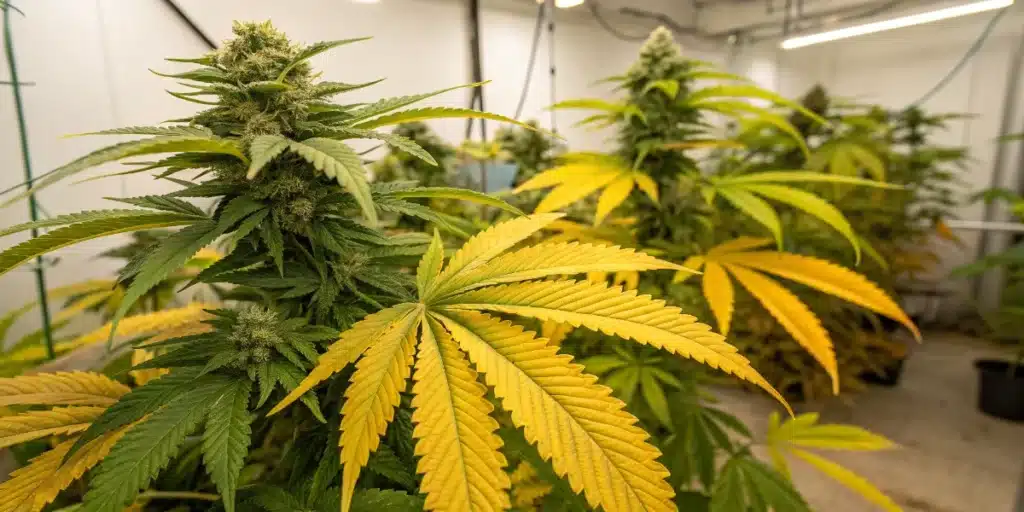
Nutrient Burn in Cannabis: Occurs when cannabis plants receive excessive nutrients, leading to leaf discoloration and stunted growth. Early signs include yellowing leaf tips, which can be mitigated by adjusting nutrient levels. Experienced growers note that restoring balance can improve plant health by up to 90%, emphasizing the importance of timely intervention to prevent long-term damage.
Terpenes play a crucial role in cannabis cultivation, affecting both aroma and plant health. For example, myrcene, present in many strains, enhances THC uptake and provides earthy, mango undertones. Flowering time, typically 8-10 weeks, is critical for optimizing terpene profiles. These elements can significantly impact your harvest’s quality and potency.
Recommended Strains

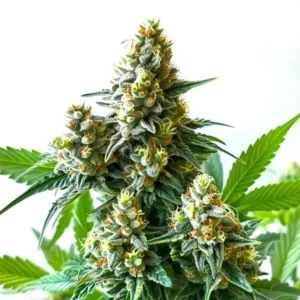
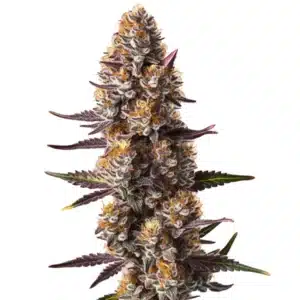
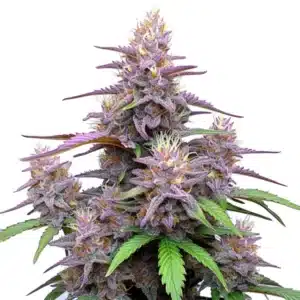
Bruce Banner 2.0

|
THC | 25% - 30% (High) |

|
Type | Feminized |

|
Yield | High |

|
Phenotype | 35% Indica / 65% Sativa |

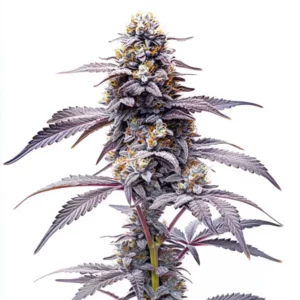
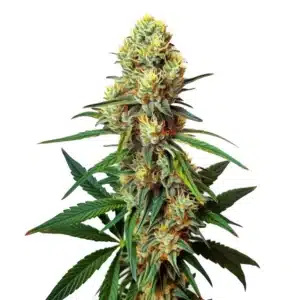
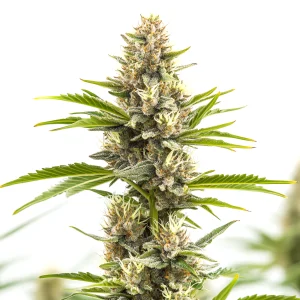
Northern Lights
|
|
THC | 17% (Medium) |
|
|
Type | Feminized |
|
|
Yield | High |
|
|
Phenotype | 90% Indica / 10% Sativa |
What is Nutrient Burn in Cannabis?
Early Signs of Nutrient Burn
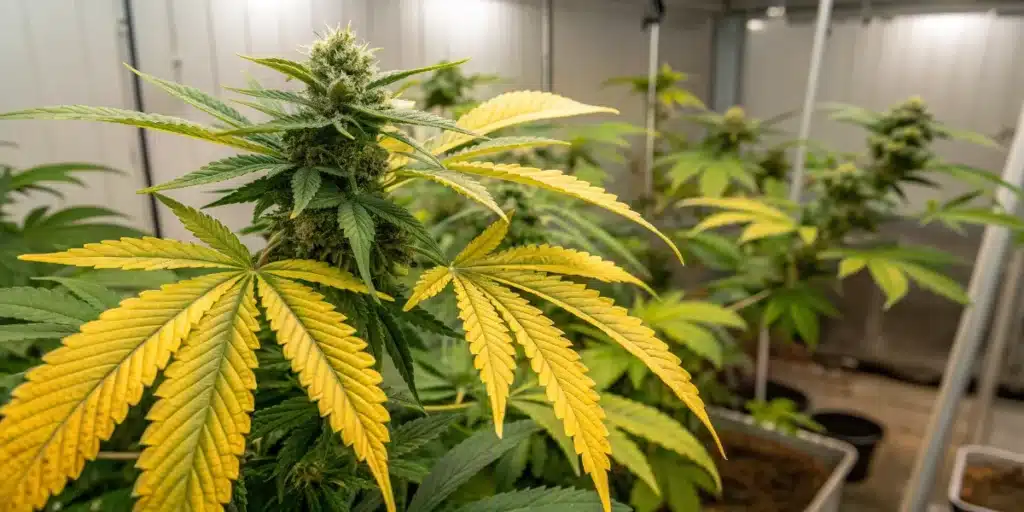
Recognizing early signs of nutrient burn is essential to prevent further damage. The first indicators often include yellowing leaf tips and edges, progressing to browning and curling if unchecked. These symptoms result from excessive nutrient salts accumulating in the soil, which disrupts water uptake and photosynthesis. Monitoring these signs can help in early intervention.
Experienced growers suggest maintaining an EC level of 1.2-1.6 during the vegetative stage to avoid nutrient burn. This range ensures that plants receive adequate nutrients without overwhelming them. Over-fertilization can lead to salt buildup, which is detrimental to root health and overall plant vitality.
Nutrient Burn vs Deficiency
Distinguishing between nutrient burn and deficiency is crucial for proper diagnosis. While nutrient burn results from excess nutrients, deficiencies arise from insufficient nutrient availability. For instance, nitrogen deficiency leads to pale leaves, whereas nutrient burn causes leaf tips to brown. Correctly identifying these issues ensures appropriate corrective measures.
To differentiate between the two, consider the plant’s overall appearance and growth patterns. Nutrient deficiencies often manifest as uniform discoloration, whereas nutrient burn is more localized. Adjusting nutrient ratios based on plant stage and symptoms can prevent these issues, ensuring healthy growth.
Promos & Deals
Causes of Nutrient Burn
Excessive Nutrient Application
Excessive nutrient application is a primary cause of nutrient burn. Over-enthusiastic feeding schedules can lead to salt accumulation in the root zone, impairing water uptake and causing leaf damage. It’s vital to adhere to recommended feeding guidelines, adjusting based on plant response and environmental conditions.
Many cultivators recommend using a nutrient burn chart to track feeding schedules and adjust nutrient concentrations. This chart helps prevent over-fertilization, ensuring plants receive the right balance of nutrients for optimal growth. Regular flushing of the growing medium can also mitigate salt buildup.
Environmental Stress Factors
Environmental stress factors, such as high temperatures and low humidity, exacerbate nutrient burn. These conditions increase transpiration rates, leading to higher nutrient uptake and potential toxicity. Maintaining optimal environmental conditions is crucial for preventing nutrient burn and promoting healthy growth.
For indoor grows, maintaining temperatures between 68°F – 77°F (20°C – 25°C) and humidity levels of 40-60% is recommended. These conditions support balanced nutrient uptake and reduce the risk of nutrient burn. Regular monitoring and adjustments can help maintain these parameters.
How to Fix Nutrient Burn in Cannabis
Immediate Corrective Actions
To fix nutrient burn, start by flushing the growing medium with pH-balanced water. This process helps remove excess salts and restore nutrient balance. It’s crucial to use water with a pH of 6.0-6.5 for soil and 5.5-6.0 for hydroponics to ensure optimal nutrient availability.
After flushing, reduce nutrient concentrations by 50% for the next few feedings. This adjustment allows plants to recover without further stress. Monitoring plant response is essential to determine when to resume normal feeding schedules. Patience and observation are key to successful recovery.
How to Fix Nutrient Burn During Flowering
Learn how to fix nutrient burn during flowering to ensure healthy bud development. During this stage, nutrient burn can severely impact yield and potency. Flushing with pH-balanced water is crucial, followed by a careful reduction in nutrient strength. Focus on maintaining stable environmental conditions to support recovery.
Experienced growers recommend using a bloom-specific nutrient formula with an N:P:K ratio of 1:3:2 during flowering. This balance supports bud development while minimizing the risk of nutrient burn. Adjusting feeding schedules based on plant response can optimize results.
Preventing Nutrient Burn in Autoflower Cannabis
Nutrient Burn Autoflower Tips
Follow these nutrient burn autoflower tips for optimal growth. Autoflowers are particularly sensitive to nutrient concentrations, requiring careful management. Start with a quarter-strength nutrient solution and gradually increase based on plant response. This approach minimizes the risk of nutrient burn while supporting healthy growth.
Maintain a light schedule of 20/4 to optimize photosynthesis and nutrient uptake. This balance ensures that autoflowers receive adequate light without overstressing them. Regular monitoring and adjustments to feeding schedules can prevent nutrient burn and promote vigorous growth.
Visual Guide: Nutrient Burn Pictures and Charts
In this section, we provide nutrient burn pictures to help you identify the issue visually. Our cannabis nutrient burn pictures offer a detailed look at affected plants, highlighting common symptoms and their progression. Use our cannabis nutrient burn chart to compare symptoms and solutions, aiding in accurate diagnosis and treatment.
Visual aids are invaluable for identifying nutrient burn, especially for novice growers. Comparing your plants to nutrient burn pictures can help confirm suspicions and guide corrective actions. A cannabis nutrient burn chart provides a reference for adjusting nutrient levels and preventing future issues.
| Feature | GG4 | Northern Lights | Bruce Banner 2.0 |
|---|---|---|---|
| THC Content | 27% | 17% | 25-30% |
| Dominant Terpene | Humulene | Myrcene | Limonene |
| Flavor Profile | Fruity, Pine, Spicy | Earthy, Pine, Sweet | Citrus, Diesel |
| Yield Indoor | 1.64 – 1.97 oz/ft² | 500 – 600 g/m² | 1.47 – 1.64 oz/ft² | 450 – 500 g/m² | 1.47 – 1.64 oz/ft² | 450 – 500 g/m² |
| Flowering Time | 8 – 10 weeks | 8 – 10 weeks | 8 – 10 weeks |
Professional Tips for Preventing Nutrient Burn
- Maintain EC levels between 1.2-1.6 during vegetative growth. This prevents salt buildup and ensures optimal nutrient uptake.
- Flush with pH-balanced water every 4-6 weeks. This removes excess salts and prevents nutrient lockout.
- Use a nutrient chart to track feeding schedules. Adjust based on plant response to avoid over-fertilization.
- Keep temperatures between 68°F – 77°F (20°C – 25°C) to support balanced nutrient uptake.
- Monitor humidity levels at 40-60% to prevent excessive transpiration and nutrient uptake.
- Start with a quarter-strength nutrient solution for autoflowers, gradually increasing as needed.
Frequently Asked Questions about Nutrient Burn
Can you still get good buds after a nute burn?
Yes, you can still harvest quality buds after nutrient burn if corrective actions are taken promptly. Flushing the medium and reducing nutrient strength can help plants recover. While yield may be slightly affected, maintaining optimal conditions can still produce potent and flavorful buds.
Will nutrient burn go away?
Nutrient burn will not go away on its own. It requires intervention, such as flushing with pH-balanced water and adjusting nutrient levels. Prompt action can halt further damage and allow plants to recover, although affected leaves may not regain their original appearance.
Can plants recover from nutrient burn?
Plants can recover from nutrient burn with proper care. Flushing the growing medium and reducing nutrient concentrations are effective strategies. Recovery time varies, but most plants show improvement within 1-2 weeks if conditions are optimized.
How to avoid nutrient burn?
To avoid nutrient burn, adhere to recommended feeding schedules and monitor EC levels. Start with lower nutrient concentrations and increase gradually based on plant response. Regularly flush the medium to prevent salt buildup and maintain balanced environmental conditions.
What are the best practices to avoid nutrient burn in autoflowers?
For autoflowers, use a quarter-strength nutrient solution initially, increasing as needed. Maintain a 20/4 light schedule and monitor plant response closely. Regular flushing and environmental control can prevent nutrient burn and support healthy growth.